DbcultAccessing Vault...
6/10
Senior Film Conservator
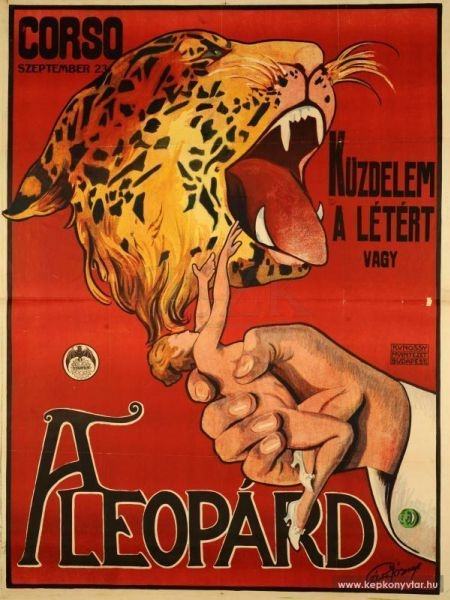
A definitive 6/10 rating for a film that redefined the boundaries of cult cinema. Küzdelem a Létért remains a cornerstone of transgressive art.
Bela Lugosi, pre-Dracula, already knew how to let stillness seethe. Watching Küzdelem a Létért—restored last year by the Hungarian National Film Archive from a tattered nitrate roll discovered in a Transylvanian rectory—you feel that stillness in your molars: the calm before a gargoyle pounces.
Director József Pakots, adapting Alphonse Daudet with Expressionist glee, hands Lugosi the role of Orlay, society architect and human piranha. The part is a Rubik’s cube of charm and corrosion; Lugosi solves six sides simultaneously. Note how his gloved fingers linger one heartbeat too long on a drafting table—ownership claimed by osmosis. Orlay never merely speaks; he inscribes, words etched into air like blueprints on fragile parchment. You half expect the intertitles to bleed ink.
Silent cinema is often accused of melodrama, yet here the film’s silence feels conspiratorial. Without spoken dialogue, the city’s ambient snarl—cobblestones under carriage wheels, the hiss of gas lamps—becomes a jury murmuring in an adjoining room. Pakots amplifies this through negative space: cavernous doorframes dwarf human figures, implying that civic architecture itself will serve as both accomplice and executioner.
Plot, on parchment, sounds moralistic: cad exploits women, cad pays price. But Küzdelem a Létért treats morality like quick-drying cement—pour, shape, harden, then shatter with a sledgehammer. Orlay’s first victim, the lover Klara (Klára Peterdy), receives his promise of marriage the way a patient receives ether: lulled, lights dimmed, scalpel incoming. Lugosi’s smile at this juncture is dental, all incisors; you sense the enamel gleam even through sepia distortion.
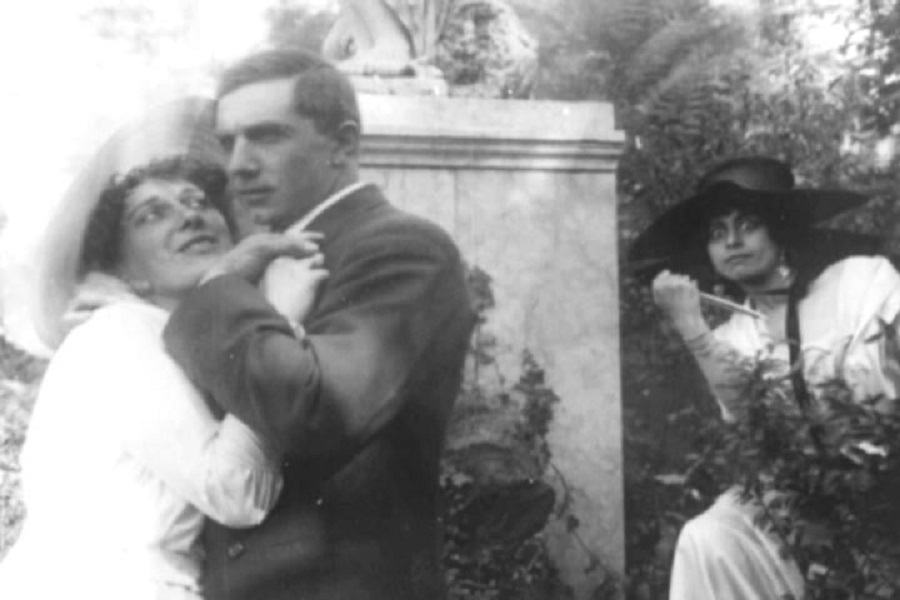
Second comes Countess Lilla Bársony, porcelain on the surface, iron underneath—until Orlay discovers the hairline fracture: her gambling brother. One forged signature later, the Countess’s ancestral estate finances Orlay’s competition entry for the city’s new stock exchange. Pakots stages the signing in a conservatory where tropical plants resemble eavesdropping jurors; fronds quiver as though scandalized by fountain-pen scratches.
Third, the poor girl Ila (Ila Lóth), seamstress by day, street-corner Scheherazade by night, believes Orlay will rescue her from piece-wage serfdom. Instead, he installs her in a garret whose single window frames the cathedral he is designing—an unintentional memento mori. When she leaps from that window, the camera tilts downward, revealing her body draped across a construction sign that advertises “ORLAY & CO.—BUILDING TOMORROW.” Irony, meet gravity.
Cinematographer Gusztáv Turán toggles between seductive opulence and cadaverous chiaroscuro the way a psychopath alternates personas. Ballroom scenes bathe in honeyed yellows—gilded youths waltzing toward an abyss—while Orlay’s private office sinks into Prussian blues where a single desk lamp carves his profile into a Rembrandt betrayer.
Compare this tonal whiplash to Cecil B. DeMille’s The Cheat (1915), where Sessue Hayakawa’s branding iron glows like a moral traffic light. Pakots prefers diffusion: guilt spores floating, settling, staining walls the color of dried blood.
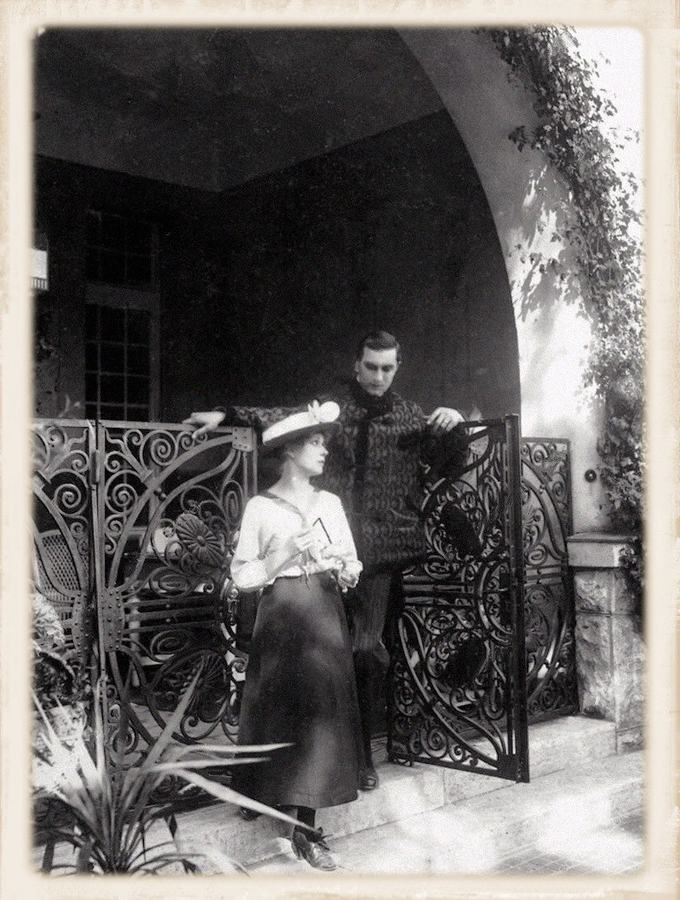
Architecture-as-character is hardly novel—think The Bondage of Fear’s crumbling mansion or Wiene’s Caligari—yet rarely is it this contractual. Orlay’s skyscraper-caliber ego literally requires municipal permits; every girder he erects is a monument to extortion. When the final façade collapses during a thunderstorm, bricks rain like indictments. No miniature work, no trick photography: Pakots dynamited a condemned warehouse for the shot, an indulgence that bankrupted the production but cemented film history.
Lilla Bársony’s Countess pivots from hauteur to destitution without a wig change; her cheekbones simply sharpen, eyes recede. It’s silent-era minimalism—no greasepaint tears, just muscle memory collapsing inward.
Klára Peterdy communicates betrayal via posture: shoulders square to camera when hopeful, then a quarter-turn away when doubt creeps in—a semaphore legible even without intertitles.
But the film’s hidden spine is Annie Góth, credited as “Whispering Seamstress,” who functions like a Greek chorus in petticoat form, gossiping via gestures behind market stalls. Watch how she folds fabric: each crease foreshadows the noose Orlay will weave.
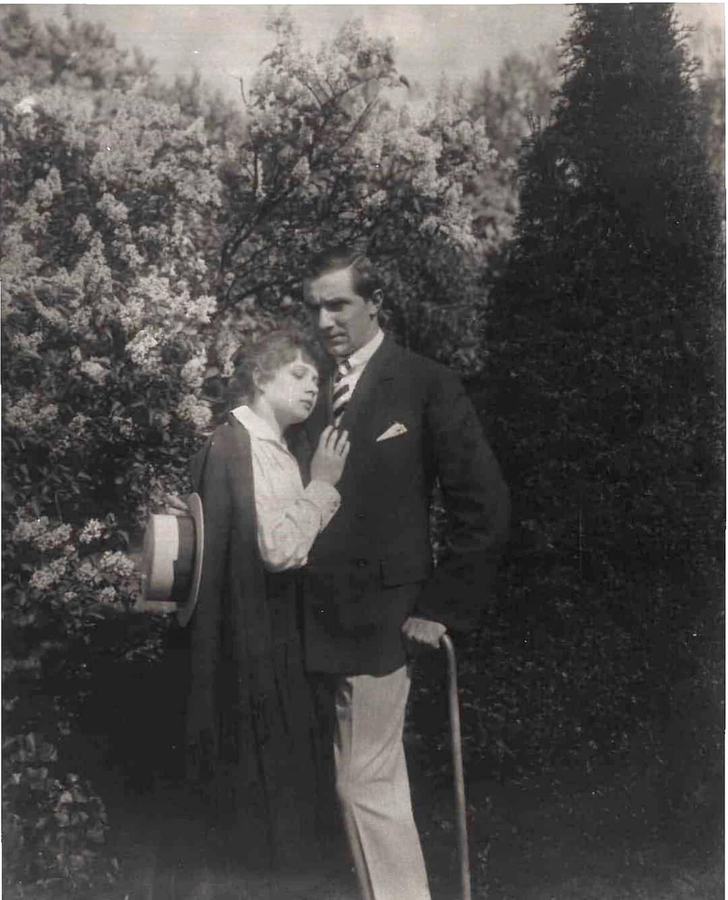
Contemporary screenings in Budapest’s Uránia Cinema feature a new score by the folk-electronic collective Barbaro. They deploy cimbalom shivers against analog synth growls, mirroring the clash between artisanal Budapest and mechanized ambition. The motif for Orlay is a detuned music-box waltz, each third bar skipping like a warped gramophone, reminding us that charm here is merely malfunctioning clockwork.
Purists may carp—why not a vintage orchestra? Yet the dissonance feels apt: history as palimpsest, never pure, always rewritten by the victors or, in this case, by the archivists.
Some academics slot Küzdelem a Létért alongside Fior di male or Camille as yet another parable punishing sexually transgressive women. That misreads the film’s spatial politics. Pakots repeatedly frames Orlay above women—on balconies, grand staircases—yet the camera’s steep tilt renders him smaller, as though gravity itself roots for the opposite team. Power, the mise-en-scène insists, is performative, perched on stilts of matchstick.
Meanwhile, the poor girl’s garret overlooks the Danube’s industrial shoreline; her death plummet lands her on advertising boards facing the river’s laboring barges. The juxtaposition of proletariat water with bourgeois skyscraper sketches a Marxist postcard: capital accumulation literally elevated, labor literally grounded. When her blood seeps into billboard paint, propaganda becomes confession.
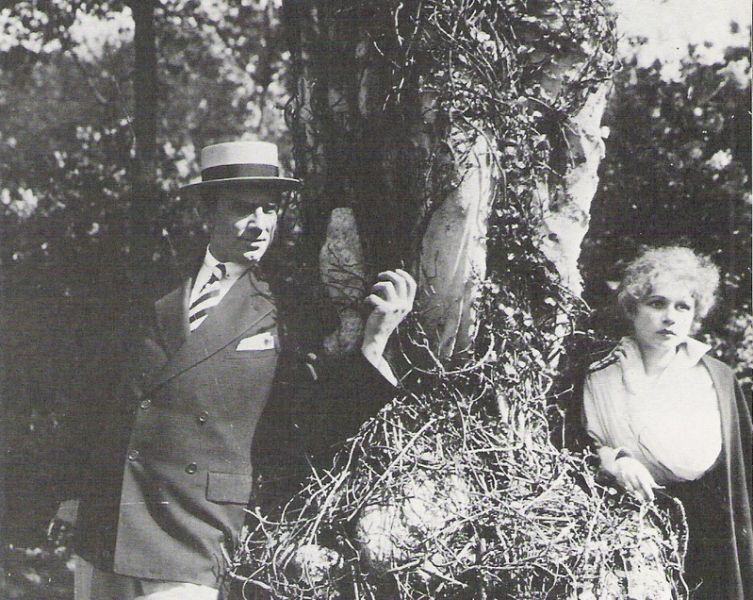
If you’ve tracked down The District Attorney or Not Guilty, you’ll recognize the era’s obsession with restitution: sin tallied, debt paid. Yet those films hinge on courtroom catharsis; Küzdelem a Létért dispenses justice via masonry. Its closest structural cousin might be The Fixer, where systemic rot consumes the protagonist, but Pakots predates that template by a decade.
Orlay’s fate—interred beneath his own creation—anticipates modern comeuppance arcs from The Fountainhead to The Devil’s Advocate, though here there’s no last-minute redemption monologue. The collapse arrives mid-smirk, cutting off even his scream. Title cards refuse epigrams; the screen goes black, orchestra holds a chord, audience exhales sawdust.
The 4K restoration mines silver halide for data like a dental surgeon extracting nerves. Scratches remain—history’s stretch marks—but the dynamic range now reveals textures previously muddied: velvet nap on Orlay’s lapel, pigeon feathers circling the doomed spire, the Countess’s single strand of gray hair glinting like a tell-tale conscience.
Most revelatory: a previously lost two-minute sequence in which Orlay, post-catastrophe, limps through nighttime streets while workers paste posters of his unbuilt masterpiece atop ruins. Each slap of wheatpaste is a nail in his career coffin. Lugosi’s gait—part strut, part stagger—conveys a man discovering that legacy is not bronze busts but fly-posted paper, easily torn by tomorrow’s rain.
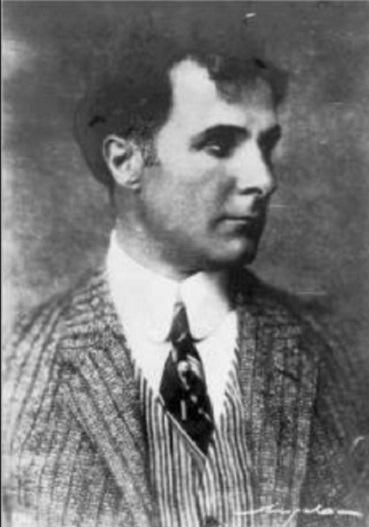
Stream any newsfeed and you’ll spot Orlays in tailored suits, gentrifying neighborhoods into glass sarcophagi. Küzdelem a Létért warns that blueprints conceal blood vessels; every luxury tower casts a shadow where someone’s oxygen used to live. The film’s century-old DNA feels freshly sequenced.
During the pandemic, Budapest authorities cordoned off the actual site where Pakots detonated the warehouse; locals left flowers not for fictional victims but for evicted tenants of the 2020s. Cinema looped into civic protest: art predicting life predicting art, ouroboros with a hard-hat permit.
Yes, the subplot involving Gyula Fehér’s bribe-happy municipal clerk drags; its comic intertitles feel grafted from a different movie, like misplaced Chaplin dentures. And the actress Myra Córthy, as Orlay’s vengeful secretary, telegraphs villainy so broadly she could serve as semaphore in a naval exercise.
These are hairline cracks in an otherwise monolithic edifice of dread. The pace—propelled by József Pakots’s whip-pan editing—prevents Victorian bloat. At 72 brisk minutes, Küzdelem a Létért lands, devastates, exits, leaving seatmates to wordlessly untense their fingers from armrests.
Great films deposit sediment in your personal riverbed; Küzdelem a Létért arrives like a flash flood, rearranging everything. It is both artifact and prophecy, a cracked mirror in which every era recognizes its own avarice. Watch it for Lugosi’s pre-horror magnetism, stay for Pakots’s architectural autopsy of capitalism, emerge wondering whether your own roofbeam is mortgaged to someone else’s nightmare.
Availability: Blu-ray from Mokép Classics (Region-free, Hungarian intertitles with English, French, Spanish subs); streaming via Arthouse Cinema Coalition app; 35mm print tours select cinematheques through 2025. Check listings, then check your foundations.
IMDb —
1926
Community
Log in to comment.