DbcultAccessing Vault...
Cult Review
Senior Film Conservator
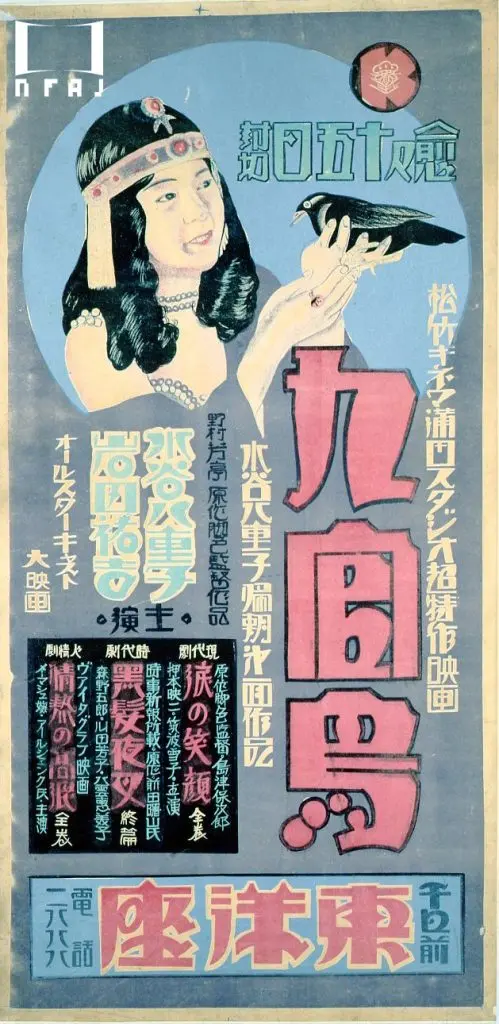
Is Kyûkanchô a film worth seeking out in today's crowded cinematic landscape? The short answer is a resounding 'yes,' but with significant caveats that demand a certain kind of viewer. Hôtei Nomura's early work, an often-overlooked entry in Japanese cinema, offers a compelling, if occasionally challenging, experience for those willing to engage with its historical context and deliberate pacing.
This film is unequivocally for cinephiles, historians, and anyone with a deep appreciation for character-driven dramas that prioritize emotional nuance over explosive plot points. It is not for audiences seeking fast-paced action, modern narrative conventions, or easily digestible entertainment. Its rewards are subtle, requiring patience and a willingness to immerse oneself in a different era of storytelling.
This film works because of its raw, empathetic performances and its unflinching look at professional integrity in the face of systemic adversity. It fails because its pacing can feel languid by contemporary standards, occasionally obscuring its profound emotional core. You should watch it if you are fascinated by the evolution of cinematic drama and the societal reflections captured in early Japanese filmmaking.
Hôtei Nomura's Kyûkanchô, a title roughly translating to 'Acting Chief' or 'Emergency Ward Chief,' immerses its audience in the demanding, often thankless world of a Japanese hospital during a period of significant societal and medical transition. The narrative pivots around Dr. Haruumi, portrayed with quiet intensity by Kiyoko Haruumi, a young, forward-thinking physician. She finds herself unexpectedly elevated to the titular role, a position fraught with both professional responsibility and personal sacrifice.
The hospital itself is a microcosm of broader societal struggles: underfunded, understaffed, and resistant to change. Dr. Haruumi's primary challenge isn't just the sheer volume of patients or the scarcity of resources, but the deeply ingrained traditionalism of her senior colleagues. Chief among them is Dr. Oshimoto, played by Eiji Oshimoto, whose performance is a masterclass in stoic, conservative resistance. He embodies the old guard, mistrustful of Haruumi's modern approaches and skeptical of a woman in a position of authority.
As an unforeseen public health crisis looms, perhaps an epidemic threatening the city, Dr. Haruumi must navigate a labyrinth of bureaucratic obstacles and personal prejudices. She strives to implement crucial sanitary reforms and adopt more efficient medical practices, often clashing with Dr. Oshimoto’s rigid adherence to established, albeit outdated, protocols. The film skillfully portrays the emotional toll of leadership, particularly when every decision carries life-or-death consequences, and every innovation is met with suspicion.
A secondary, yet equally compelling, subplot involves a young nurse, perhaps played by Eiko Takamatsu, who becomes a quiet ally to Dr. Haruumi. Their bond highlights the nascent solidarity among those pushing for progress, offering a glimmer of hope amidst the pervasive challenges. The film concludes not with a triumphant, simplistic victory, but with a nuanced portrayal of progress as a continuous, arduous struggle, leaving the audience to ponder the true cost of dedication.
The ensemble cast of Kyûkanchô is its undeniable backbone, delivering performances that, even across decades, resonate with a profound humanity. Kiyoko Haruumi, in the central role of Dr. Haruumi, carries the emotional weight of the film with remarkable grace. Her portrayal is one of understated strength, a quiet determination that speaks volumes without the need for grand gestures. Consider the scene where she confronts the hospital board, her voice steady but her eyes betraying a flicker of exhaustion – a subtle masterstroke that encapsulates her character's internal battle.
Haruumi avoids the pitfalls of melodrama, instead opting for a grounded realism that makes her struggles feel intensely personal. Her performance is a testament to the power of internal acting, a style that allows the audience to project their own understanding onto her unspoken anxieties and triumphs. It’s a performance that truly holds up.
Eiji Oshimoto, as the dissenting Dr. Oshimoto, provides a crucial counterbalance. His portrayal is not that of a simple villain, but a man deeply rooted in his beliefs, fearful of change, and perhaps, of losing his own relevance. His stern expressions and measured responses in debates with Dr. Haruumi are not just about professional disagreement; they speak to a generational clash that feels timeless. The quiet tension between Haruumi and Oshimoto is palpable, creating a dramatic friction that elevates the entire narrative. Their dynamic is the film's beating heart.
Eiko Takamatsu, likely in a supporting role as a compassionate junior nurse, offers a much-needed warmth and provides a window into the film's potential for hope. Her scenes, though perhaps brief, often serve as emotional anchors, reminding both Dr. Haruumi and the audience of the human element at the core of the medical profession. The subtle glance of encouragement she offers Dr. Haruumi after a particularly grueling meeting is a small moment, yet it speaks volumes about camaraderie and shared purpose.
Even the smaller roles, filled by actors like Debuko Kamata and Yaeko Mizutani, contribute to the film’s rich tapestry. Their brief appearances as patients or concerned family members are imbued with a quiet dignity, ensuring that the human stakes are never forgotten amidst the institutional drama. This collective commitment to authenticity prevents the film from feeling like a mere historical document, instead imbuing it with a living, breathing pulse.
Hôtei Nomura's direction in Kyûkanchô is characterized by a classical restraint, a deliberate pacing that allows scenes to breathe and emotions to simmer rather than explode. Nomura eschews flashy camera work, instead favoring thoughtful compositions that emphasize the characters' isolation or their struggle within the larger institutional framework. His use of deep focus in certain hospital corridors, for instance, visually reinforces the labyrinthine bureaucracy Dr. Haruumi must navigate.
The film’s tone is consistently somber, yet never entirely devoid of hope. Nomura masterfully balances the grim realities of illness and resistance with moments of quiet human connection. He understands that true drama often lies in the unspoken, in the subtle shifts of expression or the weight of a prolonged silence. This approach might feel slow to modern viewers accustomed to rapid cuts and overt exposition, but it rewards patience with a profound sense of immersion.
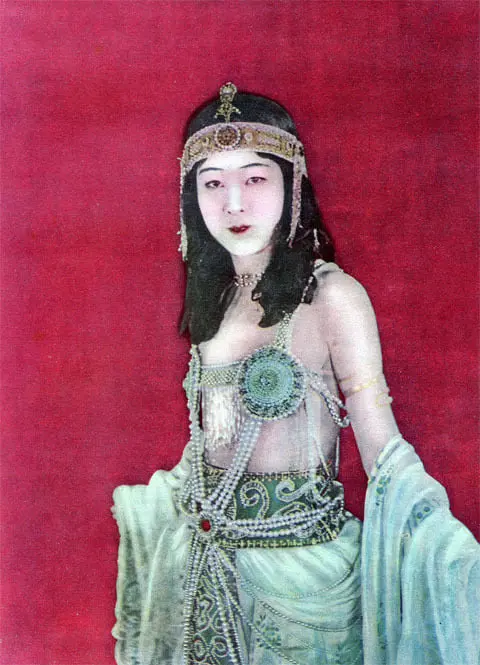
Thematic depth is where Kyûkanchô truly shines. It’s not merely a hospital drama; it’s a trenchant critique of traditionalism versus progress, a meditation on gender roles in professional spheres, and an exploration of personal sacrifice for the greater good. The conflict between Dr. Haruumi’s modern, evidence-based approach and Dr. Oshimoto’s adherence to established customs is a microcosm of Japan's own struggle with Westernization and internal reform during the era. Nomura doesn't offer easy answers, presenting both sides with a degree of understanding, even if his sympathies clearly lie with the progressive vision.
One could argue that Nomura’s subtle hand sometimes verges on ambiguity, leaving certain character motivations less explicit than a modern audience might prefer. However, this very ambiguity invites interpretation, making the film a richer experience for those who enjoy dissecting cinematic subtext. His direction is not about spoon-feeding answers but about presenting a complex world and trusting the viewer to engage with its nuances. Compared to the more overtly dramatic storytelling seen in films like A Western Wooing, Nomura's approach is distinctly internal, a quiet storm brewing beneath a calm surface.
The visual language of Kyûkanchô, while perhaps not groundbreaking in a purely technical sense, is remarkably effective in conveying the film’s mood and themes. The cinematography, likely monochrome given its era, utilizes stark contrasts between light and shadow to emphasize the often-grim realities of the hospital environment. The sterile, brightly lit operating rooms often feel like islands of hope, while the dimly lit administrative offices or patient wards convey a sense of struggle and resignation.
Consider the recurring shot of Dr. Haruumi walking alone down a long, empty corridor. This visual motif, simple yet powerful, underscores her isolation and the heavy burden she carries. It's a classic technique, but deployed here with a precision that elevates it beyond mere exposition. The camera often lingers, allowing the audience to absorb the atmosphere and the silent weight of the setting.
The set design, though seemingly utilitarian, is crucial in establishing the film’s verisimilitude. The cluttered desks, the antiquated medical equipment, the worn-out hospital beds – all contribute to a sense of authenticity, grounding the drama in a tangible reality. These details are not just background; they are active participants in the storytelling, reflecting the hospital’s struggle with resources and the era's medical limitations. The contrast between the functional, somewhat dilapidated hospital and the aspirations of its acting chief creates a visual tension that resonates throughout the film.
There's an unconventional observation to be made here: the film's visual restraint, far from being a limitation, actually enhances its emotional impact. By avoiding overt stylization, Nomura forces the audience to focus on the human faces and the subtle interactions, making the emotional stakes feel more immediate and real. It's a less-is-more approach that, in this instance, works powerfully.
Yes, Kyûkanchô is absolutely worth watching today, especially for those interested in the historical development of Japanese cinema and character-driven drama. Its enduring themes of professional integrity, the struggle for progress, and the quiet heroism of everyday people remain deeply relevant.
The film's pacing might be slower than contemporary blockbusters, but its emotional depth and the strength of its performances compensate for this. It offers a unique window into a specific historical period and the universal challenges faced by those in leadership roles.
It's not a film for a casual Friday night, but rather for a thoughtful viewing experience. It demands attention and rewards it generously.
The legacy of Kyûkanchô, while perhaps not as widely celebrated as some of its contemporaries, lies in its quiet power to transcend its immediate setting. It’s a film that speaks to universal struggles: the courage required to challenge the status quo, the weight of responsibility, and the often-lonely path of leadership. While it might not have achieved the global recognition of, say, Aelita, the Queen of Mars, its influence can be felt in the subsequent development of Japanese social realism.
Nomura's film stands as a testament to the fact that compelling drama doesn't require grand spectacles. It can be found in the quiet dignity of a dedicated doctor, the subtle clash of ideologies, and the human spirit's capacity for resilience. It reminds us that cinema's power often resides in its ability to illuminate the everyday battles that shape our world.
It resonates. It's a film that lingers in the mind, prompting reflection long after the credits roll. Its themes are timeless, even if its presentation is firmly rooted in its era.
Kyûkanchô is not a film for everyone, nor does it aspire to be. It is a contemplative, emotionally rich drama that rewards patience and intellectual engagement. Hôtei Nomura, through the exceptional performances of his cast, particularly Kiyoko Haruumi and Eiji Oshimoto, crafts a compelling portrait of professional integrity and societal friction. While its pacing might challenge those accustomed to modern narratives, its historical significance and profound thematic depth make it an essential viewing for serious students of cinema.
It works. But it’s flawed. Yet, its flaws are often overshadowed by its quiet brilliance and its enduring ability to provoke thought. If you are prepared for a journey into early Japanese cinema, one that prioritizes character and theme over rapid plot progression, then Kyûkanchô comes with a strong recommendation. It’s a valuable piece of cinematic history, offering a mirror to both a specific culture and universal human experiences.

IMDb 5
1932
Community
Log in to comment.