DbcultAccessing Vault...
Cult Review
Senior Film Conservator
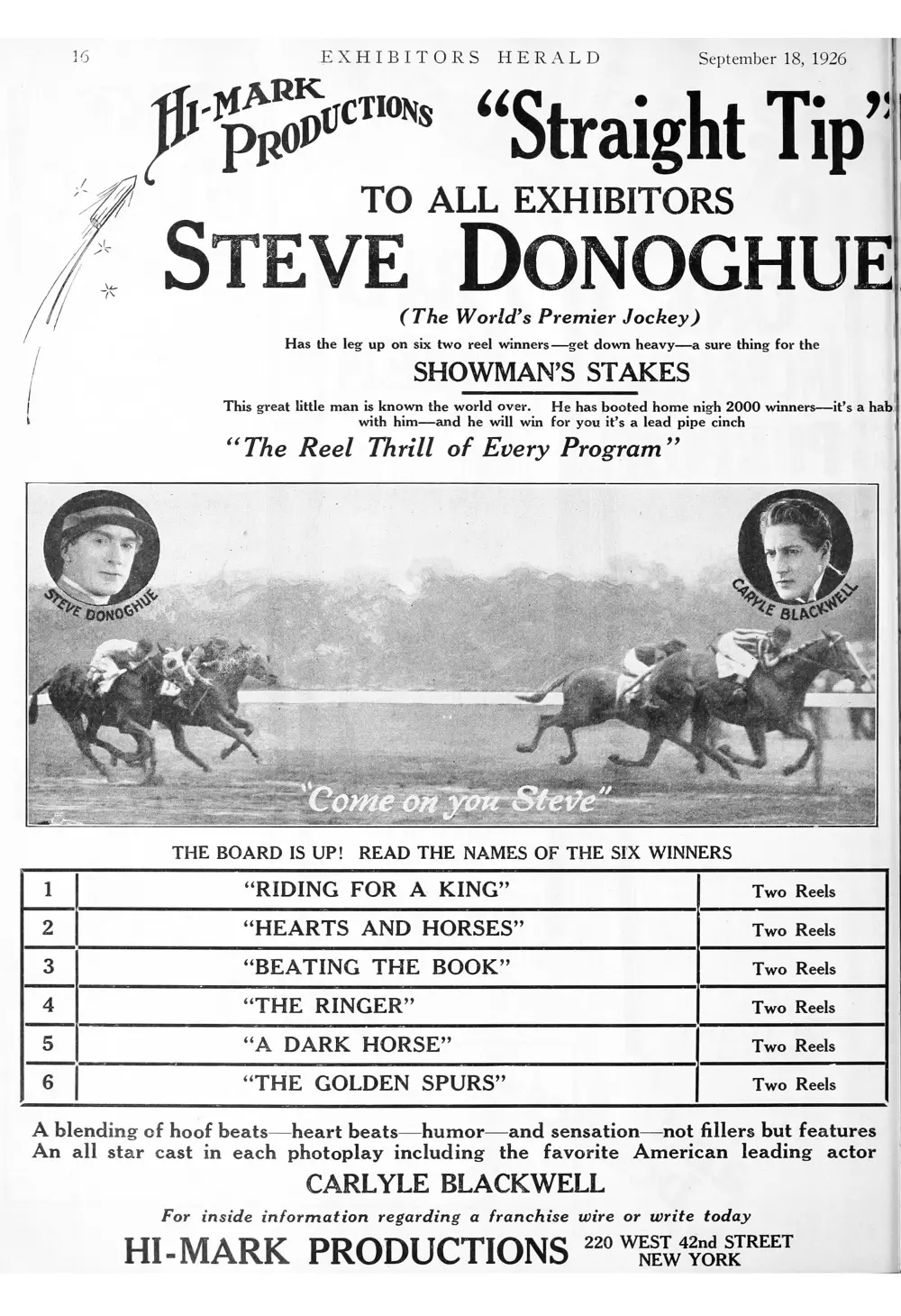
Is Beating the Book a forgotten classic or a dusty relic of a bygone sporting era? Short answer: It is a fascinating, if occasionally sluggish, historical artifact that survives primarily on the genuine charisma of its lead jockey-turned-actor.
This film is for those who appreciate the intersection of real-world celebrity and early cinema, and for viewers who find beauty in the grainy, kinetic energy of 1920s sports footage. It is definitely not for those who require a fast-paced plot or modern character development.
If you are looking for a masterpiece of narrative complexity, look elsewhere. However, if you want to see one of the greatest athletes of the 20th century, Steve Donoghue, performing at the height of his fame, this is essential viewing. It offers a window into a world where the stakes of the turf were as high as any political revolution.
1) This film works because it uses real locations and real racing footage, giving it a documentary-like weight that studio sets can't replicate.
2) This film fails because the melodramatic subplots involving the supporting cast often feel like filler between the horse sequences.
3) You should watch it if you have an interest in British social history or the evolution of the sports drama genre.
Steve Donoghue was not a trained actor, and in some scenes, it shows. But that is exactly why he is compelling. In a landscape filled with the exaggerated gestures of silent film stars like those seen in The Dawn of a Tomorrow, Donoghue provides a grounded, almost modern stillness.
There is a specific moment early in the film where he is preparing his gear in the locker room. He handles the leather and the bit with a practiced ease that no professional actor could fake. It is a small detail, but it anchors the film in reality. He isn't playing a jockey; he is a jockey existing within a fictional frame.
His performance is a stark contrast to the high-society posturing of Carlyle Blackwell. While Blackwell brings the traditional Hollywood polish, Donoghue brings the grit of the stables. This friction between the 'real' man and the 'movie' men is the film's greatest accidental strength.
Director Arthur Rooke faced a massive technical challenge: how do you capture the speed of a horse with 1926 camera technology? In many contemporary films, such as The Speeding Venus, movement is often handled through static shots that let the action pass the lens.
Rooke, however, attempts something more ambitious. During the climactic race, the camera feels remarkably close to the hooves. You can almost smell the kicked-up dirt. The editing in these sequences is surprisingly sharp, cutting between the straining faces of the crowd and the rhythmic motion of the horses.
However, Rooke struggles when the action moves indoors. The pacing drops significantly during the long dialogue-heavy scenes in the gambling dens. Without the kinetic energy of the track, the film occasionally feels as stagnant as The Flower of Faith. The horses act better than the men in these moments.
Violet Hopson is the emotional core of the film, playing the heroine with a level of intensity that balances Donoghue’s stoicism. Her performance is reminiscent of the heightened stakes found in The Branded Woman. She has a scene where she confronts James Lindsay’s villainous character that is pure silent-era gold.
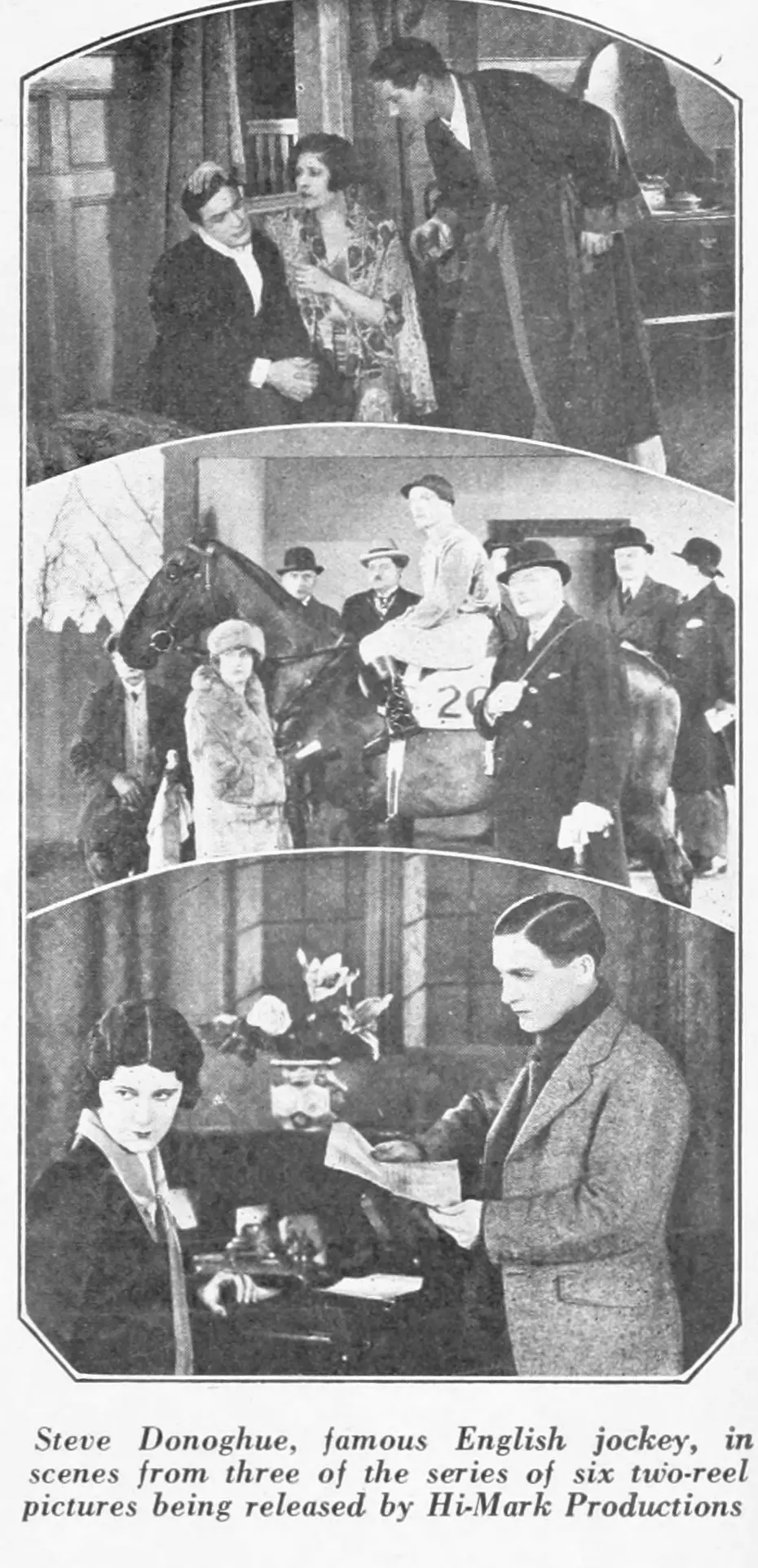
James Lindsay, as the antagonist, is almost too good at being bad. He sneers with such conviction that you half-expect him to twirl a mustache. While his performance is entertaining, it occasionally threatens to turn the film into a pantomime. This is a common issue in films of this era, such as Trapped by the Camera, where the villain's motives are paper-thin.
Clifford Heatherley provides some much-needed character work, but his role feels truncated. One gets the sense that several scenes involving the secondary characters were left on the cutting room floor to make more room for the racing footage. It was probably the right choice for the 1926 audience, but it leaves modern viewers wanting more narrative meat.
The cinematography by the uncredited camera team is the unsung hero of Beating the Book. The outdoor shots of the British countryside are luminous, capturing a world that was rapidly disappearing even then. The use of natural light in the morning gallop scenes is particularly effective, creating a sense of hope and clarity before the murky business of the betting begins.
Contrast this with the interior scenes, which are often heavily shadowed and cramped. This visual dichotomy perfectly mirrors the film's theme: the purity of the sport versus the corruption of the gambling world. It is a visual language that is much more sophisticated than the plot itself.
The pacing is the film's biggest hurdle. It starts with a sprint, meanders through a very long second act of social intrigue, and then finishes with a thunderous gallop. If you can survive the middle forty minutes, the payoff is worth it. It’s a bit like watching Empty Hands—you have to be patient to get to the good stuff.
Yes, Beating the Book is worth watching if you are interested in the history of sports on film. It captures a specific moment in British culture where the jockey was a national hero on par with any movie star. The racing sequences are genuinely thrilling, even a century later. However, if you have no patience for silent film tropes or slower pacing, you might find it a chore.
Pros:
The film features Steve Donoghue, providing a rare look at a sporting legend in action. The location shooting is excellent, and the final race is genuinely tense. It avoids some of the more saccharine tendencies of films like Little Miss Nobody.
Cons:
The script is predictable. The villain is a caricature. Some of the social commentary feels dated and heavy-handed. It lacks the visual experimentation found in more avant-garde silent films like The Living Image.
Beating the Book is a sturdy, professional piece of filmmaking that knows exactly what its audience wanted: horses and a hero. It doesn't try to reinvent the wheel, but it rolls that wheel with considerable skill. Steve Donoghue’s presence elevates a standard plot into something more significant—a piece of living history.
It works. But it’s flawed. The film is a reminder that celebrity-driven cinema is not a modern invention. We have always wanted to see our heroes on the big screen, whether they were riding horses in 1926 or wearing capes in 2024. For a film nearly a century old, the heart of Beating the Book still beats quite strongly.
IMDb —
1919
Community
Log in to comment.