DbcultAccessing Vault...
Cult Review
Senior Film Conservator
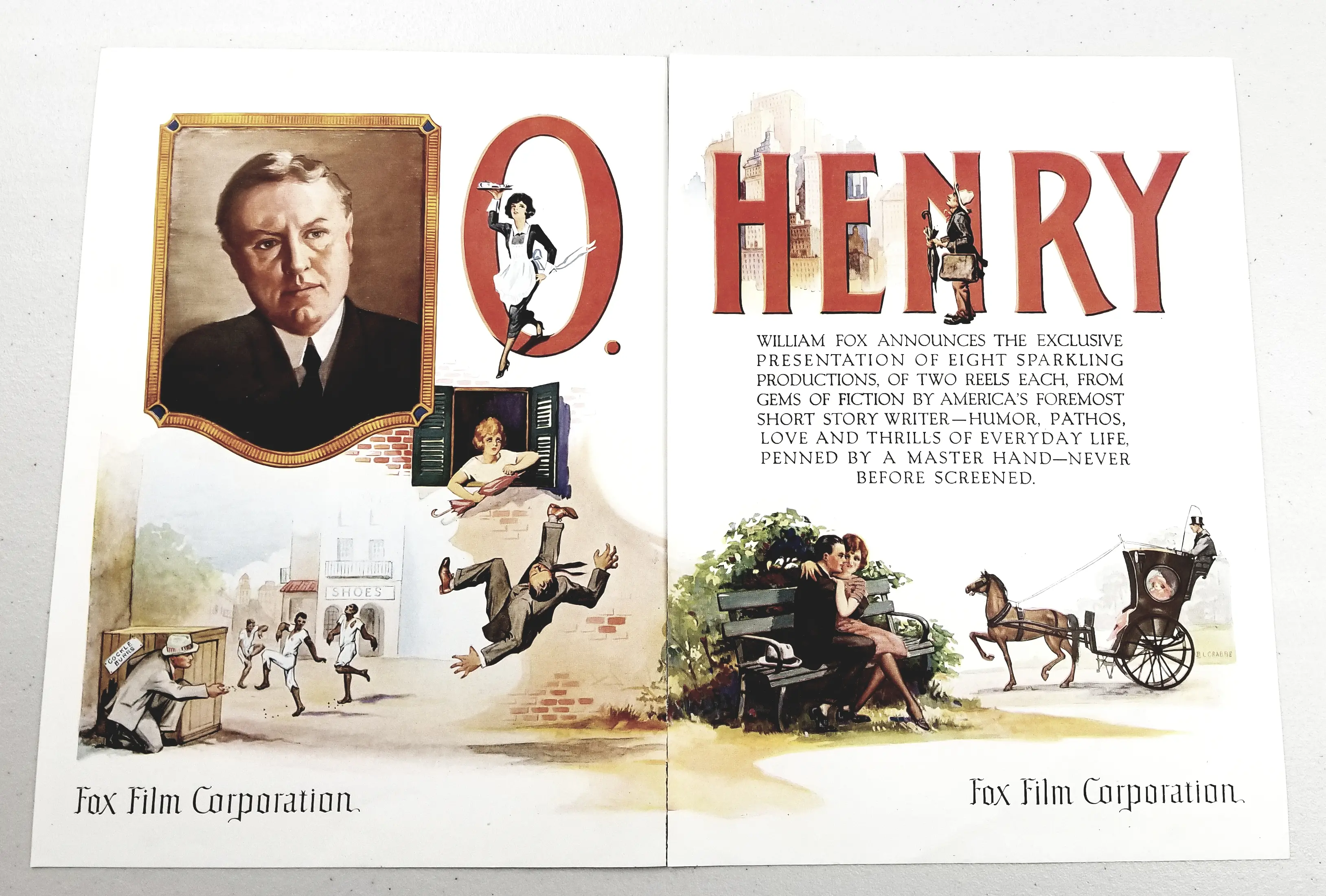
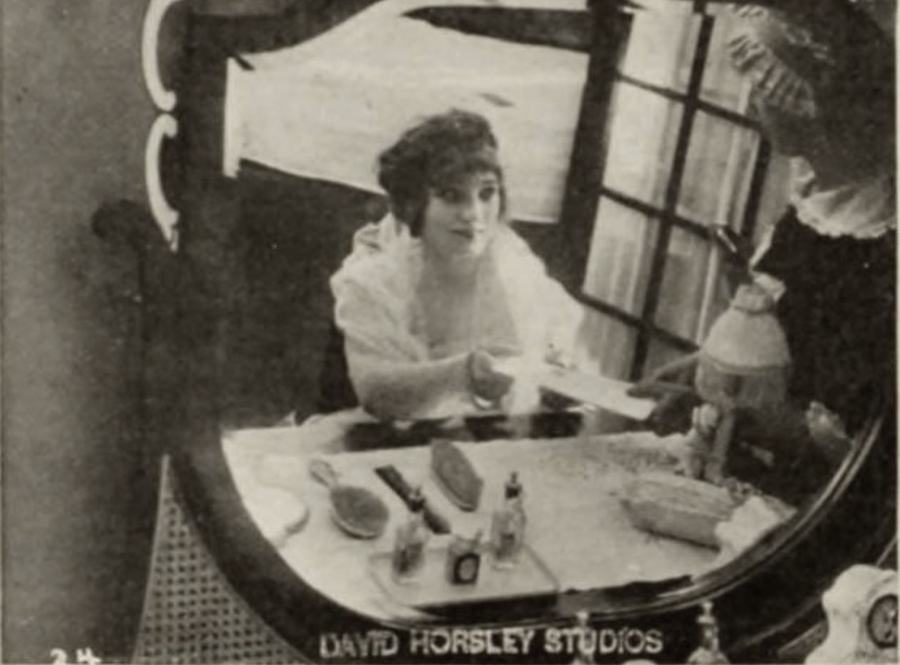
Is Transients in Arcadia worth watching today? Short answer: yes, but with significant caveats that demand a certain cinematic palate. This early silent film, adapted from an O. Henry story, offers a fascinating glimpse into the nascent stages of romantic comedy, brimming with class commentary that, surprisingly, still echoes in our modern world. It is for those who appreciate the foundational elements of narrative cinema and possess a keen interest in social satire through a historical lens. It is emphatically not for viewers seeking fast-paced action, complex character arcs, or the polished production values of contemporary filmmaking.
This film works because of its surprisingly sharp, if broadly drawn, social commentary and the enduring appeal of its central 'mistaken identity' premise. It fails because of the inherent limitations of its era, leading to a simplistic narrative execution and a visual language that can feel archaic to modern eyes. You should watch it if you are a film historian, a silent cinema enthusiast, or someone intrigued by how timeless themes of aspiration and authenticity were explored over a century ago.
At its core, Transients in Arcadia is a delightful, if somewhat predictable, exploration of social pretense and the human desire for upward mobility. We follow Mamie, a New York shop-girl whose year of meticulous saving culminates in a week-long masquerade as an aristocrat at a swanky summer resort. Her goal is simple: snag a 'Prince Charming' and escape her humble origins. This isn't just about love; it’s about a societal climb, a desperate reach for a life she believes she deserves, or at least, can convincingly mimic.
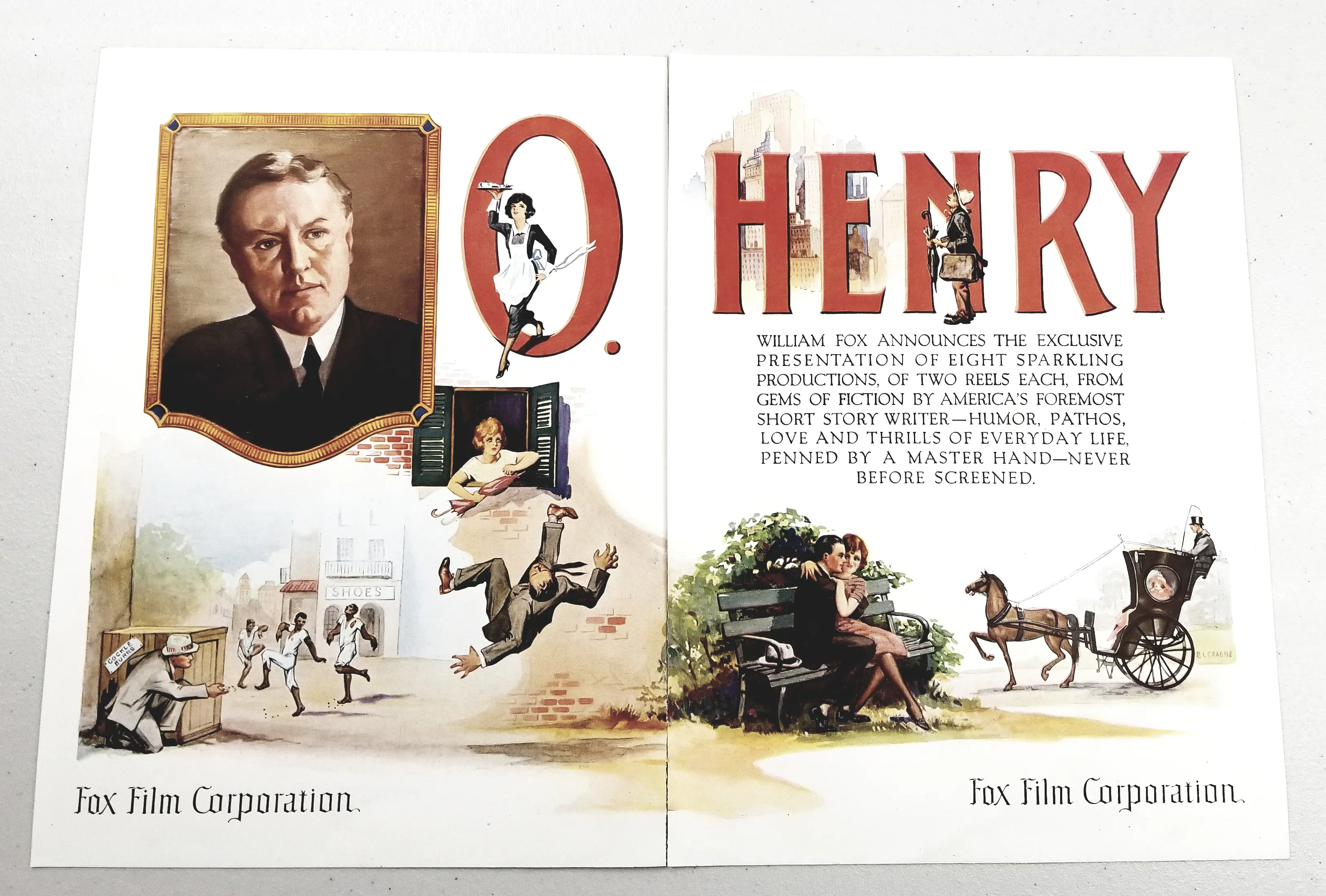
What makes the premise truly engaging, and quintessentially O. Henry, is the parallel narrative of Farrington. He’s an installment payment collector, a man whose profession inherently ties him to the economic struggles of others, yet he’s at the same resort, playing the same game. Both are imposters, both are dreamers, and both are victims of a societal structure that values appearance over substance.
The film cleverly uses the resort setting as a crucible for their deceptions, a temporary stage where everyone is performing a role, making the eventual unmasking all the more poignant and, frankly, humorous. It’s a testament to Beatrice Van’s adaptation that this underlying tension of class and aspiration remains palpable, even through the broad strokes of silent comedy.
The humor, often physical and reliant on situational irony, arises from their repeated, awkward encounters. These moments are less about witty dialogue – which, of course, is absent – and more about the visual gags and the unspoken understanding of their shared charade. The film's ultimate reveal, back in the mundane setting of Mamie’s shop, is a classic O. Henry twist, bringing their carefully constructed worlds crashing down, only to rebuild them on a foundation of genuine affection. It’s a simple story, but its simplicity allows its core message to shine through.
Marie Walcamp, as Mamie, carries much of the film’s emotional weight and comedic timing. Her portrayal is a masterclass in silent film acting, relying heavily on exaggerated facial expressions and eloquent body language to convey Mamie's hopes, anxieties, and ultimately, her genuine affection. There’s a particular scene where Mamie, attempting to maintain her aristocratic facade, struggles with a simple task, her eyes darting nervously, betraying her working-class roots. It’s a small moment, but it speaks volumes.
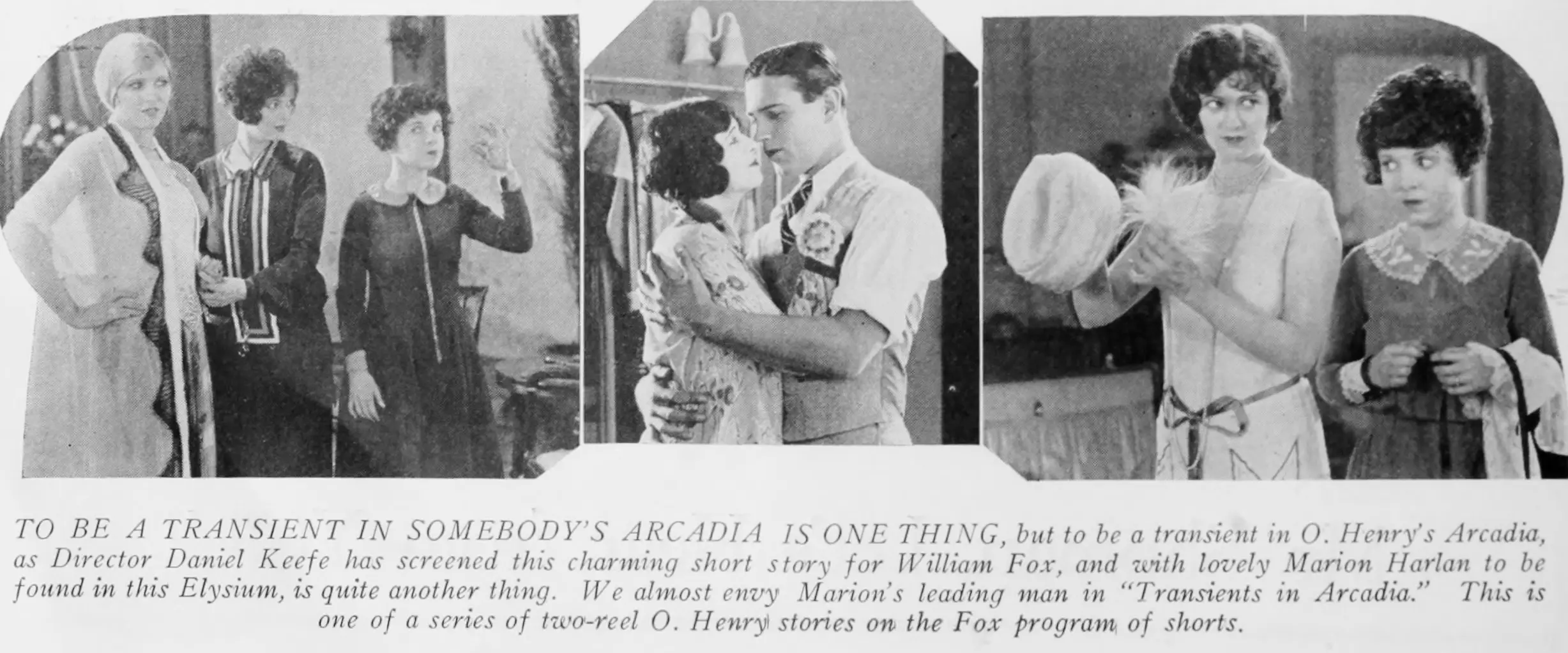
Hugh Allan, as Farrington, complements Walcamp’s performance with a nuanced blend of earnestness and comedic awkwardness. He’s not merely a handsome lead; he imbues Farrington with a palpable sense of his own vulnerability. His attempts at suave aristocracy are charmingly clumsy, making him instantly relatable. When he finally confronts Mamie in her shop, his posture shifts, his eyes convey a mix of professional duty and personal revelation. This transition is subtle, yet remarkably effective for the era.
The supporting cast, including Mary Akin, Yvonne Howell, and Anthony Merle, fulfill their roles with the expected broad strokes of silent cinema. They serve primarily as foils or comedic props, enhancing the central duo’s journey. While not groundbreaking, their contributions are essential in building the world of the resort and the shop, providing the necessary context for Mamie and Farrington’s deceptions and discoveries.
The direction of Transients in Arcadia, while uncredited, clearly prioritizes clarity and narrative efficiency, a common trait of early cinema. The camera work is largely static, focusing on proscenium-style shots that capture the full range of the actors' physical performances. This approach, while basic, ensures that the audience can easily follow the character interactions and the unfolding comedic situations. There's a particular sequence at the resort where both Mamie and Farrington are trying to avoid each other, leading to a series of near-misses and comical dodges. The director stages this with a simple elegance that maximizes the comedic impact without resorting to complex editing.
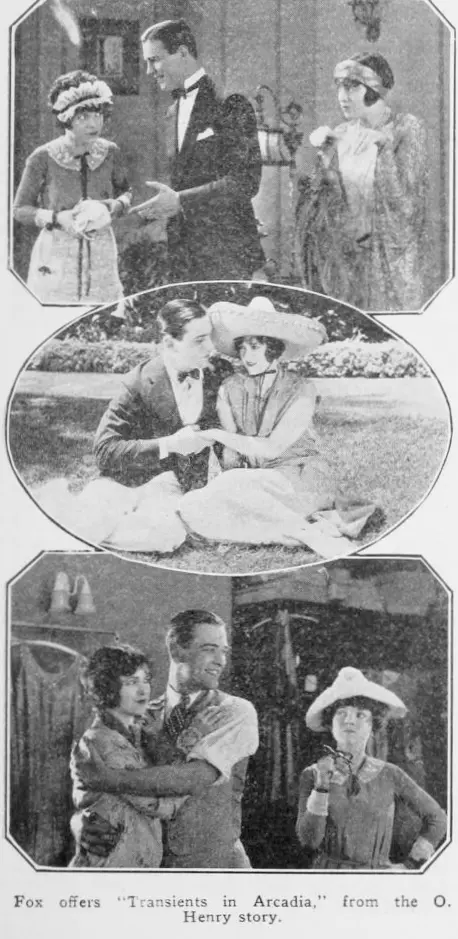
Beatrice Van's adaptation of O. Henry's short story is where the film truly shines. O. Henry's signature blend of irony, social observation, and twist endings translates remarkably well to the silent screen. Van manages to retain the essence of the story’s wit, even without dialogue. The film’s pacing, while deliberate by modern standards, effectively builds the tension of the characters’ deceptions and the inevitability of their unmasking. It's a testament to Van's understanding of both the source material and the silent film medium that the story’s core themes remain intact.
One unconventional observation is how effectively the film uses the lack of spoken dialogue to its advantage. The unspoken understanding between Mamie and Farrington at the resort, the silent recognition of their shared charade, is arguably more powerful than any dialogue could have been. It forces the audience to engage more deeply with their expressions and actions, creating a subtle layer of intimacy.
As a film from the early 20th century, the cinematography of Transients in Arcadia is, by modern standards, rudimentary. Shot on black and white film, it relies on natural light or basic studio lighting to illuminate its scenes. There are no elaborate camera movements or sophisticated visual effects. Yet, within these constraints, the film manages to tell its story effectively. The visual storytelling is driven by staging and performance.
The costume design is particularly noteworthy, especially in contrasting Mamie’s humble shop-girl attire with her elaborate, if slightly ill-fitting, resort wear. These visual cues are crucial in establishing the class distinctions and the characters' attempts to transcend them. The opulence of the resort is conveyed through set dressings and the sheer number of extras, creating a sense of a bustling, aspirational world.
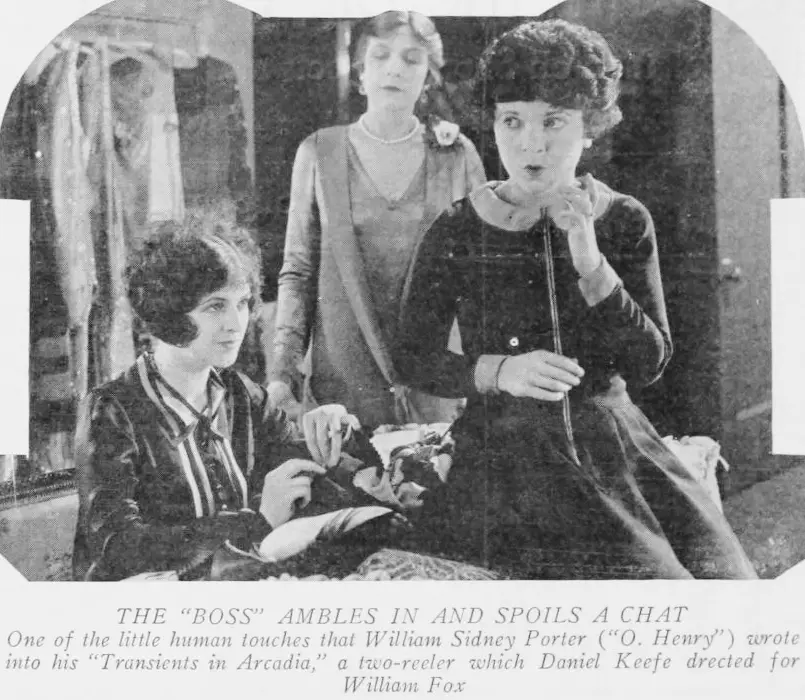
While it won't win awards for its visual flair, the film serves as an invaluable historical document, showcasing the visual language of its time. Comparing it to something like A Small Town Idol, one can see the evolving techniques, but Transients in Arcadia maintains a charming simplicity that is its own strength. It's raw. It's direct. It works.
The pacing of Transients in Arcadia is deliberate, characteristic of silent films, allowing scenes to unfold at a measured rhythm. This isn't a film designed for instant gratification; it requires patience and an appreciation for a slower narrative build. The humor is gentle, leaning into the ironic and the observational rather than slapstick. There’s a quiet charm to its comedic incidents, such as when Mamie and Farrington nearly expose each other multiple times but are saved by circumstance.
The tone is consistently lighthearted, even with the underlying themes of class struggle and deception. The film never delves into heavy drama, preferring to maintain a buoyant, romantic-comedy sensibility throughout. This light touch is essential to its appeal, ensuring that the characters' deceptions are seen as endearing follies rather than malicious acts. It’s a feel-good film, even a century later, proving that certain narrative structures and emotional beats are truly timeless.
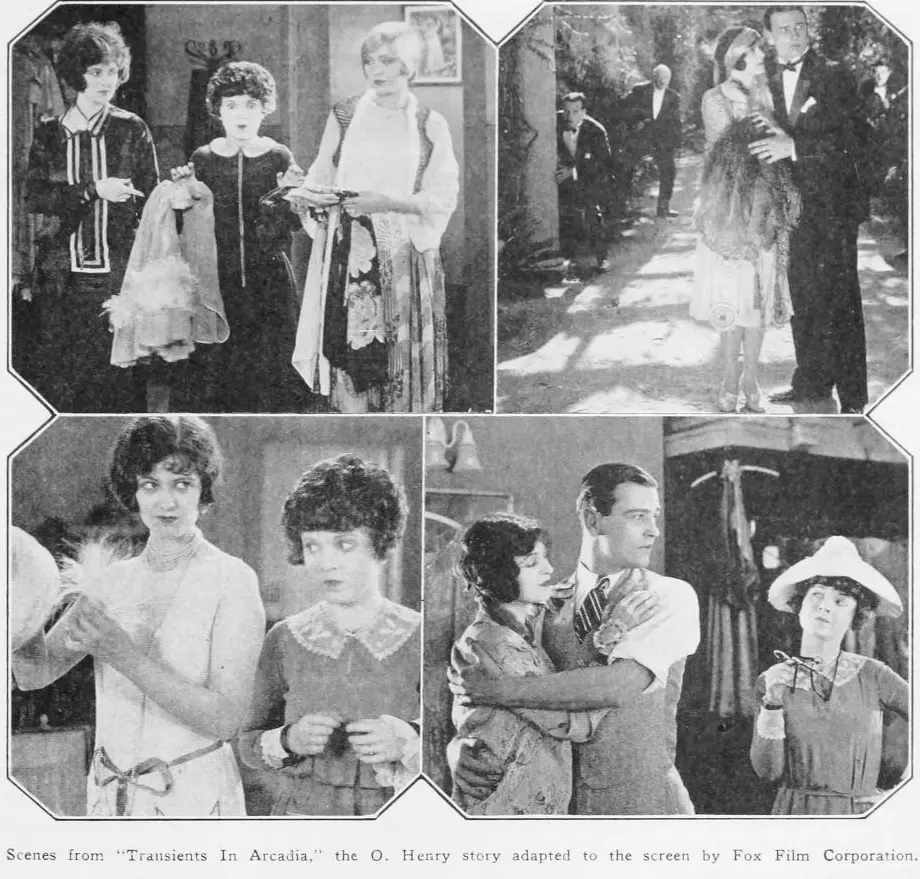
The most enduring aspect of Transients in Arcadia is its exploration of authenticity versus aspiration. Mamie and Farrington are both trying to be someone they're not, driven by the belief that a different social status will bring them happiness and love. This theme resonates powerfully even today, in an age of social media where curated identities often overshadow true selves. The film subtly critiques the superficiality of high society while simultaneously acknowledging the very human desire to escape one's circumstances.
The film argues that true connection emerges not from shared pretense, but from shared vulnerability and honesty. Their love story blossoms only when their facades crumble, revealing their true, working-class selves. This message, delivered with such elegant simplicity, is what elevates the film beyond a mere historical curiosity. It’s a reminder that genuine affection thrives on truth, a powerful and debatable opinion in a world often obsessed with external validation.
Another film that touches on similar themes, albeit with a different tone, is The Gilded Youth, which also explores the pressures and pitfalls of social climbing. Transients in Arcadia offers a more optimistic take, suggesting that humility and honesty ultimately lead to a more fulfilling happiness.
Yes, Transients in Arcadia is worth watching for specific audiences. It provides a valuable window into early cinematic storytelling. It showcases the enduring appeal of O. Henry's narrative style. It explores universal themes of class and identity. It is a foundational piece in the romantic comedy genre. It's a charming, if simple, viewing experience. Expect a slower pace and silent film conventions. Do not expect modern production values or complex character arcs.
Transients in Arcadia is more than just a historical artifact; it's a foundational piece of romantic comedy that still holds a surprising amount of charm and relevant social commentary. While its technical limitations and deliberate pacing might deter some, those willing to engage with its silent language will find a delightful, witty, and ultimately heartfelt story about finding love when you least expect it, and perhaps, when you are most truly yourself. It's not a cinematic revelation, but it is a thoroughly enjoyable and important piece of film history. It works. But it’s flawed. For its historical significance and pioneering spirit in the genre, I give it a solid recommendation for the right audience. It’s a quiet triumph of early storytelling, demonstrating that even a century ago, the human heart’s desires for love and belonging were fertile ground for cinematic exploration. Don't expect fireworks, but do expect a warm, knowing smile.
IMDb —
1919
Community
Log in to comment.