DbcultAccessing Vault...
5.2/10
Senior Film Conservator
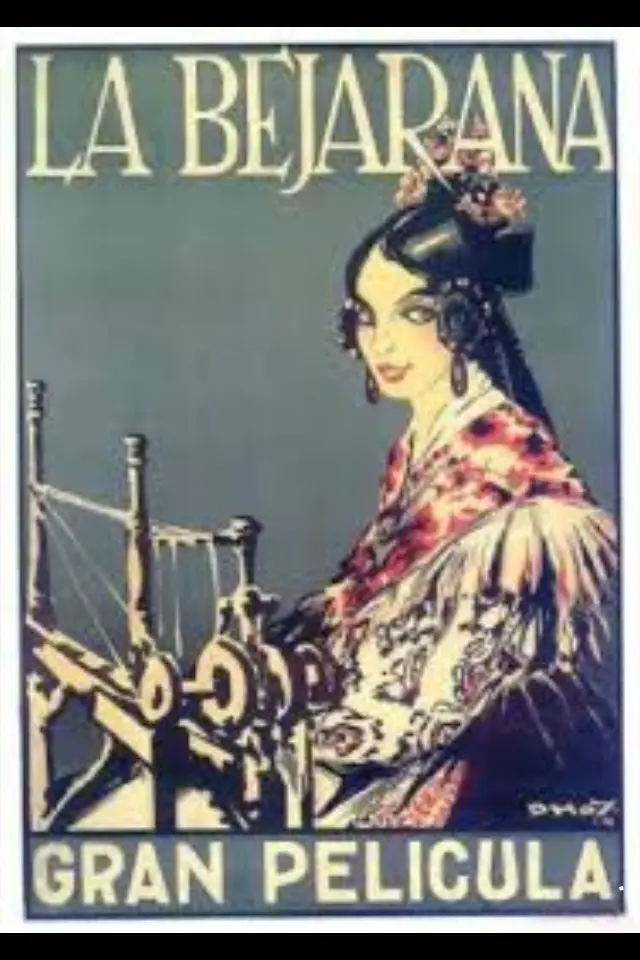
A definitive 5.2/10 rating for a film that redefined the boundaries of cult cinema. La bejarana remains a cornerstone of transgressive art.
Short answer: Yes, but it's a film that rewards close attention and a deep appreciation for the nuances of character development and cultural history. If you're interested in seeing a rich, authentic portrayal of a woman's journey in 1920s Spain, this film is a must-watch. If you're looking for a fast-paced, action-packed film, you might not find it here.
La bejarana is a 1925 Spanish film that tells the story of a young woman's transition from a small village to the vibrant and complex world of Seville. The film, directed by Eusebio Fernández Ardavín, is a testament to the period's cultural and social dynamics, blending historical accuracy with a deeply personal narrative. María Luz Callejo stars as the titular character, a young woman who dreams of becoming a singer and leaves her rural home to pursue that dream in the city.
The film's director, Eusebio Fernández Ardavín, handles the narrative with a steady hand, allowing the story to unfold naturally without resorting to overt manipulation. The pacing is slow, but it serves the film's purpose of immersing the audience in the character's journey. The screenplay, co-written by Eusebio Fernández Ardavín and Luis Fernández Ardavín, is rich with cultural detail and historical context, making the film feel both authentic and educational.
María Luz Callejo gives a nuanced and heartfelt performance as the protagonist. Her transition from the simplicity of the village to the complexities of the city is both believable and moving. Celia Escudero also stands out as a supporting character, adding depth and authenticity to the ensemble cast. The supporting actors, including Ángel del Río and Taquinino, bring a sense of realism and groundedness to their roles, contributing to the film's overall authenticity.
The cinematography by Juan Ramón Fernández is a highlight of the film. The scenes set in Seville are particularly striking, with their vibrant colors and dynamic compositions. The film's visual style is both period-appropriate and aesthetically pleasing, enhancing the storytelling without overpowering it. The use of natural settings and period-appropriate costumes helps to transport the audience to the 1920s, making the film feel both historical and timeless.
The film's soundtrack is simple yet effective, with traditional Spanish music playing a crucial role in setting the mood and enhancing the cultural atmosphere. The score, while not extensive, is well-chosen and complements the film's period setting. The music helps to create a sense of nostalgia and authenticity, contributing to the film's overall immersive experience.
Short answer: Yes, but it's a film that requires a certain level of engagement and appreciation for the slow, detailed storytelling. This film is a journey, and it rewards those who are willing to invest time and emotional energy into it. It's not a film that will keep you on the edge of your seat, but it is a film that will stay with you long after it's over.
La bejarana is a film that works because of its authenticity, strong performances, and beautiful cinematography. It fails because of its slow pacing, which may not appeal to all viewers. You should watch it if you're interested in a deeply personal and culturally rich narrative set in 1920s Spain. It's a film that rewards close attention and a deep appreciation for the nuances of character development and cultural history.
IMDb 7.2
1920
Community
Log in to comment.