DbcultAccessing Vault...
7.3/10
Senior Film Conservator
A definitive 7.3/10 rating for a film that redefined the boundaries of cult cinema. La Cigale et la Fourmi remains a cornerstone of transgressive art.
Is Wladyslaw Starewicz's 1924 stop-motion short, La Cigale et la Fourmi, worth watching today? Short answer: yes, absolutely, but with significant caveats that temper its universal appeal.
This film is an essential historical artifact for animation enthusiasts and film scholars, offering a rare glimpse into the nascent art form. However, general audiences seeking modern narrative pacing or sophisticated character development might find its deliberate, almost academic rhythm a considerable hurdle.
This film works because of its groundbreaking technical artistry and its surprisingly complex moral ambiguity, elevating a simple fable into something more profound than mere didacticism.
This film fails because its narrative simplicity, while charming and historically significant, lacks the emotional resonance and intricate character arcs contemporary audiences often demand, and its pacing can feel glacial by modern standards.
You should watch it if you appreciate the foundational moments of cinema, have a keen interest in the evolution of stop-motion animation, or enjoy allegorical storytelling that challenges simplistic interpretations without overt sentimentality.
Wladyslaw Starewicz was not merely adapting Aesop; he was reinterpreting it through the nascent, enchanting medium of stop-motion animation, injecting it with a nuanced visual language that complicates the fable's traditional, black-and-white morality. The original tale often serves as a straightforward lesson in the virtues of hard work and foresight against the vices of idleness and impulsiveness. Starewicz, however, offers something far richer, blurring the lines between industriousness and obsession, artistry and impracticality.
The Ant, in Starewicz’s vision, is more than just a diligent worker; it’s an architect, a builder of “vast palaces for the colony,” suggesting a drive that borders on the monumental, perhaps even a touch of grandiosity. Its labor isn't just about survival; it's about conquest of its environment, a relentless accumulation that hints at an almost capitalist zeal. This ant isn't just saving; it's building an empire, fending off formidable beetles with a tenacity that borders on the obsessive.
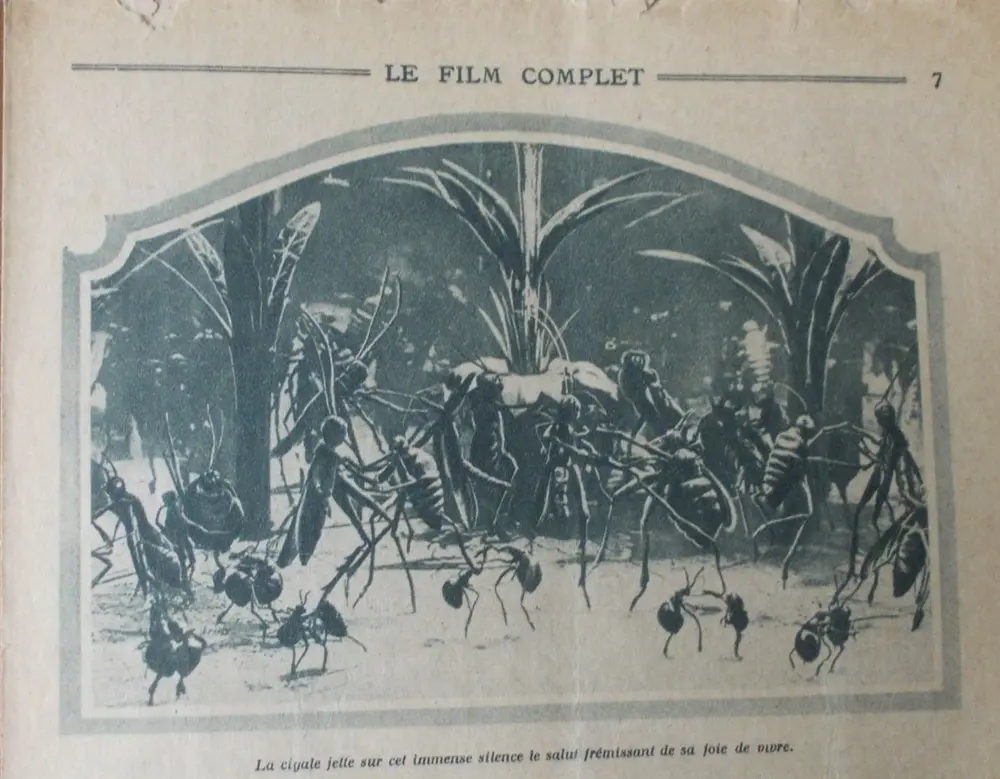
Conversely, the Cicada isn’t merely lazy. It is presented as an artist, a performer in a bustling, vibrant club filled with other insects, drinking and dancing. This isn't just frivolous play; it's a celebration of life, a contribution to the cultural fabric of its community, however transient. The cicada embodies a carpe diem philosophy, finding joy and connection in the present moment, a stark contrast to the ant's future-oriented paranoia. This portrayal challenges the viewer to question whether a life dedicated solely to future security is truly superior to one lived fully in the present, even if it carries inherent risks.
The film's denouement, where the Ant takes the destitute Cicada into its home, is particularly potent. On the surface, it’s an act of profound charity, a testament to compassion. Yet, it also carries an unsettling undertone. Is it genuine benevolence, or a subtle display of power, a victor's magnanimity? The Ant, having secured its position, now dictates the terms of the Cicada's survival. This isn't just a happy ending; it's a complex resolution that invites uncomfortable questions about dependency, obligation, and the true cost of generosity.
Wladyslaw Starewicz, often hailed as the father of puppet animation, showcases his unparalleled mastery in La Cigale et la Fourmi. Filmed in 1924, this short film is a technical marvel, especially considering the nascent state of animation technology. Starewicz’s genius lies not just in the painstaking process of animating each frame, but in his ability to imbue his insect puppets with startlingly lifelike movements and distinct personalities.
The fluidity of the Ant's movements as it meticulously carries grains of food or engages in battle with the cumbersome beetles is astonishing. Each limb, each antenna, seems to move with purpose and weight, defying the inanimate nature of the puppet. Similarly, the Cicada's theatrical gestures while playing its instrument, or its slumped posture in the bitter cold, convey emotion with remarkable clarity. Starewicz's understanding of insect anatomy and behavior is evident throughout, lending an almost documentary-like authenticity to the fantastical narrative.
The sets themselves are characters in their own right. The opulent, yet slightly chaotic, insect club where the Cicada performs is teeming with intricate details: tiny tables, miniature bottles, and a diverse array of insect patrons. It feels like a genuine, lived-in space. Contrast this with the Ant's subterranean palaces – vast, organized, and somewhat sterile, reflecting the Ant's meticulous nature. This meticulous set design, combined with Starewicz's precise direction, creates a rich, immersive world that transcends the film's brief runtime. It’s a testament to the power of practical effects and visionary craftsmanship, setting a benchmark for future animators, including those who would later contribute to works like The Voice of Destiny in its own era of cinematic innovation.
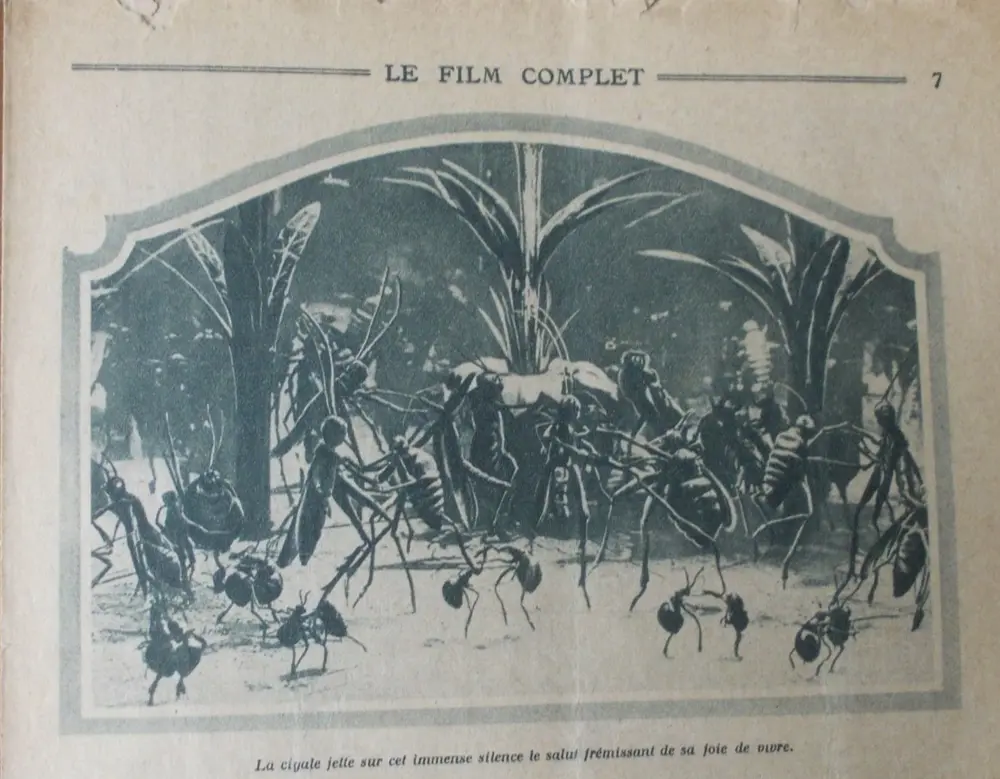
The central conflict in La Cigale et la Fourmi is not merely between two insects, but between two fundamental approaches to life. The Ant represents the Protestant work ethic personified: delayed gratification, relentless productivity, and a pragmatic focus on future security. Its life is one of constant toil, a battle against nature and rival insects, culminating in the creation of a secure, if perhaps joyless, existence. The Ant's stoicism is almost admirable, yet one cannot help but feel a certain coldness, a lack of spontaneous joy in its industriousness.
The Cicada, by contrast, embodies the artistic temperament, the epicurean philosophy. Its existence is defined by melody, merriment, and the ephemeral pleasures of the moment. It is a creature of passion and community, finding solace and expression in its music and the camaraderie of its fellow insects. Its ultimate downfall is a direct consequence of its refusal to acknowledge the harsh realities of the natural world, yet its spirit, even in destitution, retains a certain tragic nobility.
The film's genius lies in its refusal to entirely condemn one or praise the other. While the traditional fable would unequivocally side with the Ant, Starewicz's visual storytelling invites empathy for the Cicada. The vibrant scenes of the club are far more engaging and lively than the Ant's solitary labors. The implicit question posed is: what is the true measure of a life well-lived? Is it the accumulation of resources, or the accumulation of experiences and joy? The resolution, where the Ant provides refuge, doesn't erase this moral dilemma; it merely postpones it, establishing a new dynamic of power and dependence that is far from straightforward.
Even in black and white, La Cigale et la Fourmi possesses a rich visual language, a testament to Starewicz's understanding of cinematic composition. The 'cinematography' of this stop-motion film is remarkable, particularly in its use of scale and depth. Starewicz masterfully creates a believable world for his tiny protagonists, often employing forced perspective and carefully constructed sets to give a sense of vastness to the insect domain.
Consider the contrasting environments: the Ant's underground tunnels, dark and labyrinthine, conveying a sense of tireless, almost claustrophobic, industry. The framing here often emphasizes the solitary nature of the Ant's labor. Then there's the Cicada's club, a bustling, smoke-filled (implied) space, where the camera seems to dance with the revelers, capturing the energy and communal spirit. The detailed miniature props – the tiny instruments, the glasses – all contribute to the immersive quality, akin to the detailed world-building seen in films like Fig Leaves, albeit in a different genre.
The sequence where the Ant fends off beetles is a particularly strong example of Starewicz's directorial prowess. The beetles are depicted as genuinely menacing, their size and clumsy movements creating a tangible threat. The Ant's defensive maneuvers are quick and decisive, lending a sense of real peril and heroism to its struggle. The use of close-ups on the insects' faces, however primitive, attempts to convey their expressions, drawing the viewer into their miniature drama. This attention to visual detail and dramatic staging elevates the film beyond a mere technical exercise into a compelling piece of storytelling.
The pacing of La Cigale et la Fourmi is undeniably deliberate, a characteristic common to early cinema. For contemporary audiences accustomed to rapid-fire editing and constant narrative propulsion, the film's measured rhythm might initially feel slow, even challenging. Yet, this unhurried pace allows the viewer to truly appreciate the painstaking artistry of each frame, to observe the intricate movements of the puppets, and to absorb the allegorical weight of the story without distraction.
The tone is largely observational and melancholic, particularly as winter descends upon the Cicada. There's a certain unsentimental realism, despite the fantastical premise, in how Starewicz portrays the consequences of the Cicada's choices. However, moments of levity and joy punctuate the narrative, primarily within the vibrant club scenes, offering a dynamic contrast. It works. But it’s flawed in its appeal to the modern, impatient eye.
Its lasting impact on animation history cannot be overstated. Starewicz’s techniques and his ability to imbue inanimate objects with life laid critical groundwork for generations of animators. From a thematic perspective, the film's nuanced take on an age-old fable continues to provoke thought, proving that even a simple story, when told with vision and artistry, can resonate across decades, challenging viewers to look beyond simplistic moralizing.
Yes, La Cigale et la Fourmi is absolutely worth watching today, especially for specific audiences. It is a vital piece of cinematic history.
It offers an unparalleled look into the pioneering days of stop-motion animation.
However, it demands patience from its viewers.
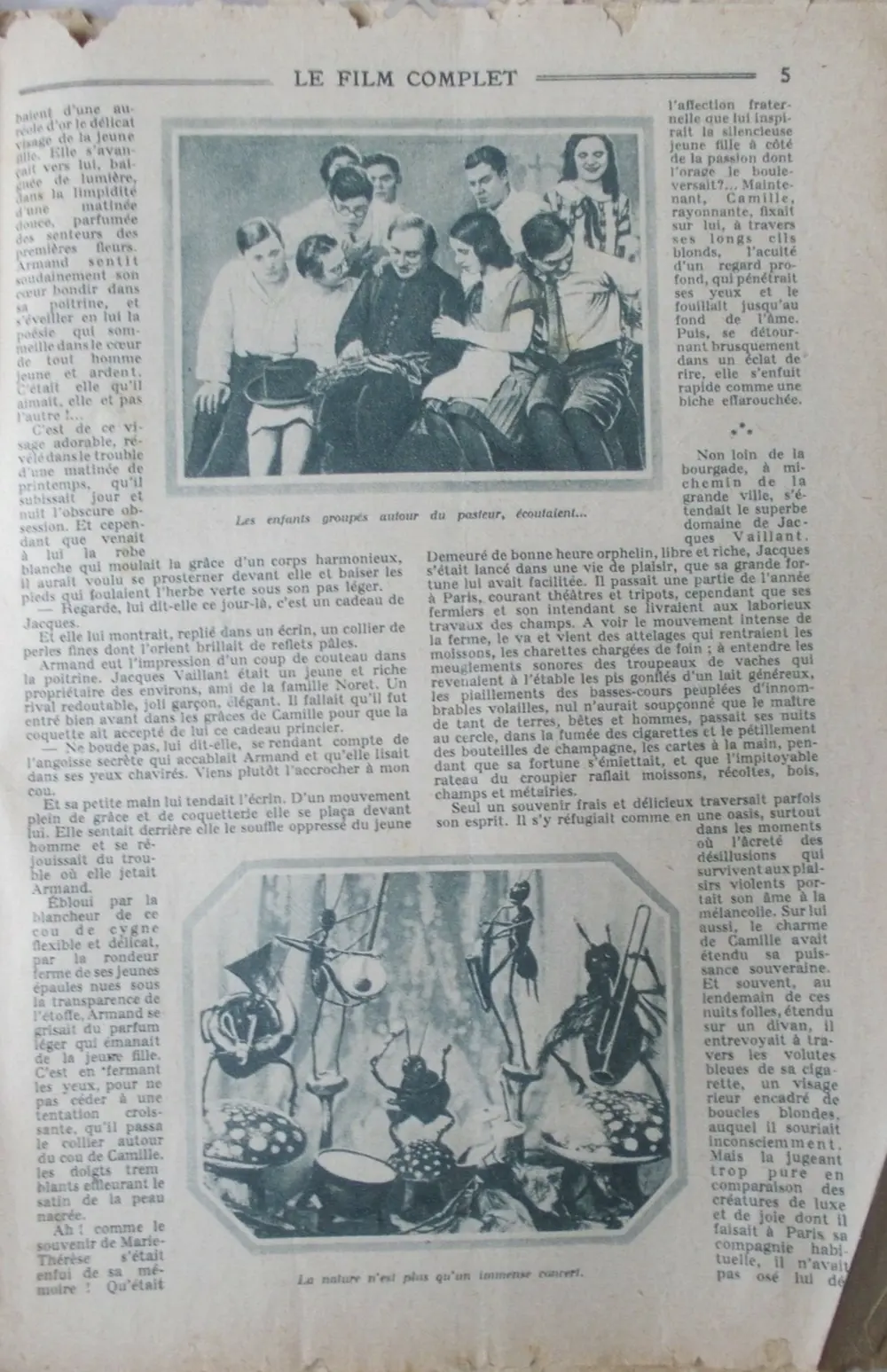
It is not a film for those seeking fast-paced entertainment or complex plot twists.
It is for those who appreciate the artistry and historical significance of early cinema.
Revolutionary stop-motion animation for its era.
Visually rich and detailed miniature sets.
Nuanced reinterpretation of a classic fable.
Significant historical importance in cinema and animation.
Engages viewers in philosophical questions about life choices.
Pacing can feel very slow by modern standards.
Narrative simplicity may not satisfy all audiences.
Limited character depth due to the short format and allegorical nature.
Lack of dialogue might be a barrier for some viewers.
Wladyslaw Starewicz's La Cigale et la Fourmi is far more than a simple animated short; it is a profound piece of cinematic history that continues to resonate with surprising depth. While its deliberate pace and straightforward narrative might test the patience of a modern audience, its technical brilliance and the philosophical questions it poses are undeniable. It stands as a testament to the power of early animation and the enduring genius of Starewicz, offering a complex, almost unsettling, reinterpretation of a fable we thought we knew. It’s an essential watch for anyone serious about film, animation, or the art of storytelling, even if it requires a shift in viewing expectations. This isn't just a film; it's a foundational text, a vibrant, if slow-burning, spark that ignited an entire art form. It demands respect, and rewards it with a unique, thought-provoking experience.
IMDb —
1919
Community
Log in to comment.