DbcultAccessing Vault...
Cult Review
Senior Film Conservator
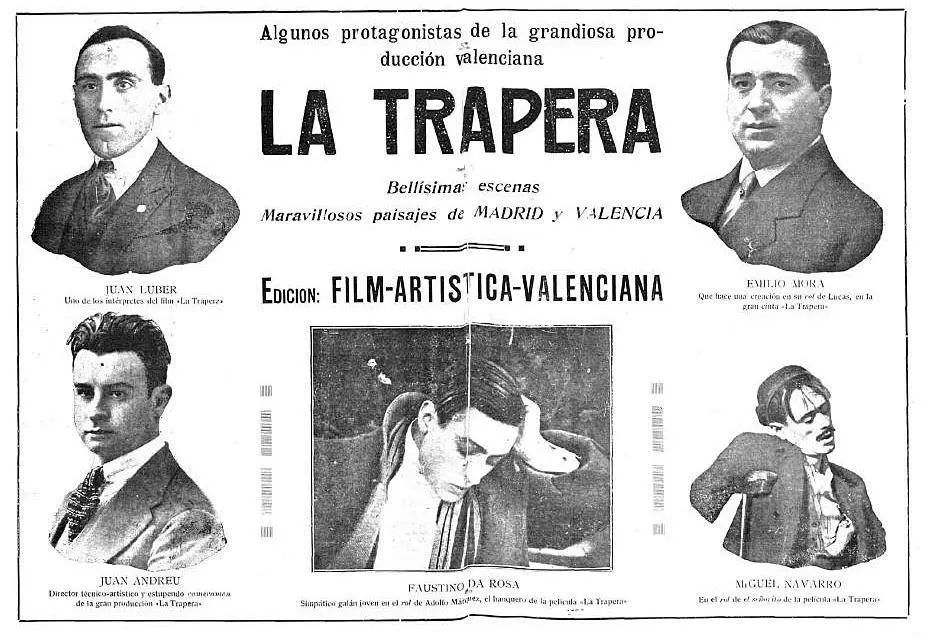
Is 'La drapaire' a cinematic relic best left to historians, or does it hold a surprising relevance for contemporary audiences? Short answer: yes, it absolutely warrants your attention, but temper your expectations for a fast-paced narrative. This film is a profound experience for those who appreciate the quiet power of early cinema, the meticulous art of character study, and a story that prioritizes thematic depth over spectacle. However, it is decidedly not for viewers seeking modern pacing, clear-cut resolutions, or overt action.
It demands patience, rewarding it with a rich tapestry of human emotion and societal observation that feels remarkably prescient even a century later. You’ll find yourself drawn into a world where craft, dignity, and personal conviction are pitted against the impersonal forces of change.
To approach 'La drapaire' (The Draper) is to step back into a formative period of filmmaking, a time when narrative conventions were still being sculpted and the expressive power of the moving image was being discovered. Directed by Luis Mariano de Larra, this film, though perhaps lesser-known than some of its contemporaries like Hamlet (1917) or even the more adventurous The Amazons, presents a deeply human story that transcends its historical context. Its focus on the artisan, Mateo, played with an understated brilliance by Faustino da Rosa, grounds the film in a universal struggle: the fight for integrity in a world increasingly valuing efficiency over artistry.
The film works because it understands the silent language of labor and the dignity inherent in creation. It fails, perhaps, in its deliberate, almost languid pacing, which might alienate viewers accustomed to more immediate gratification. You should watch it if you are fascinated by the intersection of personal struggle and societal evolution, and if you have an appreciation for cinema that builds its emotional resonance through subtle gestures and evocative imagery rather than dialogue or overt plot twists.
"'La drapaire' is a testament to the quiet power of early cinema, a film that speaks volumes without uttering many words, reminding us that true artistry often lies in the details."
Faustino da Rosa's portrayal of Mateo is the undeniable anchor of 'La drapaire'. He embodies the character with a stoic grace, his eyes conveying a depth of emotion that belies the film's silent nature. His hands, constantly at work with fabric, become an extension of his soul, communicating his dedication, his frustration, and his quiet despair more eloquently than any intertitle could. There's a particular scene where Mateo meticulously re-drapes a piece of fabric after a customer has carelessly handled it, a small gesture that powerfully illustrates his reverence for his craft. This moment, simple as it is, speaks volumes about his character's internal world and his unwavering principles.
Dolores Fora, as Elena, provides a compelling counterpoint to Mateo’s traditionalism. Her character embodies the burgeoning modernity, a woman with a pragmatic outlook yet an underlying respect for Mateo’s artistry. Fora brings a vibrant energy to the screen, her movements and expressions hinting at a yearning for a life beyond the confines of the draper’s shop. Her chemistry with da Rosa is subtle, built on glances and unspoken understandings, which feels more authentic than any grand romantic declaration might have. This nuanced interaction is far more engaging than the more overt romantic entanglements seen in films like Blind Love, which often leaned into melodrama.
The supporting cast, including Pepín Fernández, Gambarino, Manuel González, and Amparo Ferrer, each contribute essential textures to the film’s fabric. Pepín Fernández, in particular, as a rival merchant, manages to convey ambition and a touch of ruthlessness without resorting to caricature. His performance highlights the encroaching commercialism that Mateo so steadfastly resists. These actors, working within the constraints of early cinema, master the art of visual storytelling, relying on posture, gesture, and facial expression to convey complex internal states.
Luis Mariano de Larra, along with co-writer Pepín Fernández, crafts a narrative that is surprisingly rich in its thematic scope, considering the technical limitations of the era. De Larra's direction is characterized by a thoughtful restraint, allowing scenes to unfold at a natural, unhurried pace. He trusts his actors to convey emotion and his audience to interpret it, a directorial choice that feels audacious in its simplicity. His use of close-ups, particularly on Mateo’s hands or the intricate patterns of fabric, is effective in drawing the viewer into the artisan’s world, emphasizing the beauty and complexity of his work.
There's a scene where Mateo is inspecting a bolt of fabric under natural light, his fingers tracing the weave. De Larra holds the shot, allowing the audience to appreciate the texture and the artisan’s focused gaze. This sustained attention to detail elevates the mundane into the poetic. This approach contrasts sharply with the broader, more theatrical directing styles often seen in films of this period, such as Officer 666, which relied more on comedic timing and exaggerated gestures.
De Larra’s ability to evoke a sense of impending change without explicit exposition is commendable. The subtle visual cues, like the occasional glimpse of new, bustling factories in the background or the changing fashion of the city, serve as a constant reminder of the forces at play against Mateo’s traditionalism. It's a directorial hand that guides rather than dictates, inviting viewers to ponder the implications of progress and loss.
The cinematography in 'La drapaire' is surprisingly sophisticated for its time. The use of natural light, particularly within Mateo’s workshop, creates an almost painterly quality, highlighting the textures of the fabrics and the dust motes dancing in the sunbeams. The black and white palette is utilized to its full potential, with stark contrasts and subtle gradations of grey adding depth and atmosphere to every frame. The film doesn't just show you a draper's shop; it immerses you in its tactile world.
The art direction, though likely constrained by budget, is meticulously crafted. The set of Mateo’s workshop feels authentic, filled with bolts of fabric, measuring tools, and the quiet clutter of a working artisan. It’s a space that reflects Mateo’s character – orderly, dedicated, and steeped in tradition. This attention to environmental detail helps to build a believable world, a crucial element in silent cinema where visual cues carry so much narrative weight. The contrast between Mateo's shop and the more modern, less personal storefronts glimpsed in the city scenes is particularly effective, visually reinforcing the film's central conflict.
One striking visual is a montage of hands working – cutting, sewing, folding – which serves as a powerful metaphor for the beauty and labor of craftsmanship. It's a simple yet profound technique that elevates the film beyond a mere story into a meditation on the nature of work itself. This focus on the visual narrative stands out even when compared to other character-driven dramas of the period, like The Forbidden Lover, which often relied more heavily on dramatic intertitles.
'La drapaire' is a film that takes its time. Its pacing is deliberate, almost meditative, mirroring the meticulous nature of Mateo’s craft. This slow burn allows for a deeper exploration of character and theme, giving the audience ample opportunity to absorb the visual details and emotional nuances. For those accustomed to the rapid-fire editing and constant stimulation of modern cinema, this pace might initially feel challenging. Yet, it is precisely this unhurried rhythm that allows the film's emotional impact to truly resonate.
The tone is predominantly melancholic, tinged with a quiet dignity and a sense of impending loss. There are moments of fleeting joy, subtle humor, and genuine human connection, but these are always underpinned by the overarching theme of a world in transition, leaving some traditions behind. It’s a tone that evokes empathy rather than pity, respect rather than sorrow. The film doesn't preach; it observes, allowing the audience to draw their own conclusions about the value of craftsmanship in an evolving society. This nuanced emotional landscape feels far more sophisticated than the often more binary good-vs-evil narratives of films like I Will Repay.
Yes, 'La drapaire' is absolutely worth watching, particularly for cinephiles and those interested in the history of film. It offers a rare window into the early days of cinematic storytelling, showcasing how powerful narratives could be woven without the aid of sound or advanced special effects. Its human story of an artisan struggling against modernity is timeless. It's a film that lingers in the mind, prompting reflection on our own relationship with craftsmanship, progress, and personal values. It demands a receptive audience, but the rewards are considerable.
Pros:
Cons:
'La drapaire' is more than just a historical curiosity; it is a surprisingly potent and affecting piece of cinema that continues to speak to the human condition. It works. But it’s flawed. Its deliberate pace and silent nature are not weaknesses but inherent characteristics that demand a different kind of engagement from the viewer. For those willing to surrender to its rhythms, it offers a deeply rewarding experience, a quiet elegy to a disappearing craft, and a powerful testament to personal conviction. It is a film that champions the artisan, the individual against the impersonal machine, and in doing so, finds a timeless voice. It might not be a crowd-pleaser in the modern sense, but for the discerning viewer, it is an essential watch, a reminder of cinema's foundational power to tell profound stories with understated grace.
IMDb 6.7
1933
Community
Log in to comment.