DbcultAccessing Vault...
Cult Review
Senior Film Conservator
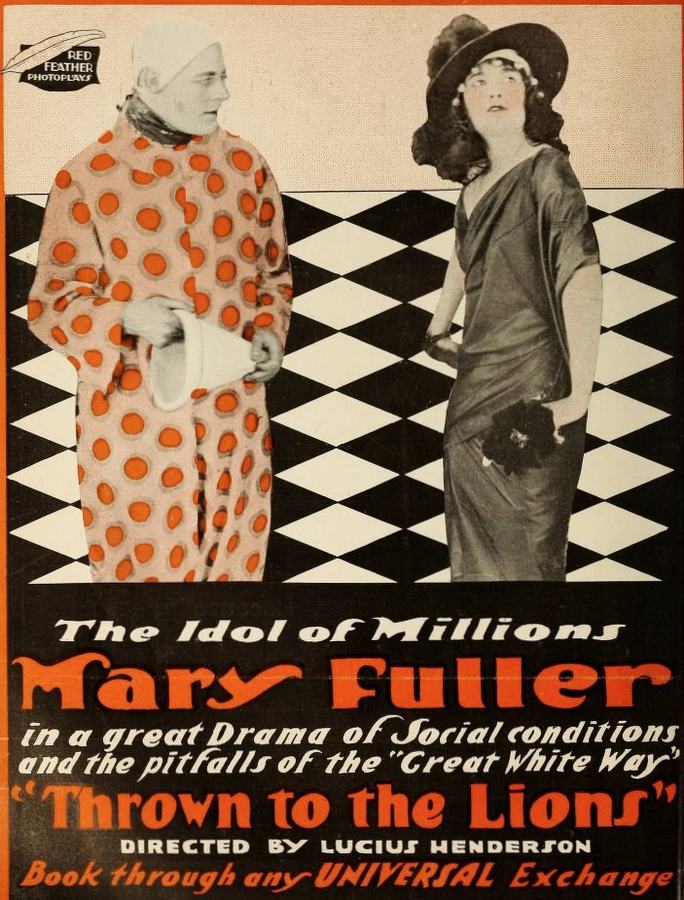
Nitrate ghosts still smolder in this 1916 grenade of a picture, now scraped clean of a century’s grime by the Library of Congress and streaming in 2K. What surfaces is not mere antiquarian curiosity but a proto-feminist opera of flesh and phosphor, a film that anticipates von Sternberg’s Blue Angel and anticipates #MeToo by a hundred revolving years.
The prologue—three tint-toned minutes of lions, leopard-skin centurions, and maidens lashed to pillars—was shot in the same Bronx zoo cages later used for Cleopatra. Director Ugo Locatelli intercuts grainy newsreel of actual big-cat feedings with plaster Rome built on a Hoboken back-lot, achieving a hallucinatory verisimilitude that makes DeMille’s later epics look like school pageants.
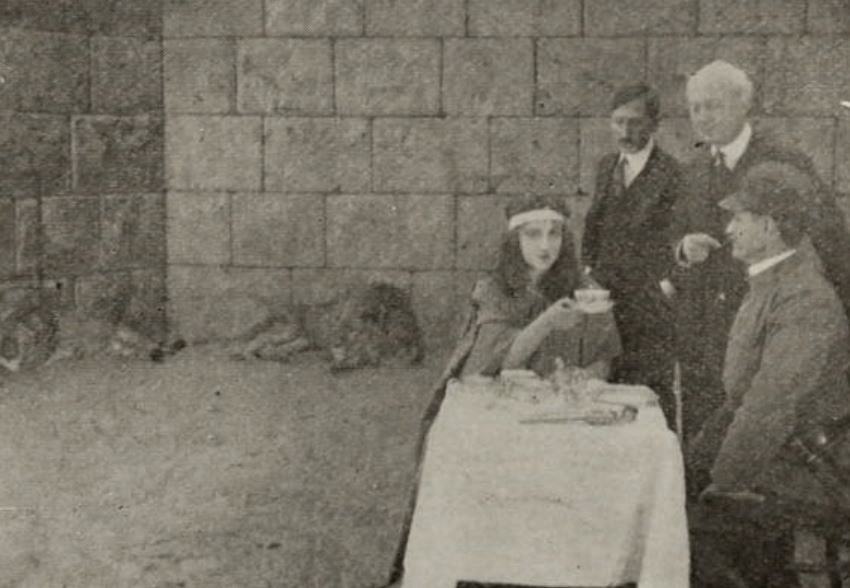
Cut to Broadway: the iris opens on a neon canyon where Mary Fuller’s ingenue—credited only as “The Girl”—stumbles out of Pennsylvania Station clutching a cardboard suitcase. The camera tracks her through a maze of cigar smoke and jazz drummers hammering on packing-case cymbals. Every man she meets is a Nero in spats: impresario Daly promises stardom in exchange for a key to her boarding-house room; columnist Girard offers ink if she’ll spill secrets over iced gin. The cabaret itself, replicated at full scale inside a warehouse on 46th, drips with jaded opulence—peacock fans, cocaine nose-powder in silver shakers, chorus boys in gold lamé G-strings who high-kick like cherubic assassins.
Fuller, a Biograph alumna known for Edison one-reelers, here unleashes a performance of such mercurial voltage that modern viewers may mistake her for a time traveler. In close-up her pupils dilate like eclipses; in long shot her spine folds inward as though every vertebra remembers the lion’s breath. The film’s midpoint coup occurs during a rehearsal for the revue Satan’s Soubrette: a cyclone of feathers and saxophones, she steps forward, drops her boa, and sings—yes, sings—“I have danced through the jaws of beasts older than Rome.” The intertitle card burns white on black, then dissolves into live footage of the earlier arena. Time folds; victimhood becomes manifesto.
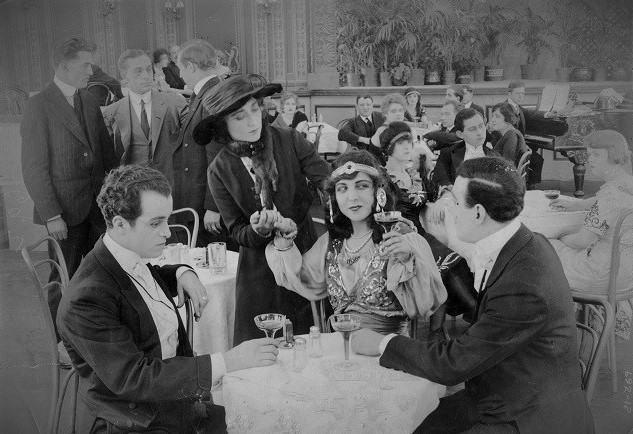
Joseph W. Girard, as the reptilian columnist Flagg, deserves special citation. With pencil mustache twitching like a barometer of sin, he slithers between tables trading gossip for flesh. In one velvet-muffled exchange he whispers, “A girl here is either furniture or fuel.” The line, penned by satirist Wallace Irwin, detonates across the decades.
Cinematographer Lucien Andriot, later laureled for The Siren’s Song, mounts the camera on a baby carriage to chase Fuller down a stairwell of broken champagne bottles—an early Steadicam precursor that leaves streaks of sodium flare across the frame. In the cabaret he bathes bare shoulders in aquamarine from below, turning skin into liquid moonlight, while the orchestra pit glows hellish ochre. The palette—cyan, amber, arterial red—anticipates the digital color-grading of Babylon by a century.
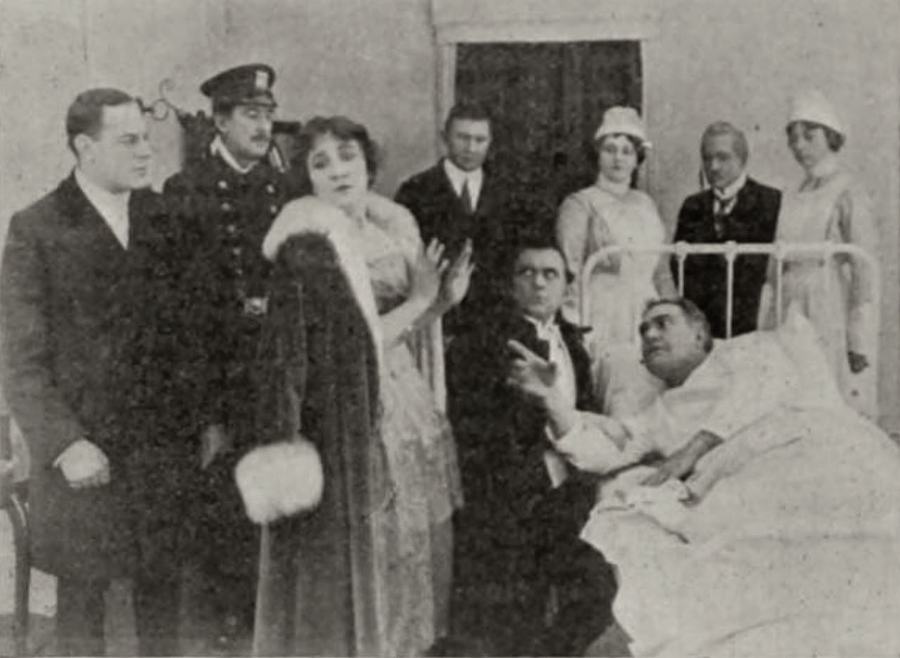
Yet the sound of silence is itself orchestral. The film was distributed with a cue sheet urging nickelodeon pianists to segue from Sousa marches to Saint-Saëns’ Danse Macabre the instant the lions appear. Contemporary reports describe audiences gasping, women fainting, ushers passing out ammonia capsules like communion wafers.
Compare the treatment of female ambition here to that in The Battle of the Sexes or Nearly a Lady, where virtue is rewarded with marriage. Thrown to the Lions refuses such palliatives. When Fuller’s Girl finally ascends the proscenium, she does not clutch a wedding ring but a kerosene lantern which she hurls into the rafters. Curtains blaze; the cabaret becomes a coliseum once more. The lions, now shadows on the wall, devour the spectators’ silhouettes. She escapes—not into a man’s arms but into the flicker of the projector itself, her silhouette dissolving amid aperture scratches. The last intertitle reads: “The arena is portable; the emperor wears many masks.”
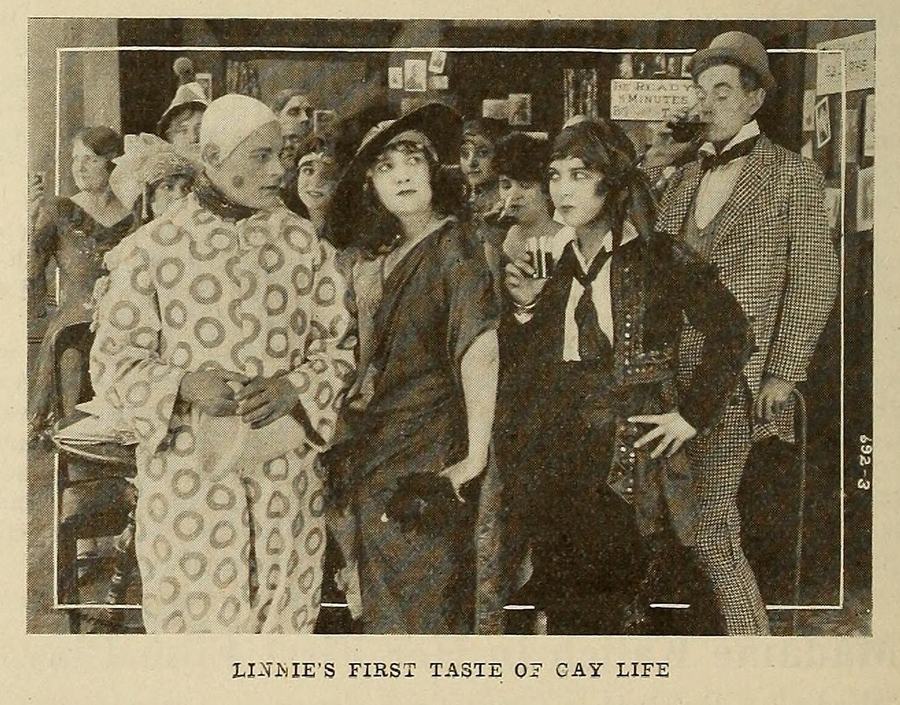
The 2023 2K restoration, scanned from a 35mm Dutch print discovered in an Amsterdam basement, reveals textures previously smothered: the serrations on paper cocktail umbrellas, the razor reflection in Girard’s monocle, the cellulite dimples on chorus girls painted over by orthochromatic film stock. A free jazz quartet recorded a new score in Brussels—sax squeals, lion roars sampled from the Masai Mara, theremin shrieks that sync to every whip-pan. Viewers may stream it on Criterion Channel or purchase the Blu-ray which includes a 20-page fold-out of the original Motion Picture News spread.
Traces of this film swirl through the bloodstream of later cinema. The backstage bacchanalia of All That Jazz, the self-immolating starlet of Mulholland Drive, even the predatory showbiz satire of Birdman owe a debt to this primordial scream. Note the matching structure: spectacle within spectacle, reality looped like Möbius strip. Film scholars now cite Thrown to the Lions alongside Dzieje grzechu and Protea II as a holy trinity of transgressive European silent melodrama.
Is the film flawless? Hardly. The Roman prologue lingers so long on pagan sadism that modern sensibilities may squirm; the subplot involving a comic Swedish janitor feels imported from another reel entirely. Yet these scars are part of its aura—proof that even in 1916 cinema was wrestling with exploitation vs. critique, a dialectic still unresolved.
Watch it at midnight, volume loud, room dark. Let the lions prowl your retina; let Broadway’s neon scald your corneas. When the final flame licks the screen, you may find yourself checking the shadows behind your couch—half expecting some silk-tuxedéd beast to slink out, grinning with too many teeth. Thrown to the Lions does not merely roar; it whispers, “The hunt continues—only the costumes change.”
Verdict: 9.5/10—essential viewing for anyone who believes silent film was ever silent.
IMDb —
1928
Community
Log in to comment.