DbcultAccessing Vault...
6.8/10
Senior Film Conservator
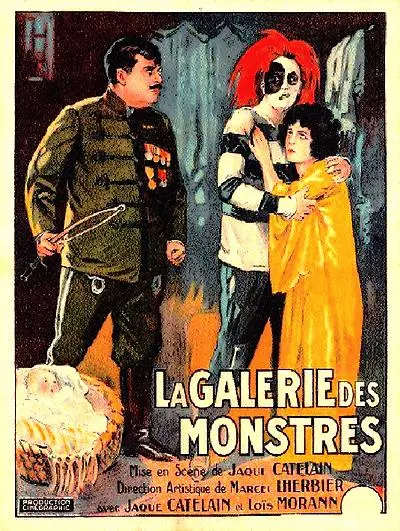
A definitive 6.8/10 rating for a film that redefined the boundaries of cult cinema. La galerie des monstres remains a cornerstone of transgressive art.
Stepping into the world of La galerie des monstres is akin to pulling back the velvet curtain on a bygone era, a journey into the heart of silent cinema where emotions are writ large, and every gesture speaks volumes. This cinematic artifact, a testament to early French filmmaking, transcends its historical context to deliver a narrative as potent and relevant today as it was upon its release. It's not merely a film; it's an immersive experience, a poignant ballet of human vulnerability and indomitable spirit set against the vibrant, yet often cruel, backdrop of the circus.
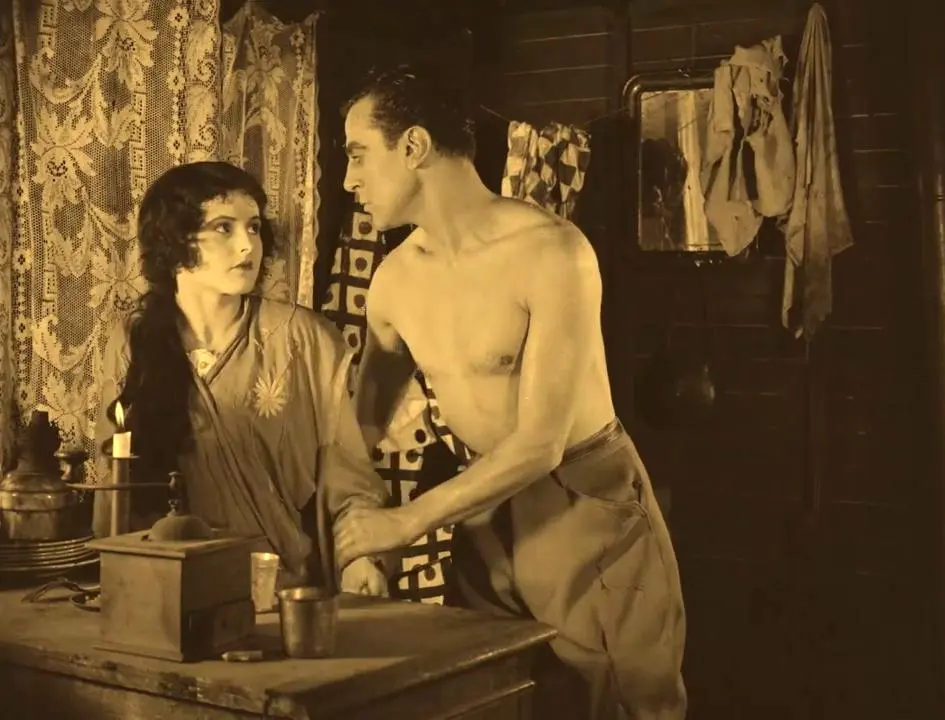
The circus, that mesmerizing crucible of dreams and daring, serves as more than just a setting in La galerie des monstres; it is a character in itself. A place of dazzling lights, acrobatic feats, and the enchanting allure of the unknown, it simultaneously harbors a darker, more sinister undercurrent. Here, the grotesque and the beautiful perform side-by-side, mirroring the human condition in its rawest form. The film masterfully exploits this dichotomy, presenting a realm where the public sees only spectacle, while behind the tattered canvas, a brutal power struggle unfolds. The very title, 'The Gallery of Monsters,' hints at this duality, suggesting that the true monstrosity might not lie in the costumed performers, but in the hearts of those who wield unchecked authority.
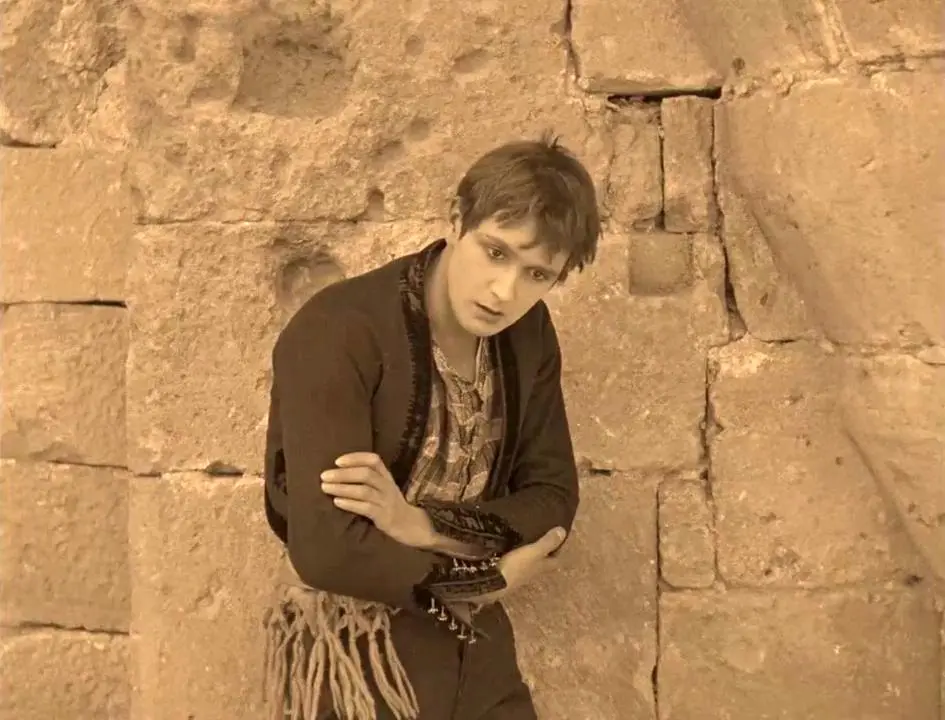
At the emotional core of this tumultuous world are Riquet, the clown, and Ralda, the dancer. Riquet, portrayed with a poignant tenderness that transcends the painted smile, embodies the purity of selfless love. He is the archetypal innocent, a figure often relegated to comedic relief, yet here he is the steadfast anchor in a sea of turbulence. His love for Ralda is not just a plot device; it is the very engine of the narrative, a beacon of hope illuminating the film's darker corners. Ralda, brought to life with exquisite grace and quiet defiance by Simone Mareuil, is a vision of delicate strength. Her dance is not merely a performance; it is an expression of her soul, a fleeting moment of freedom that makes her a target for those who seek to possess and control. Mareuil's portrayal lends Ralda an ethereal quality, yet beneath the surface, there is an unyielding spirit that refuses to be broken. Their bond is a stark contrast to the predatory atmosphere, a testament to the enduring power of human connection amidst adversity.
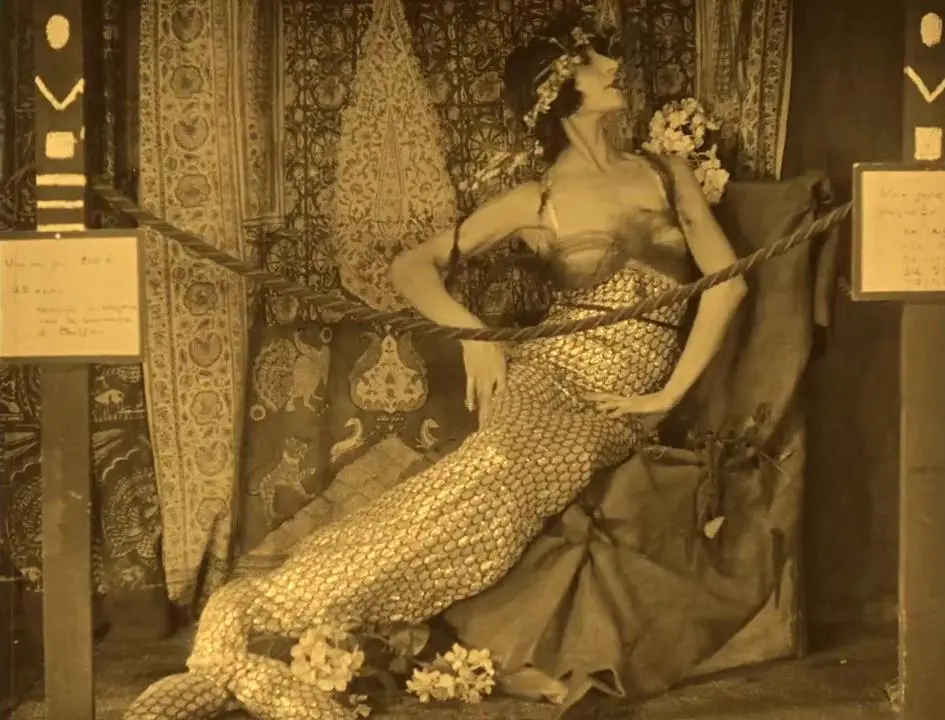
Opposing this tender idyll is the circus's despotic owner, a character who personifies the film's 'monstrous' element. He is not a clown or a strongman, but a figure of insidious power, his authority derived from financial control and a chilling lack of empathy. While specific casting details for this role are not always universally highlighted, the presence of an actor of Michel Simon's caliber in the ensemble suggests a formidable antagonist, even if he plays another significant character. Simon, known for his ability to imbue characters with complex, often unsettling, depths, would undoubtedly have brought a chilling authenticity to any role that required a blend of menace and control. This owner's desire for Ralda is not love, but a possessive lust, a manifestation of his need to dominate all aspects of his domain. His actions spiral from intimidation to outright violence, demonstrating how unchecked power can corrupt and destroy. This portrayal of a powerful, corrupt figure preying on the vulnerable resonates with thematic echoes found in films like A Friend of the People or Blind Justice, where individuals are pitted against systemic or personal tyranny, highlighting the timeless struggle against oppression.
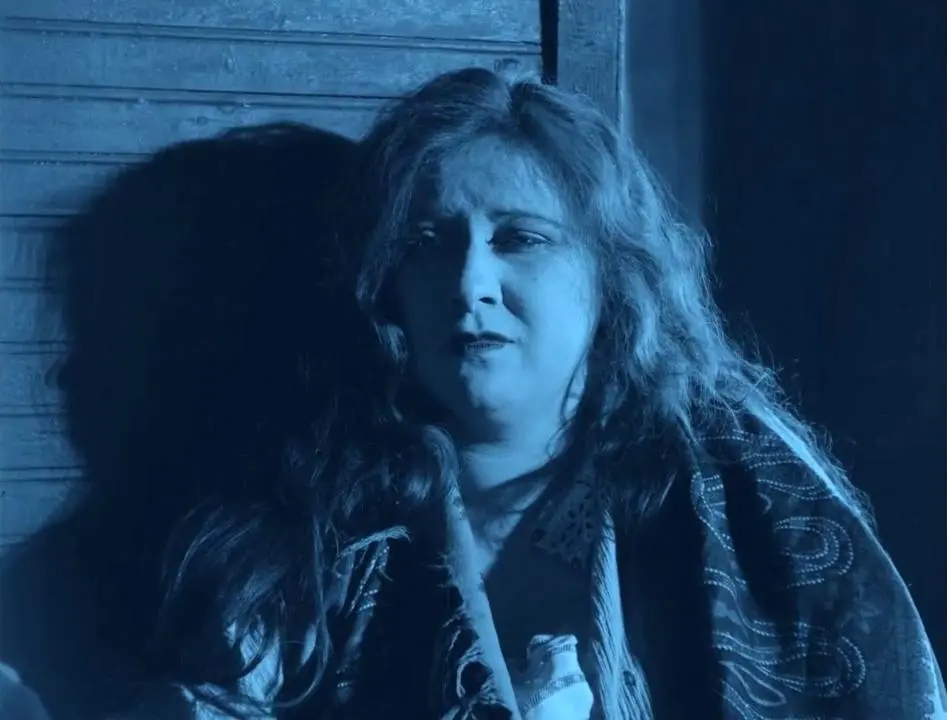
The narrative momentum of La galerie des monstres builds with a relentless, almost suffocating, tension. The proprietor's initial advances towards Ralda, initially subtle and manipulative, quickly escalate into overt threats and calculated cruelty. Ralda's unwavering rejection fuels his rage, transforming his desire into a murderous intent. The film meticulously charts his descent into villainy, as he orchestrates various schemes to eliminate Riquet and claim Ralda for himself. These sequences are crafted with a masterful understanding of silent film suspense, relying on dramatic close-ups, expressive body language, and the stark contrast between light and shadow to amplify the danger. The audience is kept on edge, fearing for the young couple's safety with every turn of the plot. The stakes are profoundly personal, making the struggle feel immediate and deeply affecting. This intense personal peril for a woman navigating a hostile environment can be seen as a precursor to the emotional depth found in films like De kantwerkster van Brugge, where female protagonists face immense pressure and hardship.
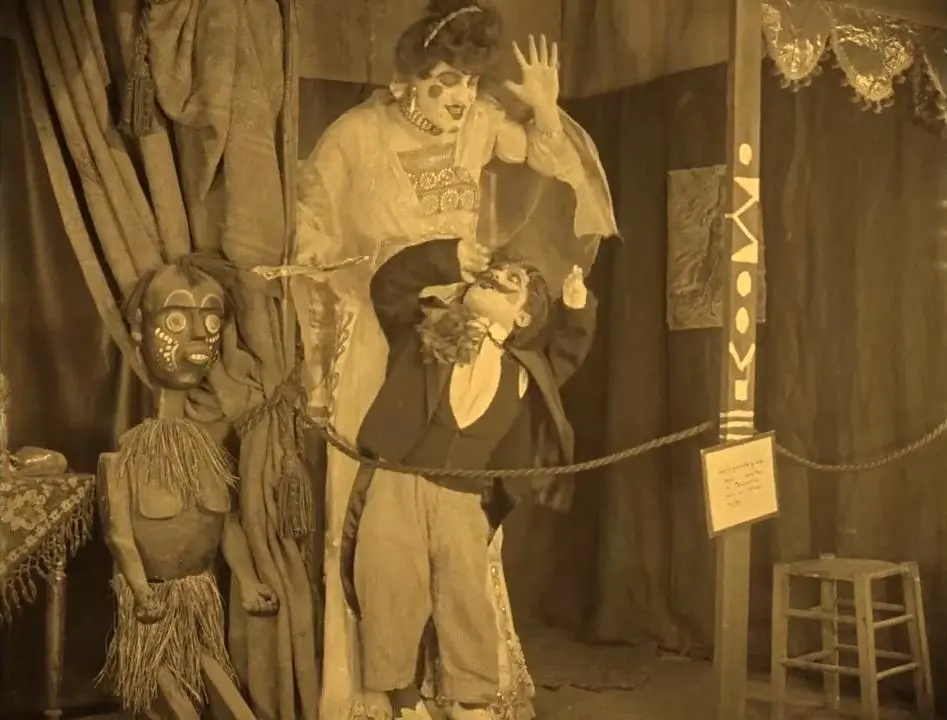
What truly elevates La galerie des monstres beyond a mere melodrama is its profound exploration of love as a force of resistance. When the proprietor attempts to take Ralda's life, it is not brute strength or cunning strategy that saves her, but the sheer, unadulterated power of Riquet's devotion. Their shared affection becomes an impenetrable shield, a spiritual fortress against the owner's malevolence. This theme, that love can conquer even the most ingrained cruelty, is handled with a delicate touch, avoiding saccharine sentimentality in favor of a raw, heartfelt depiction. It’s a powerful affirmation of human connection in the face of overwhelming odds, a narrative thread that resonates deeply with audiences who appreciate tales of enduring passion.
The visual language of La galerie des monstres is a masterclass in silent film artistry. Without spoken dialogue, the burden of storytelling falls entirely on the cinematography, the actors' expressions, and the meticulous staging. The film's directors (often uncredited or collaboratively credited in this era, but the vision of writers Eric Allatine and Renzo is palpable) employ a rich palette of cinematic techniques to convey mood, character, and plot. The use of light and shadow, for instance, is particularly evocative, with stark contrasts delineating the moral battleground: the bright, illusory world of the circus ring versus the shadowy, conspiratorial backstage areas. Costumes, too, play a crucial role, from Riquet's clown attire symbolizing his dual nature of comedy and pathos, to Ralda's delicate dancer's garb underscoring her vulnerability and grace. The set design, while perhaps constrained by the technology of the era, manages to evoke the claustrophobic intimacy of the circus environment, making the threats feel all the more pervasive.
The performances in La galerie des monstres are a testament to the unique demands of silent acting. Every actor, from the leads to the supporting cast, had to communicate complex emotions and intentions through exaggerated facial expressions, precise body movements, and often, a theatricality that would seem over-the-top in a sound film, but is perfectly calibrated here. Beyond Simone Mareuil's captivating Ralda, the film benefits from a rich ensemble. Figures like Jaque Catelain, a prominent actor of the period, likely brings a nuanced performance to Riquet or another pivotal role, imbuing his character with depth and conviction. The presence of artists like Kiki of Montparnasse, a celebrated model and personality of the Parisian avant-garde, adds a layer of cultural authenticity and intrigue, hinting at the film's connection to the vibrant artistic scene of its time. The collective effort of Florence Martin, Lili Samuel, Jean-Paul Le Tarare, Salles, Geymond Vital, Louis Zellas, Bronia Clair, Yvonneck, Michel Duran, Roland Toutain, Claire Prélia, Tylia Perlmutter, Lois Moran, Lucien Muratore, Duvernoy, Roland Caillaux, Rosar, Madame Delaunay, Opta, Philippe Hériat, Suzanne Cerf, Tuhre Dallin, and Jean Murat ensures a vibrant and believable world, each playing their part in the intricate tapestry of the circus. Their physical expressiveness is the very soul of the film, communicating fear, joy, despair, and triumph without uttering a single word. This ensemble's ability to create such a vivid emotional landscape without dialogue is a testament to their skill and the unique power of silent cinema.
Decades after its initial premiere, La galerie des monstres retains a compelling resonance. Its themes of love against tyranny, the struggle for freedom, and the inherent duality of human nature are timeless. The film serves as an important historical document, offering a glimpse into the narrative sophistication and technical prowess of early French cinema. It reminds us that storytelling, at its core, transcends technological advancements, relying instead on universal human experiences and emotions. The stark beauty of its visual narrative, combined with the raw power of its emotional core, ensures its place as a significant work in cinematic history. While not as widely known as some of its contemporaries, its artistic merit and thematic depth warrant renewed attention, particularly for those interested in the evolution of film as an art form.
The film’s exploration of the hidden dangers within seemingly glamorous worlds is a recurring motif in cinema, much like the deceptive appearances in The Painted World or the unexpected twists of Accidental Accidents. It’s a narrative that probes the underbelly of spectacle, revealing the human cost behind the dazzling displays. The writers, Eric Allatine and Renzo, crafted a story that is both deeply personal and broadly allegorical, inviting viewers to reflect on the 'monsters' that exist not only in the circus ring but also within society itself.
Ultimately, La galerie des monstres is a celebration of resilience. It champions the idea that even in the face of overwhelming power and malevolent intent, the human spirit, fueled by love and unwavering conviction, can find a way to endure. It's a powerful reminder that true strength often lies not in physical might or cunning manipulation, but in the purity of one's heart and the courage to protect what is cherished. This silent film, with its compelling drama and evocative visuals, remains a poignant and essential piece of cinematic heritage, offering a timeless narrative of love's triumph over cruelty, a spectacle far more profound than any circus act.
IMDb 6.3
1929
Community
Log in to comment.