DbcultAccessing Vault...
5.7/10
Senior Film Conservator
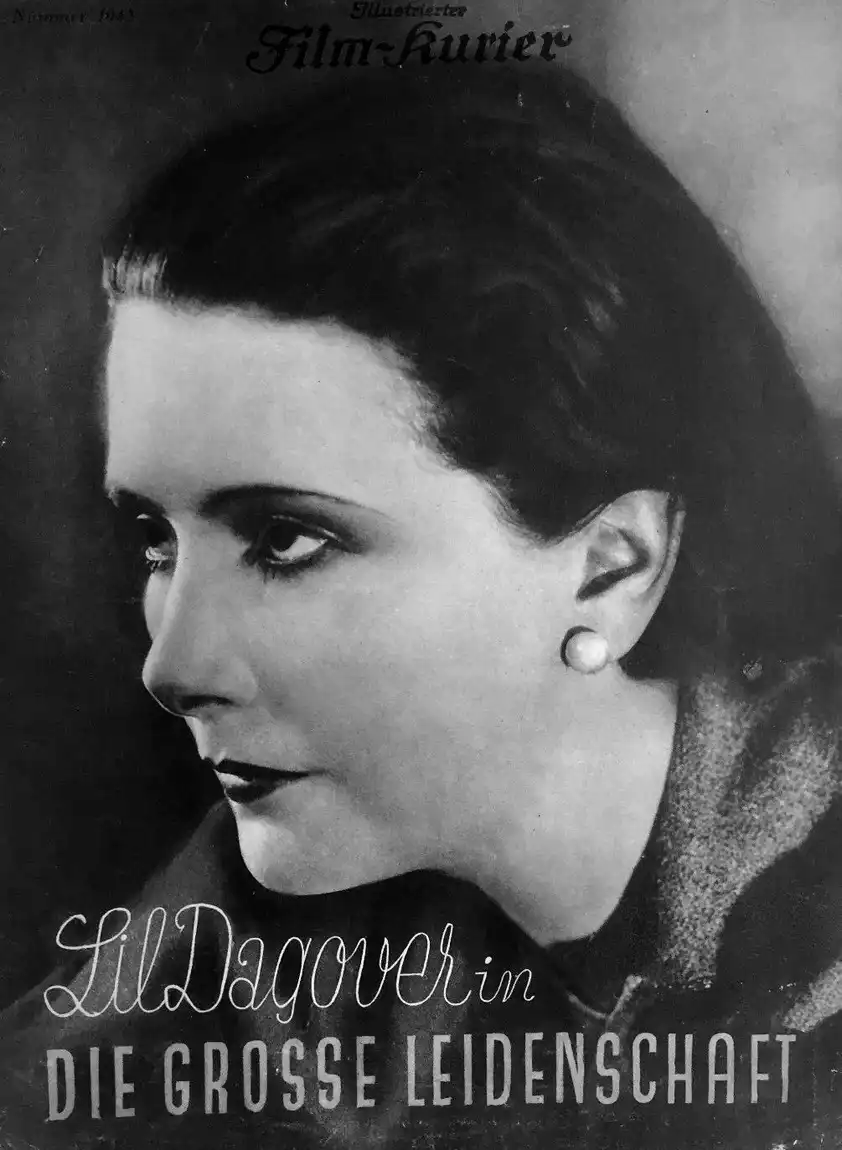
A definitive 5.7/10 rating for a film that redefined the boundaries of cult cinema. La grande passion remains a cornerstone of transgressive art.
If you have a soft spot for the era when athletes were just thrown onto film sets because they were famous, you’ll probably find La grande passion interesting. It’s a movie for people who like sports history and don't mind a plot that feels like it was written on the back of a match program. If you’re looking for a tight, high-stakes drama, this isn't it. You’ll probably get bored during the long stretches where nothing happens in the drawing rooms.
The first thing that hits you is the rugby. It’s not the sanitized, high-definition version we see now. These guys are playing in what looks like a swamp. The jerseys are these heavy, sagging wool things that look like they weigh twenty pounds once they get wet. There’s a specific shot early on—just a close-up of a boot sinking into the turf—that feels more honest than any of the romantic dialogue later on. You can almost smell the damp wool and the cigarette smoke from the stands.
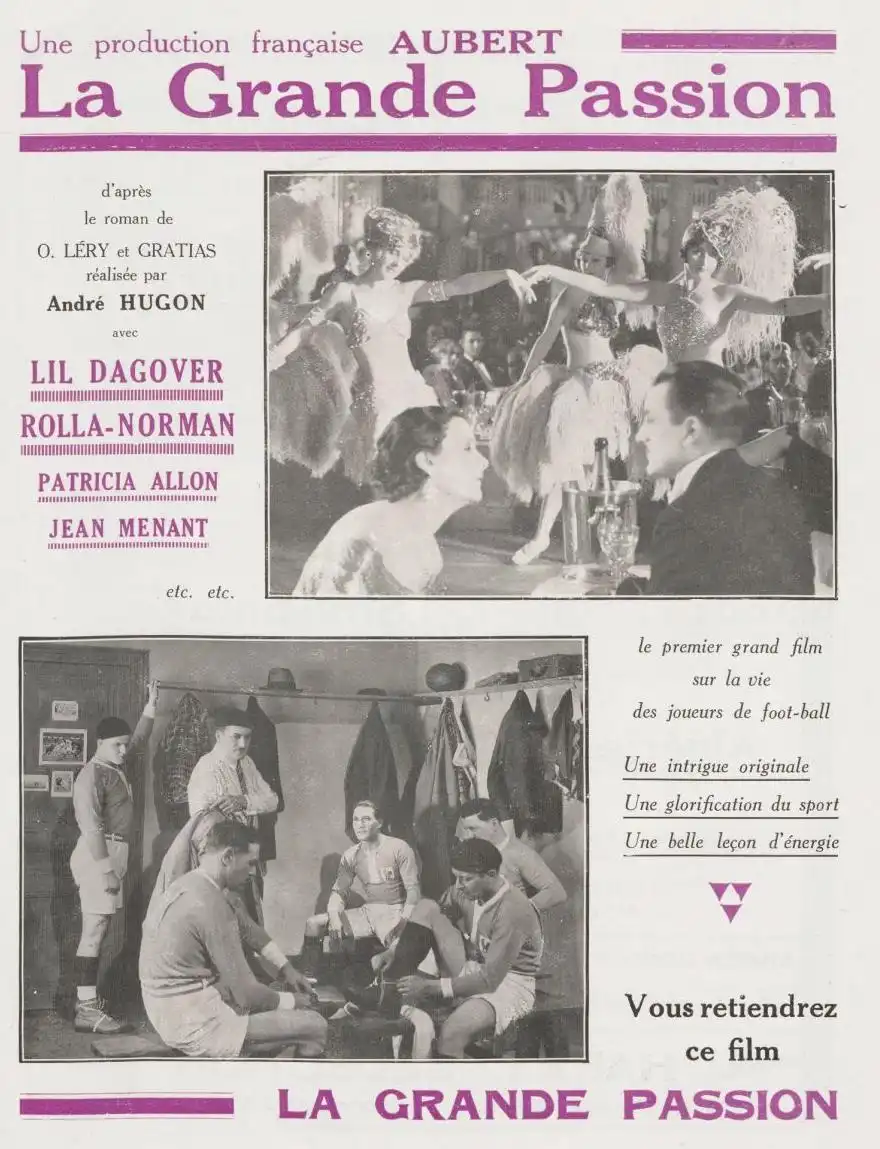
Adolphe Jauréguy is the lead, and he was a genuine rugby star at the time. You can tell. Not because he’s a great actor, but because he looks completely lost whenever he isn't holding a ball. When he’s on the field, he moves with this frantic, jagged energy. But when he has to stand in a room and look longingly at Lil Dagover, he looks like he’s trying to remember if he left the stove on. He has this stiff way of holding his arms at his sides, like he's afraid he might accidentally tackle someone if he relaxes.
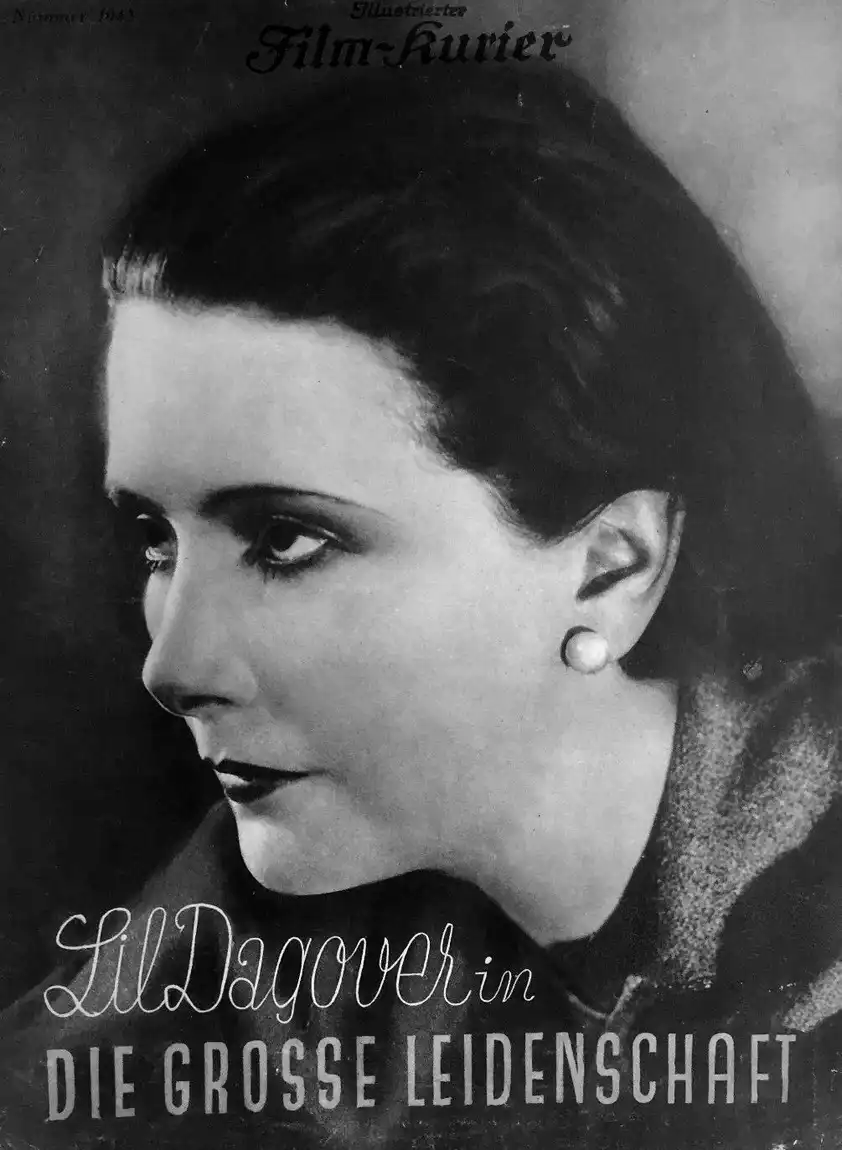
Lil Dagover is in a completely different movie. She’s a professional, and she’s doing the heavy lifting in every scene they share. There’s a moment where she’s looking at him by a window, and the lighting is perfect, and she’s giving this nuanced, tragic performance, and the camera cuts to Jauréguy and he just looks... confused. It’s a weird tonal clash. It reminded me a bit of the acting gap in The Great Gamble, where the physical stunts and the actual acting feel like they belong to two different species of film.
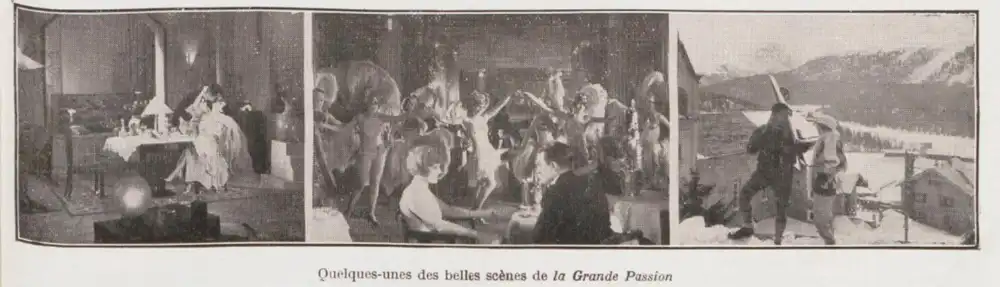
The editing is pretty choppy. There’s a sequence in the middle where they cut from a very intense match straight to a quiet dinner, and the transition is so abrupt it feels like a reel was missing. No one is moving in the first frame of the dinner scene; they’re all just sitting there like statues until the director presumably yelled 'action.' It’s those little technical hiccups that I actually love about these old silents. It makes the whole thing feel more human.
I noticed the crowd scenes are weirdly fascinating. Usually, in movies like Paris Lights, the extras feel directed. Here, the people in the stands look like they were just told a rugby match was happening and they forgot they were being filmed. You see guys in the background adjusting their hats, looking away from the action, or talking to each other while the 'dramatic' play is happening right in front of them. It gives the stadium a messy, lived-in feel that you don't get in modern sports movies where every extra is perfectly choreographed to cheer at the same time.
The middle of the film drags. Hard. There is a sub-plot involving a secret that feels like it goes on for thirty minutes longer than necessary. You find yourself waiting for them to get back to the mud. The film is at its best when it stops trying to be a 'cinema' piece and just lets the camera watch the game. There’s a shot of a scrum where the camera is positioned low, almost in the dirt, and you just see this mass of struggling limbs and steam rising off their backs. It’s beautiful in a very ugly, visceral way.
One scene that really didn't work for me was the big confrontation near the end. The music (in the version I saw) was trying so hard to tell me this was the emotional climax, but the actors were just blinking at each other. It’s one of those moments where the movie tries to convince you that the romance matters as much as the sport, but it clearly doesn't. The movie's heart is in the locker room, not the parlor. It’s similar to how The Country Boy struggles to make its domestic scenes as interesting as its outdoor ones.
Also, the makeup on the players after the game is hilarious. They have these perfectly placed 'smudges' of dirt on their cheeks that look like they were applied with a cosmetic brush. It contrasts so sharply with the actual mud on their clothes. It’s a tiny detail, but once you see it, it’s hard to look at anything else.
Is it a great film? No. It’s lopsided and the pacing is a mess. But if you want to see what rugby looked like before it was a billion-dollar industry, or if you just want to see Lil Dagover try her absolute best to act opposite a man who is clearly thinking about a line-out, it’s worth a watch. Just be prepared to use the fast-forward button during some of the slower indoor conversations.
IMDb 6.3
1934
Community
Log in to comment.