Summary
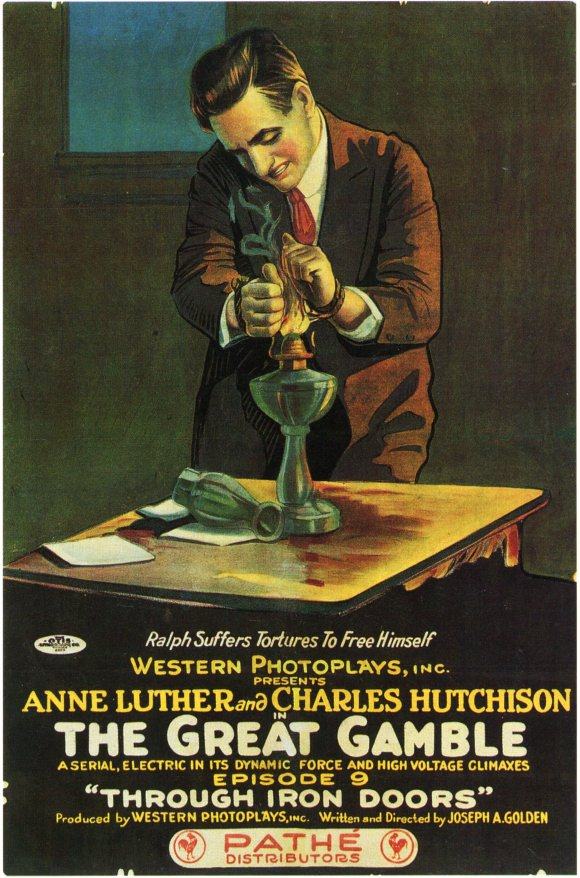
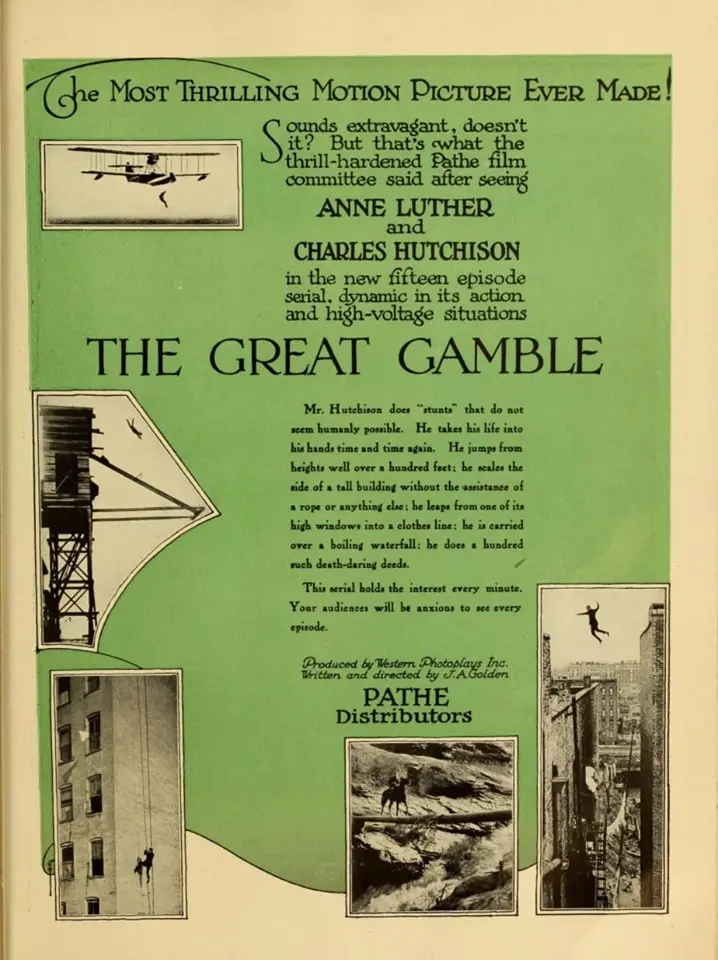
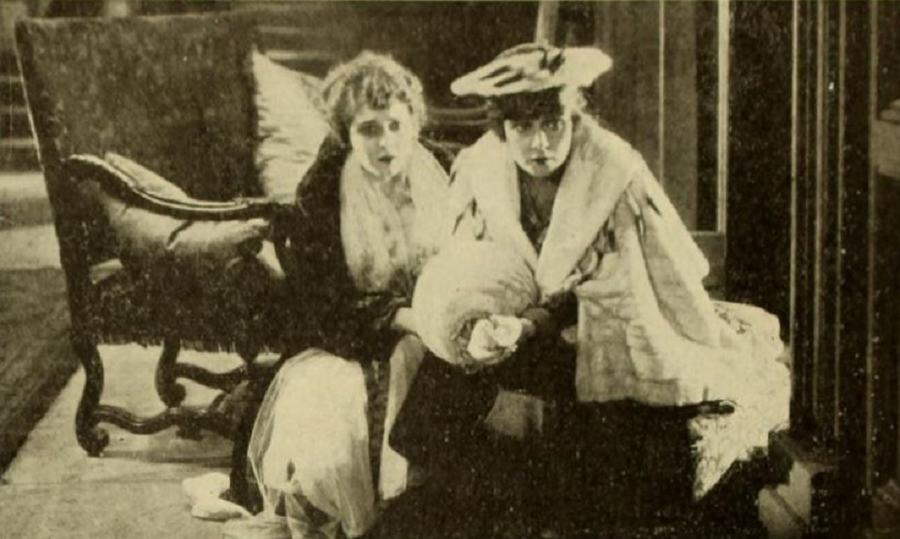
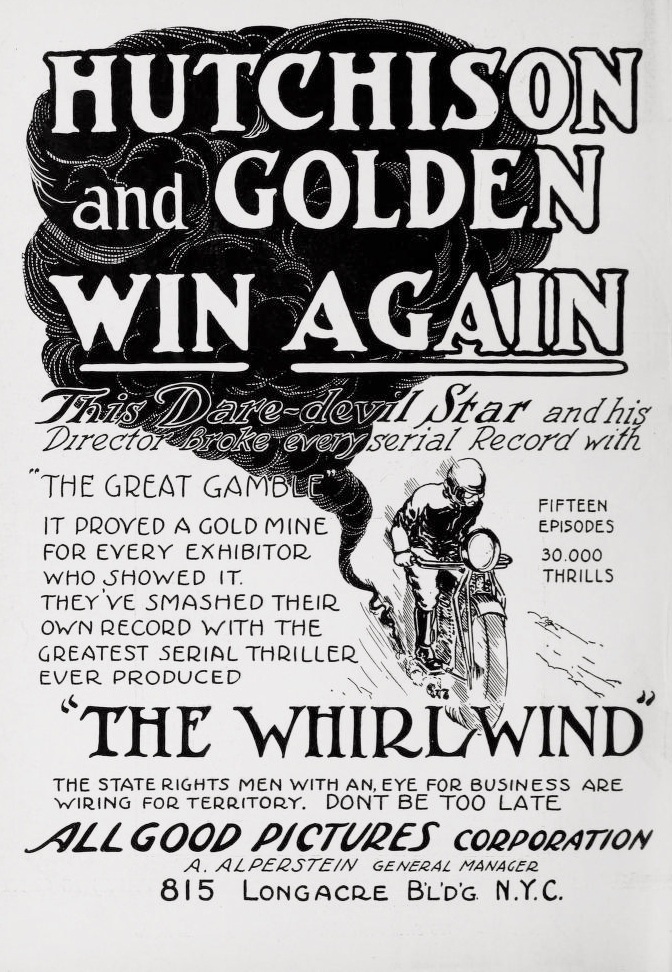
In the labyrinthine corridors of early 20th-century finance, 'The Great Gamble' unfurls a tapestry of ambition, betrayal, and familial devotion. Richard Neill, portraying the venerable but increasingly beleaguered financier, Arthur Sterling, finds his empire teetering on the precipice of ruin, not by external market forces, but by the insidious machinations of a shadowy rival, brilliantly embodied by Warren Cook. Sterling's carefully constructed world, built on integrity and shrewd foresight, begins to crumble under the weight of a past transgression—a secret, long interred, that now threatens to surface and engulf his legacy. His daughter, Eleanor (Anna Luther), a beacon of innocence and burgeoning independence, becomes an unwitting pawn in this high-stakes contest. Her burgeoning affection for the charismatic, yet enigmatic, Jack Thorne (Charles Hutchison) is a subplot fraught with dramatic irony, as Thorne is inextricably linked to the very forces conspiring against her father. Edith Thornton, as the alluring and morally ambiguous socialite, Lillian Vance, adds a layer of complex intrigue, her allegiances shifting like sand, while Laura La Plante's portrayal of the steadfast family confidante, Martha, provides a much-needed anchor in the tempest. The film’s eponymous gamble is Sterling's desperate, ethically fraught maneuver to outmaneuver his adversaries, a perilous strategy that demands not only financial acumen but also a profound sacrifice of personal conviction, pushing him to the very brink of moral compromise. Joseph A. Golden’s narrative expertly navigates the treacherous waters of societal expectation versus individual survival, culminating in a denouement where the true cost of victory is laid bare, leaving an indelible mark on all involved.
Review Excerpt
"
The High Stakes of 'The Great Gamble': A Cinematic Examination
Stepping back into the nascent days of cinematic storytelling, one encounters a film like 'The Great Gamble' (1919), a work that, even a century removed from its initial exhibition, resonates with a surprising potency. It’s a compelling artifact from an era when narrative was paramount, conveyed through the expressive nuances of silent performance and the evocative power of visual metaphor. Joseph A. Golden, th..."