DbcultAccessing Vault...
5.4/10
Senior Film Conservator
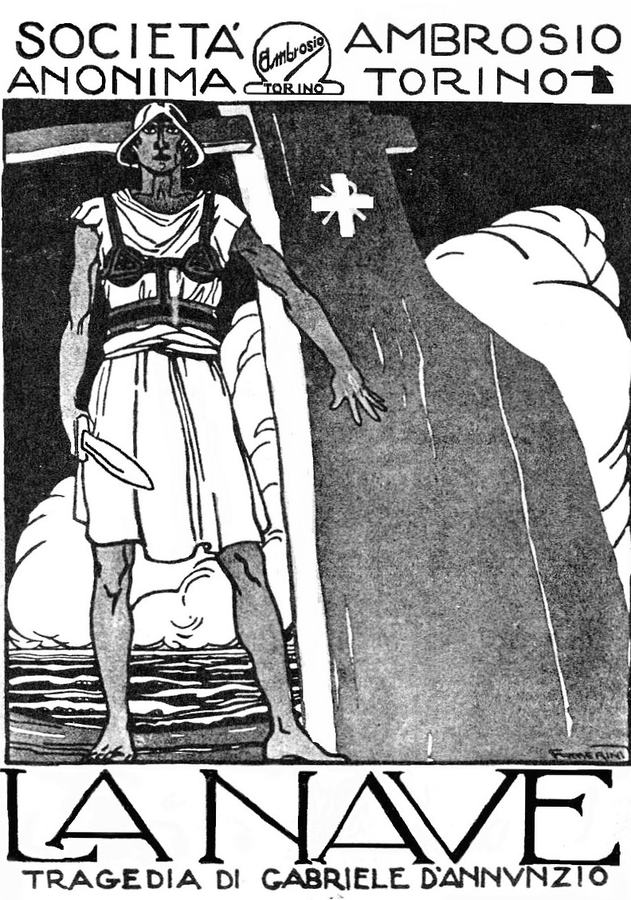
A definitive 5.4/10 rating for a film that redefined the boundaries of cult cinema. La nave remains a cornerstone of transgressive art.
In the annals of Italian silent cinema, few works resonate with the operatic grandeur and psychological intensity of Gabriele D'Annunzio's 'La Nave' (1921). Co-written with Gabriellino D'Annunzio, this cinematic spectacle, based on Gabriele's own theatrical play, plunges viewers into a maelstrom of human passion, betrayal, and the inexorable march of fate. It is a film that defies simple categorization, a potent blend of historical epic, intimate tragedy, and a chilling exploration of revenge, all rendered with a visual artistry that remains compelling even a century later. To approach 'La Nave' is to confront the very essence of D'Annunzio's aesthetic: a world where beauty and destruction are inextricably linked, where the pursuit of an ideal, however dark, consumes all in its path.
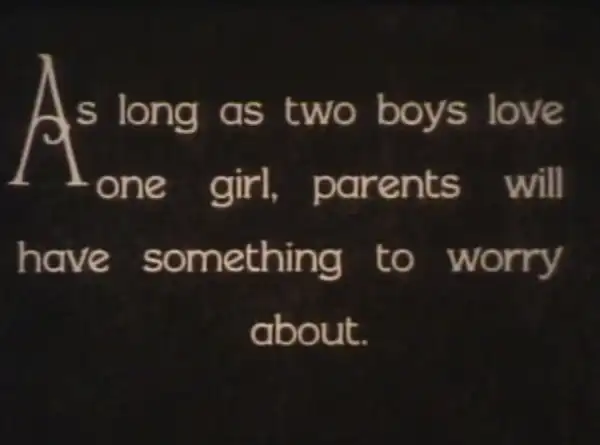
The narrative core of 'La Nave' is deceptively simple, yet its execution is anything but. At its heart lies a woman, portrayed with mesmerizing intensity by Mary Cleo Tarlarini, whose family has been utterly ruined. Her response is not despair, but a cold, burning desire for vengeance. This desire manifests as a deliberate, calculated seduction of two brothers, Mario Mariani and Ciro Galvani, whose family she holds responsible for her own misfortune. Her beauty becomes a weapon, her charm a carefully constructed trap, designed to sow discord and ultimately, destruction, between the siblings. This is not merely a tale of romantic entanglement; it is a meticulous psychological dismantling, a slow-motion catastrophe orchestrated by a singular, unyielding will.
Mary Cleo Tarlarini's portrayal of the vengeful protagonist is nothing short of magnetic. She embodies a complex figure, not merely a femme fatale, but a woman driven by profound grief transmuted into a formidable, almost inhuman resolve. Her character navigates the emotional landscape with a chilling detachment, each feigned glance, each whispered endearment, a calculated step towards her ultimate goal. The audience is left to ponder the depths of her suffering that could forge such an unyielding spirit, a spirit capable of manipulating the most primal of human emotions: love and fraternal loyalty.
The brothers, played by Mario Mariani and Ciro Galvani, serve as the tragic antithesis to her cold calculation. They represent the vulnerability of human desire and the fragility of familial bonds when confronted with an external, malevolent force. Their descent into rivalry, fueled by Tarlarini's character, is depicted with a raw emotionality that underscores the film's tragic arc. One is drawn into their escalating conflict, witnessing the gradual erosion of their brotherhood under the weight of a love that is, in essence, a meticulously crafted lie. The performances, typical of the era, are often grand and expressive, yet within this theatricality, moments of genuine pathos shine through, particularly as the brothers' fates become increasingly intertwined with their destructive obsession.
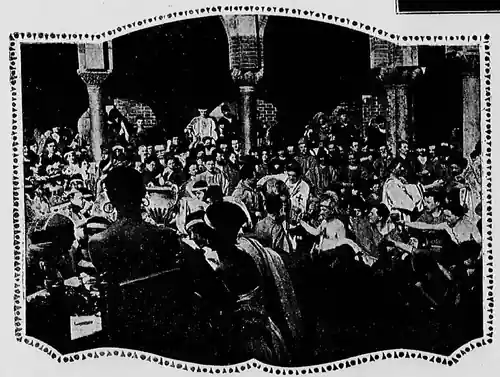
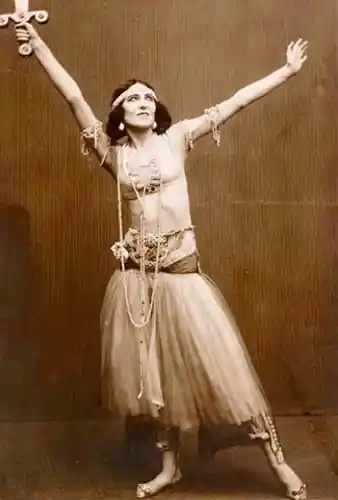
The supporting cast, including Ida Rubinstein, Ciro Galvani (also a brother), and Alfredo Boccolini, contributes to the film's rich tapestry, each adding layers to the unfolding drama. Their presence often serves to highlight the central conflict, reflecting the societal pressures and moral complexities of a world where honor and vengeance frequently intersected. Rubinstein, known for her striking presence, brings a certain gravitas, even in what might be considered a supporting role, adding to the film's overall dramatic weight and visual spectacle.
'La Nave' is a visual feast, a testament to the ambitious production values of early Italian cinema. The sets are elaborate, reflecting the D'Annunzian penchant for opulent aesthetics and historical authenticity. The cinematography is often sweeping, capturing the grandeur of the settings and the intensity of the human drama. There's a deliberate theatricality to the staging, a direct inheritance from its stage origins, yet it is masterfully translated into cinematic language. The use of light and shadow, characteristic of silent film, is particularly effective in 'La Nave', creating an atmosphere of impending doom and moral ambiguity.
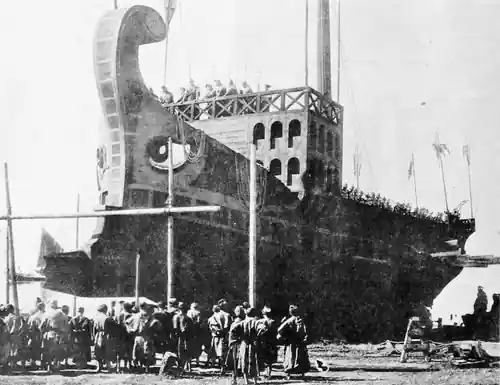
The film's visual style is not merely decorative; it is deeply symbolic. The titular 'ship' itself becomes a powerful metaphor for the journey of destruction and the vessel of fate. The sea, with its unpredictable currents and vast, indifferent expanse, mirrors the tumultuous inner lives of the characters and the unstoppable force of the protagonist's revenge. Costumes are meticulously designed, reflecting both the period and the characters' psychological states, further immersing the viewer in this meticulously crafted world. This attention to detail elevates 'La Nave' beyond a simple melodrama, transforming it into a work of art where every element contributes to the overarching tragic vision.
At its core, 'La Nave' is a profound meditation on vengeance. Unlike simpler revenge narratives, this film delves into the psychological toll of such a relentless pursuit, not just on the victims, but on the avenger herself. While her resolve is unwavering, one can discern the subtle nuances of her inner turmoil, the cost of suppressing her own humanity for the sake of retribution. The film asks whether any satisfaction can truly be gained from such a destructive path, or if it merely perpetuates a cycle of suffering.
Moreover, 'La Nave' is deeply concerned with the concept of fate. The characters often seem to be caught in a web of circumstances beyond their control, propelled towards an inevitable, tragic conclusion. This fatalism is a hallmark of many D'Annunzian works and is powerfully conveyed through the film's relentless pacing and the escalating tension between the brothers. Their initial rivalry, seemingly born of human fallibility, quickly takes on the dimensions of a preordained clash, a sacrifice demanded by an unseen, ancient force.
The film also explores the destructive nature of obsession, whether it be for love, revenge, or power. The brothers' obsession with the protagonist blinds them to the truth, leading them down a path of self-destruction. Her own obsession with vengeance consumes her, turning her into an instrument of fate rather than a living, breathing individual. This thematic richness provides ample fodder for contemplation, distinguishing 'La Nave' as more than just a historical curiosity but a timeless exploration of the human condition.
Gabriele D'Annunzio's impact on Italian culture and art cannot be overstated. His flair for the dramatic, his embrace of aestheticism, and his often controversial political stances imbued his works with a unique, potent energy. 'La Nave' is a perfect encapsulation of his artistic philosophy, translating the heightened emotions and poetic language of his plays into a visual medium. This film, therefore, serves as a crucial bridge between D'Annunzio's literary and theatrical dominance and the burgeoning art form of cinema.
In the broader context of silent cinema, 'La Nave' stands as a testament to the ambition and technical prowess of Italian filmmakers of the era. While often overshadowed by the more widely disseminated works of Hollywood or German Expressionism, Italian silent films possessed a unique flavor, often characterized by grand historical spectacles and passionate melodramas. One might draw parallels in its thematic intensity to a film like Die Sünde, which also grapples with profound moral transgression and its consequences, though perhaps with a different stylistic approach. The sheer scale of 'La Nave' can also evoke memories of other ambitious silent productions, where the grandeur of the spectacle was paramount, such as Man of Might, though the latter might focus more on physical prowess than psychological manipulation. Its dramatic weight and focus on intense personal conflict can also be seen in relation to films like The Unpardonable Sin, which similarly explores deep-seated moral dilemmas and their devastating repercussions.
The film's exploration of destructive interpersonal relationships, driven by a powerful female character, also places it in conversation with other dramatic works of the period. While not a direct comparison in plot, the psychological depth and the portrayal of a woman navigating a treacherous social landscape might find resonance, albeit subtly, with a film like East Lynne, which also delves into the complexities of female agency and societal judgment in a melodramatic framework. The intense emotional conflict between siblings, manipulated by an external force, also has echoes in many dramatic narratives across cinematic history, emphasizing the timeless nature of these themes.
The performances in 'La Nave' are quintessential silent era acting: grand, gestural, and deeply expressive. Mary Cleo Tarlarini, as the avenging woman, commands the screen with her piercing gaze and deliberate movements. Her stillness, at times, is as powerful as her dramatic outbursts, conveying a calculated mind beneath a veneer of vulnerability. She masterfully navigates the fine line between seduction and menace, creating a character who is both captivating and terrifying. Her performance is central to the film's success, anchoring the sprawling narrative with a singular, unyielding force.
Mario Mariani and Ciro Galvani, as the brothers, convey the escalating passion and eventual animosity with conviction. Their scenes together crackle with tension, particularly as the protagonist's manipulations begin to bear fruit. The audience witnesses their initial camaraderie slowly erode, replaced by jealousy, suspicion, and ultimately, hatred. The physical altercations are staged with a raw energy, but it is the silent, emotional duels that truly resonate, communicated through facial expressions and body language that transcend the lack of spoken dialogue. Their tragic downfall feels earned, a consequence of both their own flaws and the relentless machinations of the woman they both desire.
'La Nave' is more than just a historical artifact; it is a powerful work of art that continues to speak to universal themes. Its exploration of vengeance, the destructive nature of obsessive love, and the fragility of human relationships remains as potent today as it was a century ago. The film's ambitious scale, its visual splendor, and the compelling performances by its cast combine to create a cinematic experience that is both intellectually stimulating and emotionally resonant. While its narrative style might feel grandiose to modern audiences accustomed to more subtle storytelling, it is precisely this operatic quality that gives 'La Nave' its enduring power.
In an era of cinema often defined by its technical limitations, 'La Nave' pushed boundaries, demonstrating the capacity of the silent medium to convey complex narratives and profound emotional depth. It stands as a testament to the vision of its writers and directors, and the talent of its performers. For enthusiasts of silent film, or anyone interested in the rich tapestry of early European cinema, 'La Nave' is an essential viewing experience. It is a stark reminder of the power of storytelling, a tragic tale etched in celluloid that continues to captivate and provoke thought, solidifying its place as a significant contribution to cinematic history.
The legacy of 'La Nave' is not merely in its lavish production or its dramatic narrative, but in its ability to encapsulate the very spirit of D'Annunzio's artistic philosophy on screen. It is a film that demands to be seen, studied, and appreciated for its audacious vision and its unflinching portrayal of human passions taken to their most destructive extremes. It is a journey into the heart of darkness, guided by a siren's deceptive light, leaving an indelible mark on the landscape of cinematic tragedy.
IMDb 4.8
1932
Community
Log in to comment.