DbcultAccessing Vault...
5.5/10
Senior Film Conservator
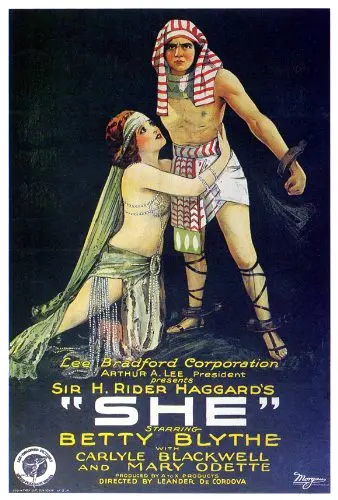
A definitive 5.5/10 rating for a film that redefined the boundaries of cult cinema. She remains a cornerstone of transgressive art.
In the realm of cinematic history, few films have managed to captivate audiences with the same level of mystique and allure as She (1925), a silent film directed by Walter Summers and G.B. Samuelson. This adaptation of H. Rider Haggard's literary masterpiece whisks viewers away to the unforgiving yet majestic landscapes of Africa, where an intrepid explorer finds himself entwined in a forbidden romance with the enigmatic White Queen, a mystical figure rumored to have lived for over 2,000 years.
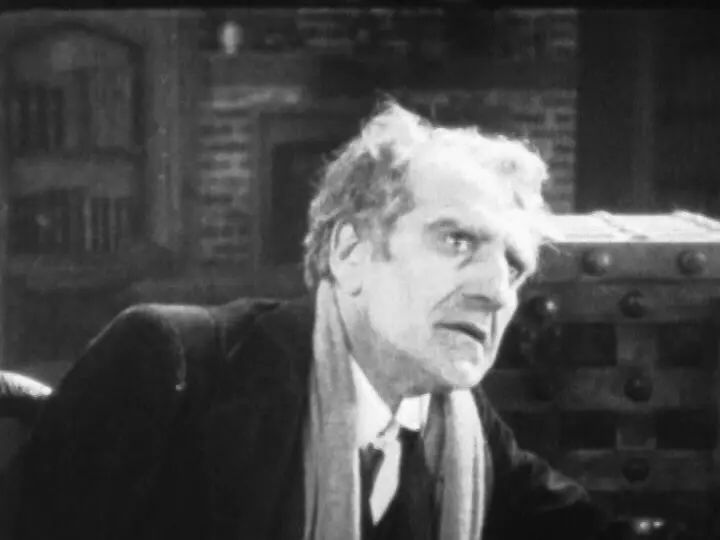
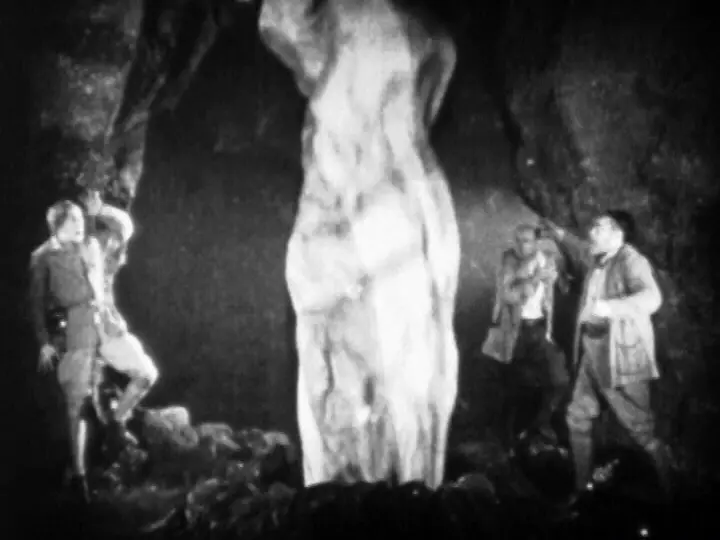
The narrative unfolds with a sense of urgency and curiosity, as our protagonist, driven by an insatiable thirst for adventure and knowledge, ventures into the heart of Africa. His journey is not merely one of geographical discovery but also an odyssey of the soul, as he encounters the White Queen and becomes ensnared in her mystical world. The film's portrayal of Africa, with its sweeping vistas and treacherous terrain, serves as a fitting backdrop for this epic tale of love, loss, and the supernatural.
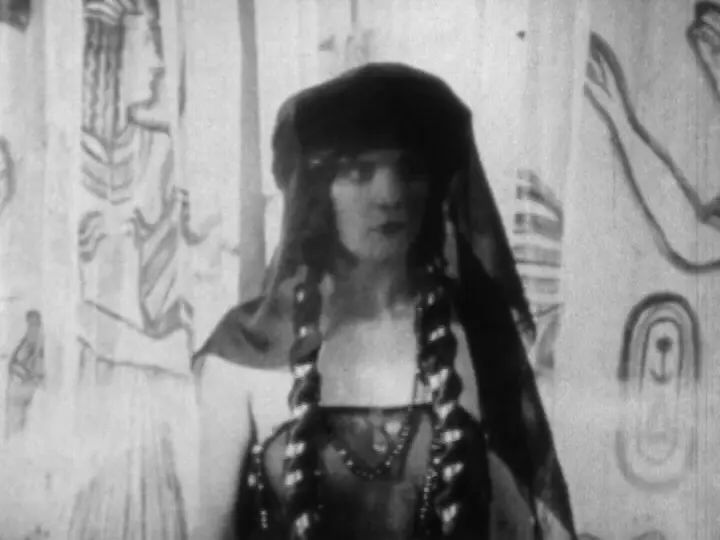
Betty Blythe and Mary Odette deliver performances that are as captivating as they are nuanced, bringing depth and complexity to their respective roles. The chemistry between the leads is undeniable, and their portrayal of the tumultuous relationship between the explorer and the White Queen is both heart-wrenching and awe-inspiring. The supporting cast, including Tom Reynolds and Carlyle Blackwell, add to the film's richness and texture, contributing to a narrative that is as engaging as it is enigmatic.
One of the most striking aspects of She is its thematic resonance with other films of its era. For instance, the romantic and mystical elements of the film are reminiscent of Footlights (1925), another silent film that explores the intersection of love, art, and the human condition. Similarly, the adventurous spirit and exotic locales of She are echoed in Why Elephants Leave Home (1923), a film that also whisks audiences away to distant lands.
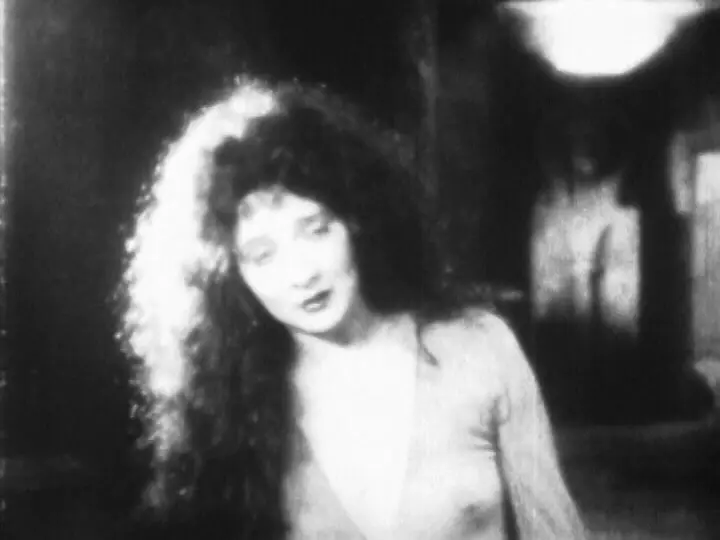
Upon closer inspection, She reveals itself to be a film of profound complexity, with a narrative that deftly interweaves elements of romance, fantasy, and adventure. The film's use of symbolism and metaphor adds layers of depth and meaning to the story, inviting viewers to interpret and reflect on the themes and motifs that are woven throughout the narrative.
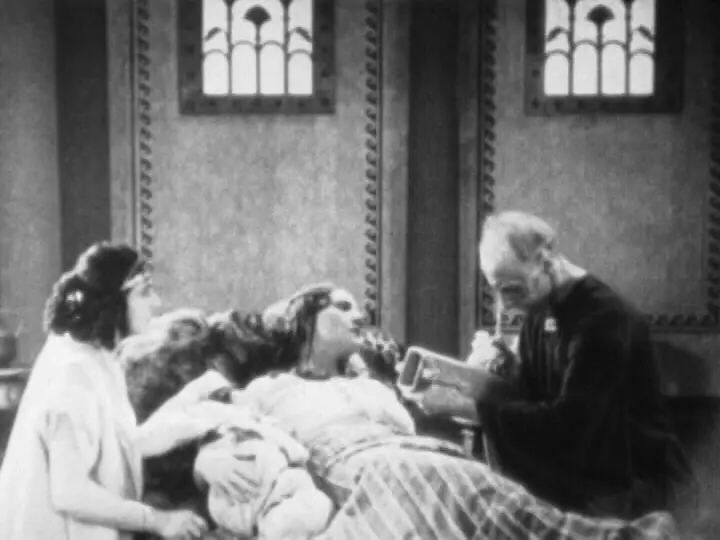
In comparison to other films of the era, such as The Heart of Jennifer (1928) and Man's Plaything (1929), She stands out for its bold storytelling and visionary direction. While films like Terror Trail (1927) and Disraeli (1929) offer thrilling adventures and dramatic tension, She distinguishes itself through its unique blend of fantasy and romance, set against the breathtaking backdrop of Africa.
The film's technical achievements are equally impressive. The cinematography is stunning, capturing the raw beauty and brutality of the African landscape. The use of special effects and set design adds to the film's immersive quality, transporting viewers to a world that is both familiar and exotic.
In conclusion, She (1925) is a masterpiece of silent cinema, a film that continues to captivate audiences with its timeless tale of love, mystery, and adventure. With its rich narrative, stunning visuals, and memorable performances, She remains a must-see for film enthusiasts and historians alike.
For those interested in exploring more films from this era, Le ultime avventure di Galaor (1926) and S.O.S. (1925) offer thrilling adventures and romantic tales, while The Lover of Camille (1925) and Political Pull (1925) provide dramatic insights into the human condition. Additionally, Honeymoon Ranch (1925), Among the Counterfeiters (1925), and Man and Wife (1925) offer compelling stories of love, family, and society.
IMDb —
1917
Community
Log in to comment.