DbcultAccessing Vault...
6.6/10
Senior Film Conservator
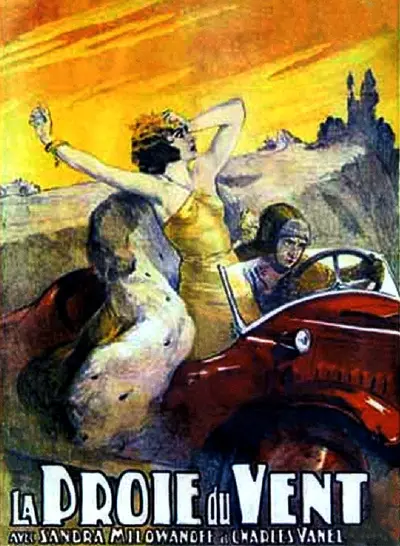
A definitive 6.6/10 rating for a film that redefined the boundaries of cult cinema. La proie du vent remains a cornerstone of transgressive art.
Is René Clair's 1927 silent drama, La proie du vent, still worth watching today? Short answer: yes, but with significant caveats that demand a specific kind of viewer. This film is an essential experience for silent film enthusiasts, students of early French cinema, and anyone fascinated by the nascent visual language of the medium, yet it is decidedly not for those seeking modern pacing, complex character arcs, or a plot-driven, dialogue-heavy narrative.
It's a curious artifact, a testament to the ambitions of a young medium, and while it occasionally soars with inventive visual flair, it frequently stumbles under the weight of its own narrative simplicity. You'll find moments of genuine beauty and tension, but also stretches that test the patience of even dedicated cinephiles.
René Clair, a name synonymous with early French cinema and later, sound film innovation, presents La proie du vent (The Prey of the Wind) as a fascinating, if somewhat uneven, exploration of man versus nature, and man versus himself. The premise is elegantly simple: an aviator, played with a blend of rugged determination and romantic vulnerability by Jean Murat, crash-lands his biplane in an unspecified, remote European country. This initial setup is brimming with potential, immediately stripping our protagonist of his agency and placing him at the mercy of an unfamiliar landscape and its equally unfamiliar inhabitants.
The film quickly pivots from a survival narrative to a more intimate drama, focusing on his entanglement with a local noble and, more significantly, his burgeoning romance with a captivating woman. This shift, while predictable for the era, feels a little jarring in its execution. The initial tension of the crash and the struggle for survival dissipates rather too quickly, replaced by a more conventional melodramatic arc.
Clair, even in these early works, demonstrates a nascent understanding of cinematic rhythm, but it's not always consistent. There are flashes of the visual poetry that would define his later career, particularly in the sequences involving the aircraft itself. Yet, the emotional core, the love story, often feels underdeveloped, relying heavily on the established tropes of silent cinema rather than forging something truly unique.
Let's be direct about La proie du vent:
This film works because of its ambitious visual storytelling and René Clair's clear, albeit early, directorial vision. The aerial sequences, however brief, are impressive for their time, and the film’s ability to convey mood and atmosphere without dialogue is commendable. It's a prime example of silent cinema's unique power.
This film fails because its narrative is thin and occasionally meandering, lacking the compelling character development or intricate plotting that would elevate it beyond a curiosity. The pacing can be sluggish, and the emotional stakes, despite the romantic premise, often feel surprisingly low.
You should watch it if you are a devoted student of film history, particularly interested in the silent era and the evolution of French cinema. It's also for those who appreciate the visual artistry of a director like René Clair, even in his formative years, and are willing to engage with a film on its own historical terms.
The cinematography in La proie du vent, primarily handled by Nicolas Hayer, is a mixed bag, yet undeniably fascinating. There are moments where the camera truly sings, capturing the vastness of the landscape or the intimate details of a character’s expression with striking clarity. The opening sequences, depicting the aviator's flight and subsequent crash, are particularly well-executed, utilizing clever camera angles and editing to convey the thrill and terror of early aviation.
However, these peaks are interspersed with more static, conventional shots that betray the period's limitations. The film often relies on straightforward medium shots and close-ups, which, while effective for conveying basic narrative information, don't always push the boundaries of visual storytelling. Compared to contemporaries like F.W. Murnau or Abel Gance, Clair's visual vocabulary here feels less revolutionary, more exploratory.
One striking example is a shot of the downed plane, a metallic bird broken against the natural world. It’s a powerful image, conveying both the fragility of human endeavor and the unforgiving power of nature. Yet, the subsequent scenes often revert to a more theatrical blocking, losing some of that initial cinematic dynamism. This inconsistency is perhaps its most defining visual characteristic.
The cast of La proie du vent navigates the expressive demands of silent cinema with varying degrees of success. Jean Murat, as the aviator, carries the film's emotional weight. His performance is earnest and often compelling, particularly in moments of physical struggle or quiet contemplation. He embodies the classic silent film hero – stoic, handsome, and capable of conveying inner turmoil through subtle glances and gestures. His initial bewilderment upon crashing is palpable, a testament to his ability to project vulnerability.
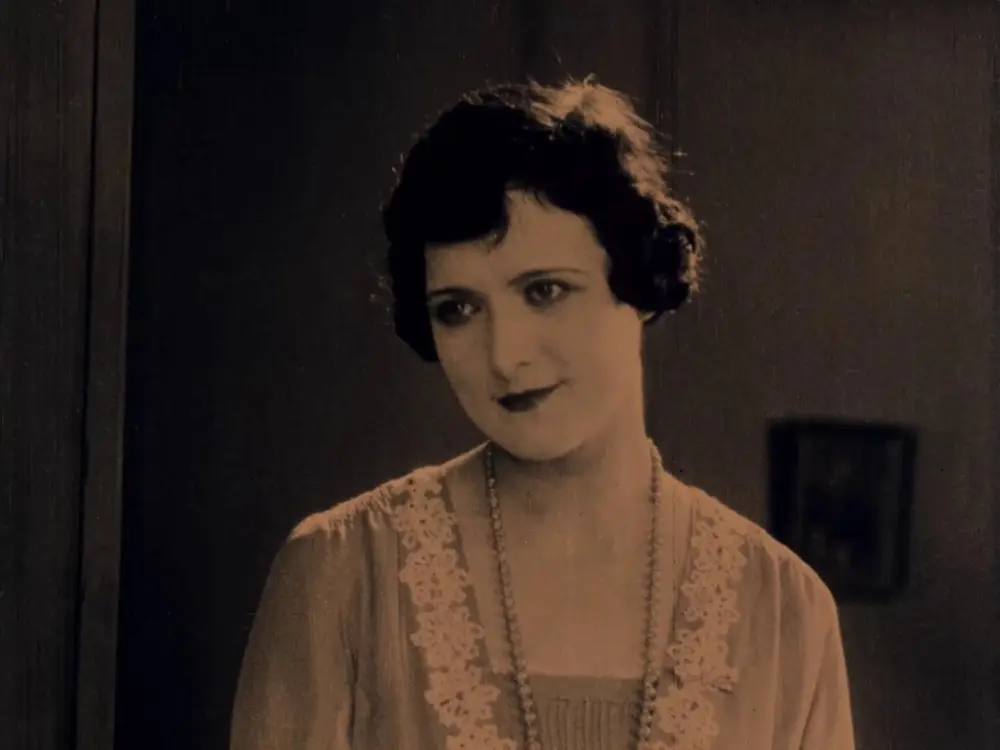
Sandra Milovanoff, portraying the object of his affection, delivers a performance that is graceful and ethereal, yet at times feels a little too passive. Her beauty is undeniable, and she perfectly fits the archetype of the mysterious, alluring foreign woman. However, the script doesn't afford her much opportunity for agency, often relegating her to a reactive role. This is a common failing of many silent films, but it feels particularly pronounced here, making the romance less engaging than it could have been.
Supporting players like Jim Gérald and Charles Vanel add texture to the remote setting, embodying the local populace with a mix of suspicion and curiosity. Vanel, in particular, has a strong screen presence, even in a relatively minor role. Their performances rely heavily on exaggerated gestures and facial expressions, a necessity of the era, but they manage to avoid slipping into outright caricature for the most part.
The pacing of La proie du vent is, to put it mildly, deliberate. This is a film that takes its time, allowing scenes to unfold at a measured pace. For audiences accustomed to modern, rapid-fire editing, this will undoubtedly be a challenge. There are long takes, extended reaction shots, and sequences that linger perhaps a beat too long. This isn't necessarily a flaw, as it allows for a certain meditative quality, but it does demand patience.
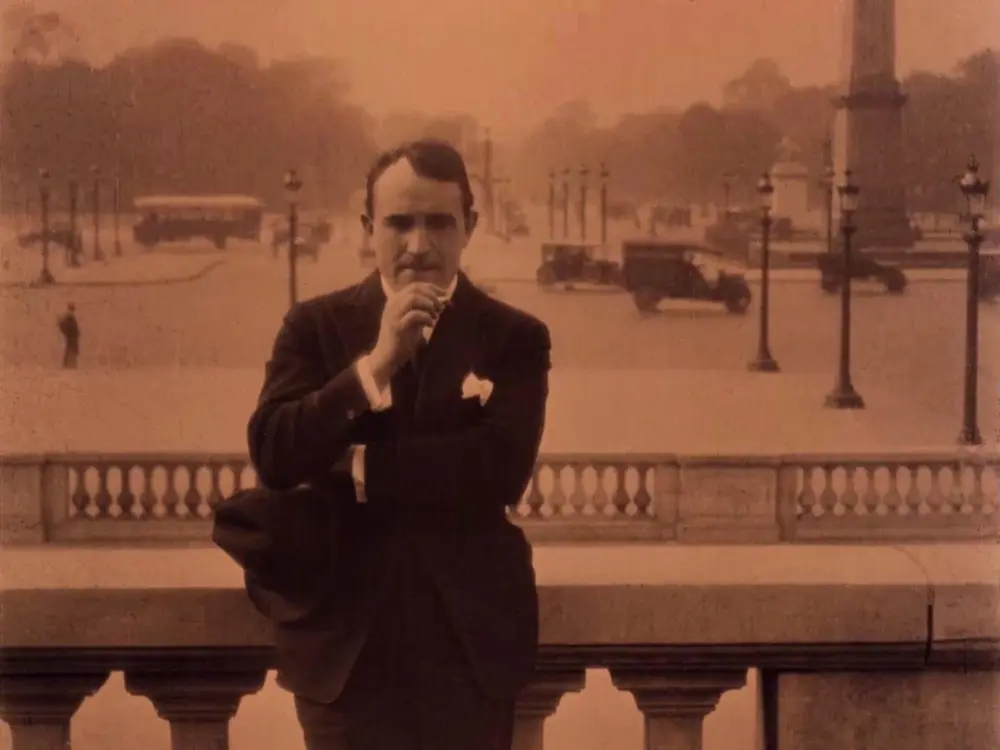
The tone oscillates between adventure, romance, and a subtle undercurrent of melancholy. The initial crash is genuinely thrilling, imbued with a sense of danger and urgency. Yet, once the aviator is rescued, the film settles into a more subdued rhythm, focusing on the cultural clash and the blossoming romance. There’s a certain wistful quality to the film, a sense of a fleeting moment in a forgotten land, which Clair captures effectively. However, the melodramatic elements often feel a touch forced, preventing the emotional core from truly resonating.
One particularly effective sequence involves the aviator attempting to repair his plane, a visual representation of his longing to return to his own world. The frustration and determination are palpable, providing a much-needed injection of purpose into the narrative. These moments of focused action often feel more engaging than the romantic interludes, which tend to drift.
Yes, La proie du vent is worth watching for specific audiences. It offers a valuable window into early French filmmaking and the silent era's unique storytelling conventions. For those interested in René Clair's origins, it's an important piece of his filmography. It's a historical document as much as it is a narrative film.
However, it demands a high level of engagement and an appreciation for cinema's past. Don't expect a fast-paced or emotionally overwhelming experience. Approach it with curiosity and an open mind.
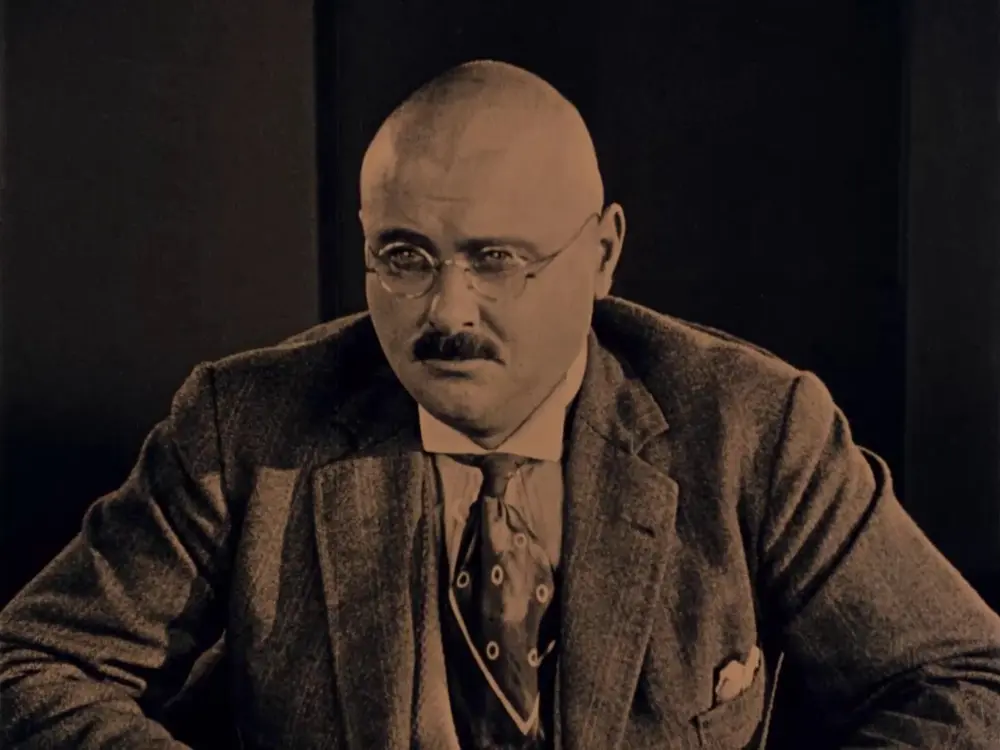
It’s difficult to discuss La proie du vent without acknowledging its place among other silent films that explored themes of adventure and romance. While it lacks the epic scope of something like Abel Gance's Napoléon or the psychological depth of German Expressionism seen in a film like Der Hund von Baskerville, it holds its own as a charming, if somewhat slight, entry. Clair's approach here is more naturalistic than many of his contemporaries, avoiding the overt theatricality that sometimes plagued the genre.
The focus on the aviator and his machine, a symbol of modernity clashing with a more traditional world, is a compelling central idea. This thematic tension is arguably the film’s strongest asset, even if it’s not always fully explored. It sets it apart from more straightforward melodramas of the time, hinting at Clair's later fascination with technology and society.
One unconventional observation is how the film, despite its romantic core, feels more interested in the *idea* of escape and return than in the actual emotional journey of the lovers. The plane often feels like the true protagonist, its repair and potential flight symbolizing the aviator's inner conflict more powerfully than any spoken dialogue could.
Pros:
- Visually ambitious for its time, especially in flight sequences.
- Features a compelling lead performance from Jean Murat.
- Offers a unique glimpse into the early directorial style of René Clair.
- Thematic depth regarding technology versus nature, and alienation.
Cons:
- Pacing can be very slow, testing modern audiences.
- The romantic plot feels underdeveloped and lacks strong chemistry.
- Narrative simplicity can lead to a lack of sustained tension.
- Some visual choices are inconsistent in their innovation.
Ultimately, La proie du vent is a film that commands respect for its ambition and its place in cinematic history, but not necessarily unwavering adoration for its narrative prowess. It works. But it’s flawed. René Clair's early genius shines through in glimmers, particularly in the film's visual language surrounding the aircraft and the remote setting. However, the human drama, while present, often feels secondary to the spectacle of flight and the exoticism of the crash-landed locale.
For those willing to engage with a film on its own terms, understanding its historical context and the limitations of its era, La proie du vent offers a rewarding, if occasionally challenging, viewing experience. It's a film that leaves you contemplating not just the story on screen, but the very evolution of storytelling itself. It’s an acquired taste, perhaps, but one that enriches the palate of any serious film lover.
IMDb 7.1
1924
Community
Log in to comment.