DbcultAccessing Vault...
Cult Review
Senior Film Conservator
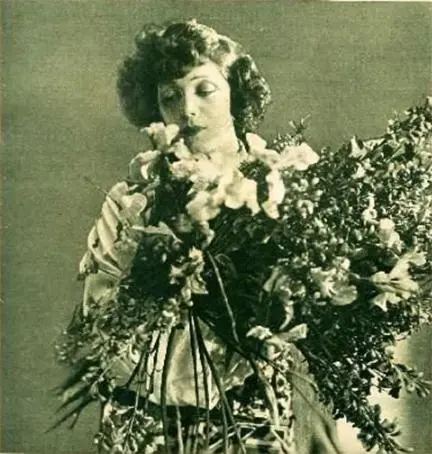
Is La ronde de nuit a film that warrants your attention in an era of high-definition spectacle? Short answer: yes, but only if you are willing to trade narrative speed for atmospheric depth.
This film is for the cinephile who treats the screen like a canvas and the historian who seeks the roots of psychological realism. It is absolutely not for those who require rapid-fire editing or a plot that resolves itself in tidy, predictable beats.
1) This film works because it leverages the iconic presence of Raquel Meller to bridge the gap between theatrical performance and cinematic intimacy.
2) This film fails because its middle chapter meanders through subplots that lack the gravitational pull of the central artistic conflict.
3) You should watch it if you have an affinity for French Impressionist cinema and want to see how silent film used shadow to convey internal turmoil.
Yes, La ronde de nuit remains a vital piece of 1920s cinema. It offers a rare glimpse into the transitional period where film began to assert itself as a serious art form capable of handling complex literary themes. While it lacks the sheer scale of something like Creation, it compensates with a claustrophobic, intense focus on character dynamics.
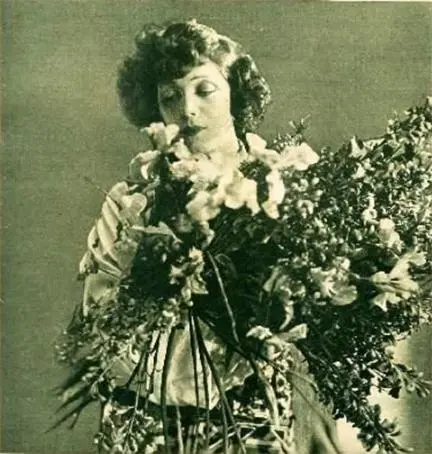
Raquel Meller was more than an actress; she was a cultural phenomenon. In La ronde de nuit, her performance is a masterclass in economy. She doesn't need to flail her arms or exaggerate her facial expressions to convey heartbreak. In the scene where she first sits for the portrait, her stillness is deafening. It is a moment of pure cinema where the camera lingers on her eyes, capturing a sense of weariness that feels centuries old.
This subtlety sets the film apart from many of its contemporaries. While films like The Third Degree relied on externalized drama and frantic pacing, La ronde de nuit is content to sit in the quiet. It understands that the most significant battles are fought within the silence of a gaze. This is the film's greatest strength. It trusts the audience to read between the frames.
The cinematography by Marcel Silver is deeply indebted to the Dutch Masters. The way light spills across the studio floor, illuminating only the edges of the characters, creates a sense of profound isolation. There is a specific sequence involving a nighttime walk through the city streets that rivals the expressionist beauty of La belle Russe. The shadows aren't just lack of light; they are characters in their own right.
The use of the camera is surprisingly modern. There are tracking shots that feel fluid and intentional, guiding the viewer through the opulence of the salons and the grit of the artist's quarters. It creates a visual dichotomy that reinforces the film's themes of class and art. The world of the rich is bright, flat, and sterile. The world of the artist is dark, textured, and alive. It works. But it’s flawed in its pacing.
Pierre Benoît was a writer who understood the power of a slow-burn narrative. His influence on the script is evident in the way the plot unfolds like a novel. Each character is given a backstory that, while not always fully explored on screen, feels present in their interactions. However, this literary approach is a double-edged sword. At times, the film feels weighted down by its own ambition.
There are moments where the intertitles feel excessive, trying to explain emotions that the actors have already successfully conveyed. This is a common pitfall of the era, but it’s particularly noticeable here because the visual storytelling is so strong. When the film lets the images speak, it soars. When it relies on text, it stumbles. It’s a tug-of-war between two mediums that hadn't quite found their perfect balance yet.
When we look at La ronde de nuit alongside other films of the mid-20s, like Who Killed Simon Baird? or the whimsical A Friendly Husband, we see a film that is trying to do something much more somber. It lacks the populist appeal of Betty and the Buccaneers, choosing instead to dwell in the uncomfortable spaces of human desire and regret.
This seriousness is both its greatest asset and its most significant barrier to entry. It demands a level of focus that many contemporary films don't. It is a film that requires you to lean in. If you do, the rewards are plenty. If you don't, it will feel like a beautiful but empty relic. The film doesn't just sit there; it stares back at you.
While Meller is the star, the supporting cast provides a necessary friction. Suzanne Bianchetti brings a sharp, cold elegance to her role that contrasts perfectly with Meller's raw warmth. Vladimir Gajdarov, playing the artist, manages to avoid the 'tortured genius' clichés that often plague these types of roles. He plays the character with a sense of technical precision that makes his eventual emotional breakdown feel earned rather than performative.
The chemistry between the leads is subtle. It’s not about grand romantic gestures; it’s about the way they occupy the same space. In the final act, the tension between the characters reaches a boiling point that is handled with surprising restraint. There are no histrionics, just a quiet realization of the damage they have done to one another. It’s brutal. It’s honest. It’s rare for 1925.
Cons:
The film’s title, a direct reference to Rembrandt’s The Night Watch, is not just for show. It serves as a thematic anchor. Just as the painting was misunderstood and controversial in its time, the film deals with the idea of being 'seen' versus being 'understood'. The characters are constantly watching one another, yet they remain fundamentally isolated. It’s a sophisticated concept for a silent melodrama and one that elevates it above standard fare like Stop That Wedding.
In many ways, La ronde de nuit is a precursor to the psychological thrillers of the 1940s. It shares that same DNA of shadows, secrets, and the weight of the past. To watch it today is to see the blueprints of modern noir being drawn in real-time. It is a foundational text, even if it has been largely forgotten by the mainstream.
La ronde de nuit is a difficult, beautiful, and ultimately rewarding experience. It is a film that refuses to offer easy answers, choosing instead to linger in the gray areas of the human condition. Raquel Meller’s face is a landscape of emotion that justifies the runtime on its own. While the narrative occasionally stutters, the visual conviction of Marcel Silver never wavers. It is a triumph of mood over mechanics. If you have any interest in the history of cinema as an evolving visual language, this is essential viewing. It is a ghost of a film, haunting and luminous, that deserves to be seen in the light of the 21st century.
“A silent film that speaks louder than most modern talkies through the sheer power of its visual composition and Meller’s transcendent gaze.”
IMDb —
1927
Community
Log in to comment.