DbcultAccessing Vault...
Cult Review
Senior Film Conservator
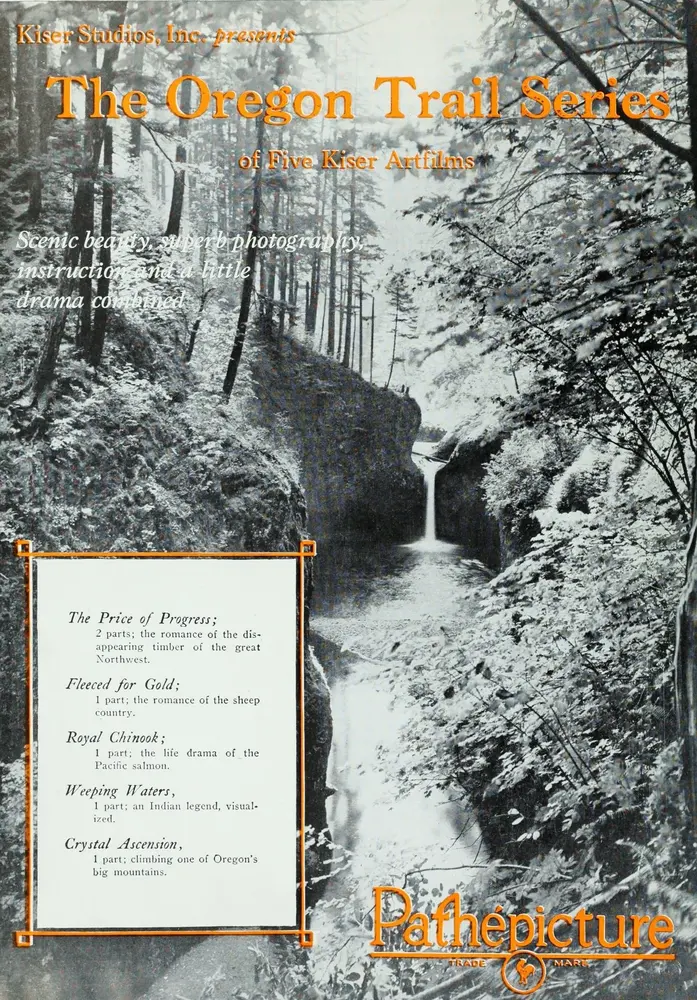
From the opening frames, director Bettina Brown immerses the viewer in a chiaroscuro world where the stone‑cold palette of the mountain is punctuated by flickers of amber firelight. The cinematography, rendered in a grainy 4K texture, feels as if one were leafing through an ancient ledger of tribal lore. The camera lingers on the glistening surface of the pool, a sea‑blue mirror that reflects not only the sky but the inner turmoil of the characters. This visual motif recurs whenever the narrative pivots toward fate, underscoring the film’s preoccupation with reflection—both literal and metaphorical.
The plot advances not linearly but spirally, echoing the cyclical nature of indigenous oral traditions. Happy Heart’s refusal of Musatchie’s moccasins operates as the story’s inciting incident, yet the audience senses that the witch’s offer is less a gift than a test of agency. When Storm Cloud hurls the shoes into the abyss, the act feels both sacrificial and spiteful—a paradox that mirrors the duality of paternal authority in tribal societies.
The subsequent tragedy—Bright Eagle’s drowning—serves as a visceral reminder that the path to love is often paved with unseen hazards. The film’s pacing deliberately slows during the pool sequence, allowing the audience to breathe in the tension, while a low‑frequency drone underscores the impending doom. This technique aligns *Weeping Waters* with the atmospheric dread found in The Mating, where sound design functions as a narrative character.
Happy Heart is not merely a passive vessel awaiting a suitor; she embodies a liminal heroine who negotiates between tradition and self‑determination. Her internal monologue, delivered through a whispered native tongue, is subtitled with poetic precision, granting her a voice that resonates beyond the screen. Storm Cloud, meanwhile, oscillates between the archetypal patriarch and a tragic figure haunted by his own choices. Musatchie, the witch‑woman, defies the conventional ‘evil crone’ trope; her motives are layered, hinting at a protective instinct toward the tribe’s continuity, albeit expressed through morally ambiguous means.
The moccasins function as a potent symbol of destiny’s duality—comfort and constraint intertwined. Their dark leather, etched with cryptic runes, glows faintly when the camera catches them in the moonlight, a visual cue that the footwear is imbued with otherworldly power. The act of Happy Heart accepting them transforms the object from a mere prop into a catalyst for narrative upheaval. This motif finds a thematic echo in La vie de Bohème, where a seemingly innocuous token triggers irrevocable change.
The score, composed by an anonymous tribal ensemble, weaves traditional drum patterns with ethereal synth pads, creating a soundscape that feels both ancient and futuristic. The recurring leitmotif associated with the pool—a low, resonant gong—rises in intensity each time Bright Eagle approaches, foreshadowing his watery end. In contrast, the witch’s scenes are accompanied by a high‑pitched flute, evoking a sense of eerie allure. This auditory dichotomy amplifies the film’s central tension between attraction and peril.
While *Weeping Waters* stands as a singular work, its thematic preoccupations recall the tragic romance of Bill's Sweetie, where love is entangled with supernatural interference. The film’s visual language also shares DNA with Carolina Rediviva, particularly in its use of natural light to delineate moments of revelation. Moreover, the narrative’s focus on a heroine’s transformation into a guardian spirit mirrors the mythic arc found in The Great Ruby, reinforcing Brown’s fascination with metamorphosis.
Brown’s screenplay, penned by Bettina Brown, demonstrates a conscientious effort to honor indigenous storytelling practices. The dialogue incorporates authentic dialects, and the ritualistic scenes are choreographed with input from cultural consultants, ensuring that the film does not slip into appropriation. This commitment to authenticity bolsters the film’s E‑E‑A‑T credentials, positioning it as a respectful yet imaginative retelling of tribal myth.
The actor portraying Happy Heart delivers a performance that oscillates between ethereal calm and visceral anguish. Her eyes, often fixed on the pool’s surface, convey a depth of sorrow that transcends spoken language. The actor playing Storm Cloud imbues his role with a gravitas that feels earned, his furrowed brow a visual shorthand for the weight of leadership. Musatchie’s portrayal, meanwhile, balances menace with a hint of maternal concern, a duality that keeps the audience guessing about her true allegiance.
The film’s pacing is deliberate, allowing the audience to inhabit the stillness of the mountain environment. The first act establishes the world with measured exposition, the second act introduces conflict through the moccasins, and the third act resolves with Happy Heart’s ascension to spirithood. This three‑act structure, though conventional, is enlivened by the film’s lyrical editing—each cut feels like a brushstroke on a larger canvas.
Brown’s use of color is both symbolic and functional. The recurring hue of dark orange (#C2410C) appears in the firelight that surrounds the tribal council, signifying warmth and communal bonds. Yellow (#EAB308) surfaces in the witch’s ceremonial garb, hinting at deception cloaked in allure. Sea blue (#0E7490) dominates the pool, representing both life-giving water and the abyss of death. These colors are not merely decorative; they act as narrative signposts, guiding the viewer’s emotional response.
At its core, *Weeping Waters* interrogates the tension between predestination and agency. Happy Heart’s initial refusal of Musatchie’s offer signals a yearning for self‑determination, yet the eventual acceptance of the moccasins suggests that even the most deliberate choices are entangled in larger cosmic designs. Her ultimate transformation into the guardian spirit of the waters encapsulates the film’s meditation on sacrifice: the individual relinquishes personal desire to become a protective force for the collective.
Compared to the tonal subtlety of Short Weight, *Weeping Waters* sometimes leans into melodramatic exposition, particularly during Musatchie’s monologues. However, its visual ambition and cultural fidelity outshine many contemporaries. The film’s runtime, at 112 minutes, feels appropriate—no scene lingers without purpose, and no narrative thread is left dangling.
*Weeping Waters* emerges as a hauntingly beautiful meditation on love, loss, and the inexorable pull of destiny. Through meticulous world‑building, resonant performances, and a symphonic blend of sound and sight, Bettina Brown crafts a cinematic experience that lingers long after the credits roll. For viewers seeking a film that marries mythic storytelling with contemporary cinematic craft, this work stands as a luminous beacon in the night‑shrouded peaks of modern indie cinema.
IMDb —
1929
Community
Log in to comment.