DbcultAccessing Vault...
Cult Review
Senior Film Conservator
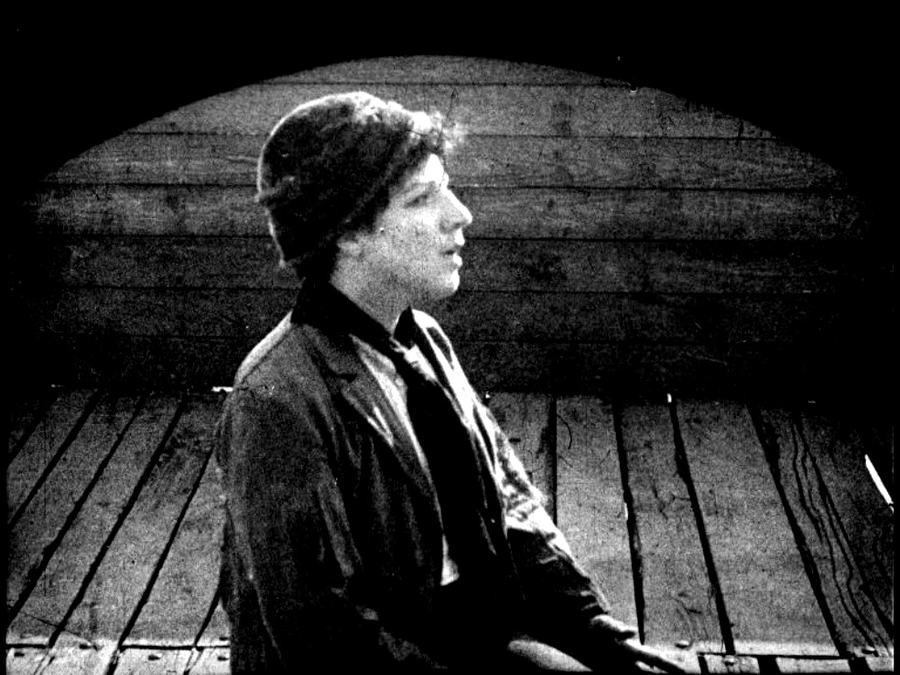
La sagra dei martiri is a film that demands to be felt as much as it is understood—a visceral excavation of political despair and the corrosive weight of idealism. Directed by Ennio Grammatica and co-written with Carlo Dadone, the narrative unfolds like a slow-burning fuse, its tension built not on action but on the suffocating atmosphere of a world on the brink. The central premise—a man’s suicide as a symbolic weapon against tyranny—might sound like a dramatic cliché, yet here it is rendered with such raw authenticity that it transcends mere metaphor and becomes a haunting meditation on agency in the face of oppression.
Piola Pezzaglia, in her role as the spectral muse of the protagonist, embodies the anguish of a generation caught between loyalty and rebellion. Her performance is a masterclass in subtlety, her eyes reflecting the fractured psyche of a woman who has loved a man whose ideals devoured him. Ettore Piergiovanni, as Giulo Grammmatica, is the film’s emotional nucleus—a man whose final act is both a cry of defiance and a confession of futility. The chemistry between Pezzaglia and Piergiovanni is electric, their scenes together a dance of unresolved tension that mirrors the broader political chaos of the narrative.
Grammatica’s direction is less about grand gestures and more about the poetry of stillness. The camera lingers on the mundane—cracked walls, flickering chandeliers, the rustle of a dress over cobblestones—transforming these into symbols of a decaying order. The film’s palette is deliberately muted, with occasional bursts of color that feel like intrusions from another reality. This visual restraint amplifies the emotional weight of the story, creating a sense of claustrophobia that mirrors the characters’ psychological states.
Thematically, La sagra dei martiri draws parallels to The Beggar of Cawnpore, another work that grapples with the intersection of personal sacrifice and political upheaval. However, where that film leans into allegory and historical grandeur, Grammatica’s piece is grounded in intimate despair. The comparison to Under the Greenwood Tree is also apt in its exploration of how societal structures—whether feudal or fascist—oppress individual agency. Yet Grammatica adds a layer of existential dread absent in his contemporaries, making the film feel both timeless and urgently contemporary.
One of the film’s most striking elements is its sound design. The absence of music in key scenes—such as the haunting sequence where Pezzaglia’s character walks through a deserted piazza—creates a vacuum of meaning, forcing the audience to confront the silence as a character in itself. This technique is reminiscent of Andrei Tarkovsky’s use of time and space but adapted to a European context. The only auditory relief comes from the distant hum of machinery, a constant reminder that the world continues to turn, indifferent to the suffering of individuals.
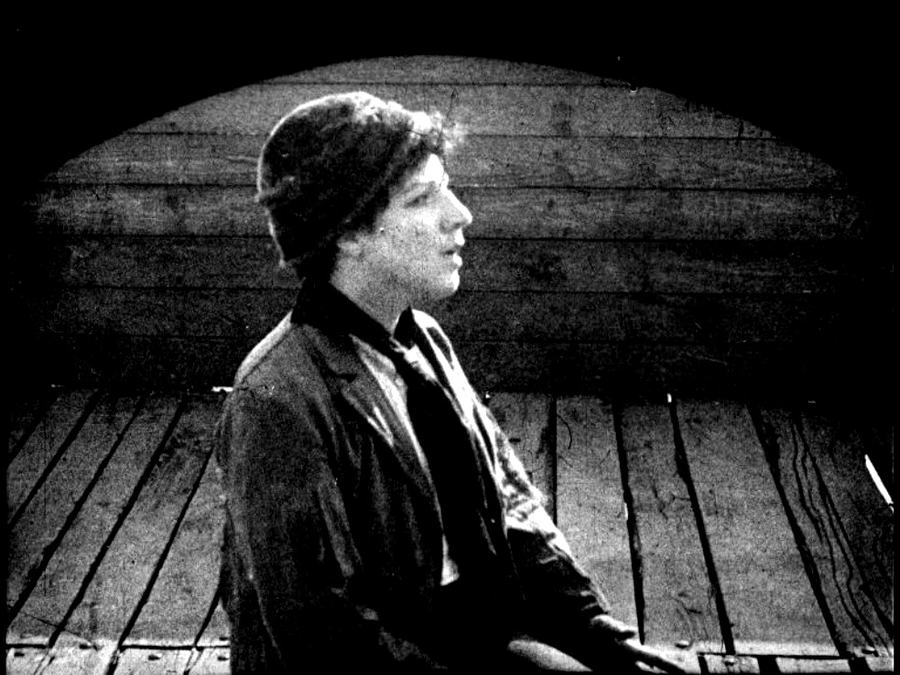
The script, co-written by Grammatica and Dadone, is a labyrinth of philosophical inquiry. Dialogues are sparse yet loaded with subtext, each line a potential minefield of unspoken history. The film avoids didacticism, instead allowing the audience to piece together the moral ambiguities of its characters. This narrative ambiguity is most evident in the portrayal of Mussolini—a phantom presence whose shadow looms over every decision. The leader is never shown directly, yet his influence is felt in every crumbling statue and whispered conversation.
Technically, the film is a triumph. Cinematographer Carlo Dadone’s work is nothing short of breathtaking, with each frame composed like a Renaissance painting. The use of natural light and shadow is particularly noteworthy, creating a chiaroscuro effect that mirrors the moral duality of the characters. The editing, by contrast, is fluid yet deliberate, ensuring that the narrative’s emotional beats land with maximum impact. The final act, a single-take sequence that follows Pezzaglia’s character through a burning archive, is a technical marvel that cements the film’s place among the year’s most ambitious works.
While some critics may argue that La sagra dei martiri sacrifices accessibility for abstraction, the film rewards patience with its layered symbolism. The recurring motif of water—rain, fountains, and the final drowning of a photograph—serves as a metaphor for both purification and erasure. This duality is central to the film’s message: that revolutions, like suicides, are acts of both creation and destruction.
In the pantheon of politically charged cinema, this film holds a unique position. It shares the stark realism of The Jungle but tempers it with the lyrical sensibility of The Weaker Sex. The pacing, however, is more akin to The Way of the World, with its slow burn and emphasis on character over plot. Yet Grammatica’s work is distinctly his own, a synthesis of European auteurism and classical storytelling techniques.
The film’s final moments are a masterstroke of ambiguity. As the camera pulls back from a burning building, the audience is left to wonder whether this is a rebirth or an end. The answer, as Grammatica suggests, is both. In a world where absolutes are illusions, the act of questioning becomes the only form of resistance. This is the legacy of La sagra dei martiri: a challenge to the viewer to find meaning in the chaos, to see the beauty in the ruins.
For those seeking a traditional narrative arc, this film may prove frustrating. But for those willing to embrace its dissonance, it is a revelation. Grammatica and Dadone have crafted a work that is as uncomfortable as it is profound, a mirror held up to the contradictions of the human spirit. In an era where cinema often prioritizes spectacle over substance, La sagra dei martiri is a reminder of the medium’s power to disturb, to provoke, and to illuminate.
IMDb 6
1925
Community
Log in to comment.