DbcultAccessing Vault...
Cult Review
Senior Film Conservator
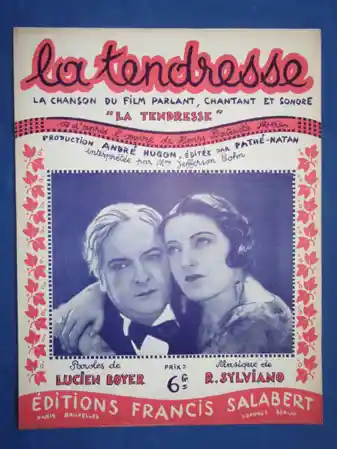
Honestly? Only if you have a massive crush on early 1930s French aesthetics or you’re trying to win a very specific trivia night. It’s a slow burn that sometimes feels like the fire forgot to start.
People who love filmed plays will probably find this charming. If you want anything resembling an action scene, you should probably go watch Speeding Through instead.
I watched this one late at night and kept thinking about how loud the silence is in these early sound movies. You can hear the hiss of the film track more than the actual actors sometimes.
The movie is based on a play by Henry Bataille, and boy, does it let you know. It feels like the camera is a polite guest sitting in the corner of the room, afraid to move too much.
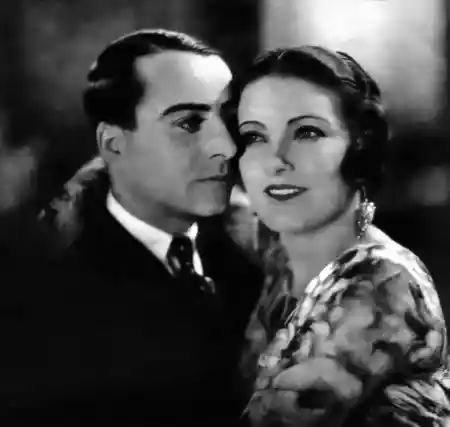
The sets are gorgeous, though. Everything looks expensive and slightly cold, like a museum where you aren't allowed to touch the chairs.
There is this one scene where Marcelle Chantal is wearing a dress that looks like it weighs forty pounds. She moves like she’s trying not to tip over.
Jean Toulout plays the husband, Paul. He’s a big-shot writer who thinks he has everything figured out until he realizes his wife, Marthe, is seeing someone else.
Usually, in these movies, someone pulls out a gun or starts screaming. Here, they just talk. And talk. And then talk some more.
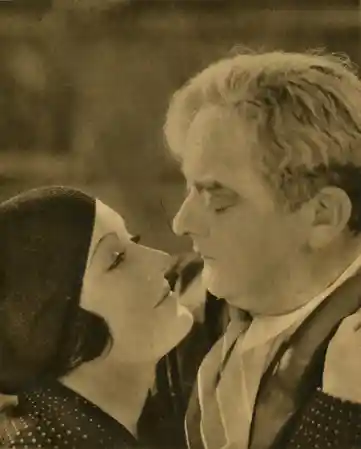
The whole 'tenderness' thing is the core of the movie. It’s that idea that being kind to someone is more important than being 'in love' with them. It’s very French and very 1930.
I found myself wondering if Paul ever actually liked his wife, or if he just liked having a pretty person to listen to his scripts. He seems more upset about the betrayal of his ego than his heart.
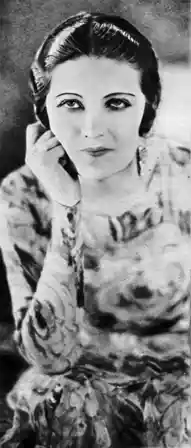
Marcelle Chantal has these huge eyes that do most of the heavy lifting. When the dialogue gets a bit woodden, her face usually saves the scene.
Jean Toulout is... fine. He’s very stiff. He reminds me of a statue that somehow learned how to grumble. He lacks the charisma you see in actors from something like The Great Shadow.
The supporting cast mostly just pops in to deliver a line and then disappears. It’s very much the 'The Paul and Marthe Show.'
I did like the actor playing the lover, José Noguéro. He looks like he’s having a much better time than everyone else in the movie. Probably because he doesn't have to deliver the long speeches about the philosophy of the soul.
The ending is kind of a letdown if you’re looking for a big resolution. It just sort of... stops. It’s like the film ran out or the actors got tired of standing up.
It’s not a bad movie, just a very specific one. It reminded me a bit of the pacing in The Barricade, where you’re just waiting for a punchline that never comes.
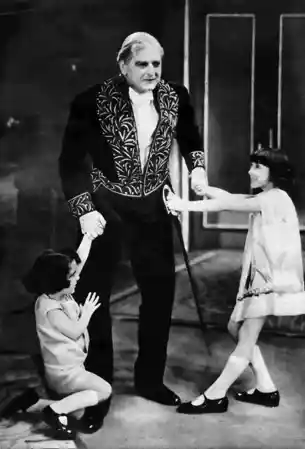
If you’re into the history of how people talked about relationships before everyone became cynical, give it a go. Otherwise, maybe just look at some still photos of the costumes. They’re the best part anyway.
I think I missed a bit of the dialogue in the middle because I got distracted by a very fancy clock on the mantelpiece. 🕰️
Anyway, it’s fine. Not a masterpiece, but a decent way to spend a rainy afternoon if you want to feel sophisticated without actually doing any work.
In the end, La tendresse is about exactly what the title says. It’s soft, a bit blurry, and doesn't want to hurt anyone's feelings. Sometimes that’s enough. Most times, it’s just a bit boring.
IMDb —
1916
Community
Log in to comment.