DbcultAccessing Vault...
Cult Review
Senior Film Conservator
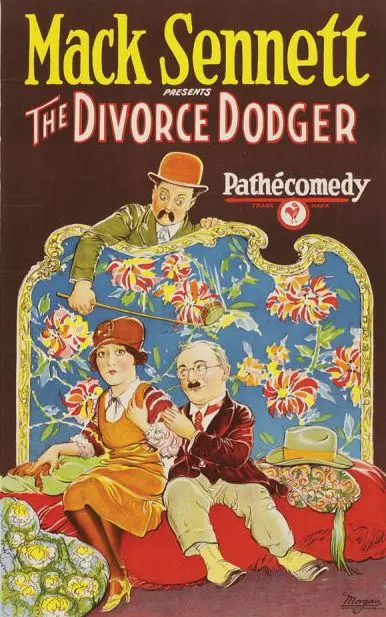
Is The Divorce Dodger worth watching today? Short answer: yes, but with significant caveats. This particular Billy Bevan vehicle, a silent-era short from the roaring twenties, offers a fascinating glimpse into the foundational mechanics of screen comedy, yet it demands a certain patience from the modern viewer. It’s a film best suited for cinephiles, students of silent cinema, and those with a deep appreciation for the physical humor that defined an era, but it will likely test the patience of anyone accustomed to contemporary pacing and narrative depth.
The film works because it brilliantly showcases the unparalleled comedic timing and rubber-faced elasticity of Billy Bevan, a true unsung hero of silent slapstick. It fails because its plot, while foundational for farce, is thin even by 1920s standards, relying heavily on predictable setups that can feel repetitive to an uninitiated audience. You should watch it if you're keen to understand the roots of visual comedy, appreciate the artistry of silent performance, or simply enjoy a light, frantic escape into a bygone cinematic world.
The premise of The Divorce Dodger is, in essence, a masterclass in comedic simplicity: a man, Billy Bevan’s hapless protagonist, finds himself the unwitting target of a meticulously crafted setup. His wife, clearly tired of the marital bond, engages a cunning divorce lawyer whose strategy involves fabricating an affair between Bevan and his innocent secretary, Thelma Hill. It’s a plot device that has been rehashed countless times since, but here, in its nascent form, it possesses a raw, unadulterated energy.
The beauty of silent comedy, particularly shorts like this, lies not in intricate twists, but in the escalating chaos of its central predicament. Bevan, with his signature blend of wide-eyed innocence and exasperated bewilderment, becomes a human pinball, ricocheting through situations designed to compromise him. The humor derives from his increasingly desperate attempts to maintain decorum and avoid the traps set by the nefarious attorney and his agents.
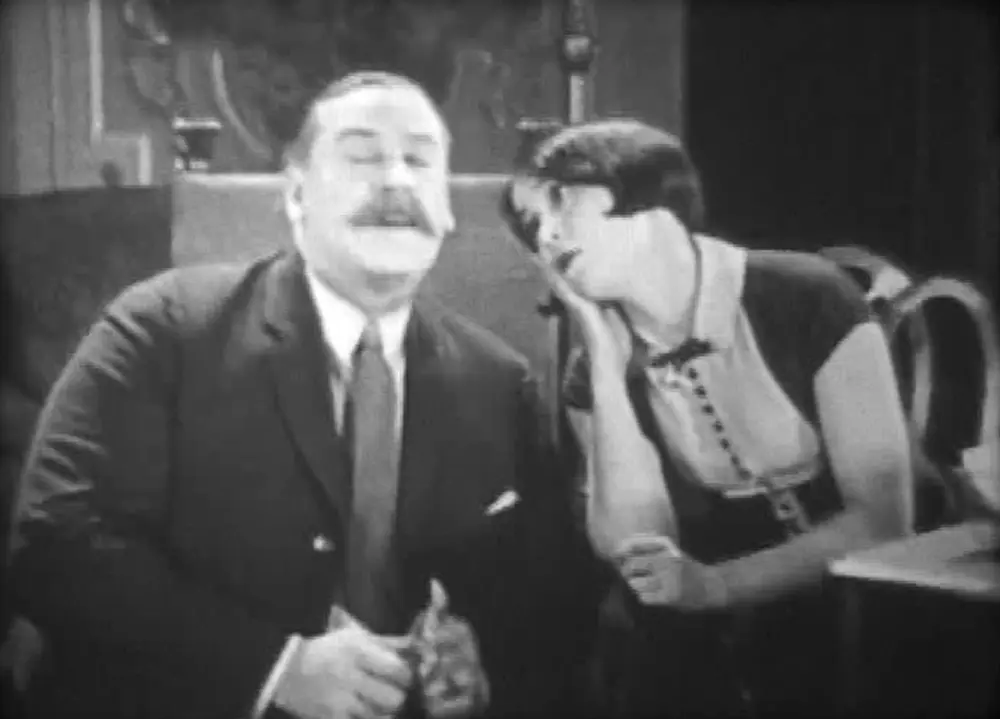
The casting here is key. Billy Bevan, often overshadowed by the likes of Chaplin and Keaton, was a titan of physical comedy. His ability to convey a universe of emotion with a single facial contortion or a frantic flail of his limbs is on full display. He embodies the everyman caught in an absurd predicament, making his struggles relatable even as they become wildly exaggerated. Thelma Hill, as the secretary, provides a crucial counterpoint. Her innocent, often oblivious reactions to the unfolding drama heighten the comedic irony.
Consider, for instance, a scene where Bevan might inadvertently trip over a strategically placed rug, sending him sprawling into a compromising embrace with Hill, just as a photographer's flash bulb ignites. It’s the meticulous timing of such visual gags, the way the actors sell the moment through exaggerated physical reactions, that makes these films work. Bevan’s contorted face, a mix of horror and confusion, is a comedic goldmine.
Directing silent comedies was a unique art form, relying heavily on visual storytelling and rhythmic pacing, especially given the limited use of intertitles. The director of The Divorce Dodger, likely operating within the well-oiled machine of a studio like Mack Sennett’s, understood this implicitly. The film’s pacing is relentless, a rapid-fire succession of gags designed to elicit continuous laughter.
Unlike modern comedies that often build to a punchline, silent farces like this deliver punchline after punchline, a machine-gun approach to humor. This means scenes rarely linger; they serve their comedic purpose and then quickly transition to the next setup. This can be jarring for contemporary viewers accustomed to slower narrative development and character introspection. Yet, it’s precisely this frantic energy that keeps the film from ever feeling truly dull, despite its simple plot.
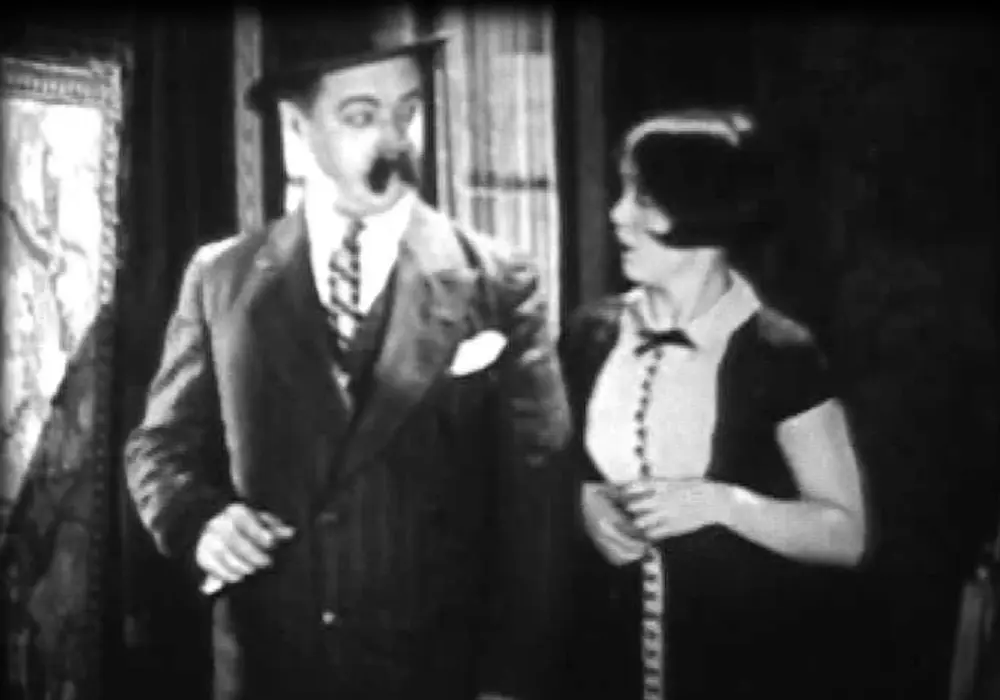
The visual language is paramount. The director uses wide shots to capture the full scope of physical comedy, allowing Bevan's entire body to become an instrument of humor. Close-ups are reserved for exaggerated expressions, emphasizing the emotional turmoil or wicked glee of the characters. Think of the lawyer, Hubert Diltz, perhaps, with an almost cartoonishly villainous smirk filling the frame, a clear signal of his Machiavellian intent.
The editing, though rudimentary by today's standards, is crucial for maintaining this comedic rhythm. Cuts are often quick, propelling the action forward, matching the rapid movements of the actors. This approach creates a sense of escalating panic for Bevan's character, mirroring the audience's growing amusement. It's less about subtle artistry and more about effective, efficient joke delivery.
Billy Bevan is, without question, the centrifugal force of The Divorce Dodger. His performance is a masterclass in silent-era physical comedy. He doesn't just act; he contorts, he leaps, he grimaces, and he tumbles, all with an astonishing precision that makes every movement a punchline. His 'everyman' quality makes him instantly likable, ensuring the audience roots for him despite the ridiculousness of his predicament. He truly was a comedic genius, arguably as impactful in his specific niche as figures like Harry Langdon or Harold Lloyd.
The supporting cast, while less prominent, plays their roles with the necessary broad strokes. Thelma Hill, as the innocent secretary, is more than just a prop; her understated reactions to Bevan's increasingly frantic antics often generate their own quiet laughs. She’s the calm eye in the storm of Bevan's chaos, and her genuine obliviousness serves to highlight the absurdity of the lawyer's scheme. Her performance, while not as overtly physical as Bevan's, is a subtle anchor.
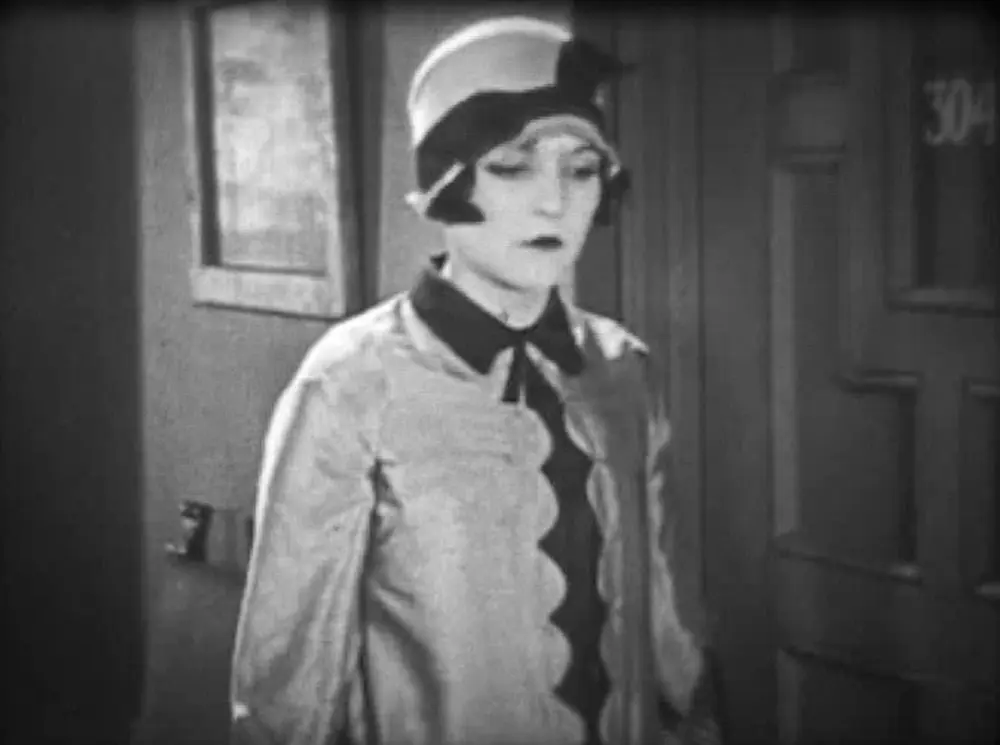
Barbara Tennant, presumably as the wife, and Hubert Diltz as the scheming lawyer, fulfill their archetypal roles with gusto. Diltz, in particular, must embody pure villainy, a caricature of legal malpractice, which he likely achieves through exaggerated gestures and a perpetually sinister expression. The ensemble works like a well-oiled machine, each member understanding their role in the comedic symphony. The film Skippers and Schemers, another short from the era, often showcased similar ensemble dynamics, where each character's specific comedic function was finely tuned.
It's a testament to Bevan's magnetic screen presence that he can carry such a slight narrative on his shoulders, transforming what could be a forgettable short into a memorable showcase of his unique talents. His ability to generate empathy and laughter simultaneously is a rare gift.
The cinematography of The Divorce Dodger, typical of its era, is functional rather than groundbreaking. The focus is on clarity and capturing the action, not on artistic flourishes. Lighting is generally flat but effective, ensuring every sight gag is visible. Camera movements are minimal, mostly static shots or simple pans to follow the action. This isn't a film that strives for the visual poetry of a Murnau or a Griffith; it aims for comedic efficiency.
However, within these constraints, there's a certain charm. The black-and-white photography lends a timeless quality, enhancing the period feel without distracting from the gags. The visual texture, the graininess often present in surviving prints, adds to its historical authenticity. It reminds us of a time when film was still a relatively young medium, its language still evolving.
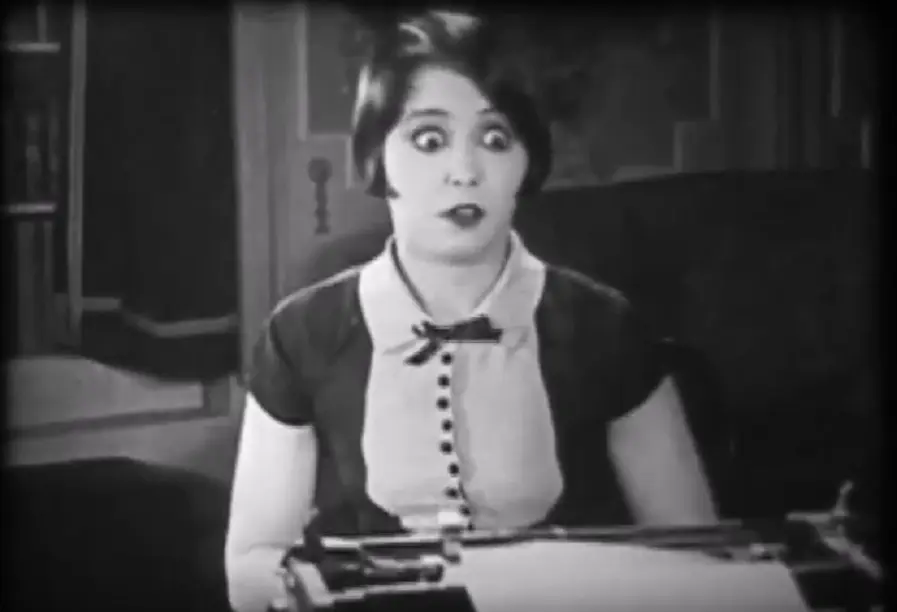
The tone is purely farcical. There's no deep emotional resonance, no profound social commentary beyond the surface-level observation of marital discord. It's escapism, pure and simple, designed to provide unadulterated laughter. This unpretentious approach is part of its appeal. It never tries to be more than it is: a tightly constructed, laugh-out-loud comedy short. In this regard, it shares much with other unpretentious comedies of the era like The Honeymoon, which also focused on straightforward comedic situations.
The use of intertitles is sparse but effective, providing necessary plot points or amplifying a punchline. They are integrated seamlessly, never interrupting the flow of the visual comedy but rather supporting it. This careful balance is a hallmark of well-executed silent shorts, ensuring the audience remains engaged without becoming bogged down in text.
Yes, for specific audiences. It offers a window into early cinematic comedy. It's a valuable historical artifact. It showcases the unique talents of Billy Bevan. It’s a brisk, unpretentious watch. It can feel dated. Its humor is broad. It lacks modern narrative complexity.
Ultimately, The Divorce Dodger is more than just a relic; it’s a vibrant, if slight, piece of cinematic history. It works. But it’s flawed. Its true value lies in its unapologetic embrace of pure, unadulterated farce and, more importantly, in providing a spectacular showcase for the underappreciated genius of Billy Bevan. He is the heart and soul of this picture, elevating what could have been a forgettable short into a spirited, if somewhat repetitive, comedic exercise. For those with an appetite for the silent era's unique brand of humor, and a particular fondness for physical comedy, this film is a delightful diversion. It’s a testament to the enduring power of a well-executed visual gag, even a century later. However, if you're seeking a profound narrative or cutting-edge humor, this particular dodge might be one to pass on. It’s a film for the connoisseur, not the casual browser, but for that specific audience, it delivers genuine, if fleeting, chuckles. It’s a testament to the enduring power of a well-executed visual gag, even a century later. My final stance: it's an essential watch for film historians and silent comedy aficionados, a charming curiosity for others, but not a universal recommendation for the modern moviegoer.
IMDb 4.7
1936
Community
Log in to comment.