DbcultAccessing Vault...
6.6/10
Senior Film Conservator
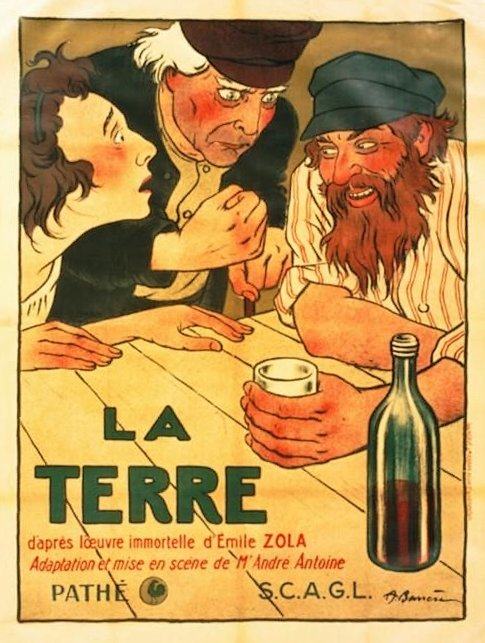
A definitive 6.6/10 rating for a film that redefined the boundaries of cult cinema. La terre remains a cornerstone of transgressive art.
Picture nitrate flickering through a carbon-arc beam: every granule of soil seems to exhale. André Antoine, erstwhile apostle of naturalism, does not merely film the land; he thrusts the viewer chin-deep into it. The opening intertitle—hand-lettered, sweat-stained—reads "La terre ne pardonne pas", and for the next seventy-three minutes you believe her.
Jean Hervé’s Jean arrives with cracked boots and a gaze that remembers every mile of hunger. His body language—shoulders neither slouched nor squared—signals a man who has learned that neutrality is the sole currency left to the penniless. Watch the way he wipes sweat with the back of a wrist: a single gesture that foreshadows the moral wipeout to come.
Jeanne Briey’s Françoise is no pastoral maiden awaiting rescue; her fingernails carry loam, her lower lip the permanent indent of a bite that suppresses scream. She is the film’s moral seismograph, registering each tremor of greed through the flutter of eyelashes or the sudden clutch of apron against chest.
When Fouan—played by Émile Desjardins with the stoic cruelty of a weather-beaten Hermes—announces the division of his hectarage, the scene unfolds in a single, unmoving tableau reminiscent of a Millet painting. The camera squats at child height, making patriarch and sons loom like standing stones. The notary’s papers flutter like wounded doves; the soundtrack (recently reconstructed by Maud Nelisse) drops to heartbeat tympani. You sense the moment the family soul is subdivided into fractions no surveyor can reconcile.
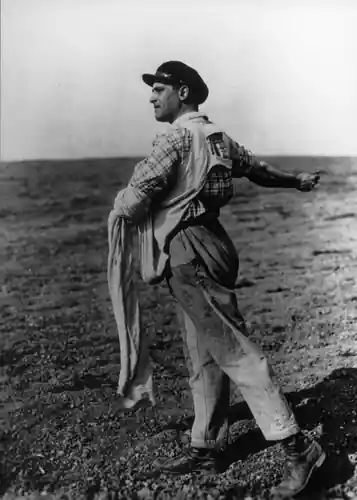
Silent cinema seldom gets credited for its sonic imagination; here the absence of diegetic sound feels louder than any plough striking flint.
Michel Floresco’s Buteau is all teeth and elbows, a man who measures land in shoulder-widths. Armand Bour’s Delphin, ostensibly the gentler brother, carries a stillness that snakes prefer. Their rivalry is not over soil alone but over the narrative of who deserves the future. Antoine stages their quarrels in chiaroscuro barn interiors, dust motes ignited by back-light like embers of unresolved rage.
Cinematographer Léon Malavier repeatedly frames clods of earth in extreme close-up so that they resemble lunar surfaces. Each furrow becomes a scar, each scar a witness statement. When Jean finally quits the farm, the camera tilts down to the wheel-rut he steps across, holding on that gash until the image burns into retina: the land itself is the only jury left.
If Home, Sweet Home sentimentalizes the hearth, La terre chloroforms sentiment and buries it behind the cowshed. While Destiny weaves fate as metaphysical puzzle, Antoine’s film insists that destiny is measured in acreage. And unlike the picaresque buoyancy of Never Weaken, the humour here is a scab you keep picking: the shot of a rooster strutting across a property line lands like a punchline, then immediately feels ominous.
The 2023 4K restoration by the French Cinémathèque sources two nitrate positives and a 1932 Czech sound re-release print. Grain structure is voluptuous without varnish; the amber tinting of night exteriors now breathes like smouldering turf. The digital cleanup removed 18 000 scratches yet keeps the cigarette burn that signals reel change—an Easter egg for purists.
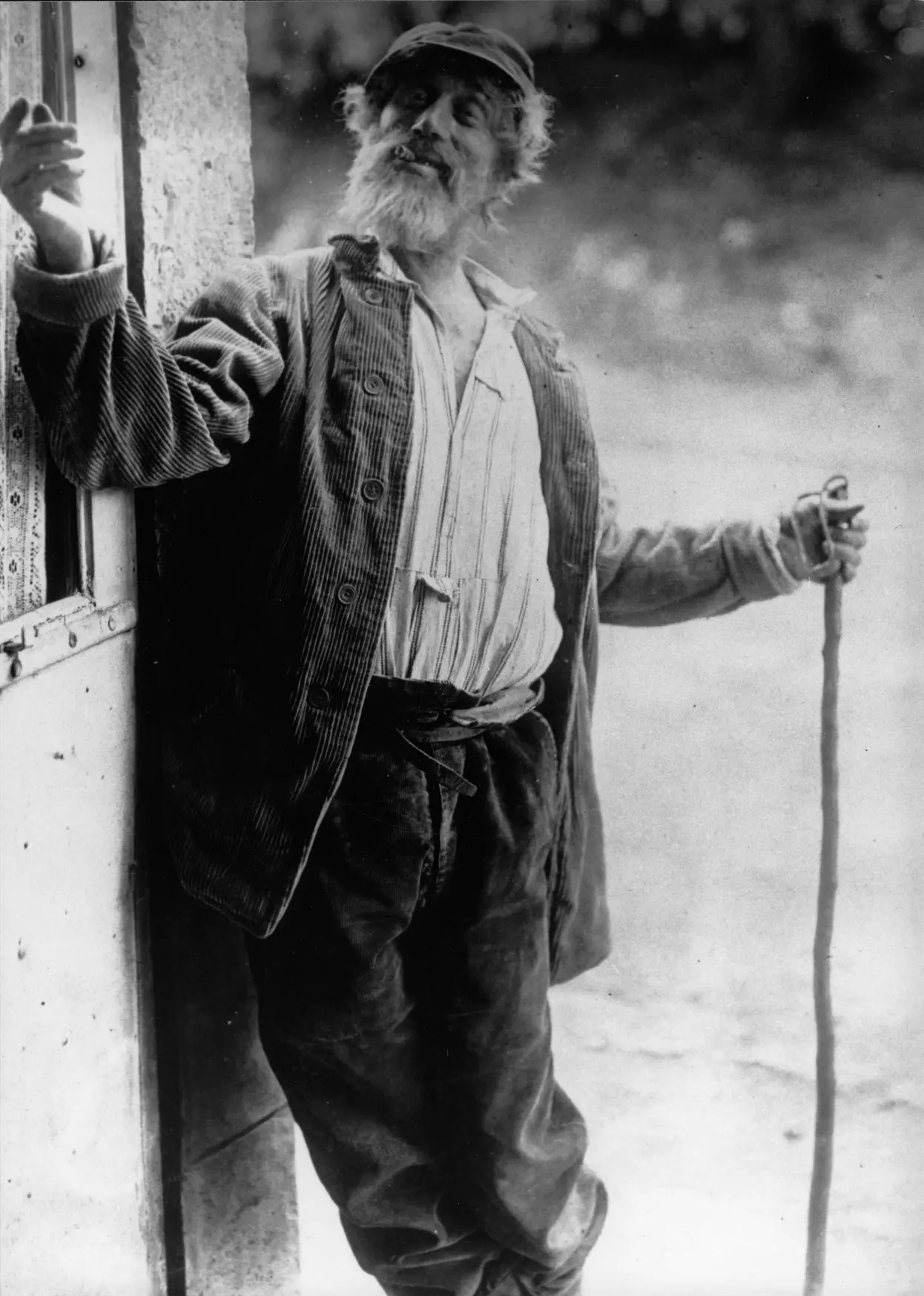
Nelisse’s new score—mandola, serpent, and prepared piano—avoids pastoral cliché. Instead of lilting berceuse, we get dissonant clusters that bloom whenever a boundary stone is shifted. The leitmotif for Françoise is a descending minor ninth, a sonic bruise.
Antoine, working from Zola’s raw manuscript pages excised by 1887 censors, restores the novel’s feminist fissures. Françoise’s final act—no spoiler here, history books repeat it—renders her both proprietor and pariah, a paradox the film refuses to resolve. The closing iris-in on her eyes, staring at land she now legally owns yet emotionally cannot till, is a feminist cri de cœur decades ahead of its time.
La terre is Marx without manifesto. The film’s class tension is not vertical but horizontal: siblings gouging siblings, neighbours sabotaging threshers. Capital here is measured in wheat sheaves, and every sheaf is a potential shroud.
Maps appear thrice: a hand-drawn plot plan inked with animal blood; a child’s chalk sketch on barn door; the final aerial shot—achieved via a kite-mounted camera—where the Fouan farm becomes a bruised geometry. Each map is less accurate than the last, charting not terrain but the erosion of certainty.
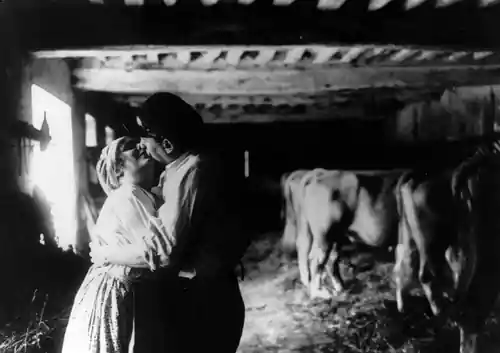
Though shot in black-and-white, the tinting strategies assign symbolic hues: amber for avarice, cyan for fleeting empathy, magenta for the unspoken erotic tension between Jean and Françoise. In 2023’s DCP, these tints flicker like faulty neon, reminding us that morality in this universe is intermittent at best.
The single overtly comic sequence—harvest supper devolving into food fight—ends with a close-up of a dog licking blood from a sickle. Antoine ridicules the very idea of comic relief; laughter here is merely the prologue to haemorrhage.
Intertitles carry onomatopoeic fricatives—“fffrrr” for scythe through stalks, “clac” for gavel on notary desk—turning text into Foley. It’s a trick borrowed from vaudeville, yet repurposed to bruise rather than amuse.
Renoir screened La terre privately while prepping Toni; Visconti lifted the barn-fire sequence wholesale for La terra trema. Even Hitchcock, per his 1962 interview with Truffaut, cited the furrow-as-gash imagery when storyboarding Psycho’s shower drain. Influence travels like thistle seed: clings, then colonizes.
Currently streaming on Criterion Channel with the Nelisse score; Blu-ray preorder at Masters of Cinema (UK) and Kino Lorber (US). Both include the 52-minute making-of documentary Plowing the Image featuring critic Serge Toubiana and agro-economist Marie-Cérèneé Poubel.
La terre is not rewatch-friendly; it’s rewatch-necessary. Each viewing deepens the furrows on your own forehead. You exit checking your nails for soil you never touched, sniffing phantom cow dung. Silent? Hardly. The film roars, and the roar is your own conscience trying to apportion blame across century-old pixels. Grade: A+ with a handful of loam.
IMDb —
1921
Community
Log in to comment.