DbcultAccessing Vault...
Cult Review
Senior Film Conservator
In the annals of early cinematic history, few films capture the raw emotional intensity and moral complexities of the First World War with the stark poignancy of The Cross Bearer. Released amidst the very throes of the global conflict, this powerful drama transcends mere wartime propaganda, evolving into a resonant testament to human resilience, unwavering faith, and the defiant spirit of love in the face of unspeakable brutality. It plunges viewers into the heart of occupied Belgium, specifically the venerable city of Louvain, where the sanctity of life and liberty clashes violently with the ruthless machinery of German invasion. The narrative unfurls with a palpable sense of urgency, drawing us into a world where everyday existence is irrevocably altered by the shadow of war, and heroism emerges not from grand battles, but from quiet acts of moral courage. This film serves as a profound historical document, reflecting the zeitgeist of a world grappling with unprecedented conflict.
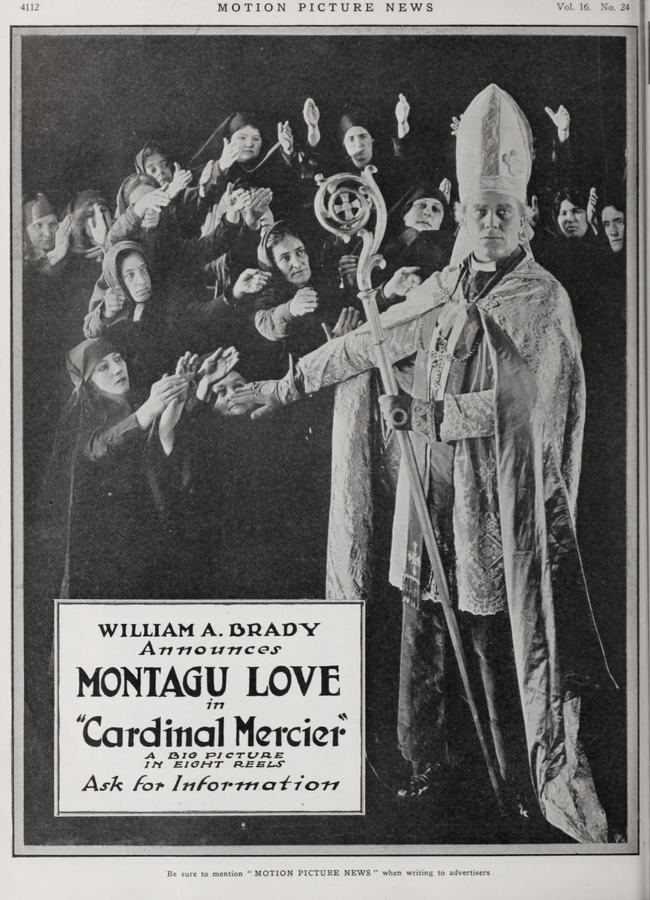
At its core, the film is a profound exploration of spiritual leadership under duress, personified by the magnificent Cardinal Mercier, portrayed with an imposing gravitas by Tony Merlo. Mercier is not merely a figurehead; he is the very embodiment of Belgium's indomitable spirit, a bulwark against the storm of occupation. His initial, visceral act of protecting the hallowed altar of his church from desecration by the invading German forces sets the tone for his character’s unwavering resolve. This isn't just about preserving religious artifacts; it's about safeguarding the soul of a nation, the spiritual bedrock upon which its identity rests. The German army, depicted here with an unflinching portrayal of their widespread atrocities, becomes a faceless, destructive force, threatening to obliterate not just physical structures, but the very fabric of human dignity. Mercier’s efforts extend beyond the ecclesiastical; he becomes a de facto protector of the townspeople, a shepherd guiding his flock through a landscape ravaged by fear and despair. His quiet dignity and steadfast refusal to yield to tyranny serve as a powerful counterpoint to the rampant destruction, offering a glimmer of hope in the encroaching darkness.
The personal stakes in The Cross Bearer are intricately woven into this larger tapestry of war. We are introduced to Liane de Merode, the Cardinal's young, spirited ward, whose betrothal to the dashing Belgian officer Maurice Lambeaux, played by the formidable Montagu Love, forms the emotional crucible of the story. Their nascent love, a fragile bloom in a world turned upside down, faces its ultimate test when the German governor general, a character painted with broad strokes of villainy, develops a predatory interest in Liane. This sinister plot element elevates the conflict from a purely geopolitical struggle to a deeply personal one, highlighting the vulnerability of individuals, especially women, during wartime. The governor general's machinations represent the insidious nature of occupation, where power is wielded not just through military might, but through psychological coercion and the cynical exploitation of human desires. It’s a chilling reminder that war often strips away not just lives, but also the fundamental rights and autonomies of those caught in its grip.
Maurice Lambeaux’s journey, spurred by his desperate love for Liane, forms one of the film’s most compelling narrative arcs. His audacious infiltration of German lines, cloaked in a disguise, is a classic cinematic trope, yet it resonates here with a desperate sincerity. It speaks to the universal human instinct to protect loved ones, even at immense personal risk. This act of courage is not just about military strategy; it's a testament to the idea that love itself can be a powerful engine of resistance. Montagu Love imbues Maurice with a blend of heroic determination and youthful vulnerability, making his perilous mission feel genuinely suspenseful. The tension is palpable as he navigates enemy territory, his every move fraught with the potential for discovery and dire consequences. The film masterfully builds this suspense, utilizing the visual language of silent cinema to convey Maurice's stealth and the ever-present danger. His resolve is a testament to unyielding devotion.
The clandestine marriage performed by Cardinal Mercier is perhaps the film's most potent symbol of defiance. It’s an act that transcends legalities and military decrees, asserting the enduring power of spiritual commitment and personal liberty over the dictates of an occupying force. The Cardinal, by uniting Liane and Maurice, not only blesses their union but also subtly undermines the authority of the German governor general, whose designs on Liane are thwarted. This secret ceremony, followed by their perilous smuggling across the border into France, represents a triumph of hope and humanity over oppression. It's a powerful statement that even in the darkest hours, human connections and the sanctity of personal choice can endure and find a way to flourish. The film's resolution, while providing a measure of personal solace for the young couple, doesn't shy away from the broader, ongoing tragedy of the war, leaving viewers with a bittersweet sense of both triumph and lingering sorrow.
Anne Maxwell's screenplay, even in its silent film iteration, manages to convey a remarkable depth of character and thematic resonance. The dialogue, conveyed through intertitles, is concise yet impactful, driving the narrative forward without unnecessary exposition. The strength of the writing lies in its ability to establish clear moral boundaries and to craft characters that, despite the constraints of the medium, feel authentic and emotionally compelling. The film’s dramatic structure, moving from widespread devastation to intimate personal struggles and back again, creates a compelling rhythm that keeps the audience invested. It’s a testament to the enduring power of well-crafted storytelling, demonstrating that even without spoken words, a narrative can stir profound emotions and deliver powerful messages about justice, faith, and the human spirit. Maxwell’s vision is a cornerstone of its enduring appeal.
The performances, a crucial element in silent cinema, are uniformly strong. Tony Merlo as Cardinal Mercier delivers a performance of quiet strength and profound dignity. His physical presence alone conveys authority and unwavering conviction, making his character a truly inspiring figure. His nuanced expressions, particularly in moments of moral conflict or despair, speak volumes without uttering a single word. Montagu Love, a familiar face in early cinema, brings a passionate intensity to Maurice Lambeaux. His portrayal effectively captures the impetuous bravery of a young man in love, willing to risk everything for his beloved. The chemistry between Love and Jeanne Eagels as Liane would undoubtedly have been a significant draw, portraying a love that feels both tender and resilient. Even the supporting cast, including Kate Lester, Henrietta Simpson, and Edward Elkas, contribute to the rich tapestry of the film, creating a believable community under siege. The German characters, while largely serving as antagonists, are played with a menacing efficiency that effectively conveys their threat without resorting to caricature. It's a masterclass in non-verbal communication.
Cinematically, The Cross Bearer employs techniques common to its era, yet it does so with a particular flair that elevates its visual storytelling. The use of dramatic close-ups to capture the emotional intensity of the actors’ expressions is particularly effective, allowing the audience to connect deeply with their inner turmoil and resolve. Wide shots establish the devastation of Louvain, immersing viewers in the grim reality of wartime destruction. The editing, while perhaps not as rapid-fire as later cinematic styles, is purposeful, building suspense during Maurice’s daring infiltration and emphasizing the solemnity of the secret wedding. Lighting, too, plays a crucial role, often contrasting the dark, oppressive atmosphere of occupation with moments of illuminated hope or spiritual solace. For audiences accustomed to the visual language of today, it’s a fascinating glimpse into how filmmakers of the early 20th century communicated complex narratives and emotions without the aid of synchronized sound, relying instead on powerful imagery and expressive performances. The film's visual grammar is a testament to its pioneering spirit.
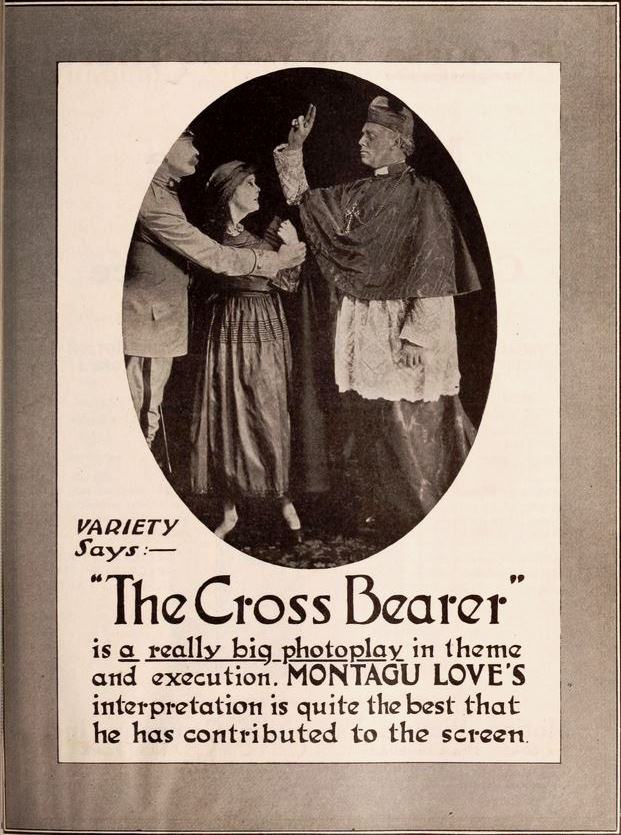
The historical context surrounding The Cross Bearer is paramount to appreciating its impact. Released during a period of intense global conflict, films like this served multiple purposes: to inform, to rally public sentiment, and to provide a moral compass. The portrayal of German atrocities in Louvain was not mere sensationalism but reflected documented events that deeply impacted Allied nations' perceptions of the enemy. The character of Cardinal Mercier himself was a real figure, a revered Belgian prelate who became a symbol of national resistance against German occupation during WWI. His courageous pastoral letters and defiance of German authority made him an international hero. The film, therefore, taps into a collective consciousness, transforming real-life heroism into cinematic legend. This connection to actual historical figures and events lends the film an added layer of authenticity and emotional weight, making its narrative of resistance all the more compelling. It is a powerful historical mirror.
Comparing The Cross Bearer to contemporary productions of its time reveals its unique position. While films like The Destroyers or Sacrifice also tackled the grim realities of World War I, often focusing on naval warfare or battlefield heroics, The Cross Bearer distinguishes itself by centering on the civilian experience of occupation and the moral fortitude required to resist. Its focus on spiritual leadership and the sanctity of personal relationships offers a different, yet equally vital, perspective on the war. One could draw parallels to Hell's Hinges, not in subject matter, but in its exploration of a central figure undergoing a profound moral struggle against overwhelming forces, albeit in a Western setting. The theme of individuals defying oppressive systems also echoes in films like Europäisches Sklavenleben, which explored broader societal injustices. This contextualization highlights its distinctive narrative voice.
Moreover, the narrative of clandestine operations and daring escapes in The Cross Bearer finds resonance with thrillers of the era, such as In the Diplomatic Service, which often capitalized on themes of espionage and international intrigue. However, The Cross Bearer grounds these thrilling elements in a deeply emotional and morally charged context, making Maurice's journey not just a feat of daring, but an act of profound love and defiance. While films like The Circular Staircase offered suspense through mystery, The Cross Bearer generated its tension from the very real and present dangers of war and occupation. It leverages the audience's understanding of the global conflict to heighten the stakes, making every decision, every secret, critically important. The film’s ability to create such gripping drama without spoken dialogue is a remarkable cinematic achievement.
The film also stands as a powerful example of how silent cinema could tackle complex socio-political themes with remarkable sophistication. Unlike lighter fare such as All Night or Little Miss Happiness, which aimed for comedic relief or heartwarming sentiment, The Cross Bearer confronted the grim realities head-on. It shares a certain dramatic weight with historical epics like The Dumb Girl of Portici, utilizing grand narratives to explore themes of oppression and rebellion, albeit on a more intimate scale for the latter. The film's ability to weave together grand historical events with deeply personal struggles is a testament to Anne Maxwell's insightful writing and the directorial vision of the era. This blend of the epic and the personal is a hallmark of its artistic merit.
In an age where cinematic storytelling was still finding its voice, The Cross Bearer stands as a testament to the power of film to inspire, to inform, and to bear witness to history. It captures the spirit of a nation under siege and the unwavering resolve of individuals who dared to resist. The film's focus on Cardinal Mercier's moral leadership, Liane and Maurice's enduring love, and the pervasive threat of the German occupation creates a multi-layered narrative that remains compelling even today. It serves as a stark reminder of the human cost of war and the enduring strength of the human spirit in the face of unimaginable adversity. The quiet heroism depicted, the moral clarity articulated, and the ultimate triumph of love and faith over tyranny resonate deeply. It truly is a poignant reflection of wartime humanity.
Ultimately, The Cross Bearer is more than just a historical drama; it's a timeless allegory about the struggle between good and evil, freedom and oppression. Its characters, particularly the steadfast Cardinal Mercier, embody virtues that transcend their specific historical moment, offering lessons on courage, integrity, and compassion that remain profoundly relevant. For enthusiasts of classic cinema and students of history alike, this film provides a rich, immersive experience, shedding light on a pivotal moment in world history through the lens of deeply human drama. It reminds us that even when the world is plunged into chaos, the light of human dignity, faith, and love can never be entirely extinguished. It's a film that deserves to be rediscovered and appreciated for its enduring message and its masterful execution within the constraints of early filmmaking. Its legacy is not just as a historical document, but as a powerful piece of art that continues to speak to the enduring spirit of humanity.

IMDb —
1924
Community
Log in to comment.