DbcultAccessing Vault...
Cult Review
Senior Film Conservator
Is La terre qui meurt worth your time in the 21st century? Short answer: yes, but only if you possess the patience for a bleak, unvarnished look at the death of tradition. It is a film for those who appreciate the weight of history and the slow, grinding machinery of social change, but it is certainly not for anyone seeking escapism or a fast-paced narrative.
This 1936 production, directed by Jean Choux, stands as a stark monument to a specific era of French filmmaking. It bridges the gap between the poetic realism of the 1930s and the more documentary-style explorations of rural life that would follow decades later. To watch it now is to witness a world that has almost entirely vanished, not just in practice, but in spirit.
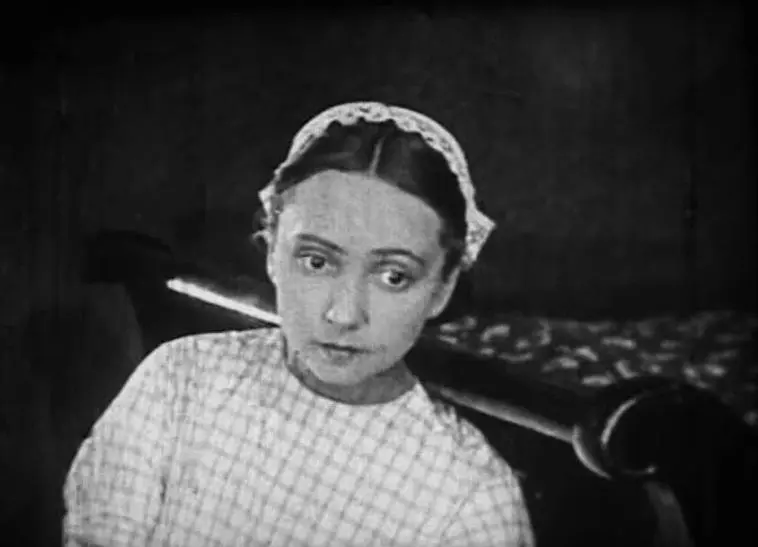
1) This film works because it treats the landscape of the Vendée as a living, breathing character that exerts a physical pressure on the cast.
2) This film fails because its pacing occasionally mimics the stagnation of the marshes it depicts, making the second act feel unnecessarily bloated.
3) You should watch it if you want to see an early, masterful performance by Madeleine Renaud and a masterclass in atmospheric cinematography.
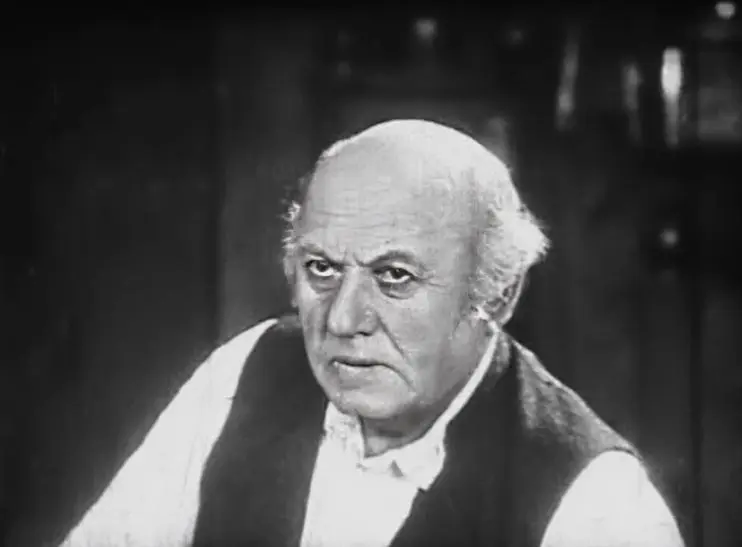
The story of Toussaint Lumineau is one of stubbornness. Gilbert Dalleu plays the patriarch with a face that looks like it was sculpted from wet clay and dried in the sun. He is the earth. His sons, however, are the wind—always looking for a way to blow elsewhere. The tragedy isn't that the sons are evil; it's that they are human. They want more than a life of back-breaking labor in a swamp. Choux captures this tension perfectly in a scene where the eldest son stares at his mud-caked boots while a distant train whistle pierces the silence of the farm. That whistle is the sound of the future, and it is deafening.
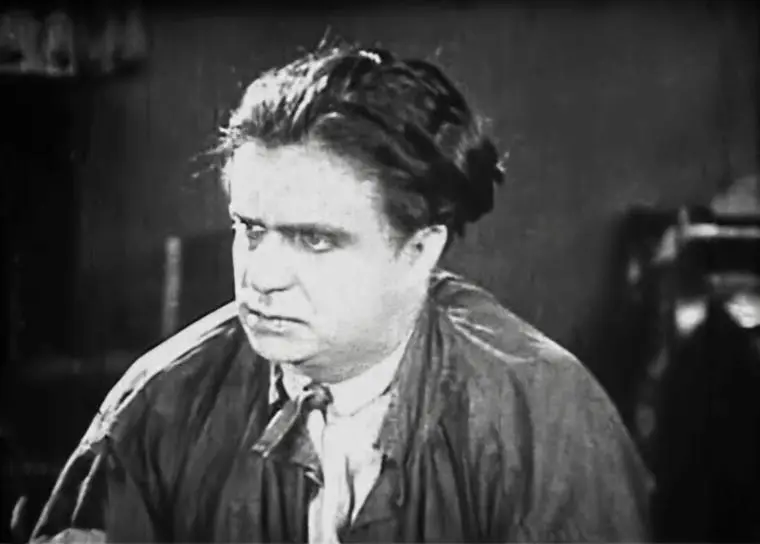
It works. But it’s flawed. The film doesn't shy away from the ugliness of its characters. Toussaint is a tyrant in his own way, bound by a code of honor that his children find suffocating. This isn't a sentimental look at the 'good old days.' It’s a autopsy of a dying way of life.
Yes, La terre qui meurt is a vital watch for cinema historians and fans of French cultural studies. It provides a unique perspective on the rural exodus that reshaped Europe in the early 20th century. While it lacks the technical polish of modern cinema, its emotional core remains surprisingly relevant. It is a slow-burn experience that rewards those who look past the grain of the film stock to see the universal struggle of a father losing his legacy.
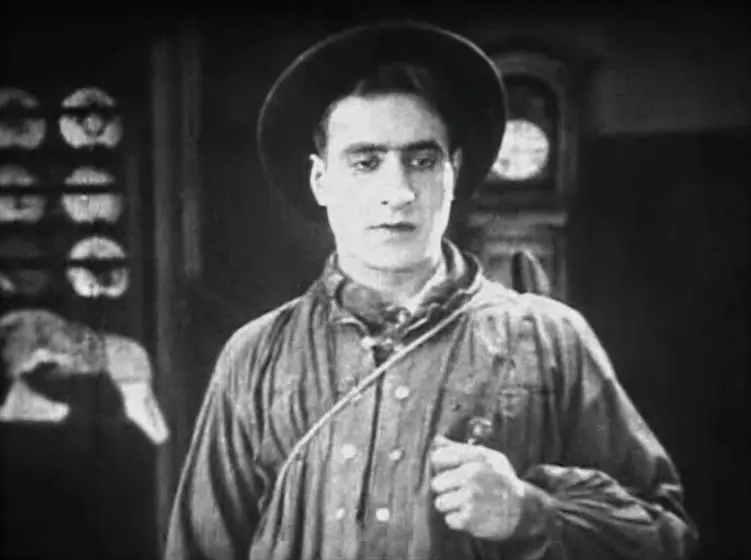
Jean Choux was not interested in the glossy aesthetic of Hollywood. He wanted grit. The cinematography in La terre qui meurt is remarkably sophisticated for its time. Use of natural lighting in the marsh sequences creates a sense of claustrophobia that is almost tactile. You can practically smell the damp earth and the stagnant water. Compare this to the more stylized visuals found in Aelita, the Queen of Mars; where the latter looks toward a fantastical future, Choux looks straight down into the dirt of the past.
There is a specific shot midway through the film where the camera lingers on a hand-plow abandoned in a furrow. It is a brutally simple image, but it carries the weight of the entire narrative. The plow is no longer a tool; it is a tombstone. Choux’s ability to turn agricultural implements into symbols of existential dread is his greatest achievement here. He doesn't need a monologue to tell you the farm is doomed; he just needs to show you the rust.
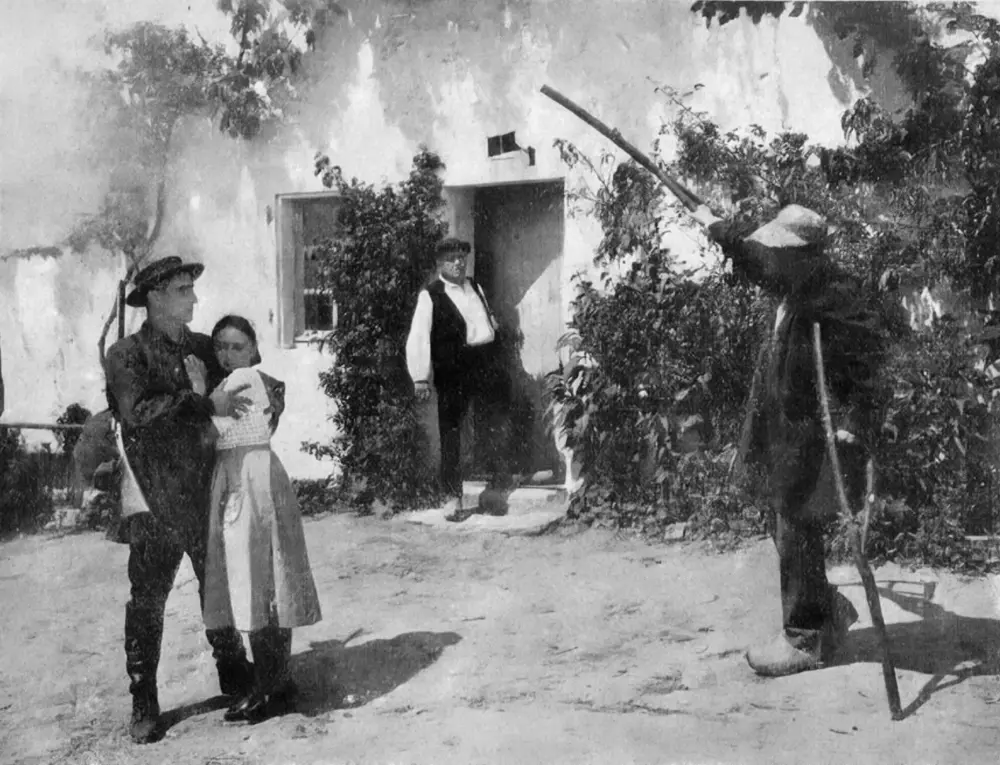
The sound design, too, is worth noting. In 1936, sound was still a relatively new frontier. Many films of this era, like Straight Is the Way, used sound primarily for dialogue. Choux, however, uses the environment. The sound of the wind through the reeds and the squelch of boots in the mud are as important as any line spoken by the actors. It creates an immersive experience that was quite rare for the mid-thirties.
Gilbert Dalleu is a revelation. He doesn't act so much as he exists. Every movement he makes is heavy, as if he is carrying the weight of several generations on his shoulders. When he realizes his sons are not coming back, his silence is more powerful than any scream. It is a performance of immense restraint. He embodies the 'earth' of the title—unyielding, ancient, and ultimately, forgotten.
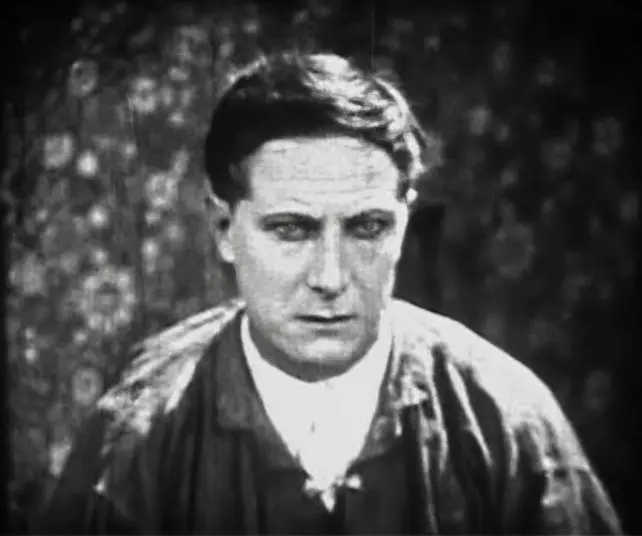
Madeleine Renaud provides the necessary counterpoint. In her early career here, she brings a luminosity to the screen that highlights the drabness of the Lumineau farm. She represents the potential for life outside the marshes, yet she is tethered by loyalty. Her performance is subtle, relying on micro-expressions that Choux captures in tight close-ups. It is a stark contrast to the more theatrical acting styles seen in contemporary works like La joueuse d'orgue.
The supporting cast, including Jean Dehelly and Thérèse Reignier, fill out the family dynamic with a sense of weary realism. There are no heroes here, only survivors. This lack of clear moral alignment is one of the film’s strongest points. You sympathize with the father's loss, but you also understand the sons' desperation to escape. It is a nuanced portrayal of familial collapse that feels remarkably modern.
Let’s be honest: the film is slow. It moves at the pace of a horse-drawn cart. For some, this will be a deal-breaker. In an age of TikTok and rapid-fire editing, Choux’s long takes and meditative sequences can feel like a chore. However, I would argue that the pacing is intentional. The film is about the slow death of a culture; it shouldn't be fast. It should feel like a long, cold winter.
There are moments where the narrative seems to circle back on itself, much like the repetitive tasks of farming. We see the chores, the meals, the arguments, and the silences. This repetition builds a sense of inevitability. By the time the final blow falls, the audience is as exhausted as Toussaint himself. It is an immersive technique that requires the viewer to surrender to the film's rhythm.
If you are used to the narrative economy of shorts like Next Aisle Over or the lighthearted antics of Cupid's Boots, this will be a jarring transition. But for those willing to lean into the stillness, there is a profound beauty to be found in the film’s deliberate lack of speed.
La terre qui meurt is a difficult, demanding, and ultimately rewarding piece of cinema. It is a film that asks you to sit in the mud with its characters and feel the cold seep into your bones. While it may not have the universal appeal of a grand epic, it possesses a raw honesty that many modern films lack. It is a brutal look at how the world moves on, whether we are ready for it or not. The dirt wins. It always does. If you can handle that truth, you should watch this film.
"A haunting autopsy of a dying world, Jean Choux’s film remains one of the most powerful depictions of rural disintegration ever put to celluloid."

IMDb —
1930
Community
Log in to comment.