DbcultAccessing Vault...
Cult Review
Senior Film Conservator
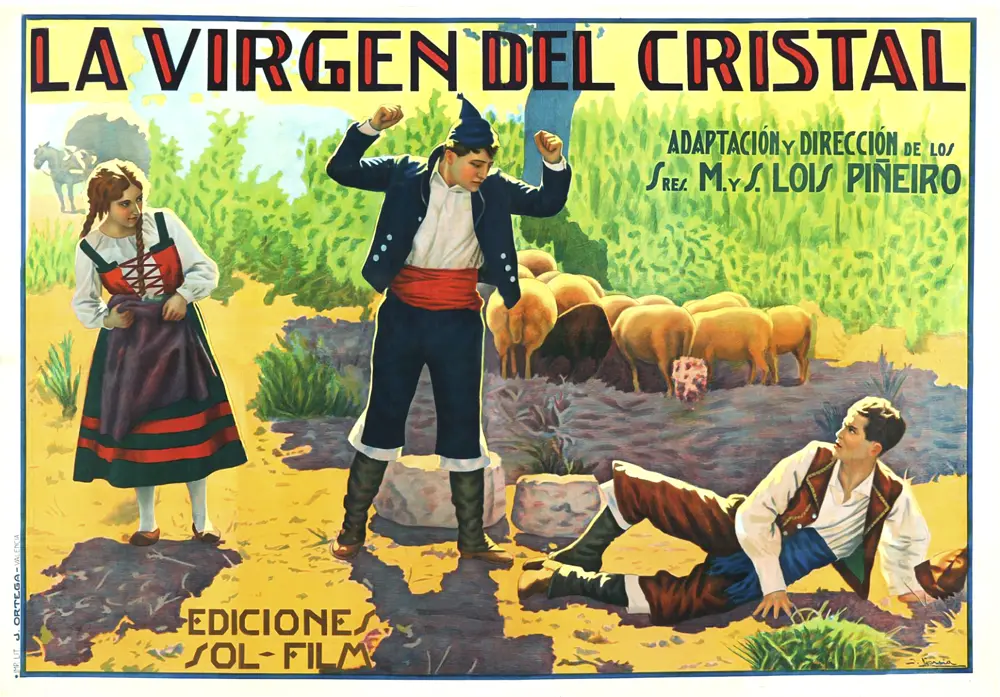
Is La virgen de cristal a lost masterpiece or a dusty relic? Short answer: It is a haunting, essential piece of social commentary that remains relevant, though its glacial pacing demands a specific kind of patience. This film is for the cinephile who craves historical texture and raw, sociopolitical subtext; it is absolutely not for those seeking the high-octane thrills of contemporary drama.
Yes, if you value the preservation of cultural identity and the history of class struggle. La virgen de cristal provides a window into a world where the line between servant and slave was dangerously thin. It is a slow-burn experience that rewards those who look past the grainy celluloid to see the human heart beating underneath.
This film works because it captures the authentic atmosphere of rural Galicia with a sincerity that many studio-bound films of the 1920s lacked.
This film fails because its narrative structure is overly reliant on the slow accumulation of misery, which can feel repetitive to a modern audience.
You should watch it if you are interested in how early cinema tackled the themes of absentee landownership and the exploitation of the working class.
The direction by Saturio Lois Piñeiro is remarkably grounded. Unlike the grandiosity seen in The Life of Moses, which used scale to denote divinity, Piñeiro uses the scale of Vilanova Castle to denote isolation. The castle is a character in itself. It is cold, imposing, and indifferent. Every shot of the couple working within its walls feels claustrophobic, despite the vastness of the estate.
Take, for instance, the scene where the couple prepares for the lord's arrival. The frantic cleaning and the meticulous arrangement of a space they will never truly own is heartbreaking. It’s a performance of subservience. The camera lingers on their hands—calloused and dirty—contrasting sharply with the polished surfaces of the lord’s quarters. This is visual storytelling at its most potent. It doesn't need dialogue to tell you who holds the power.
The cinematography, handled with the technical limitations of 1926, manages to capture the misty, ethereal quality of the Galician countryside. It shares a certain tonal DNA with Born to the West, but replaces the frontier optimism with a heavy, European melancholy. The lighting in the interior scenes is particularly noteworthy, using deep shadows to hide the faces of the ruling class, making them appear more like monsters than men.
Blanca Muñoz delivers a performance of quiet intensity. In an era often criticized for over-the-top pantomime, Muñoz is surprisingly subtle. Her eyes carry the weight of the entire film’s thematic burden. When she looks at the castle, you don't see pride; you see a prison. Her chemistry with the rest of the cast, including the stoic Barón de Kardy, provides the film's only source of warmth.
The arrival of the Lord of Vilanova shifts the energy of the film from a pastoral drama to something more akin to a psychological thriller. The way the cast reacts to his presence is a masterclass in ensemble acting. There is a palpable sense of dread that fills the room. It reminds me of the tension found in The Forbidden City, where the walls have ears and every gesture is scrutinized by those in power.
Rufino Inglés and Carmen Viance provide solid support, grounding the more melodramatic elements of the script. The writing, credited to a team including the legendary Manuel Curros Enríquez, is sharp and biting. It’s clear that the film is an indictment of a system. It isn't just a story about a couple; it’s a manifesto against the 'foros' system that plagued Galicia for centuries.
Let’s be honest: the film is slow. It takes its time to establish the routine of the castle. For some, this will be immersive. For others, it will be a chore. The middle act, in particular, feels like it could have been tightened. While it lacks the kinetic energy of something like The Knockout, it makes up for it with atmospheric depth.
The film’s insistence on showing the minutiae of labor is a political choice. By forcing the viewer to watch the work, the film forces the viewer to acknowledge the value of the worker. It’s a bold move that separates La virgen de cristal from the more escapist fare of its time, like The Rise of Susan. This is cinema as a tool for social awareness.
However, the climax feels somewhat rushed compared to the deliberate build-up. After hours of simmering tension, the resolution arrives with a suddenness that feels slightly unearned. It’s a common flaw in silent dramas, where the need for a definitive ending often overrides the natural flow of the story. It works. But it’s flawed.
What struck me most about La virgen de cristal is how it treats the concept of 'rent.' In modern cinema, rent is a mundane transaction. In this film, rent is a violent act. The way the lord collects his due is filmed with the same intensity as a robbery. It’s a radical perspective for 1926. It makes the film feel surprisingly modern, echoing current global conversations about housing and wealth inequality.
Furthermore, the film’s lack of a traditional 'hero' in the Hollywood sense is refreshing. The couple are not trying to overthrow the system; they are simply trying to survive within it. This realism is much more impactful than a forced happy ending would have been. It shares more with the grit of Man by the Roadside than with the polished romanticism of His Temporary Wife.
La virgen de cristal is not an easy watch, but it is an important one. It is a film that refuses to look away from the ugliness of class disparity. While it may lack the technical polish of contemporary international hits like Das amerikanische Duell, its emotional honesty is undeniable. It is a stark, beautifully grim reminder of the power of cinema to act as a witness to history. If you have the patience to sit with its silence, you will find a story that speaks volumes. It’s a vital piece of the Spanish cinematic puzzle that deserves to be seen, studied, and remembered.

IMDb 7.6
1929
Community
Log in to comment.