DbcultAccessing Vault...
7.2/10
Senior Film Conservator
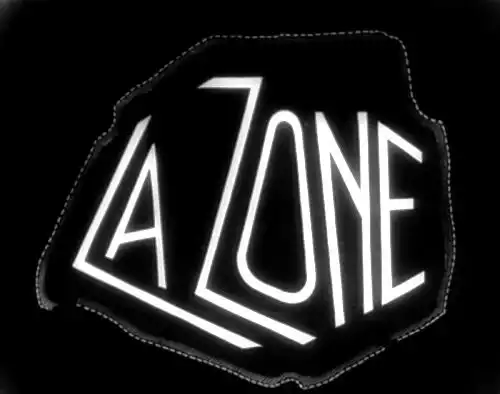
A definitive 7.2/10 rating for a film that redefined the boundaries of cult cinema. La zone remains a cornerstone of transgressive art.
Alright, so, _La zone_. If you’re really into digging up some of the **more obscure corners** of French cinema, especially stuff that leans hard into social history, then yeah, this one might just grab you. But if you’re looking for a crisp, straightforward narrative or anything resembling a modern production, honestly, just move along. It’s a particular taste, and it’s not for the faint of heart or the easily bored. 🧐
The whole premise here, it’s about this actual place, 'The Zone,' a wild, untamed stretch right on the edge of Paris. From the mid-1800s up through the Second World War, this was where folks who didn’t fit, or couldn’t afford to fit, built a life. Like, literally built their own homes out of whatever they could find. It’s a fascinating concept for a film.
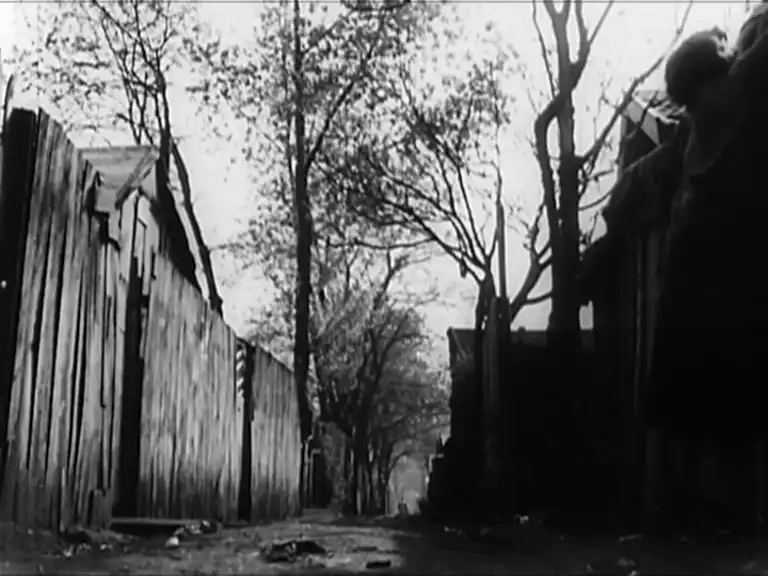
What really got me was the _atmosphere_. The film just immerses you in this incredibly bleak, yet oddly vibrant, landscape. You can almost smell the damp earth and the makeshift fires. It’s less about a grand story and more about just *being there*, watching these lives unfold in the shadows.
There's a shot early on, a long pan across a collection of these shanties, just rickety things cobbled together. It really drives home the ingenuity, but also the sheer desperation. You see clotheslines strung between broken wagons, kids playing in the dirt. It feels so lived-in, so *real*.
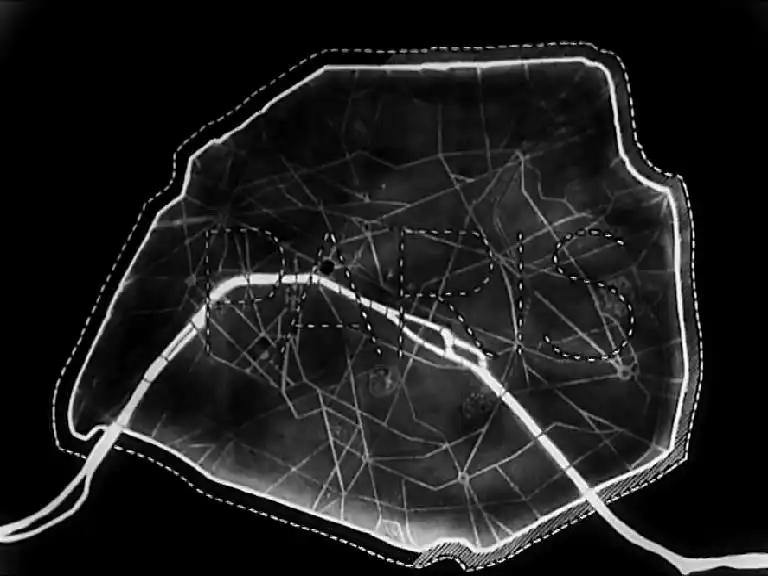
The director makes some interesting choices. Like, the silence in some scenes, it’s **deafening**. It lets you really sit with the visuals, with the faces. It’s not trying to tell you what to feel, which I appreciate. You just kind of absorb it.
Geymond Vital and Isabelle Kloucowski, they’re in it, and they do what they need to do. But honestly, it’s less about individual performances and more about the collective, about the idea of the people of the Zone. They’re almost archetypes, representing a whole community.
One moment, I remember, someone is just trying to fix a leaky roof with some old corrugated metal. It goes on for a bit. It’s not dramatic, no big speeches. Just this quiet struggle. And that, to me, was more powerful than any big, emotional scene could’ve been.
You can tell this wasn't an easy shoot, or an easy film to make. The grit is authentic. It's not manufactured. It’s not trying to romanticize poverty, not even a little. It just shows it, plainly.
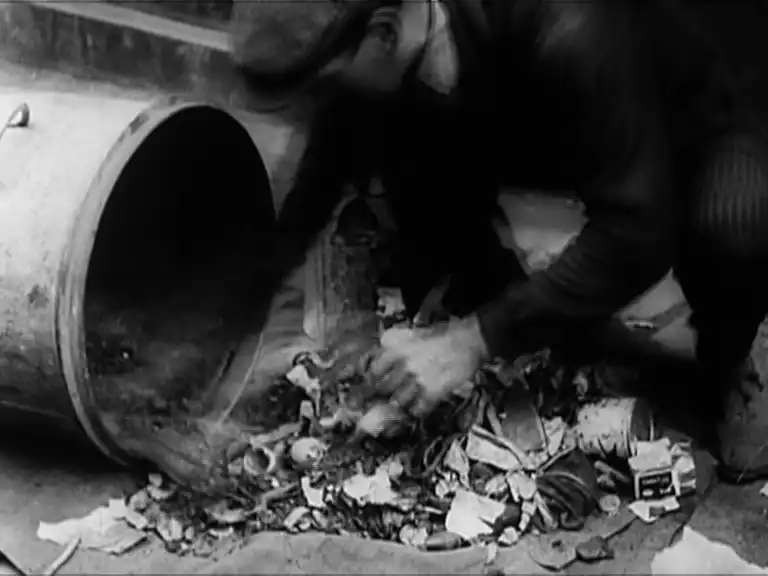
There are these small details, too. A cat slinking between buildings, a child sharing a crust of bread with a dog. These little glimpses really humanize the otherwise harsh environment. They're easy to miss if you're not paying attention.
Sometimes the pacing feels a bit... _meandering_. You’re not always sure where it's going, but then you realize it’s not really *going* anywhere, not in a conventional sense. It's more of a portrait, a series of observations. It just *is*.
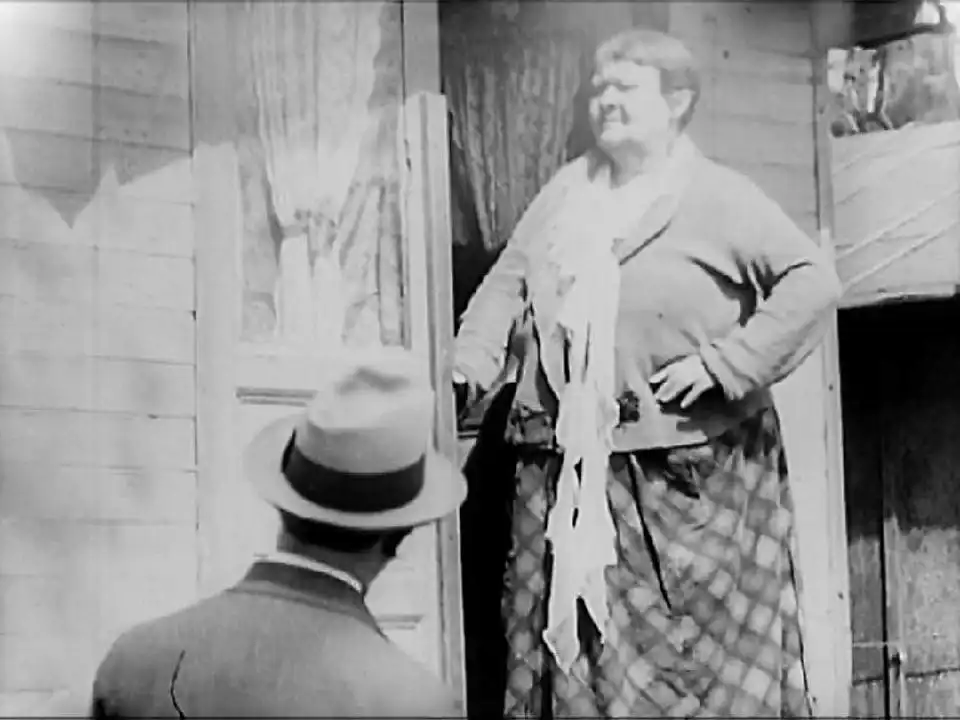
I found myself thinking about how quickly these places just disappear from history, how easily we forget entire communities that existed right under our noses. It makes you wonder what else is out there, forgotten, just beyond the city limits. 🗺️
It's a tough watch sometimes, absolutely. Not a feel-good movie. But it sticks with you, you know? Like a strange smell or a vivid dream. It’s got a texture to it that a lot of slicker films just don’t.
If you're into films that challenge your idea of what a movie should be, or if you're a history buff with a soft spot for the underdog, then maybe give _La zone_ a shot. But be prepared for something that feels less like entertainment and more like an archaeological dig into the human spirit.
IMDb 6.9
1926
Community
Log in to comment.