DbcultAccessing Vault...
6.3/10
Senior Film Conservator
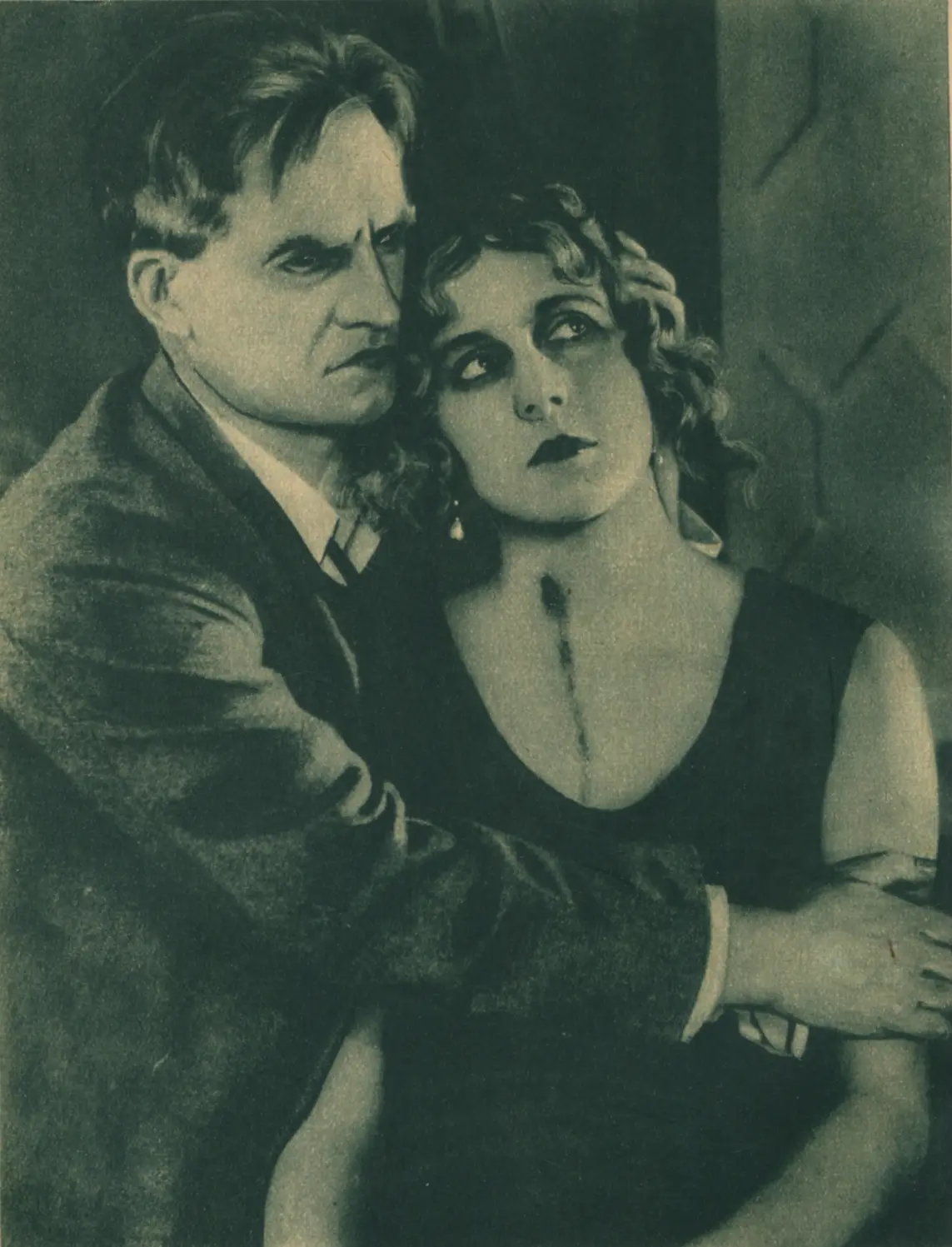
A definitive 6.3/10 rating for a film that redefined the boundaries of cult cinema. La dame masquée remains a cornerstone of transgressive art.
Stepping into the shadowy, opulent world of Viktor Tourjansky's La dame masquée is akin to unearthing a forgotten jewel from the golden age of silent cinema. This 1923 French drama, a testament to Tourjansky's early mastery, unfurls a tapestry rich with intrigue, romance, and the poignant struggle for identity amidst societal artifice. It's a film that, even a century later, speaks with a resonant voice, reminding us of the enduring power of visual storytelling and the timeless allure of a well-guarded secret.
The narrative centers on Lady Valérie de Montaigne, portrayed with exquisite grace and profound emotional depth by the luminous Nathalie Kovanko. Her performance is a masterclass in silent acting, conveying volumes with a mere glance, a subtle shift in posture, or the trembling of a gloved hand. Valérie's predicament is both heart-wrenching and compelling: born into a lineage of faded grandeur, her family's honor has been systematically dismantled, their fortune dissipated not by incompetence, but by the insidious machinations of a shadowy figure, Baron Volkov (Boris de Fast). Stripped bare of her societal standing and burdened by a scandal that unjustly stains her name, Valérie embarks on a desperate, audacious mission. She fabricates an entirely new persona – the eponymous 'La dame masquée' – a mysterious, alluring figure who glides through the most exclusive salons and clandestine gambling dens of post-war Paris. Her purpose is not frivolous escapism but a clandestine quest for redemption, a perilous endeavor to reclaim her family's rightful place and expose the true villain.
The mask itself, a central motif of the film, transcends mere costume; it becomes a potent symbol of Valérie's bifurcated existence. By day, she is the disgraced Lady Valérie, fragile and vulnerable; by night, she is La dame masquée, an enigma of formidable will and captivating allure. This duality allows her to navigate the treacherous currents of high society, a world where appearances are everything and truth is often a malleable commodity. It is in this guise that she encounters Count Armand de Valois (Nicolas Rimsky), a man whose noble bearing and genuine integrity stand in stark contrast to the superficiality that surrounds them. Rimsky imbues Armand with a quiet strength and a captivating sincerity, his fascination with the masked lady growing from mere curiosity into a profound, soul-stirring affection. Their burgeoning romance forms the emotional core of the film, a delicate dance between attraction and the inherent danger of Valérie's secret.
Conversely, the film's antagonist, Baron Volkov, is masterfully rendered by Boris de Fast. De Fast, known for his ability to convey menace with chilling subtlety, crafts a character who is not merely evil, but calculating and opportunistic. Volkov's knowledge of Valérie's true identity and her family's past grants him a sinister leverage, which he exploits with relish. His machinations are a constant threat, a dark cloud hanging over Valérie's every move, threatening to shatter her fragile masquerade and expose her to public ruin. The tension between Valérie's desperate quest for anonymity and Volkov's relentless pursuit of her secret forms the backbone of the film's suspense, keeping the audience on the edge of their seats, breath held, awaiting the inevitable unmasking.
The supporting cast, though often operating in the periphery, contributes significantly to the film's rich texture. Jeanne Brindeau, as Aunt Isabelle, provides a grounding presence, her quiet dignity and unwavering support for Valérie serving as a moral compass in a world devoid of such certainties. She embodies the wisdom of age and the unwavering loyalty of family, a stark contrast to the fickle allegiances of Parisian society. Sylvio De Pedrelli, as a cynical yet ultimately honorable journalist, adds another layer to the narrative. His pursuit of the 'La dame masquée' story initially appears to be a threat, but his character arc subtly shifts, revealing a man capable of empathy and an unexpected ally in Valérie's struggle. His investigation, initially driven by professional ambition, inadvertently serves to highlight the pervasive nature of rumor and the desperate need for truth.
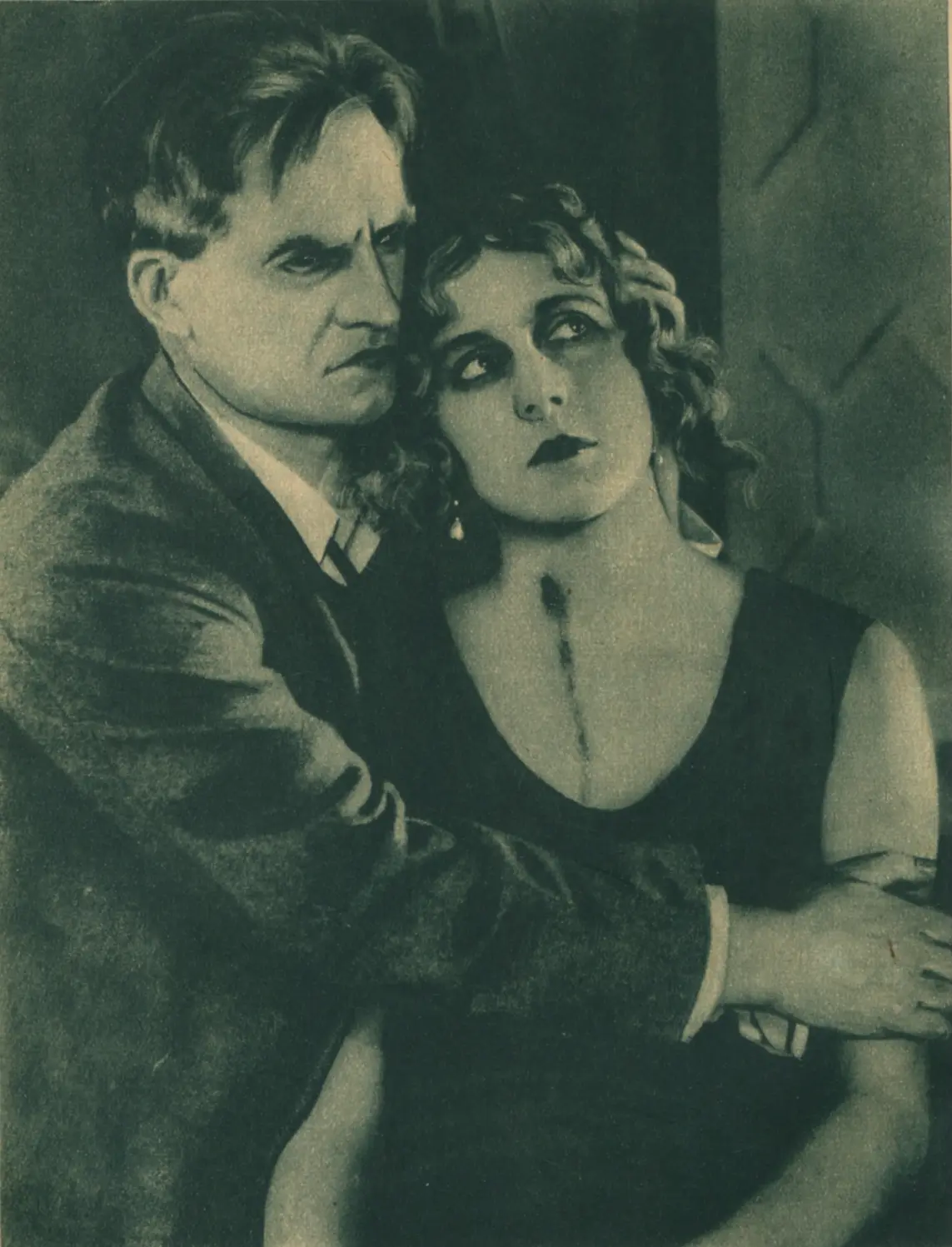
René Maupré, portraying a jealous socialite, adds a touch of the frivolous yet dangerous petty rivalries that infest high society, while Nicolas Koline as a shadowy informant further underscores Volkov's nefarious network. Even Madame Alama, in her portrayal of a society matron, contributes to the overall atmosphere of superficiality and veiled judgment that Valérie must navigate. Each performance, however brief, is meticulously crafted to serve the overarching narrative, creating a believable and immersive world. This ensemble's collective effort is a testament to the collaborative spirit of silent film production, where every gesture and expression carried immense weight.
Viktor Tourjansky's directorial hand is evident in every meticulously framed shot and fluid camera movement. His command of visual storytelling is particularly striking, demonstrating a keen understanding of how to convey complex emotions and intricate plot points without the aid of dialogue. The cinematography of La dame masquée is nothing short of exquisite, utilizing stark contrasts of light and shadow to heighten dramatic tension and underscore the characters' internal conflicts. The dimly lit gambling dens, with their flickering gaslights, evoke a sense of danger and illicit thrill, while the grand ballrooms, bathed in an almost ethereal glow, highlight the superficial glitter of Parisian high society. Tourjansky's use of close-ups, particularly on Kovanko's expressive eyes, draws the audience into Valérie's emotional turmoil, forging an intimate connection that transcends the absence of spoken words.
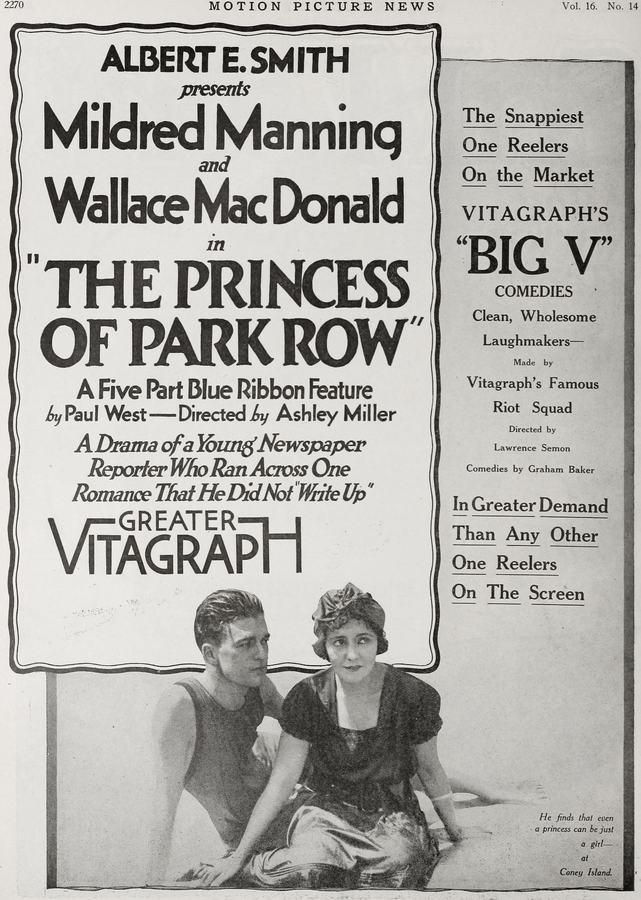
The pacing of the film is a masterclass in suspenseful melodrama. Tourjansky expertly builds tension, allowing crucial moments to breathe, before accelerating into thrilling climaxes. The grand ball scene, where Volkov plans his ultimate betrayal and Valérie faces the terrifying prospect of public humiliation, is particularly well-orchestrated. The swirling crowds, the dramatic reveal, and the subsequent confrontation are handled with a theatrical flair that is both captivating and emotionally resonant. This scene alone could stand as a testament to the power of silent film to create palpable drama. It's a sequence that rivals the emotional intensity found in contemporary works like The Warfare of the Flesh, another film that delved into human struggle and moral conflict with striking visual force.
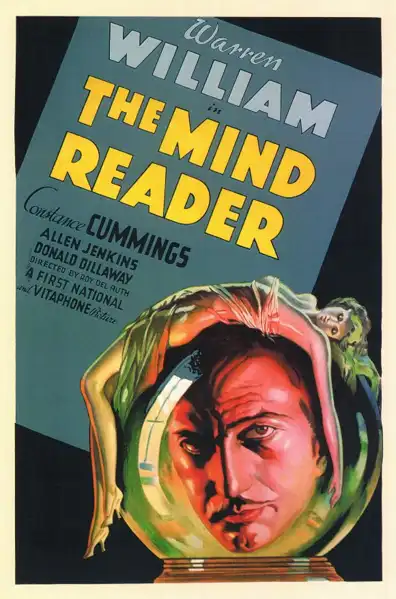
Beyond its thrilling plot and stunning visuals, La dame masquée delves into universal themes that resonate profoundly even today. The most prominent is, of course, identity. Valérie's struggle to maintain her masked persona while yearning for authenticity speaks to the human desire to be seen and understood for who we truly are, not for the roles we are forced to play. Her journey is one of self-discovery, of reconciling her past with her present, and ultimately, of finding the courage to embrace her true self, flaws and all. This exploration of identity, of the masks we wear in society, finds echoes in films like Nobody's Wife, which also explored the societal pressures and expectations placed upon women, forcing them into prescribed roles.
The film also explores the insidious nature of deception and its corrosive effects on both individuals and society. Volkov's entire existence is built on lies and manipulation, and the film serves as a cautionary tale about the dangers of such a life. Conversely, Valérie's deception, born of necessity and a desire for justice, is portrayed with a sympathetic lens, highlighting the moral complexities of survival in a corrupt world. The contrast between these two forms of deception adds layers of ethical inquiry to the narrative.
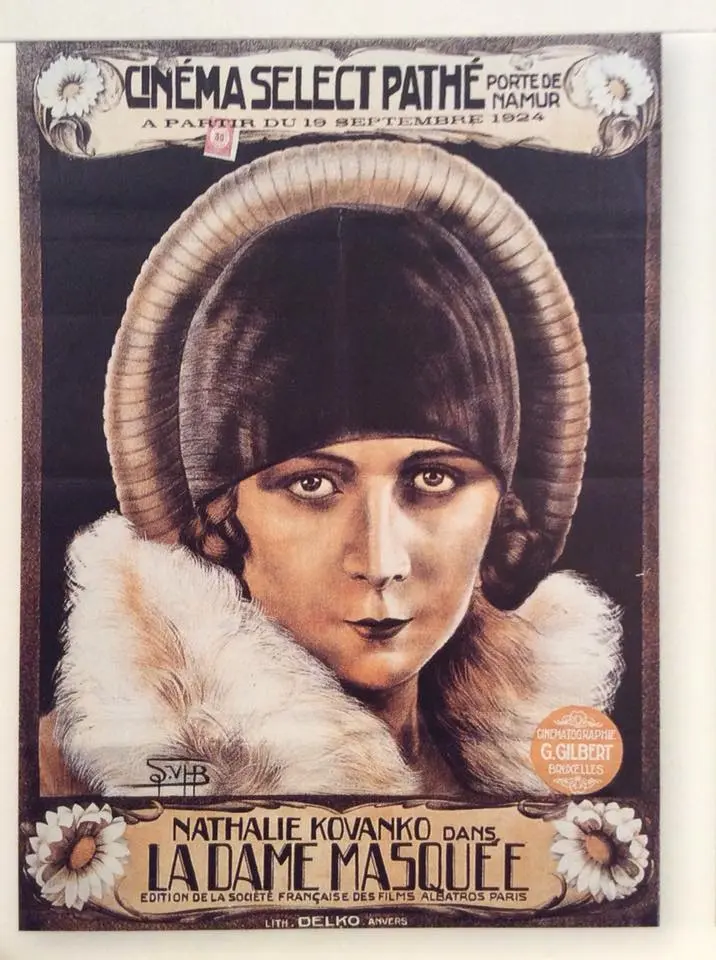
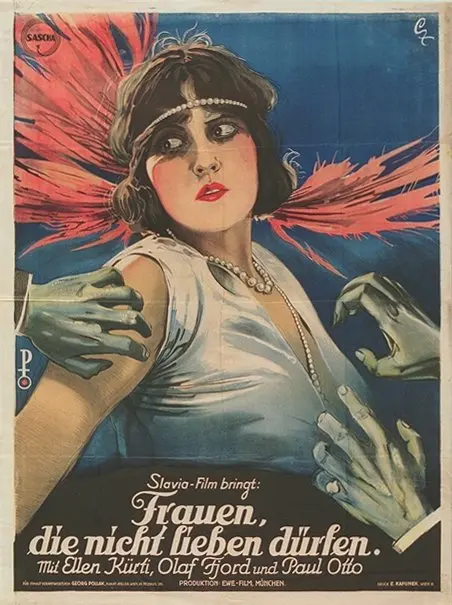
Furthermore, the film is a subtle commentary on social class and hypocrisy. The Parisian elite, outwardly refined, are depicted as a hotbed of gossip, judgment, and hidden vices. Valérie's masked presence allows her to observe this world from a unique vantage point, exposing its superficiality and the harsh realities faced by those who fall from grace. The film critiques a society where honor can be bought and sold, and reputation is often more valued than truth itself. This social commentary places La dame masquée in conversation with other films of the era that tackled social injustices, such as Betrayed, which often exposed the vulnerabilities of individuals against larger societal forces.
In an era when cinema was still finding its voice, Tourjansky, with La dame masquée, crafted a narrative that is both deeply personal and universally resonant. The film's intricate plot, compelling characters, and evocative visuals combine to create an experience that is far more than mere entertainment; it is a profound exploration of human resilience, the complexities of love, and the relentless pursuit of justice. Nathalie Kovanko's performance alone is worth the price of admission, a shining example of the expressive power of silent acting. Her ability to convey Valérie's internal turmoil, her moments of fear, hope, and unwavering determination, is truly remarkable.
The film's enduring appeal lies in its ability to transport the viewer to a bygone era while simultaneously engaging with themes that remain pertinent. The allure of the unknown, the power of a hidden past, and the triumph of genuine affection over deceit are narrative pillars that continue to captivate audiences across generations. While the technological advancements in filmmaking have been immense since 1923, the fundamental elements of compelling storytelling, as exemplified by La dame masquée, remain unchanged. It reminds us that true cinematic artistry transcends the limitations of its medium, speaking directly to the heart and mind.
For aficionados of silent cinema, La dame masquée is an indispensable viewing experience, a vibrant example of European filmmaking at its expressive peak. It offers a glimpse into the sophisticated storytelling techniques employed before the advent of sound, showcasing how directors like Tourjansky leveraged every visual tool at their disposal to create immersive and emotionally charged narratives. The film stands as a testament to the artistry and ingenuity of its creators, a work that continues to enchant and provoke thought long after its initial release. Its narrative complexity and character depth are a stark reminder that early cinema was far from simplistic; it was a fertile ground for bold artistic experimentation and profound human drama. Indeed, its capacity to evoke such intricate emotional landscapes through purely visual means is a stunning achievement, placing it among the most compelling melodramas of its time.
In conclusion, La dame masquée is more than just a historical artifact; it is a living, breathing piece of cinematic art. It challenges us to look beyond the surface, to question appearances, and to appreciate the intricate ballet of human emotions played out in silence. Tourjansky's vision, brought to life by a stellar cast, particularly the unforgettable Nathalie Kovanko, ensures that this masked lady's story continues to resonate, proving that some secrets, once unveiled, reveal truths that are truly timeless.
IMDb —
1920
Community
Log in to comment.