DbcultAccessing Vault...
7.2/10
Senior Film Conservator
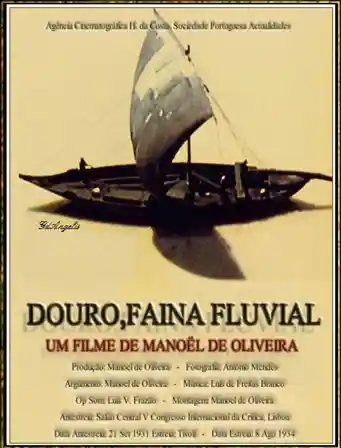
A definitive 7.2/10 rating for a film that redefined the boundaries of cult cinema. Labor on the Douro River remains a cornerstone of transgressive art.
Honestly, if you have twenty minutes and don't mind black and white silence, you should see this. It is great for people who like people-watching and history, but people who need a plot or dialogue will probably be bored to tears. ⛴️
Manoel de Oliveira was just a kid when he made this, or at least he felt like one. You can see him playing with the camera, trying to make the river look like something out of a dream.
The first thing you notice is the sweat. Everyone is working so hard it makes my back ache just sitting on the couch.
There are these massive sacks of coal or maybe salt. The men carry them on their necks, hunched over like they are carrying the weight of the whole world.
I noticed one guy specifically who looks right at the camera for a split second. He doesn't look happy to be there, he just looks tired.
The movie moves fast because the editing is really choppy. It reminded me of A Temporary Vagabond in how it just follows people around, but this feels much more real.
The water in the Douro river looks like liquid lead. It has this heavy, thick quality on the old film stock that you just don't see anymore.
I really liked the shots of the oxen. They look so patient while all these humans are running around screaming and lifting things.
Sometimes the camera shakes. It’s not a fancy tripod setup; it feels like he’s standing on a boat that’s actually rocking.
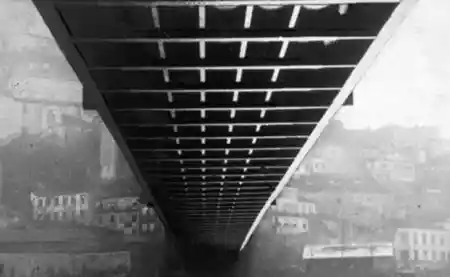
There is a scene with a bridge that looks like a giant metal spider web. The scale of it compared to the little wooden boats is kind of scary. 🏗️
It’s not exactly a fun time like Ice Cold Cocos, but it stays with you. You start thinking about how much effort it took just to move a pile of rocks from one side of the city to the other.
I wonder what happened to the little girl sitting on the edge of the dock. She’s just swinging her legs while these massive boats drift by dangerously close.
The movie doesn't try to explain anything to you. There are no title cards telling you facts or figures about the economy.
It’s just pure rhythm. The way the oars hit the water matches the way the workers step on the wooden planks.
I did find myself getting a bit distracted by the hats. Everyone in 1931 had such specific, beat-up hats.
It feels a bit more personal than something like Mon frère Jacques because the camera gets so close to the dirt. You can see the grime under their fingernails.
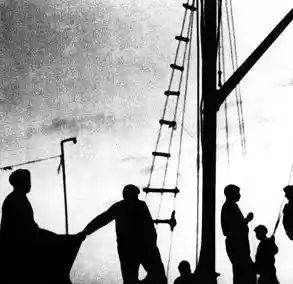
One shot of a crane lifting a crate goes on way too long. I think I counted thirty seconds of just a box moving through the air.
But then it cuts to a close-up of a face and you're back in it. The eyes of the workers are what you remember most.
The ending is very abrupt. It just kind of stops when the work is done.
I think that’s why I liked it. It doesn't try to give you a big message about the human spirit or whatever.
It just says, "Look, these people worked here, and it was hard."
If you're into the history of Porto or just want to see a master director's very first attempt at being a filmmaker, give it a go. It’s better than most of the stuff people spend millions on today. 🌊
It's definitely more interesting than The Pearl of Paradise, mostly because it feels like it actually happened.
I might watch it again just to look at the background extras. There is so much going on in every corner of the frame.
Anyway, it’s short. You have no excuse not to watch it if you care about movies.

IMDb 6.4
1932
Community
Log in to comment.