DbcultAccessing Vault...
Cult Review
Senior Film Conservator
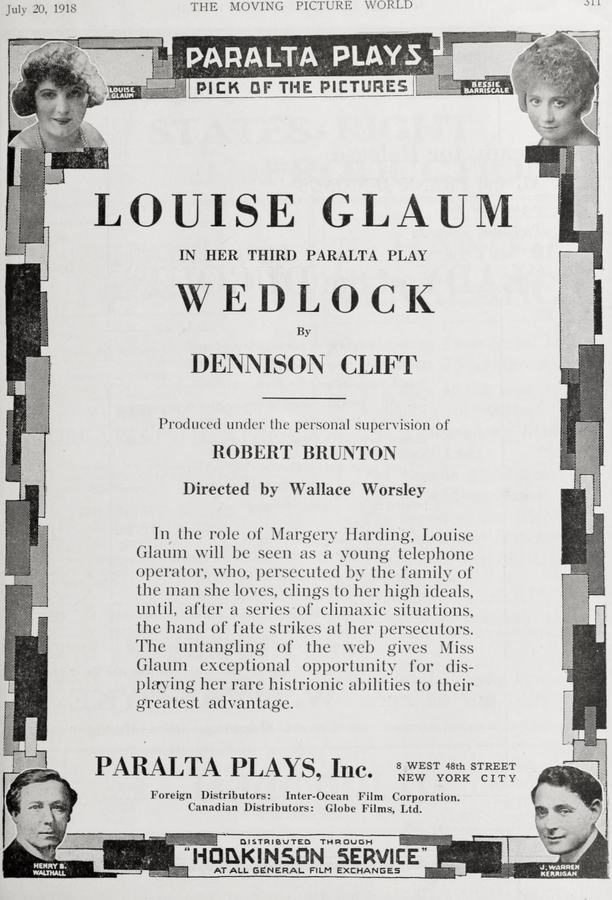
In the annals of silent cinema, certain narratives emerge from the archives not merely as relics of a bygone era, but as timeless explorations of human frailty, resilience, and the relentless pressures of societal expectation. Denison Clift’s Wedlock, a compelling drama from 1923, stands as a testament to this enduring power. It’s a film that, even a century removed from its initial release, speaks volumes about the arbitrary nature of class, the sacrifices demanded by ambition, and the arduous path to redemption. This is not merely a story of star-crossed lovers, but a sprawling saga that navigates the treacherous waters of social stratification, personal betrayal, and the capricious hand of fate.
The film opens with a premise as old as time, yet rendered with a fresh poignancy: the illicit romance between individuals from disparate social strata. Granger Hollister, portrayed with a nuanced blend of youthful ardor and eventual moral compromise by the magnetic John Gilbert, is a scion of immense wealth, his lineage steeped in prosperity and social standing. His world is one of gilded cages and unspoken rules, where alliances are forged not by sentiment, but by strategic advantage. Yet, his heart, untamed by the strictures of his class, finds solace and connection with Margery Harding, a telephone operator. Leatrice Joy, in a role that demands both vulnerability and steely resolve, embodies Margery with an understated grace that immediately draws the audience into her plight. Their secret marriage is a defiant act, a whispered rebellion against the very foundations of Granger’s privileged existence. It’s a bond forged in genuine affection, yet destined to clash violently with the unforgiving realities of their respective worlds. The tension inherent in this clandestine union is palpable from the outset, a ticking clock counting down to inevitable exposure.
The screenplay, meticulously crafted by Denison Clift, deftly establishes this foundational conflict. It’s a narrative technique that echoes the dramatic tension found in other silent era melodramas focusing on class disparity, though Clift imbues it with a particular psychological depth. The initial scenes, one can infer, would have been filled with the stolen glances, hushed conversations, and the intoxicating thrill of forbidden love, masterfully setting the stage for the dramatic unraveling that follows. The audience is left to ponder the fragility of such happiness when pitted against the entrenched prejudices of the era. The decision to marry, a profound expression of commitment, simultaneously becomes an act of immense risk, demonstrating a kind of reckless abandon that only true love or profound naivety can inspire.
The moment of truth arrives with devastating force at an engagement party for Granger’s sister, Jane. This social gathering, intended to solidify a prestigious alliance with Lord Cecil Graydon, instead becomes the crucible in which Granger's illicit marriage is exposed. The reaction is immediate and visceral. Lord Graydon, embodying the rigid aristocratic sensibilities of the time, issues an ultimatum: either Granger's marriage is annulled, or Jane's betrothal is broken. This scene, undoubtedly a tour de force of silent film acting, would have showcased the excruciating pressure brought to bear upon Granger. His internal conflict must have been agonizing: the love for his wife versus the perceived duty to his family and sister’s future. It’s a stark illustration of how societal expectations can crush individual happiness, a theme explored with similar intensity in films like La moglie di Claudio, where societal conventions often dictated personal fates.
Granger's decision to sacrifice Margery is not merely a plot point; it is the central tragedy of the film’s first act, a moment of profound moral capitulation that defines his character arc. He chooses the path of least resistance for his family, but at an immeasurable cost to his own integrity and Margery's well-being. This act of abandonment, however reprehensible, is presented within the context of overwhelming familial and social coercion, allowing for a nuanced understanding of his eventual redemption. It’s a choice that reverberates through the rest of the narrative, shaping the destinies of both protagonists in profound ways. The film forces us to confront the question of whether a man can truly redeem himself after such a devastating betrayal, and if the love once sacrificed can ever truly be rekindled.
Cast out and abandoned, Margery's journey transforms from one of naive love to an epic struggle for survival. Her narrative arc is perhaps the most compelling, showcasing the indomitable spirit of a woman pushed to her absolute limits. She seeks work, navigating the harsh realities faced by single women in the early 20th century, a stark contrast to the sheltered existence she momentarily shared with Granger. The birth of her child, a silent testament to her forsaken love, adds another layer of profound pathos to her plight. The subsequent death of her baby is a moment of unbearable grief, a tragedy that solidifies her transformation from a hopeful bride into a woman hardened by loss, yet not broken. This period of intense suffering serves as a crucible, forging a strength within her that will prove pivotal later in the story. It is a narrative thread that could be compared to the intense emotional journeys of heroines in films like Mothers of France, where women face unimaginable hardship with unwavering resolve.
Her decision to go West is a classic cinematic trope, yet in Wedlock, it signifies more than just a change of scenery. It represents a quest for self-reinvention, a symbolic shedding of her past sorrows. It is in this rugged, untamed landscape that fate intervenes once more, but this time, in her favor. She befriends an old miner, a seemingly chance encounter that turns out to be her lifeline. His subsequent legacy, a substantial fortune, elevates Margery from destitution to independence. This sudden reversal of fortune is not merely a convenient plot device; it underscores the film’s exploration of destiny and the unexpected turns life can take. It empowers Margery, giving her agency and the means to shape her own future, a stark contrast to her earlier helplessness. Her journey from telephone operator to wealthy benefactor is a powerful commentary on the potential for individual triumph against overwhelming odds, a narrative trajectory that resonates with the spirit of the American dream, albeit one born from immense suffering.
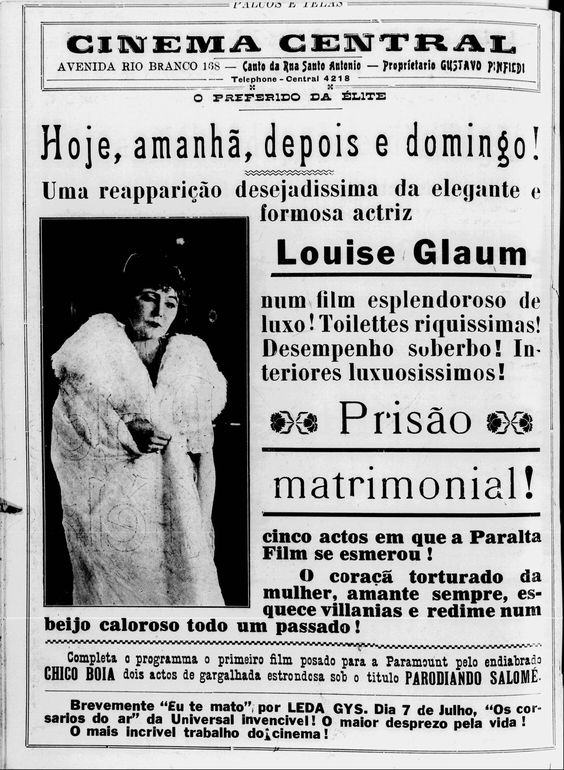
While Margery endures her trials and ultimately finds prosperity, Granger's life takes a precipitous downturn, a karmic counterbalance to his earlier betrayal. Entangled in a fraudulent mining deal, he finds himself ensnared in the very web of avarice and deceit that often plagued the financial world of the era. This narrative thread provides a fascinating counterpoint, illustrating how even those born into privilege are not immune to the corrupting influence of greed and the precariousness of reputation. The film, through this plotline, offers a subtle critique of unchecked capitalism and the moral ambiguities lurking beneath the surface of high society. His subsequent conviction, predicated on the perjured testimony of George Osborne, highlights the arbitrary and often cruel nature of justice. Sentenced to five years in prison, Granger experiences a profound reversal of fortune, stripped of his social standing and personal freedom. This descent into ignominy forces him to confront the consequences of his past actions, compelling a transformation that his earlier comfortable life never demanded. It's a powerful depiction of how circumstances can humble even the most arrogant, forcing a reckoning with one's own moral compass. The injustice of his imprisonment, while not directly related to his treatment of Margery, serves as a narrative mirror, reflecting the suffering he inflicted upon her, suggesting a cyclical nature to fate and consequences.
"A poignant exploration of destiny's intricate dance, 'Wedlock' masterfully weaves together threads of societal expectation, personal sacrifice, and the enduring quest for redemption. It's a silent film that speaks volumes about the human spirit's capacity for both profound betrayal and unwavering loyalty."
Granger's audacious escape from prison marks the beginning of the film’s climactic movement, setting in motion a chain of events that will bring him back into Margery’s orbit. Now a fugitive, stripped of everything, he is forced to seek refuge, and in a twist of fate, it is Margery, the woman he once abandoned, who offers him sanctuary. This reunion is fraught with complex emotions – lingering resentment, perhaps a flicker of old affection, and certainly a profound sense of irony. Margery, now a woman of means and independence, holds Granger’s fate in her hands. Her decision to hide him is not born of weakness or a return to her former subservience; rather, it is an act of profound compassion, perhaps even a testament to the enduring power of their initial bond, or a demonstration of her evolved character. She has transcended her past suffering, emerging as a figure of formidable strength and moral clarity.
The culmination of this intricate plot sees Margery taking an active role in securing Granger’s pardon. This is a pivotal moment, not just for Granger’s freedom, but for Margery’s own narrative. She is no longer the victim; she is the rescuer, the orchestrator of justice. Her actions complete her transformation from a wronged wife to a powerful agent of change, demonstrating a strength of character that few heroines of the era possessed. This act of forgiveness and advocacy is the ultimate expression of her growth, proving that she has risen above the bitterness of her past. The film culminates in their remarriage, a symbolic closure that suggests not merely a return to their original vows, but a profound renewal, a union forged in the fires of shared suffering and mutual redemption. It’s a powerful statement on the possibility of second chances and the enduring nature of true affection, even after years of separation and hardship.
The success of Wedlock, even without the benefit of direct viewing, can be inferred from the strength of its narrative and the caliber of its cast. John Gilbert, a veritable titan of the silent screen, would have brought his signature intensity and nuanced emotional range to Granger Hollister, portraying both his initial arrogance and his eventual humbled humanity. His ability to convey complex internal struggles through gesture and expression would have been crucial to making Granger’s journey believable and sympathetic. Leatrice Joy, equally celebrated for her dramatic prowess, would have imbued Margery with a formidable resilience, allowing the audience to deeply connect with her trials and triumphs. The supporting cast, including Charles Gunn, Helen Dunbar, Harry Archer, Joseph J. Dowling, Beverly Randolph, Louise Glaum, Aggie Herring, Clifford Alexander, Herschel Mayall, and
Denison Clift's screenplay is a masterclass in melodramatic construction, weaving together themes of class conflict, sacrifice, betrayal, and ultimately, redemption. It explores the destructive power of societal expectations and the profound resilience of the individual spirit. The narrative’s careful pacing, with its alternating fortunes for the two protagonists, creates a compelling sense of dramatic irony and suspense. It’s a film that asks profound questions about forgiveness, the nature of justice, and whether love, once broken, can ever truly be made whole again. The resolution, while offering a happy ending, is not facile; it is earned through immense suffering and profound personal growth on the part of both Granger and Margery. This journey of hardship and eventual reunion resonates with the complex emotional arcs seen in films like The Recoil, where characters must confront their past mistakes to forge a new future.
Wedlock stands as a powerful example of silent cinema’s capacity for intricate storytelling and deep emotional resonance. It is a narrative that transcends its era, offering a timeless meditation on the human condition. The film’s exploration of class divides, the arbitrary nature of social power, and the redemptive potential of love and forgiveness ensures its continued relevance. It reminds us that while the trappings of wealth and status may dictate certain paths, the true measure of character lies in one’s ability to endure hardship, seek atonement, and extend compassion. The journey of Granger and Margery, from clandestine lovers to estranged individuals scarred by fate, and finally to a reunited couple tempered by adversity, is a testament to the enduring power of the human spirit. It is a film that, through its compelling drama and powerful performances, solidifies its place as a significant, albeit perhaps lesser-known, masterpiece of the silent era, deserving of renewed appreciation and study.
The film’s title itself, Wedlock, becomes a poignant symbol. It initially represents the sanctity of a bond broken by external forces, then the legal and social constraints that define relationships, and finally, the ultimate triumph of a bond reforged through shared experience and mutual growth. It is a story of how an institution, often seen as rigid, can bend and adapt to the incredible pressures of life, ultimately becoming stronger for it. The film, in its entirety, is a powerful argument for love's resilience against all odds, a narrative that continues to resonate with its profound exploration of human connection and the complex interplay of fate and free will. It serves as a stark reminder of the enduring questions that cinema has always sought to answer: what is the true cost of societal conformity, and what is the ultimate value of a love that can withstand the test of time and tragedy?
IMDb 7.2
1919
Community
Log in to comment.