DbcultAccessing Vault...
Cult Review
Senior Film Conservator
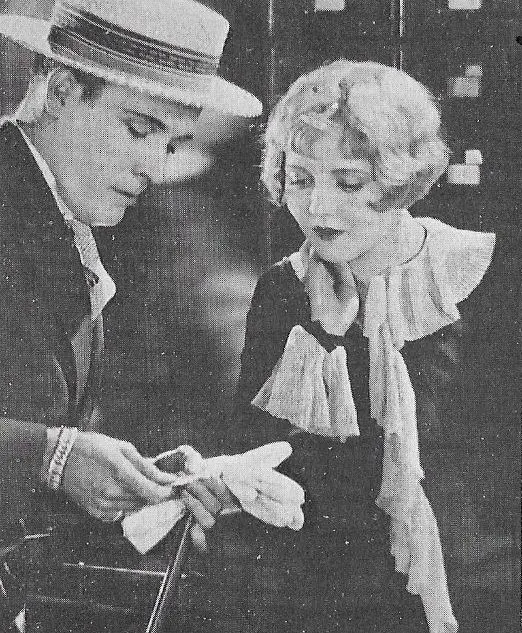
Can a century-old silent film about fashion and fidelity still captivate a modern audience? The short answer for 'Ladies Must Dress' review is a resounding yes, but with significant caveats. This 1927 production, directed by Victor Heerman, offers a fascinating, if sometimes frustrating, window into the societal anxieties and romantic conventions of its era, making it a compelling watch for film historians, silent film enthusiasts, and anyone curious about the roots of cinematic storytelling.
However, those seeking a fast-paced, dialogue-heavy narrative or a story that fully subverts traditional gender roles might find its pacing deliberate and its thematic conclusions somewhat dated. It’s a film that demands patience and an appreciation for the visual storytelling prevalent before the talkies took hold. For those who can meet it on its own terms, there’s a surprising amount to unpack.
Absolutely, for the right viewer. 'Ladies Must Dress' works as a historical artifact, a showcase for early cinematic techniques, and a surprisingly resonant exploration of superficiality and self-worth. Its central premise, while simple, touches upon themes that echo even today in our image-obsessed culture. It's a testament to the power of non-verbal performance and visual storytelling.
This film works because it deftly illustrates the transformative power of appearance and the societal pressures that often dictate personal value. Nancy Carroll's performance anchors the narrative, providing a relatable emotional core to Eve's journey from overlooked fiancée to confident woman. The film’s silent storytelling forces a reliance on exaggerated expressions and gestures, which, when done well, can be incredibly engaging. Its exploration of Joe's almost immediate regret and subsequent jealousy also adds a layer of human complexity, even if his redemption feels a tad rushed.
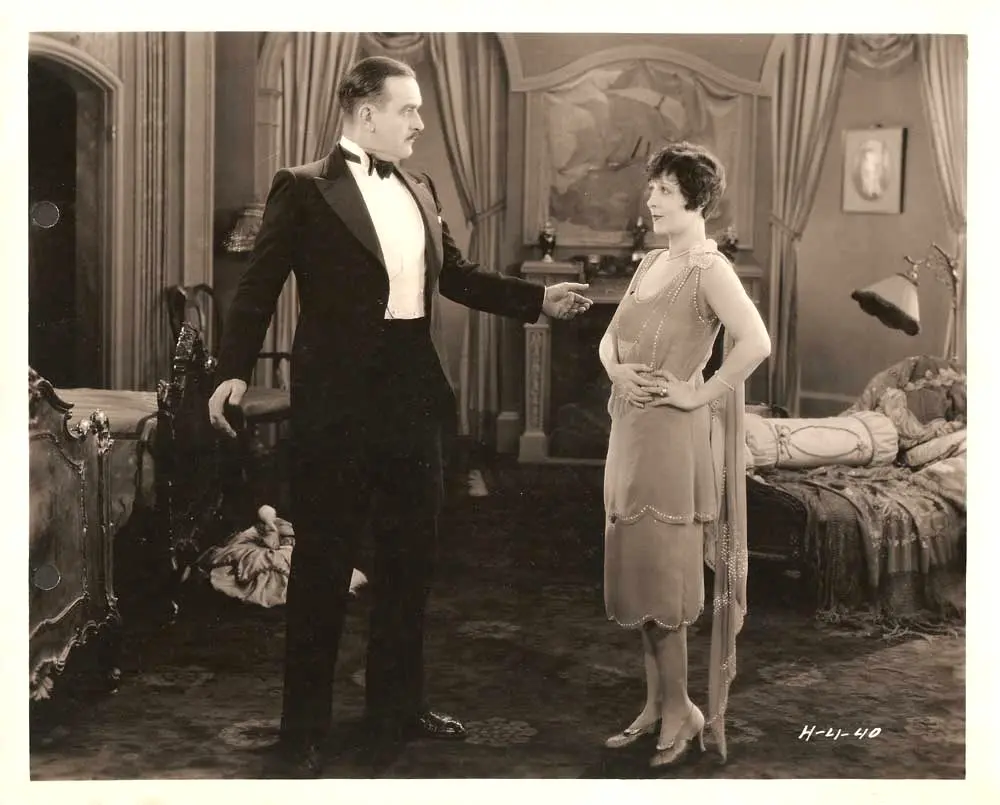
This film fails because its resolution, particularly regarding Joe's unfounded suspicions, feels somewhat contrived and relies on a rather simplistic understanding of trust. The pacing, while typical for the era, can test the patience of contemporary viewers accustomed to faster cuts and more intricate subplots. Furthermore, the underlying message, while celebrating Eve's transformation, doesn't fully challenge the patriarchal gaze that instigated her change in the first place. It reinforces the idea that a woman's value is, at least in part, tied to how she presents herself to men.
You should watch it if you are a student of film history, enjoy silent cinema, or appreciate narratives that explore character transformation through visual means. It's also a good choice for those interested in period fashion and the social mores of the Roaring Twenties. If you prefer modern pacing, complex moral ambiguities, or explicit feminist narratives, this might not be your ideal cinematic experience. It’s a product of its time. And it shows.
At its heart, 'Ladies Must Dress' grapples with a narrative trope as old as storytelling itself: the ugly duckling transformation. Eve, initially presented as a woman whose inner qualities are overshadowed by her uninspired wardrobe, becomes a symbol of how external presentation can profoundly alter perception – both societal and self-perception. Joe's initial criticism, though boorish, acts as the catalyst for Eve's metamorphosis, setting the stage for a classic tale of revenge through glamour.
The film's exploration of this theme is surprisingly nuanced for its era. It doesn't merely suggest that dressing well is about attracting men; it hints at a deeper empowerment that comes from confidence and self-assurance. When Eve transforms, it’s not just her clothes that change, but her entire demeanor. This shift is crucial, as it elevates the film beyond a mere fashion parade to a commentary on agency, albeit one triggered by external validation.
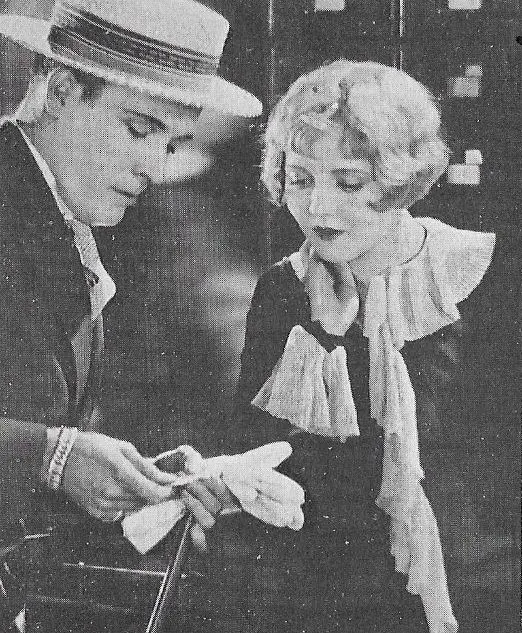
However, the plot's reliance on Joe's immediate remorse and subsequent, almost comical, jealousy feels a little too convenient. His character arc is less about genuine introspection and more about reacting to Eve's newfound allure. This lack of deeper character development for Joe is one of the film's minor weaknesses, preventing the narrative from achieving a more profound exploration of relationship dynamics. The film seems more interested in the spectacle of transformation and the ensuing romantic entanglement than in the psychological depth of its male lead.
The introduction of a 'questionable relations' subplot with Eve's boss adds a layer of dramatic tension, but ultimately serves as a mechanism to demonstrate Eve's unwavering virtue and Joe's misguided distrust. It's a standard silent film device, designed to raise the stakes before a triumphant, albeit predictable, resolution. While effective in its time for creating suspense, today it might feel like an unnecessary detour, detracting from the more interesting character study of Eve.
Nancy Carroll, as Eve, carries the emotional weight of 'Ladies Must Dress' with remarkable grace. Her initial portrayal of Eve is marked by a certain diffidence; her posture perhaps slightly slumped, her gaze often downcast, reflecting a woman unconsciously accepting her perceived 'drabness.' This subtle physical language is paramount in silent film, and Carroll executes it convincingly. She conveys a quiet resignation that makes Joe's bluntness sting all the more.
The transformation, however, is where Carroll truly shines. It's not merely a superficial change of costume. Carroll imbues the 'ravishing beauty' with a newfound confidence, a lift in her chin, a directness in her eyes that speaks volumes about internal change, even if spurred by external validation. Consider the scene where she first reappears before Joe; it’s not just the dress, but the way Carroll carries herself, a subtle shift in her center of gravity that communicates power and self-possession. This moment, conveyed purely through visual cues, is a masterclass in silent film acting, highlighting the stark contrast between her two personas.
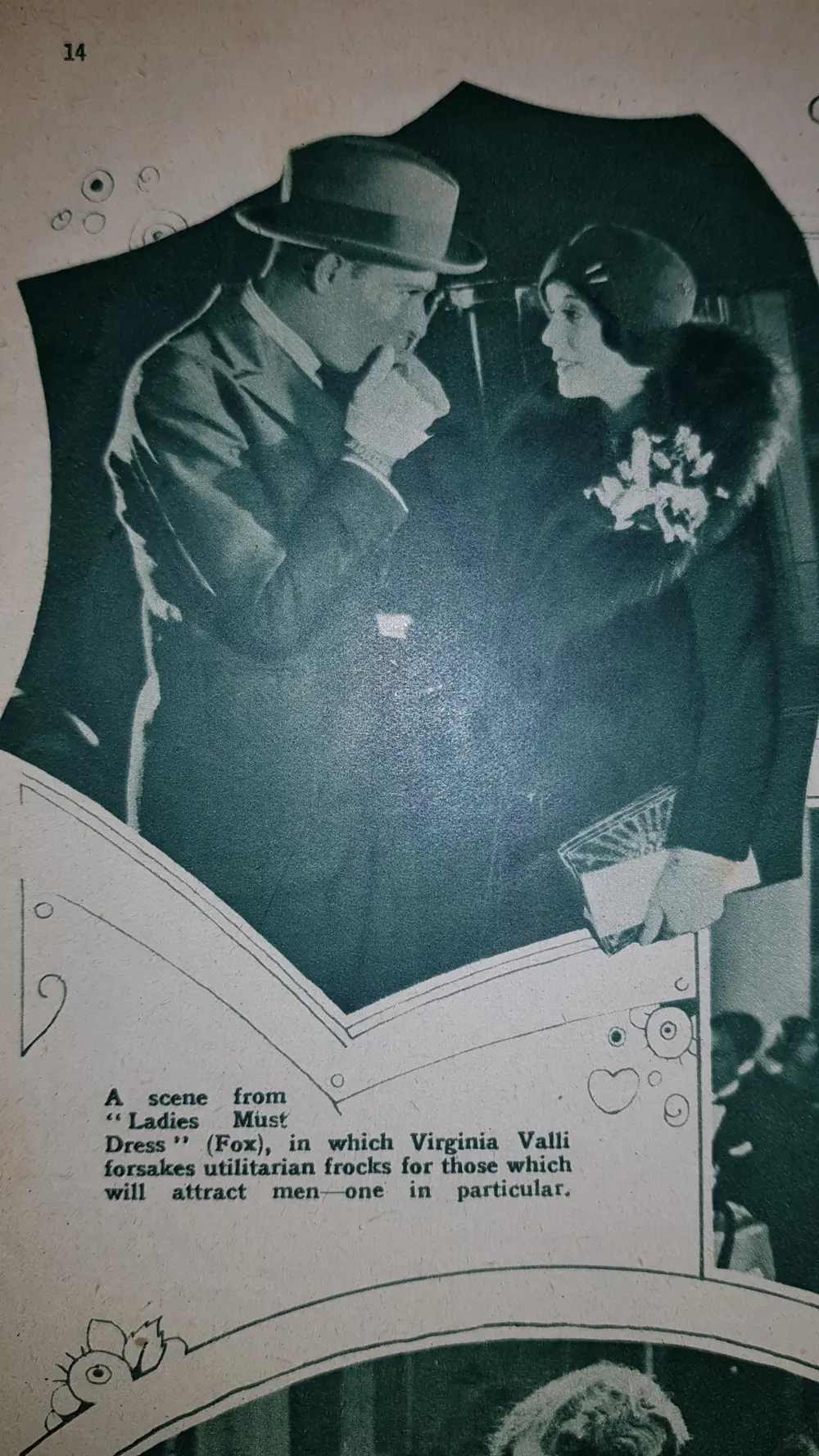
Hallam Cooley, as Joe, plays the remorseful and then suspicious fiancé with broad strokes, typical of silent era melodrama. His initial arrogance is palpable, conveyed through a slight sneer or dismissive gesture. His subsequent regret is often illustrated by frantic pacing or a hand-to-forehead gesture, signifying internal turmoil. While effective for the period, his performance lacks the nuanced depth that Carroll brings, making Joe a character driven more by plot mechanics than by genuine emotional complexity. He is the catalyst and the obstacle, rather than a fully realized individual.
The supporting cast, including Virginia Valli as the helpful Mazie, provides adequate backing. Mazie, in particular, serves as the pragmatic catalyst for Eve's transformation, her knowing glances and conspiratorial smiles adding a touch of wit to the proceedings. While not given extensive screen time, her presence is vital in moving the plot forward and providing the necessary emotional support for Eve.
Victor Heerman's direction of 'Ladies Must Dress' leverages the visual strengths of silent cinema to great effect. The film's cinematography, while likely straightforward by today's standards, would have focused on clear storytelling through composition and lighting. Early scenes of Eve might employ flatter lighting, perhaps even slightly muted tones (for a black and white film, this implies less dynamic range), to visually reinforce her 'drab' existence. The camera might linger on her simple attire, juxtaposing it with the more ornate costumes of her friends, highlighting Joe's critical observations without the need for extensive intertitles.
In contrast, her transformed self would undoubtedly be bathed in more dramatic, high-key lighting, with careful attention to shadow play that accentuates the contours of her new attire and confident demeanor. A close-up on a new accessory, a shimmering necklace or a delicate brooch, might have served as a visual punchline to Joe's earlier disdain. This use of visual contrast is fundamental to the film's success in conveying its central theme.
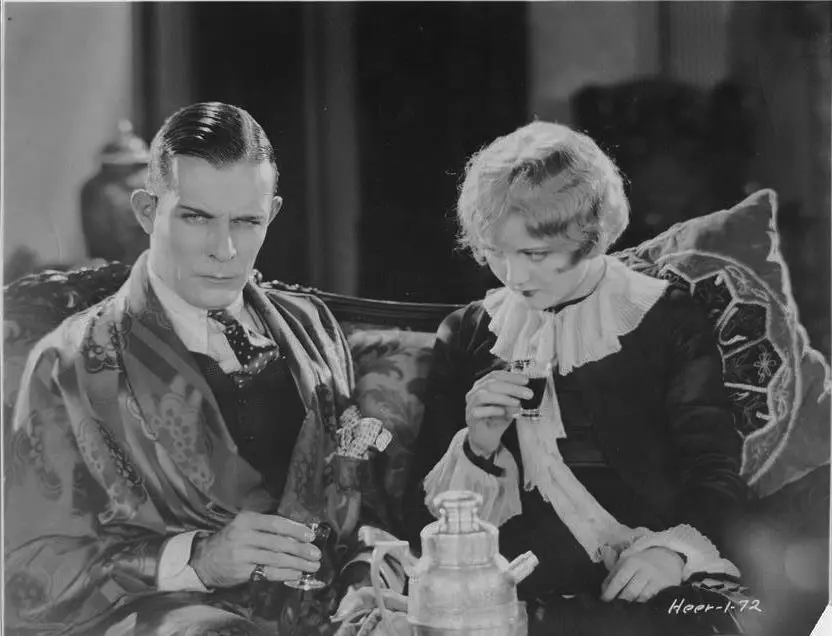
Heerman also demonstrates a keen understanding of the male gaze, a concept perhaps not articulated in 1927 but certainly present in cinematic practice. Joe’s initial disdain and subsequent admiration are often framed through his perspective, with the camera acting as his judgmental or appreciative eye. This directorial choice, while problematic from a modern feminist standpoint, accurately reflects the societal norms the film is portraying. It’s a powerful, if sometimes uncomfortable, reminder of how women were often viewed and valued in that era.
The editing, typical of the period, would have relied on longer takes broken by intertitles, allowing the audience to absorb the visual information and character expressions. While this can feel slow to a modern viewer, it creates a meditative quality, drawing attention to the nuances of performance and set design. The transition sequences for Eve's transformation, likely employing quick cuts or dissolve effects, would have been a highlight, visually selling the dramatic shift in her appearance.
The pacing of 'Ladies Must Dress' is undeniably a product of its time. Silent films operated on a different rhythm, often allowing scenes to play out with fewer cuts and relying heavily on intertitles to convey dialogue and narrative exposition. For contemporary audiences, this can feel like a challenge, particularly in the film's slower moments where character reactions are prolonged.
However, this deliberate pacing also allows for a deeper appreciation of the visual storytelling. Without the constant distraction of dialogue, the viewer is forced to pay closer attention to the actors' expressions, body language, and the intricate details of the sets and costumes. This immersive quality is a unique strength of silent cinema, and 'Ladies Must Dress' leverages it to build anticipation for Eve's transformation and the subsequent dramatic turns.
The tone of the film shifts from lighthearted romantic comedy in its initial setup to a more dramatic, almost melodramatic, exploration of jealousy and misunderstanding. The early scenes, with Joe's flippant remarks and Mazie's conspiratorial advice, have a charming buoyancy. As the plot progresses into Joe's suspicions, the tone becomes more serious, leaning into the emotional stakes of fidelity and trust. This tonal oscillation, while occasionally jarring, keeps the narrative engaging, preventing it from becoming either purely frivolous or overly somber.
The film's ultimate message, despite its period trappings, resonates with a surprising universality. It suggests that while external appearances can open doors or change perceptions, true love and trust must be built on something more substantial. The somewhat simplistic resolution, where Joe discovers Eve's innocence, reinforces a conservative view of fidelity, yet it also celebrates the enduring power of genuine affection over superficial judgments. It's a sweet, if conventional, ending that satisfied audiences of the era and still offers a comforting conclusion today.
'Ladies Must Dress' is more than just a relic; it's a vibrant piece of cinematic history that still speaks to universal themes. While its pacing and certain narrative conventions firmly place it in the silent era, its core message about self-worth, appearance, and the pitfalls of superficial judgment remains remarkably relevant. Nancy Carroll's performance alone makes it a worthwhile watch, demonstrating the enduring power of a well-crafted character arc delivered without a single spoken word.
It's not a flawless film, nor is it a revolutionary one, but it is a charming, often insightful, and surprisingly engaging experience that offers a valuable glimpse into the evolving art of cinema. For those willing to embrace its unique rhythm, 'Ladies Must Dress' is a delightful journey into a bygone era, proving that sometimes, the most profound statements are made in silence. It’s a compelling, if imperfect, testament to the enduring power of visual storytelling, a silent echo that still resonates with surprising clarity today.
IMDb —
1921
Community
Log in to comment.