DbcultAccessing Vault...
5.6/10
Senior Film Conservator
A definitive 5.6/10 rating for a film that redefined the boundaries of cult cinema. Alma provinciana remains a cornerstone of transgressive art.
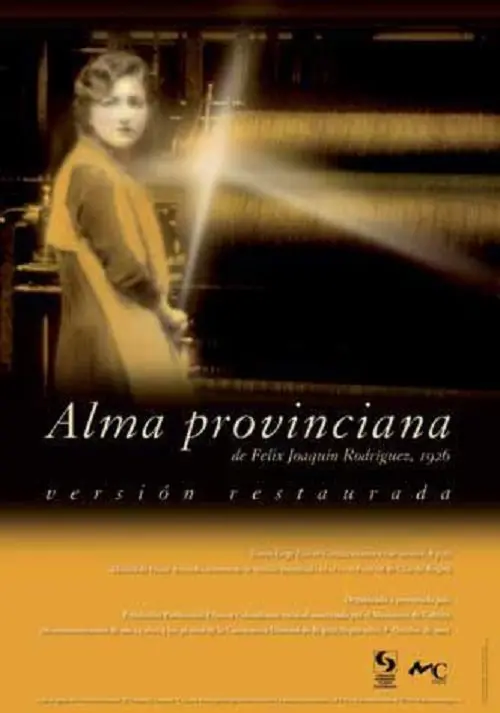
There are films that merely tell a story, and then there are those that excavate the very soul of a society, laying bare its intricate fractures and enduring contradictions. Alma provinciana, a profound Colombian cinematic achievement, unequivocally belongs to the latter category. It is a work that transcends simple narrative, evolving into a poignant social document, a vibrant canvas upon which the brutal realities of class stratification in a particular historical moment are painted with both melodramatic flourish and stark, unadorned realism. From its opening frames, the film establishes an atmospheric tension, a palpable sense of lives constrained by invisible yet unbreakable chains, hinting at the tragic romantic entanglements that will serve as its emotional core and its most potent critique.
What Félix Joaquín Rodríguez, the visionary writer behind this masterpiece, achieves is nothing short of remarkable. He doesn't just present a plot; he crafts a living, breathing microcosm of Colombia, where the verdant, sprawling countryside and the bustling, often unforgiving city serve as backdrops to an eternal struggle: the clash between inherited privilege and genuine human connection. The film’s narrative architecture is built upon two parallel, star-crossed love affairs, each meticulously designed to illuminate the insidious ways in which wealth, lineage, and social standing dictate destiny. The central antagonist isn't a single villain, but rather the pervasive, almost invisible, societal structure itself, personified by the formidable country landlord whose power is absolute, extending even to the tenderest affections of his own children.
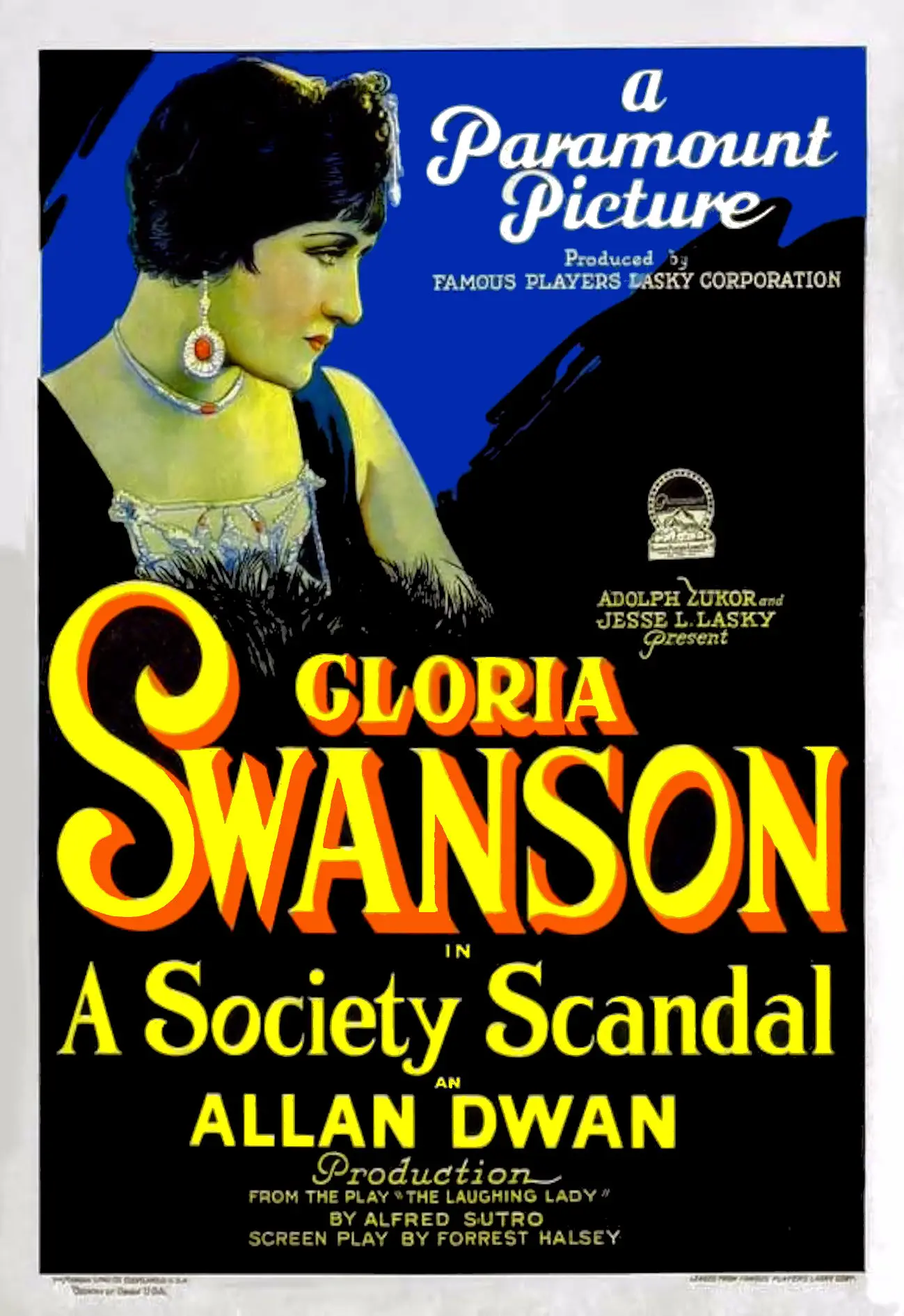
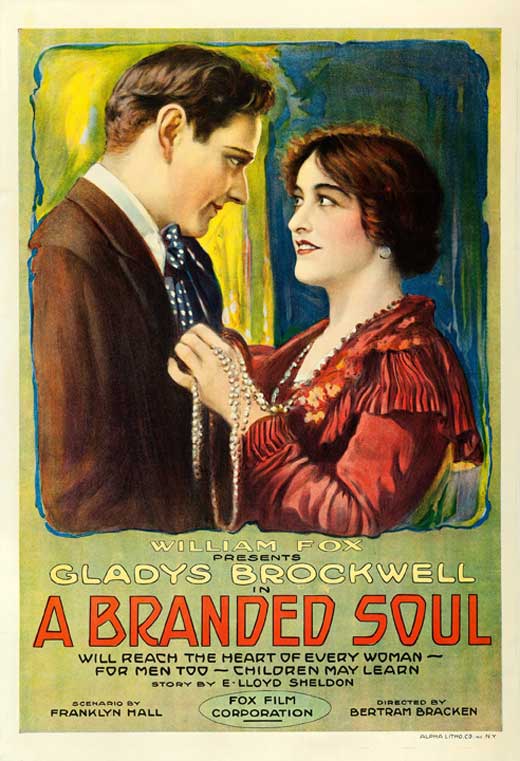
This is not merely a tale of forbidden love; it's a sociological study draped in the compelling garments of human drama. The landlord's daughter, portrayed with nuanced vulnerability by Rosa Lobel, finds her heart drawn to the earnest, hardworking farm overseer, brought to life with understated dignity by Alberto Galvis. Their clandestine glances, stolen moments, and whispered promises are imbued with a desperate urgency, for they exist in a world where such a union is not just frowned upon, but actively, brutally suppressed. The landlord’s unyielding opposition is less about personal dislike and more about the preservation of an archaic social order, a fear that the purity of his bloodline and the sanctity of his status might be irrevocably tarnished by an alliance with someone deemed fundamentally 'unsuitable.' This echoes the rigid societal expectations explored in films like The Branded Woman, where social stigma and public perception often dictate personal fates more forcefully than any individual will.
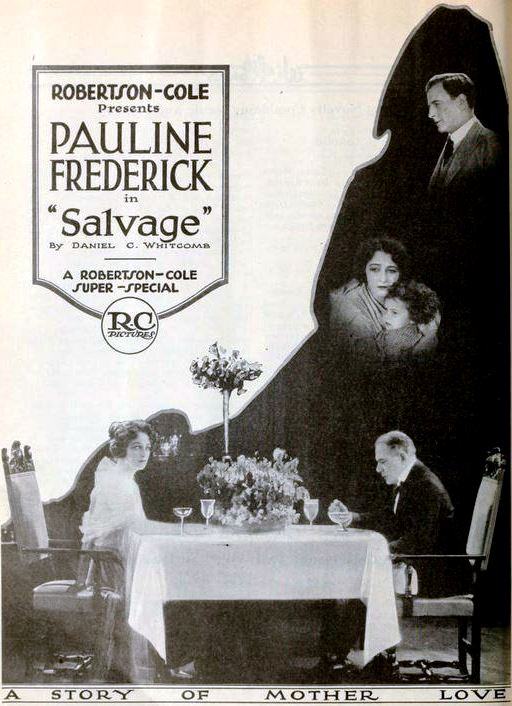
The second romantic thread involves the landlord's college-educated son, embodied by the thoughtful César Philips, who, despite his privileged upbringing and exposure to modern ideas, falls deeply for the daughter of a poor city cobbler. This relationship, brought to screen with quiet grace, introduces an urban dimension to the class conflict, demonstrating that the rigid social boundaries are not confined to the rural estates but permeate the very fabric of city life. The cobbler's daughter, perhaps played by the luminous Maga Dalla or Elisa Lobel, represents an authenticity, an unpretentious spirit that stands in stark contrast to the superficiality of the son's expected social circle. Their love, too, is seen as an affront, a betrayal of the family's standing, highlighting the pervasive nature of class prejudice that transcends geographical settings. This societal pressure against 'unsuitable' matches finds a thematic cousin in films like Married in Name Only, where the institution of marriage itself becomes a tool for social engineering rather than a celebration of genuine affection.
The genius of Alma provinciana lies in its seamless blend of the melodramatic and the documentary. The film leverages the heightened emotions inherent in melodrama—the grand gestures, the heart-wrenching sacrifices, the profound despair—to amplify the very real, often brutal, consequences of social injustice. It never feels exploitative or overly sentimental; instead, the emotional intensity serves as a magnifying glass, allowing the audience to feel the raw pain and frustration of characters trapped by circumstances beyond their control. This fusion is a testament to the directorial hand (presumably Rodríguez's, given his writing credit), which understands that sometimes, the most effective way to reveal truth is through the amplification of human experience. The documentary detail, on the other hand, grounds the narrative in an undeniable reality. Shots of the working farm, the bustling city streets, the stark differences in living conditions—all contribute to an authentic portrayal of Colombia's social landscape, lending a powerful verisimilitude to the fictionalized drama. This dual approach ensures that the film is not just an emotional rollercoaster, but also a thought-provoking mirror reflecting societal truths.
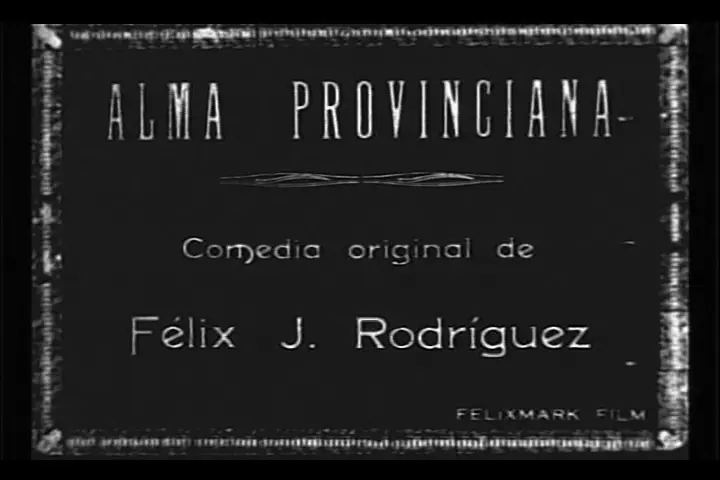
The ensemble cast delivers performances that are uniformly compelling, each actor contributing to the film's rich emotional tapestry. Rosa Lobel, as the landlord's daughter, perfectly captures the internal conflict of a woman torn between filial duty and the fierce longing of her heart. Her eyes convey volumes of unspoken desire and sorrow, making her struggle profoundly resonant. Alberto Galvis, as the overseer, imbues his character with a quiet strength and unwavering integrity, making his plight against an insurmountable social barrier all the more tragic. One feels his frustration, his dignity, and his desperate hope in equal measure. César Philips offers a nuanced portrayal of the son, navigating the choppy waters between his inherited world and the genuine connection he finds outside it. His journey of awakening and disillusionment is subtly yet powerfully rendered.
The supporting cast, including Juan Antonio Vanegas, Camilo Daza, Alí Bernal, Maga Dalla, Carlos Brando, Elisa Lobel, Fidel Salazar, and Ramón Vesga, collectively create a believable and vibrant world. Their interactions, whether as family members, servants, or townsfolk, illuminate the intricate web of relationships and power dynamics that define this stratified society. The landlord figure, though perhaps not named explicitly in the plot summary, is a force of nature, a symbol of the old guard, and the actor embodying him (likely Carlos Brando, given his gravitas) must have delivered a performance of formidable authority and unyielding conviction, making his resistance to change both terrifying and tragically human. The film's ability to extract such authenticity from its entire cast is a testament to its strong script and sensitive direction.
The cinematography of Alma provinciana plays a crucial role in conveying its themes. The contrast between the expansive, sun-drenched landscapes of the provincial estate and the cramped, shadow-filled alleyways of the city cobbler's home is visually arresting. These spatial distinctions are not merely aesthetic; they are symbolic, underscoring the vast gulfs that separate the characters and their worlds. The use of natural light, the framing of figures against imposing architectural elements or vast open fields, all contribute to a visual language that speaks volumes about power, vulnerability, and aspiration. The film's pacing, too, is deliberate, allowing moments of quiet contemplation to punctuate the more intense dramatic sequences, ensuring that the audience is fully immersed in the emotional journey of its characters.
In its exploration of forbidden love across social divides, Alma provinciana shares thematic DNA with other powerful narratives. One might draw parallels to the raw emotionality of Syndig Kærlighed (Sinful Love), where societal norms clash violently with personal desires. However, Alma provinciana distinguishes itself by anchoring its melodrama so firmly in the specific socio-political context of Colombia, transforming personal tragedy into a broader commentary on national identity and progress. It's a film that doesn't shy away from depicting the harsh realities, yet it retains a deep empathy for its characters, making their struggles universal even in their specificity.
The enduring relevance of Alma provinciana cannot be overstated. While set in a particular time and place, its core themes—the arbitrary nature of class, the struggle for individual freedom against societal expectations, and the relentless human quest for love and acceptance—remain timeless. It serves as a potent reminder that while societies may evolve, the invisible barriers that divide us often persist, albeit in different forms. The film compels us to reflect on our own social structures, to question the unspoken rules that govern our lives, and to empathize with those whose destinies are shaped by forces seemingly beyond their control. It is a cinematic experience that lingers long after the credits roll, a testament to the power of storytelling when wielded with such insight and emotional conviction.
Ultimately, Alma provinciana is more than just a film; it's a vital piece of cultural heritage, a work that masterfully blends artistic expression with social activism. It doesn't offer easy answers or neat resolutions, mirroring the complexities of real life. Instead, it invites viewers to confront uncomfortable truths, to feel the weight of injustice, and to celebrate the resilience of the human spirit in the face of overwhelming odds. The performances are captivating, the narrative is meticulously crafted, and the visual storytelling is evocative, making it a truly immersive experience. It stands as a powerful testament to the transformative potential of cinema, capable of both entertaining and profoundly enlightening its audience. For anyone interested in the intricate dance between love, class, and destiny, this film is an essential viewing, a poignant journey into the heart of a society grappling with its own internal divisions.
IMDb —
1921
Community
Log in to comment.