DbcultAccessing Vault...
7/10
Senior Film Conservator
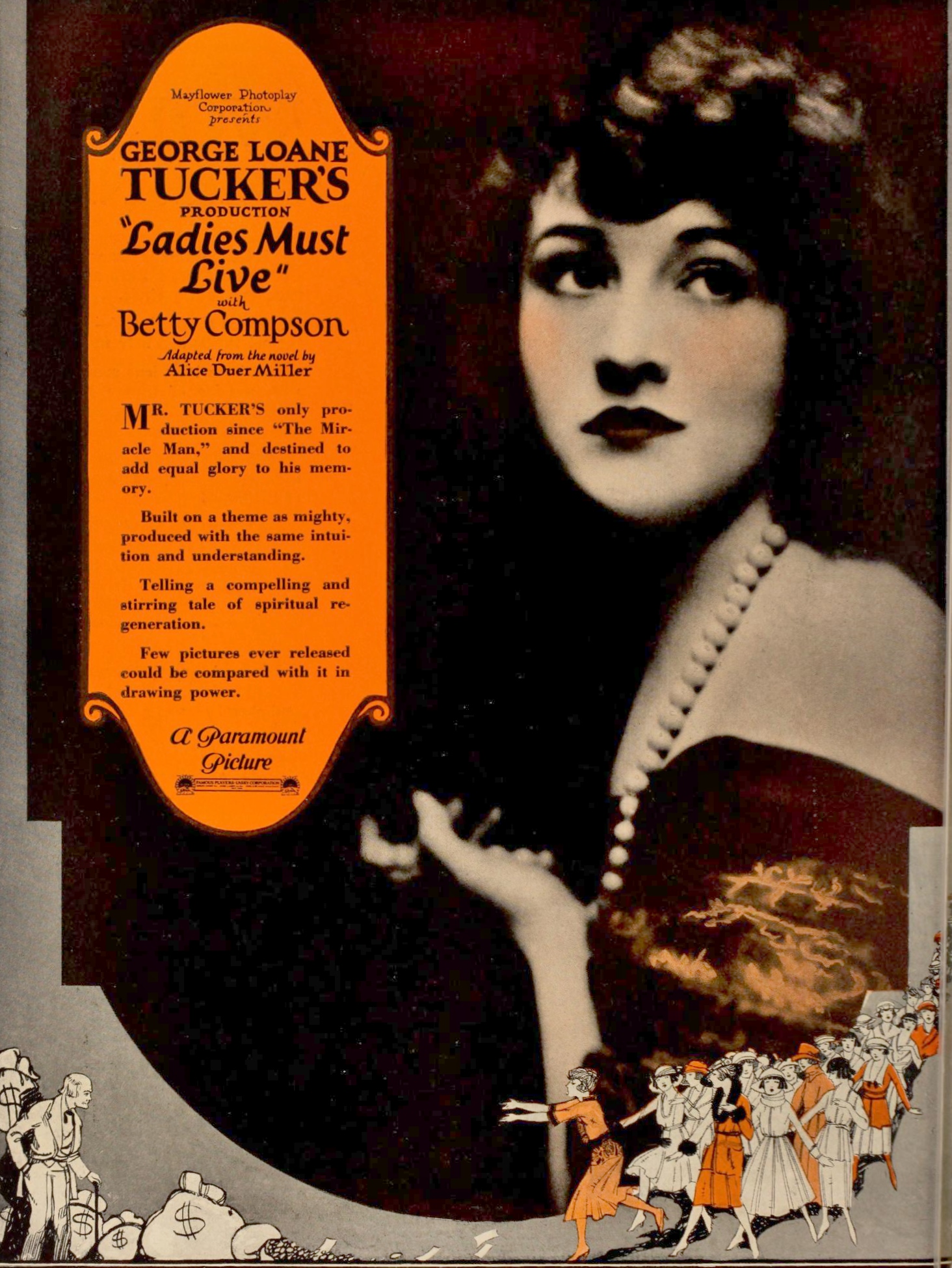
A definitive 7/10 rating for a film that redefined the boundaries of cult cinema. Ladies Must Live remains a cornerstone of transgressive art.
The cinematic tapestry of the early 1920s often wove intricate narratives of societal aspiration, moral quandaries, and the enduring quest for love, and Ladies Must Live stands as a compelling, if sometimes overlooked, example of this era's storytelling prowess. Released in a period of significant social flux, this film, penned by Alice Duer Miller and George Loane Tucker, plunges headfirst into the convoluted dynamics of status and affection, revealing the stark choices women faced in a world obsessed with appearances and wealth. It’s a melodrama, certainly, but one infused with a surprising depth that transcends mere sensationalism, offering a poignant commentary on the human condition.
At its core, the film dissects the journey of Christine Bleeker, a character whose ambition is as pronounced as her beauty. Schooled in the ruthless art of social advancement by her brother-in-law, William Hollins, Christine’s trajectory is meticulously planned. Her target, Ralph Lincourt, represents not just a husband, but a portal to a life of comfort and prestige, a life she believes is her rightful due. Yet, the path to this gilded cage is never straightforward. The formidable Nancy Barron emerges as a potent rival, her own designs on Lincourt creating a palpable tension that crackles across the screen. This rivalry is more than just a clash of wills; it's a stark portrayal of the competitive landscape women navigated, where personal desires often intertwined with the pragmatic need for financial security.
Beyond Christine’s central struggle, the film deftly introduces a constellation of interconnected lives, each grappling with their own personal battles. Ned Klegg, a figure of earnest devotion, pines for Barbara, the social secretary, whose position places her in a precarious dance with the attentions of Barron, Nancy's elderly yet influential husband. This subplot beautifully illustrates the power imbalances inherent in the era's social structures, where a woman's vulnerability could be exploited by those in positions of authority. The narrative doesn't shy away from these uncomfortable truths, instead presenting them as integral facets of the societal fabric it seeks to portray. It's a testament to the writers, Alice Duer Miller and George Loane Tucker, that these secondary storylines feel as rich and compelling as the primary one, contributing to a holistic view of the world they’ve created. Their ability to craft such a multi-layered narrative, where each character's fate is intricately linked, showcases a sophistication in screenwriting that was perhaps ahead of its time.
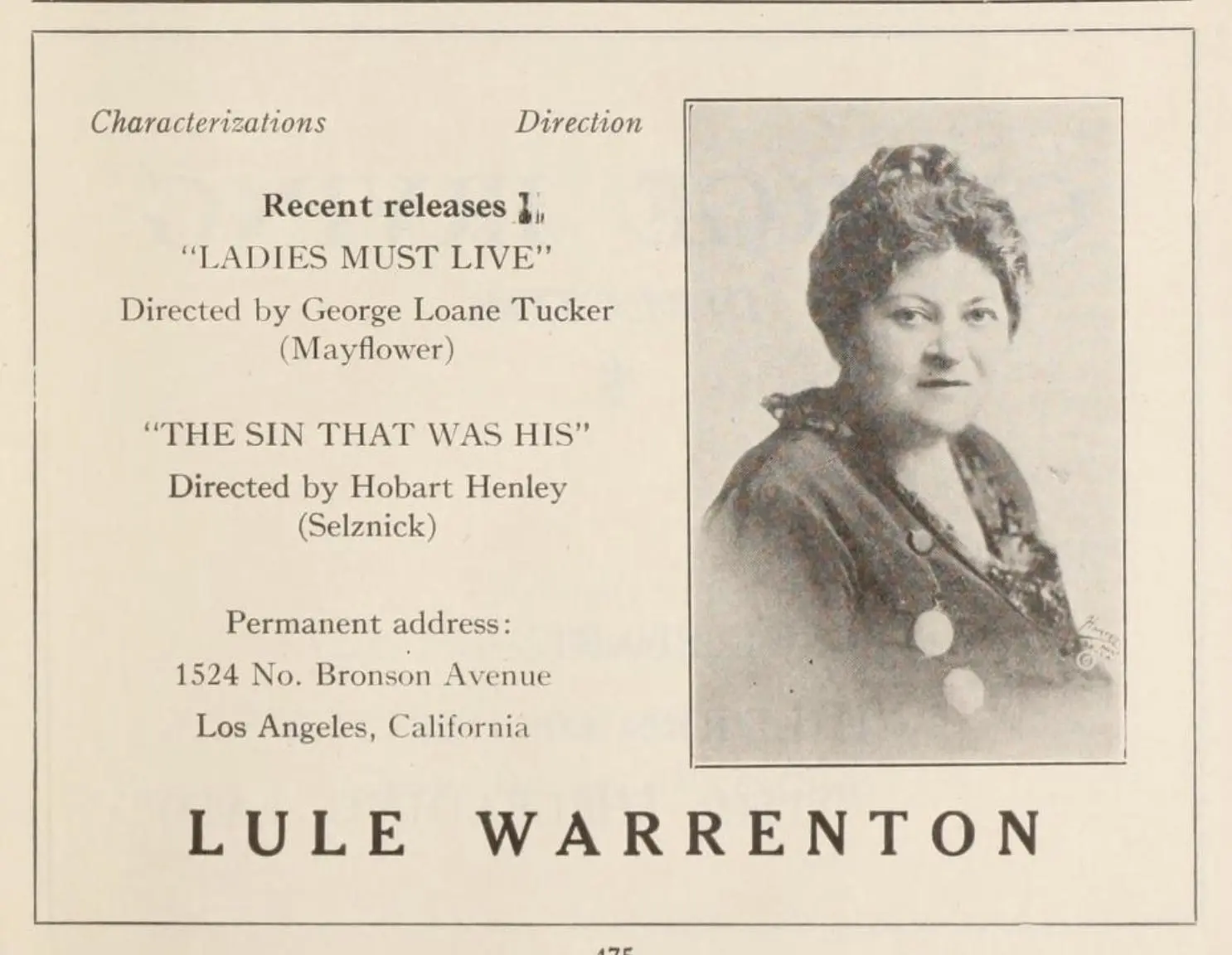
The true emotional weight of Ladies Must Live, however, resides in the tragic figure of Nell Martin, a servant in the Hollins household. Her quiet love for the gardener is a beacon of purity amidst the swirling currents of ambition and deceit, yet it is brutally extinguished by the relentless persecution of the malevolent butler. Nell's story is the film's beating heart, a stark reminder of the often-invisible suffering endured by those on the margins of society. Her plight resonates with the themes explored in films like The House of Whispers, where secrets and hidden vulnerabilities can lead to devastating consequences, or even the class dynamics subtly present in Your Obedient Servant. Nell's narrative arc provides a crucial counterpoint to the glamorous struggles of Christine and Nancy, grounding the film in a raw, unvarnished reality. It elevates the film beyond a simple romantic drama, imbuing it with a social conscience that speaks volumes about the period's class divisions and the desperate circumstances faced by the working class.
The arrival of aviator Mulvain, portrayed with a compelling blend of charm and integrity by John Gilbert, and his mechanic Le Prim, injects a new dynamic into the story. The ensuing dramatic chase, with Le Prim absconding with Nancy, and Mulvain and Christine in hot pursuit, is a thrilling sequence that breaks the more sedate pace of the earlier scenes. It’s a moment of pure cinematic exhilaration, showcasing the action capabilities of silent film and the burgeoning star power of actors like Gilbert. Christine’s subsequent, seemingly impulsive, announcement of her engagement to Mulvain, only to be met by his candid admission of poverty, is a pivotal turning point. It forces her to confront the very foundations of her meticulously constructed world, challenging her ingrained belief that happiness is synonymous with material wealth. This moment is exquisitely handled, setting the stage for a profound re-evaluation of values.
The true catalyst for the film’s emotional climax is Nell’s tragic fate. The discovery of her suicide, driven by the fear of exposure, sends shockwaves through the seemingly indifferent world of the elite. This devastating event acts as a crucible, forcing the characters to shed their pretenses and confront the raw truth of their emotions. It’s a powerful narrative device, reminiscent of the dramatic turns found in intense melodramas like The Love Girl, where personal crises often expose deeper societal flaws. The profound grief and introspection that follow Nell’s death lead to a series of transformative decisions. Barbara, finally empowered, rejects the manipulative Barron and embraces the steadfast affection of Ned Klegg, choosing genuine connection over superficial security. Similarly, Christine, stripped of her illusions, accepts Mulvain, finding contentment not in wealth, but in the promise of shared poverty and authentic love. This resolution, while perhaps idealistic, speaks to a yearning for genuine human connection that transcends material possessions.
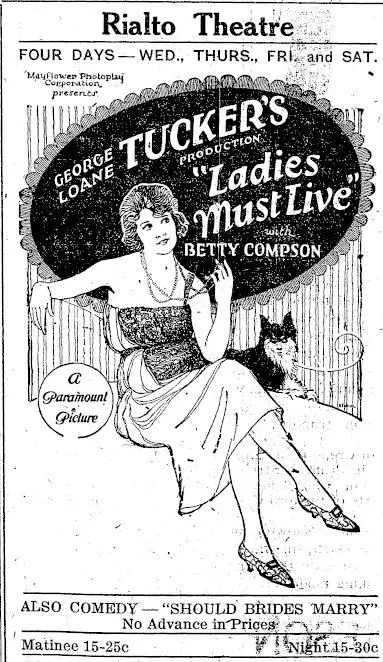
The performances in Ladies Must Live are a masterclass in silent film acting. Leatrice Joy, as Christine Bleeker, delivers a nuanced portrayal of a woman caught between ambition and burgeoning self-awareness. Her transformation from a calculating social climber to someone who values true affection is conveyed with remarkable subtlety through her expressions and gestures. Joy’s ability to convey complex inner turmoil without dialogue is truly captivating, demonstrating why she was such a prominent star of the era. Her evolving screen presence keeps Christine from being a one-dimensional antagonist, instead presenting her as a product of her environment, capable of growth and redemption. Similarly, John Gilbert, even in these earlier roles, showcases the magnetic charm and earnestness that would define his career. His Mulvain is not just a dashing hero, but a man of principle, whose poverty only highlights his intrinsic worth. His scenes with Joy are charged with an undeniable chemistry, making their eventual union feel both earned and emotionally resonant. The supporting cast, including Dorothy Cumming as the formidable Nancy Barron, and Betty Compson as the vulnerable Barbara, also deliver memorable performances, each contributing significantly to the film's rich emotional tapestry. Compson, in particular, evokes a deep sense of pathos for Barbara's predicament, making her eventual liberation all the more satisfying. Even the smaller roles, like that of the villainous butler, are etched with a clarity that ensures their impact on the narrative.
From a technical perspective, the film, like many of its contemporaries, would have relied heavily on visual storytelling, expressive acting, and well-crafted intertitles to convey its narrative. While specific details about cinematography or direction are not always readily available for every film of this vintage, one can infer the prevalent techniques of the time: the use of dramatic close-ups to emphasize emotional states, wide shots to establish the opulent settings of the wealthy, and dynamic editing to convey the urgency of scenes like the automobile chase. The costuming and set design would have been crucial in establishing the social strata of the characters, with Christine and Nancy adorned in the latest fashions, contrasting sharply with Nell's humble attire. This visual language would have been paramount in communicating the film's themes of class and aspiration to its audience. The overall aesthetic would have been designed to draw the viewer into a world of glamour and intrigue, even as the narrative peeled back the layers to reveal the underlying anxieties and moral dilemmas.
The thematic resonance of Ladies Must Live extends far beyond its immediate plot. It’s a compelling exploration of the societal pressures placed upon women to secure their future through marriage, often at the expense of their own desires or moral compass. The film critiques the superficiality of wealth and status, arguing for the enduring value of integrity, kindness, and genuine affection. Nell’s tragic story serves as a stark warning against the dangers of social hypocrisy and the devastating consequences of unchecked power. In many ways, the film anticipates the evolving discussions around women's roles and economic independence that would continue throughout the 20th century. While not as overtly feminist as some later works, it subtly champions the idea of women making choices based on their own values rather than societal expectations. It also touches upon universal themes of redemption and the transformative power of empathy, illustrating how a collective tragedy can force individuals to confront their own moral failings and ultimately seek a more authentic existence.
Comparing Ladies Must Live to other films of its era provides further insight into its place in cinematic history. Its melodramatic elements and focus on societal maneuvering might draw parallels to films like The Wildcat, which also features strong female characters navigating challenging circumstances, or even the more lighthearted social comedies of the time, albeit with a darker undertone. The film’s exploration of love across class divides, and the eventual triumph of genuine emotion over material gain, echoes sentiments found in countless romantic dramas, from the silent era through to the present day. The tragic subplot involving Nell Martin, and the moral awakening it precipitates, could be seen as a precursor to the more explicit social commentaries found in later films, where the plight of the working class and the injustices they faced became more central themes. It’s a film that, despite its age, still offers relevant insights into human nature and the timeless struggle between aspiration and authenticity. The writers, Alice Duer Miller and George Loane Tucker, crafted a narrative that, while rooted in its specific historical context, manages to transcend it, speaking to universal experiences of love, loss, and the search for meaning.
In conclusion, Ladies Must Live is more than just a relic of the silent film era; it's a vibrant, emotionally charged drama that offers a compelling glimpse into the social fabric of the early 1920s. Its intricate plot, well-developed characters, and potent thematic explorations make it a film worthy of rediscovery. The performances by Leatrice Joy and John Gilbert are particularly noteworthy, showcasing their remarkable talent for conveying profound emotion without the aid of spoken dialogue. The film's message, that true happiness stems not from wealth or social standing but from genuine human connection and integrity, remains as relevant today as it was a century ago. It reminds us that while the 'ladies must live' in a world full of constraints, the most valuable lives are those lived with honesty and an open heart. This enduring appeal, coupled with its historical significance, solidifies its place as a fascinating piece of cinematic heritage, a testament to the power of storytelling to reflect and critique the world around us. It is a film that, through its dramatic twists and profound emotional beats, continues to resonate with audiences who appreciate the nuanced artistry of early cinema and its timeless narratives of love, ambition, and redemption.
IMDb —
1921
Community
Log in to comment.