DbcultAccessing Vault...
6.5/10
Senior Film Conservator
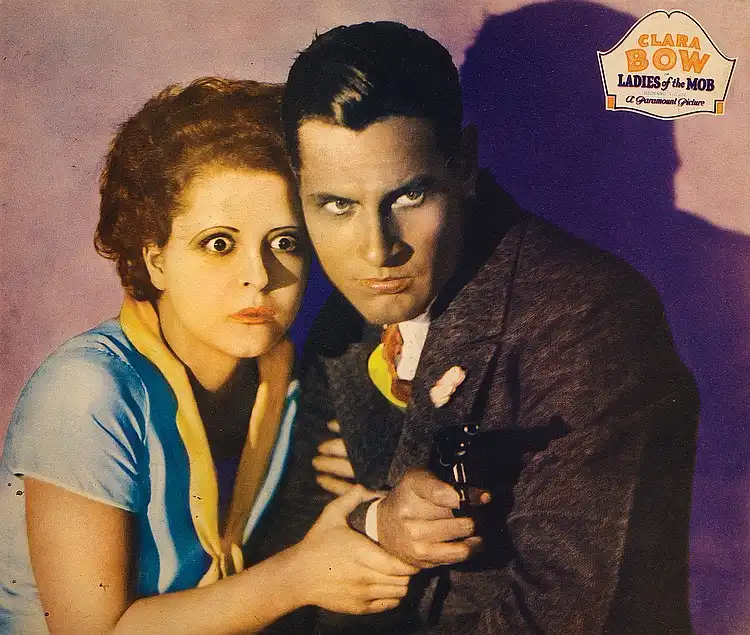
A definitive 6.5/10 rating for a film that redefined the boundaries of cult cinema. Ladies of the Mob remains a cornerstone of transgressive art.
If you’re coming to this expecting the bubbly, table-dancing Clara Bow from her usual flapper hits, you’re going to be disappointed. This is Bow trying to prove she can actually act, and for the most part, it works. It’s worth a watch if you’re into the darker side of silent cinema or if you're a completionist for the 'It' girl, but if you can't stand long, lingering close-ups of people looking mournfully at furniture, you’ll probably hate it.
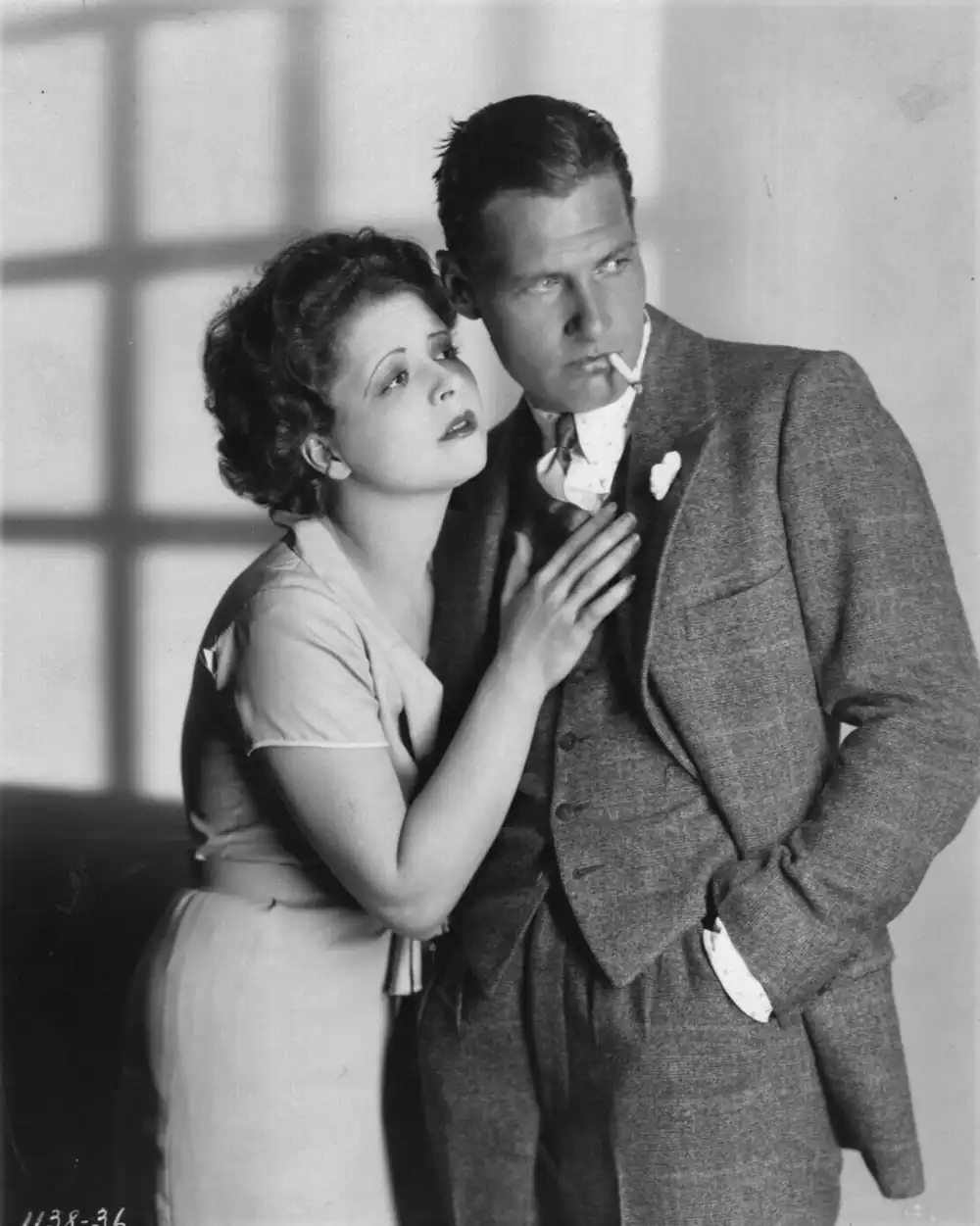
The opening is actually pretty grim. We see her father being led to the chair. It’s not graphic, but the way the shadows hit the wall—it’s effective. Bow plays Yvonne, and she spends the rest of the movie basically vibrating with trauma. You can see her trying so hard to move away from the 'jazz baby' image. Her face is heavier here, the makeup is darker, and she doesn't do that little pout she usually does. There's a scene early on where she's looking at her father's belongings, and the way she handles a simple watch is actually quite moving. No histrionics, just a quiet, hollow look in her eyes.
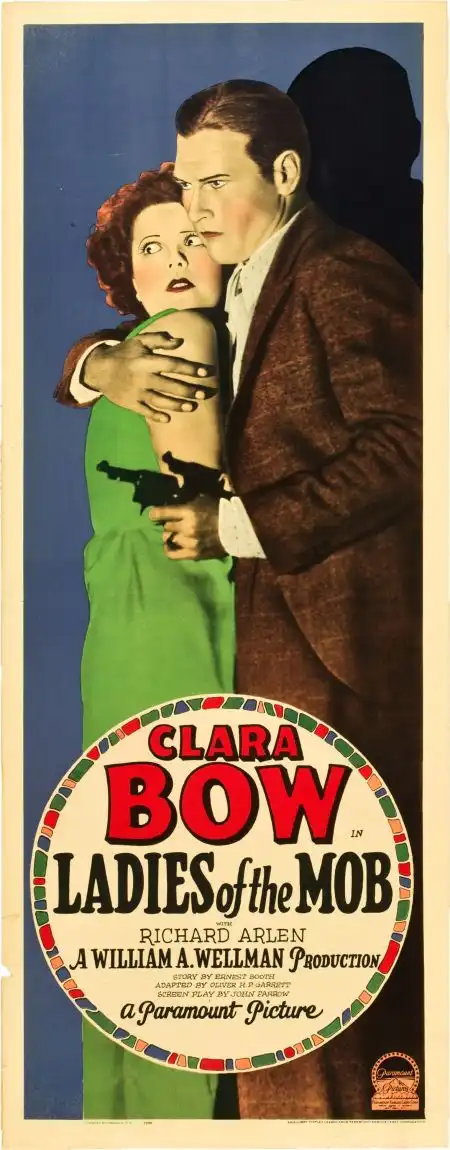
Richard Arlen plays the love interest, Red. He’s fine. He has that very specific 1920s leading man face where his eyebrows always look slightly surprised. There's a scene where they're hiding out, and he’s trying to be tough, but he just looks like he’s waiting for someone to tell him where to stand. The chemistry is okay—they worked together in Wings, so they have a shorthand—but Bow is clearly the one doing the heavy lifting. Arlen feels a bit like a prop she’s trying to save.
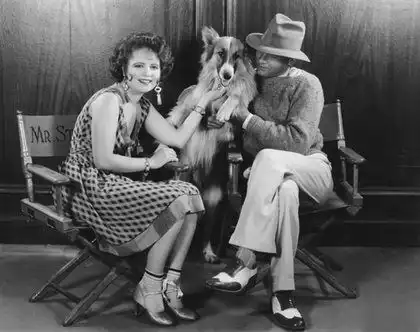
The clothes are weirdly fascinating. Even when she's supposed to be 'reforming' and living a simple life, her hats are still these architectural marvels. It kind of undercuts the 'we’re just poor folks now' vibe. There is one scene where she’s wearing this cloche hat that is so low it looks like she can’t see out of it. She’s trying to have a serious conversation with Red, and I kept wondering if she was going to trip over the rug.
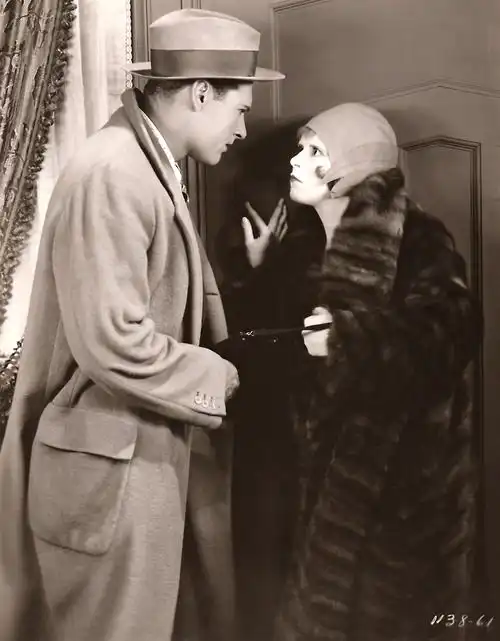
The editing gets a bit choppy in the second act. There’s a transition from a police station to a hideout that feels like a few frames are missing. Or maybe the print I saw was just beat up. Either way, it’s jarring. The movie also has this habit of using title cards to explain things that Bow has already clearly communicated with her face. We don't need a card telling us she’s afraid when she’s literally trembling on screen. It’s that old silent movie problem where the director doesn't quite trust the audience to get it.
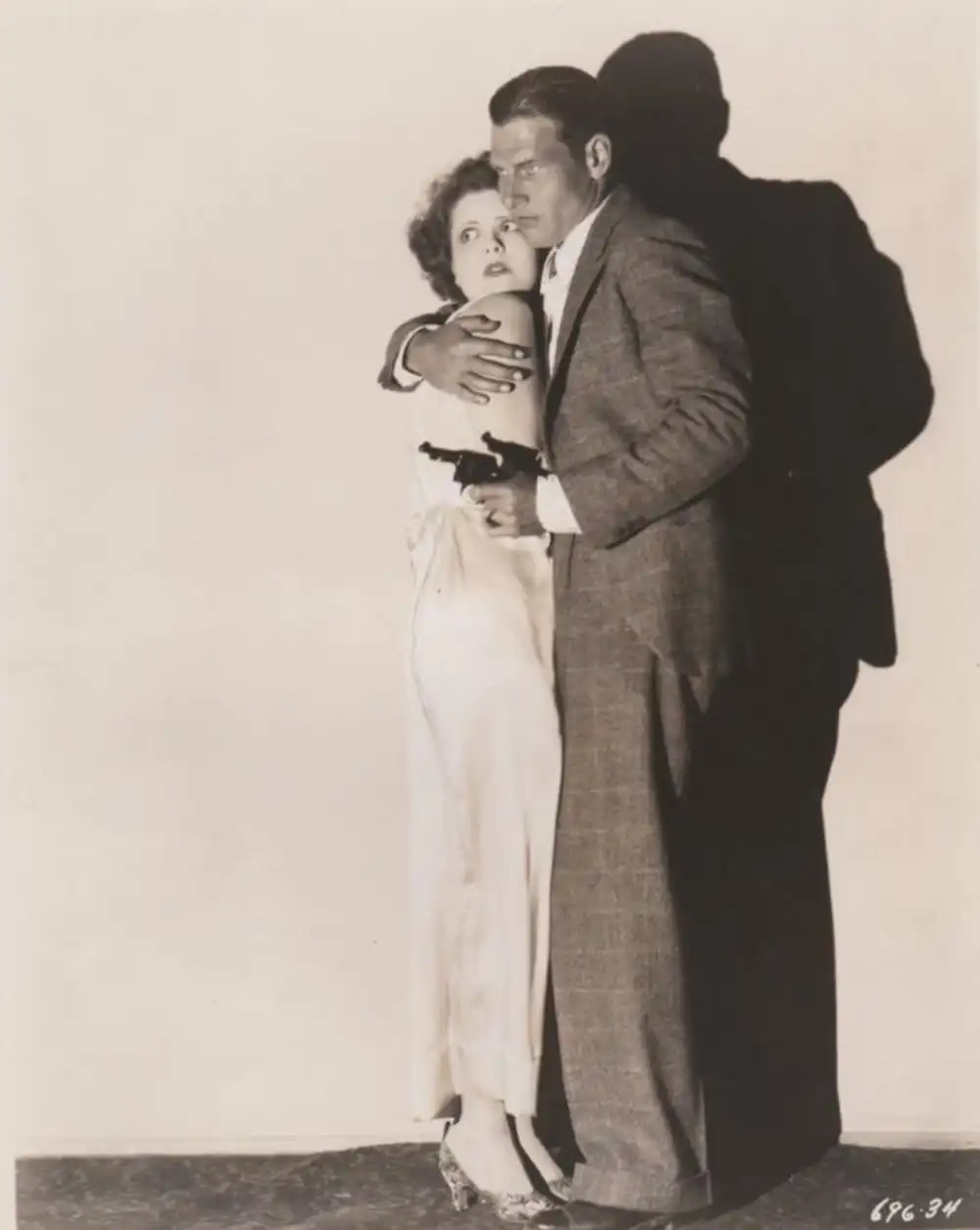
There's this one guy in the background of a club scene—I think it’s supposed to be a speakeasy—who is just absolutely going to town on a piece of bread. I couldn't stop watching him. He's not even a character, just an extra, but he’s eating like it’s his last meal. It’s those little things that make these old silents feel alive, even when the main plot starts to drag. And it does drag. The middle section where they are 'reforming' feels like it goes on for an eternity. Domestic bliss is apparently much less cinematic than bank robberies.
Compared to something like My American Wife, which feels much more like a typical 'star vehicle,' this one feels like it’s trying to say something about the cycle of crime, even if it does it a bit clumsily. It’s not as heavy-handed as the moralizing in The Crisis, but it’s definitely not a comedy. It occupies this weird middle ground where it wants to be a gritty noir but still has to follow the rules of a 1920s melodrama.
I liked the ending more than I thought I would. It doesn't go for the easy out. Usually, these 'reform' stories feel like a Sunday school lesson, like the forced sentimentality you sometimes see in Marriage License?, but Bow makes the desperation feel real. She’s not just trying to save Red’s soul; she’s trying to stop herself from losing her mind. The final shot of her face is probably the best thing in the whole movie. It’s messy and unresolved.
Is it a masterpiece? No. The pacing is all over the place and some of the supporting actors are stiff as boards. But Bow is magnetic. Even when the script is thin, you can't look away from her. It’s a reminder that she was more than just a girl in a flapper dress; she had a darkness that the studios didn't always know what to do with.
IMDb —
1916
Community
Log in to comment.