DbcultAccessing Vault...
6.3/10
Senior Film Conservator
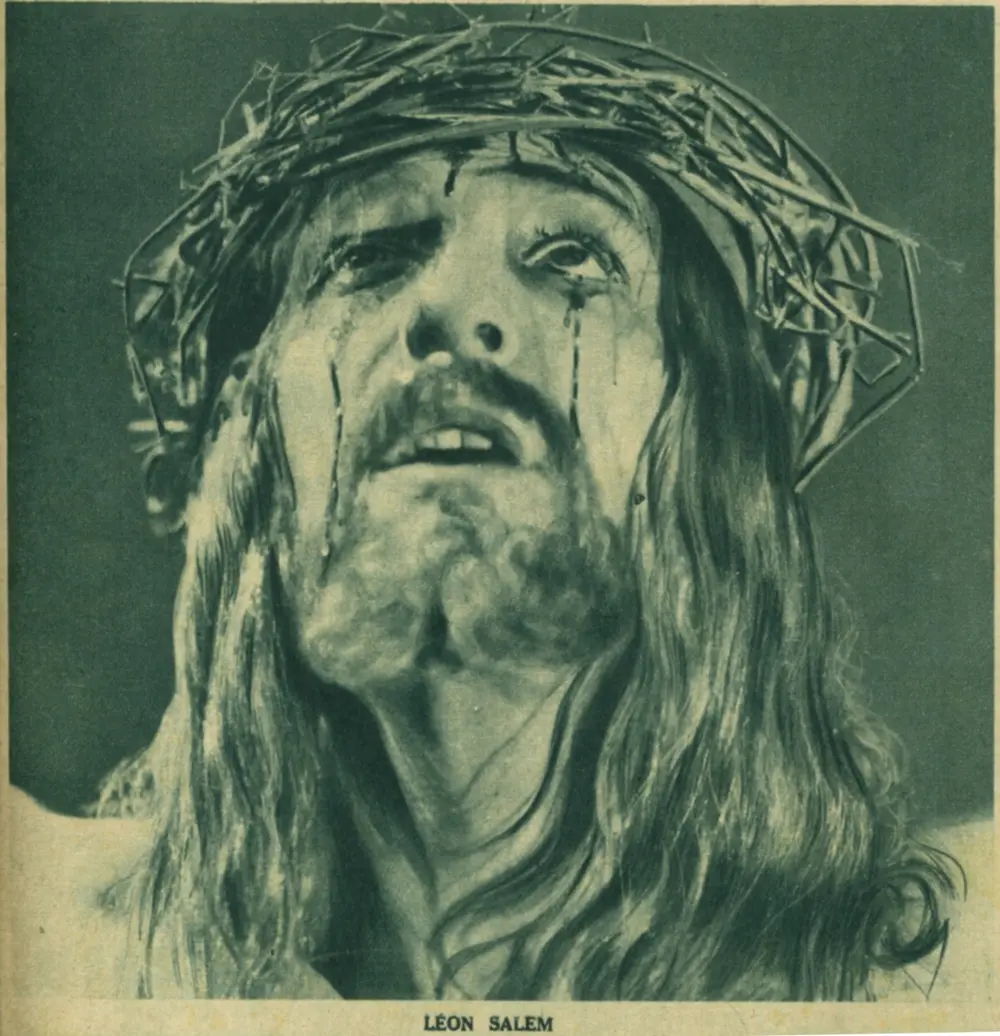
A definitive 6.3/10 rating for a film that redefined the boundaries of cult cinema. L'agonie de Jérusalem remains a cornerstone of transgressive art.
Is Julien Duvivier’s 1923 silent drama, L'agonie de Jérusalem, worth unearthing from the annals of cinematic history today? Short answer: yes, but with significant caveats that demand a particular kind of viewer. This rarely seen early work from a director who would later achieve international acclaim offers a fascinating, if sometimes challenging, window into the moral and political anxieties of post-WWI Europe, filtered through a deeply personal family drama.
This film is undeniably for cinephiles, historians of early French cinema, and those with a genuine interest in the silent era's narrative ambitiousness. It will likely not appeal to viewers seeking fast-paced modern storytelling, clear-cut resolutions, or easily accessible prints. Its power lies in its historical context and thematic daring.
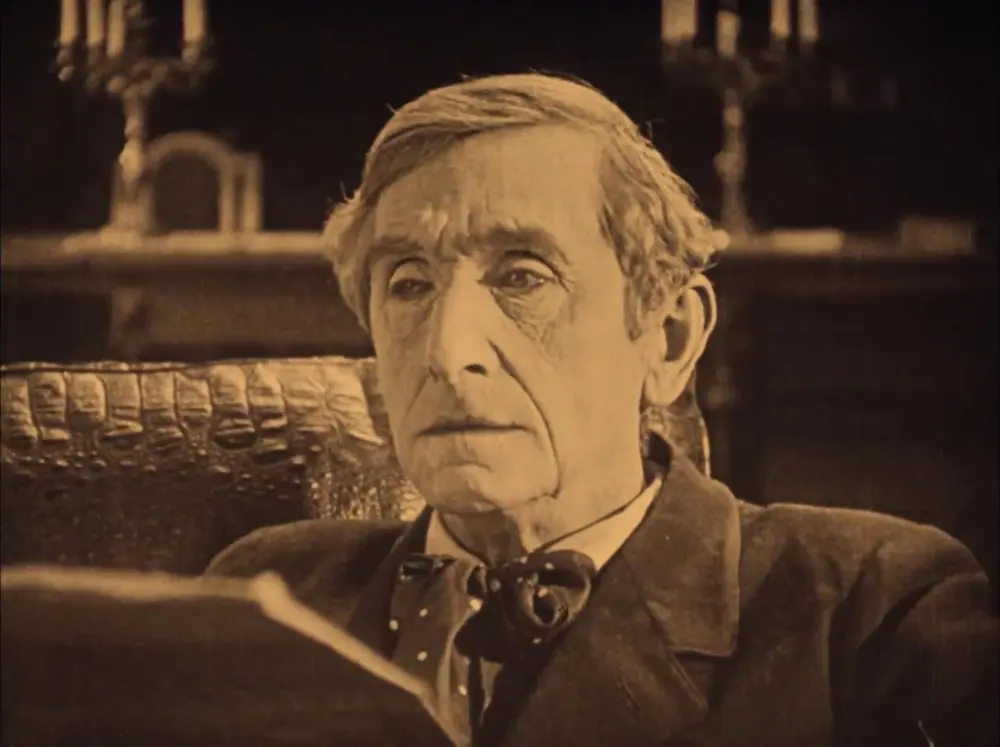
L'agonie de Jérusalem unfurls a narrative steeped in the profound contrasts of its time. We are introduced to Marc Verdier, portrayed with dignified solemnity by Edmond Van Daële, a man whose life in Jerusalem near the Mount of Olives is defined by intellectual reflection and unwavering Catholic faith. His world is one of quiet suffering, anchored by his crippled wife and the eccentric presence of his brother, Septime, played by Gaston Jacquet, who provides a peculiar, almost whimsical counterpoint to Marc's gravitas. This idyllic, albeit somber, existence forms a stark spiritual anchor.
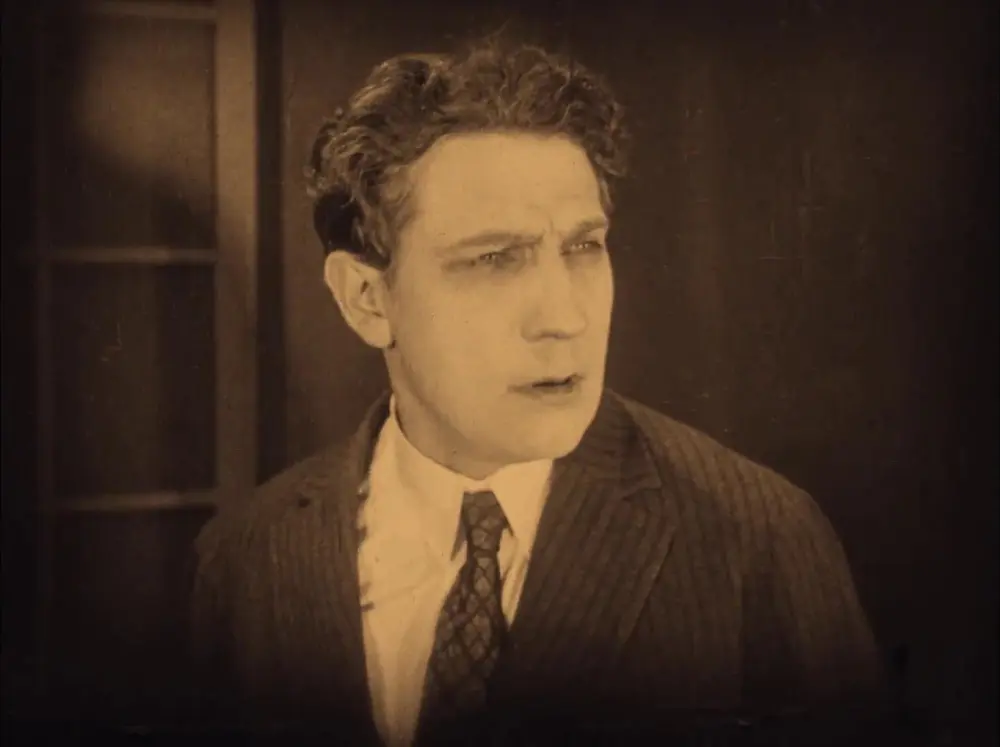
Meanwhile, across the continent in the bustling, politically charged milieu of Paris, Marc's son, Jean-Louis (Raymond Blot), leads a double life. The film subtly implies the dramatic irony of a father's devout belief in tradition while his son, under the revolutionary alias 'Sirias,' spearheads a dangerous anarchist network. This duality is the film's beating heart, promising an eventual, agonizing confrontation between the sacred tranquility of Jerusalem and the violent fervor of Parisian radicalism. The narrative's strength lies in this conceptual chasm, setting a stage for philosophical and familial conflict that transcends mere melodrama.
Absolutely, if you approach it with the right mindset. L'agonie de Jérusalem is a significant piece of silent cinema that showcases Duvivier's nascent talent for intricate storytelling and visual allegory. It demands patience but rewards with a unique historical and artistic experience.
This film works because... it possesses an audacious thematic scope, juxtaposing profound spiritual devotion with radical political upheaval in a way that few films of its time dared to attempt. The inherent conflict between father and son, faith and ideology, offers a rich dramatic canvas.
This film fails because... its ambition occasionally outstrips its execution, leading to moments of narrative unevenness that can test a modern audience's patience. Some subplots feel underdeveloped, and the pacing, typical of its era, can feel glacial.
You should watch it if... you appreciate the artistry of silent film, are curious about Duvivier's formative years, and are willing to engage with a story that prioritizes grand ideas over brisk pacing. It offers a unique cultural artifact that speaks volumes about its era and the anxieties of a world still reeling from war.
The film’s genius, and perhaps its greatest challenge, lies in its unflinching portrayal of two diametrically opposed worlds. Duvivier doesn't merely present these settings; he imbues them with distinct moral and emotional textures. Jerusalem, for Marc, is a haven of spiritual reflection, depicted through lingering shots of ancient stones and the serene Mount of Olives. It’s a place of quiet contemplation, even amidst personal suffering, embodying a form of traditional agony.
Paris, conversely, is a crucible of intellectual ferment and political unrest. The narrative structure cleverly intercuts between these realms, building a palpable tension as the audience anticipates the inevitable clash. A debatable opinion: the film’s portrayal of anarchism feels somewhat caricatured, a broad stroke against the deeply personal portrait of faith. Yet, this simplification might have been a deliberate choice to amplify the ideological divide, making Jean-Louis’s transformation all the more shocking to his devout father.
One particularly effective sequence shows Marc in fervent prayer, his face etched with silent devotion, immediately followed by a jarring cut to Jean-Louis, disguised as Sirias, addressing a shadowy gathering of anarchists. The visual contrast, enhanced by the absence of synchronized sound, forces the viewer to confront the chasm between their respective realities. It’s a powerful, if somewhat heavy-handed, demonstration of ideological separation.
Silent film acting demands a unique blend of exaggerated gesture and subtle facial expression, and the cast of L'agonie de Jérusalem largely delivers. Edmond Van Daële, as Marc Verdier, carries the film's spiritual weight with remarkable conviction. His eyes, in close-up, convey a profound inner turmoil, a quiet agony that transcends the need for dialogue. One specific moment, when Marc receives a letter from Paris, ostensibly from his studying son, Van Daële’s fleeting smile, tinged with paternal pride, is heartbreakingly poignant, knowing what the audience knows.
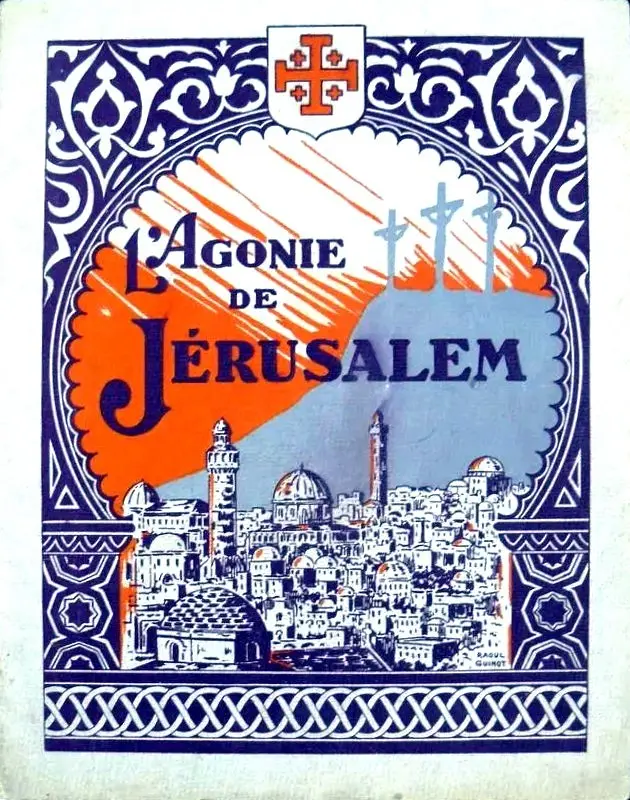
Raymond Blot, as Jean-Louis/Sirias, faces the challenge of embodying both the dutiful student and the radical leader. His transformation, often marked by a change in posture and a hardening of his gaze, is effective, if occasionally veering into silent melodrama. The shift from Jean-Louis’s initial youthful exuberance to Sirias’s cold, calculating intensity is stark. It works. But it’s flawed. The portrayal of Sirias could benefit from more nuance, perhaps a flicker of doubt or a hint of the son he once was, to elevate it beyond a mere archetype.
Gaston Jacquet’s Septime, the eccentric brother, offers an unconventional observation. He acts as a curious foil, a character who seems to exist on the periphery of the central drama but whose quirks provide unexpected moments of levity or, conversely, underscore the profound loneliness of Marc’s existence. His presence allows for brief respites from the film’s otherwise intense thematic explorations, preventing it from becoming too relentlessly grim.
Julien Duvivier, even in this early work, demonstrates an emerging directorial voice. His use of visual storytelling is astute, particularly in contrasting the two main settings. He employs establishing shots of Jerusalem's ancient architecture to convey timelessness and spiritual weight, often bathed in a soft, almost ethereal light. Conversely, his depiction of Parisian anarchist dens is often claustrophobic, dimly lit, and filled with agitated movement, creating a sense of menace and urgency.
The pacing, while slow by modern standards, allows for a contemplative immersion into Marc's world, punctuated by rapid cuts and dynamic compositions during the anarchist sequences. Duvivier's early grasp of montage is evident in how he juxtaposes images to create thematic resonance. Unlike the lighthearted escapades seen in something like The Love Bug, Duvivier's camera is firmly rooted in a more serious, almost journalistic, observation of human struggle and ideological conflict. His reliance on intertitles is judicious, used to advance plot points and clarify emotional states rather than simply transcribe dialogue, a common pitfall of the era.
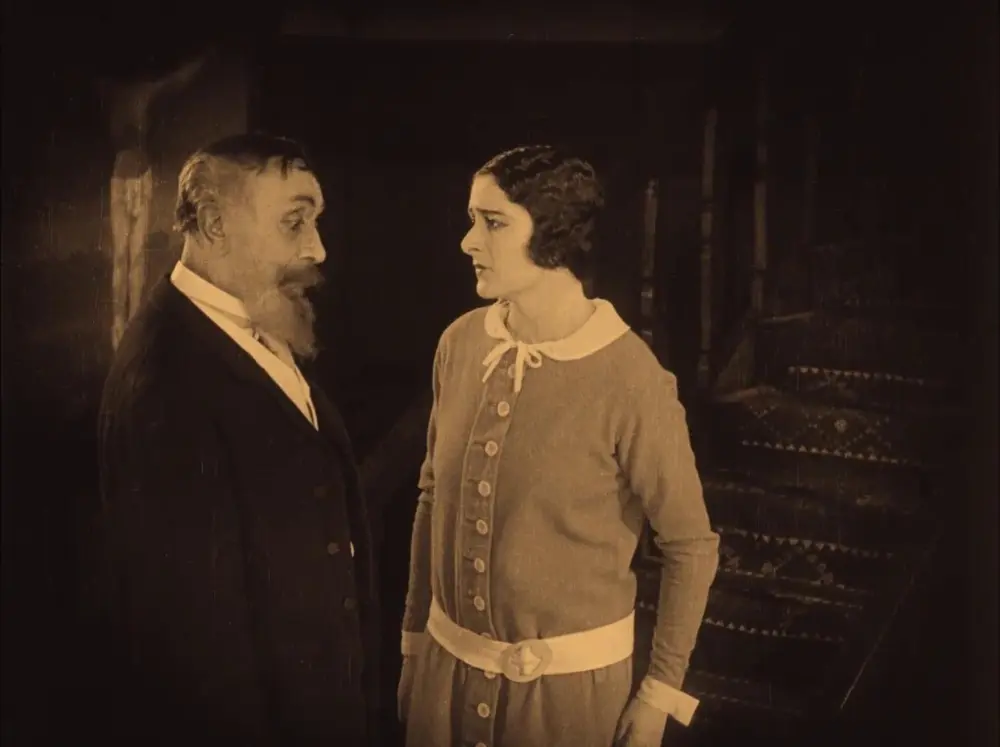
There's a particular shot of Marc looking out over the Mount of Olives, his silhouette against the vast landscape, that speaks volumes about his connection to the sacred. Duvivier frames him as a small, yet resolute, figure in a grand, ancient world. This contrasts sharply with the tight, almost documentary-style shots of Sirias delivering impassioned speeches to his followers, highlighting the confined, intense nature of his revolutionary world. Duvivier’s confidence in his visual language is palpable, even if still evolving.
The cinematography, likely overseen by Duvivier himself given the era's collaborative nature, plays a crucial role in establishing the film's dualistic tone. Jerusalem is often bathed in natural light, its ancient stones and landscapes conveying a sense of enduring history and spiritual peace. The camera lingers on religious iconography, on the faces of pilgrims, and on the serene, almost melancholic beauty of the city. It’s a world of quiet suffering and profound faith.
Paris, however, is rendered in starker terms. The interiors of the anarchist hideouts are shadowy, filled with the flickering light of candles or gas lamps, creating a sense of conspiracy and danger. The street scenes, while bustling, carry an undercurrent of tension and anonymity. The visual symbolism is clear: light and shadow, peace and turmoil. One powerful shot involves a close-up of a crucifix in Marc’s home, followed by a swift cut to a hand clutching a bomb in Paris. This stark visual metaphor, though unsubtle, is incredibly effective in a silent medium, immediately communicating the film's core conflict without a single spoken word.
The film’s rhythm is deliberate, mirroring the contemplative nature of Marc’s life in Jerusalem. Long takes allow the audience to absorb the atmosphere and the silent performances. This measured pace builds a sense of dread as the Parisian storyline unfolds, each cut back to Jean-Louis feeling more urgent and ominous. The tone shifts seamlessly from reverent solemnity in Jerusalem to a growing tension and ultimately, a sense of impending doom as the two worlds draw closer to collision.
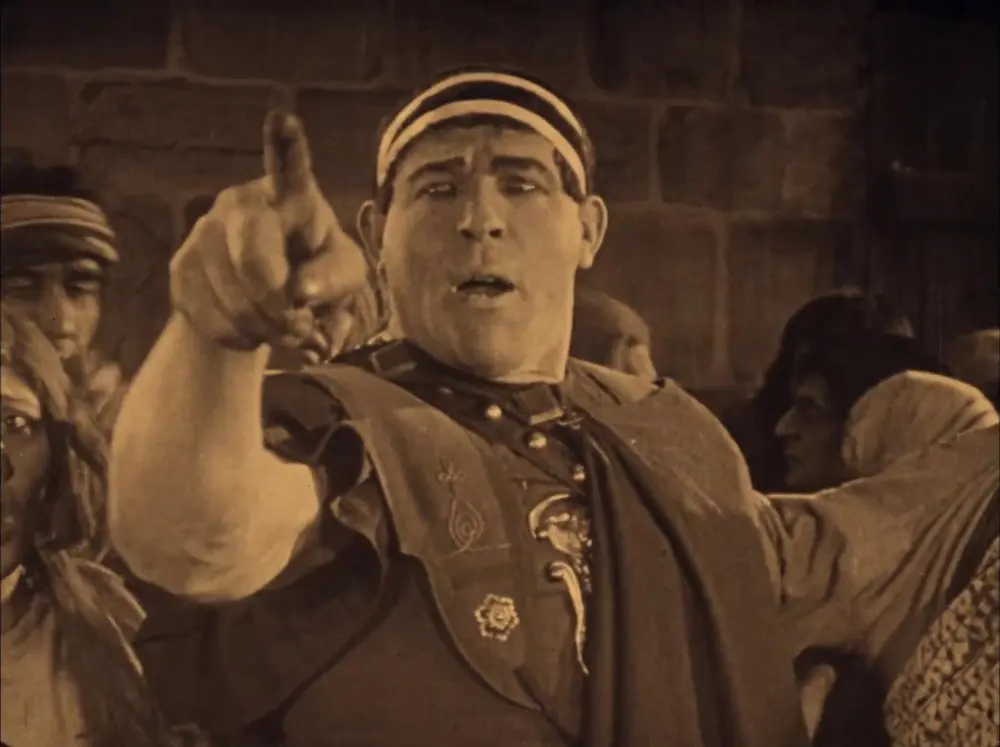
Duvivier masterfully manipulates the tone, using the quiet moments to amplify the eventual chaos. The film does not shy away from the brutal simplicity of its message: opposing ideologies will inevitably clash. This balance, while sometimes demanding, is essential to the film's impact. It works. But it’s flawed. The slower segments might alienate some viewers, but they are crucial for setting the stage for the dramatic payoffs.
As an early work by Julien Duvivier, L'agonie de Jérusalem offers invaluable insight into the formative years of a director who would later helm classics like Les cinq gentlemen maudits and American Methods. It demonstrates his early fascination with moral dilemmas, the complexities of human nature, and the dramatic potential of societal conflicts. The film stands as a testament to the ambitious storytelling prevalent in French silent cinema, often tackling weighty themes with intellectual rigor.
The portrayal of anarchism is particularly relevant for its time. Post-WWI Europe was rife with political instability and radical movements. Duvivier’s film taps into a very real societal anxiety about the erosion of traditional values and the rise of revolutionary ideologies. It’s a snapshot of a world in flux, a world grappling with new forms of 'agony' beyond the purely spiritual. While not as widely known as some contemporary works, its thematic resonance and Duvivier's early craftsmanship make it a significant historical document.
L'agonie de Jérusalem is far from a forgotten relic; it is a vital, if demanding, piece of cinematic history. Duvivier’s early vision, even with its imperfections, shines through, offering a profound exploration of faith, family, and radical ideology. It’s a film that demands an investment of time and intellectual engagement, but for those willing to make that commitment, it provides a rich, thought-provoking experience.
While it may not possess the universal appeal of later, more polished works, its daring thematic scope and powerful visual storytelling solidify its place as an important precursor to Duvivier’s celebrated career. Seek it out if you’re prepared for a journey into the soul of silent cinema; you’ll find an enduring, if melancholic, beauty within its frames.
IMDb 6.1
1937
Community
Log in to comment.