DbcultAccessing Vault...
Cult Review
Senior Film Conservator
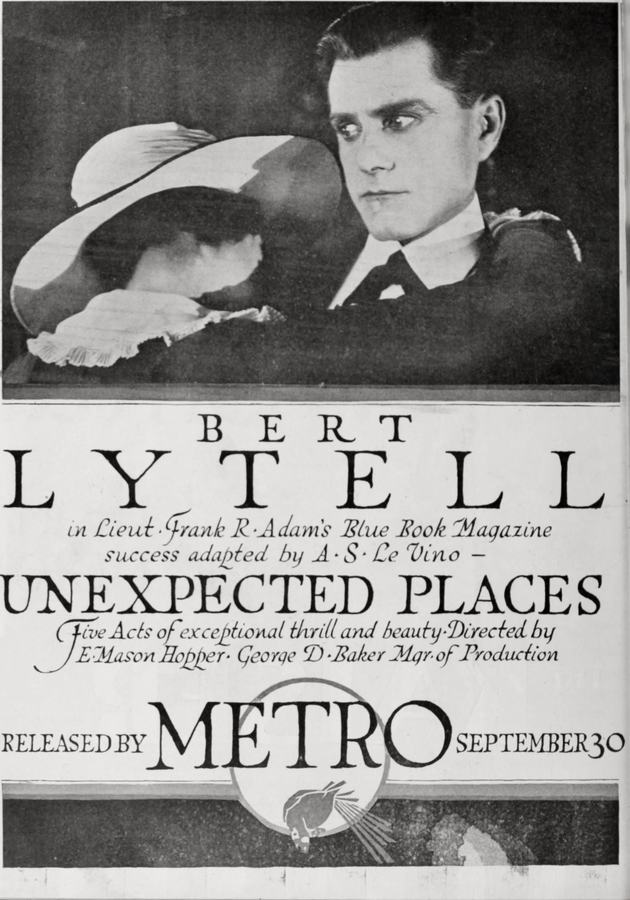
The silent era, often romanticized for its grand gestures and melodramatic flourishes, was also a crucible for intricate narratives of suspense and intrigue. Among these, George D. Baker's Unexpected Places emerges as a fascinating, if sometimes overlooked, artifact from 1918. This cinematic endeavor, penned by the collaborative talents of Albert S. Le Vino, Baker himself, and Frank R. Adams, plunges its audience into a world where national security hangs by a thread, and the most unlikely of heroes must step into the breach. It’s a narrative that, even in its stark, wordless exposition, speaks volumes about the anxieties and heroic ideals of its time, demonstrating how a simple premise can be elevated through compelling visual storytelling and the raw power of physical performance. The film, a quintessential example of early espionage thrillers, hinges on a daring act of impersonation, a desperate gambit to protect vital state secrets from nefarious foreign agents. It’s a testament to the enduring appeal of the 'man on a mission' trope, even when that mission is thrust upon an unsuspecting individual.
At its core, Unexpected Places is a masterclass in escalating tension, beginning not with a bang, but with a chilling whisper of foul play. The murder of Lord Harold Varden’s valet, a man entrusted with secrets of paramount national importance, serves as the initial tremor in a rapidly unfolding crisis. This brutal act is not merely a plot device; it is a stark declaration of the stakes involved, a visceral indicator that the world of genteel aristocracy harbors a dangerous underbelly of espionage and betrayal. Enter Dick Holloway, a reporter whose journalistic instincts lead him directly to the beleaguered Lord Varden. Holloway, portrayed with a compelling blend of curiosity and burgeoning heroism by Bert Lytell, arrives at the most opportune — or perhaps, inopportune — moment, witnessing Varden’s agonizing descent into a poisoned stupor. This pivotal scene is where the film truly ignites, transforming a straightforward murder investigation into a high-stakes drama of mistaken identity and covert operations. The narrative pivot is swift and audacious: Holloway, driven by a mixture of civic duty and perhaps a reporter's insatiable hunger for a story, assumes Varden’s identity. This isn't a mere disguise; it's a full-fledged immersion, necessitated by the imminent arrival of Varden’s unsuspecting American cousins. The film deftly navigates the perils of this deception, layering suspense upon suspense as Holloway must not only convince the innocent but also outwit the cunning spies who are relentlessly pursuing Varden’s classified documents. The climax, an inevitable confrontation, sees Holloway not just preserving the integrity of the state papers but also apprehending the very agents who sought to destabilize the government. It’s a narrative arc that speaks to the power of individual agency in the face of overwhelming odds, a theme resonant with the global turmoil of the time.
In the absence of spoken dialogue, the burden of conveying emotion, intent, and character falls squarely on the shoulders of the performers. Unexpected Places benefits from a cast that, by and large, understands the unique demands of silent cinema. Bert Lytell, as Dick Holloway, delivers a performance that oscillates between the earnest curiosity of a journalist and the steely resolve of an impromptu secret agent. His physical presence, his nuanced facial expressions, and his mastery of gesture are crucial in making Holloway’s transformation believable and compelling. We see him grappling with the gravity of his impersonation, the fear of exposure, and the growing sense of purpose. This kind of expressive acting was paramount, not unlike the dramatic intensity seen in films such as The Love That Lives, where emotional depth was conveyed through subtle yet powerful visual cues. The supporting cast, though perhaps less central, contributes significantly to the film's atmosphere. Jay Dwiggins and Stanton Heck, for instance, likely embody the menacing presence of the antagonists, their silent movements and expressions hinting at their nefarious intentions without the need for expositional dialogue. Rhea Mitchell and Rosemary Theby, in their roles, would have brought a certain grace or vulnerability, providing emotional anchors or additional layers of potential complication for Holloway’s precarious charade. Edythe Chapman and John Burden, often stalwarts of the era, would have lent gravitas and authenticity to their respective parts, perhaps as the unsuspecting American cousins or other figures of authority. The ensemble, under Baker's direction, crafts a believable world of danger and intrigue, relying on the visual language of cinema to articulate complex relationships and motivations. The distinct absence of sound forced a reliance on hyper-expressive physicality, a style perhaps best exemplified by actors who could convey entire soliloquies with a single glance or a subtle shift in posture, a skill that separates the enduring silent film stars from mere players.
George D. Baker, wearing multiple hats as both director and co-writer, demonstrates a keen understanding of the silent film medium’s strengths. His direction prioritizes clarity and narrative momentum, ensuring that the audience, even without spoken words, remains fully engaged with the unfolding drama. The pacing of Unexpected Places is crucial; it must build suspense effectively, manage the reveal of the poisoning, and orchestrate the thrilling sequences of Holloway’s impersonation and subsequent heroics without losing its audience. Baker’s visual storytelling would have relied heavily on well-composed shots, strategic use of intertitles for dialogue and exposition, and dynamic editing to maintain a sense of urgency. The collaboration with Albert S. Le Vino and Frank R. Adams on the screenplay further solidifies the film's narrative backbone. Their collective task was to craft a plot that was not only engaging but also visually translatable, a challenging feat when every plot point, every emotional beat, had to be communicated through action and expression. The concept of a reporter stepping into such a perilous role is inherently cinematic, tapping into a public fascination with both journalism and clandestine operations. It echoes the kind of patriotic fervor and sense of duty that resonated deeply during the World War I era, much like films such as Mit Herz und Hand fürs Vaterland, though with a distinctly American flavor of individual initiative. The writers skillfully weave a tale that, despite its potential for contrivance, feels urgent and plausible within the conventions of the genre. Their ability to construct a narrative where mistaken identity serves as both a source of tension and a vehicle for heroism is commendable, reflecting a nascent sophistication in screenwriting that would only grow in the decades to come.
Beyond its thrilling plot, Unexpected Places resonates with several profound thematic undercurrents. The most prominent is the theme of identity. Holloway's transformation from a mere reporter to a nobleman on a secret mission forces him to confront questions of who he is and what he is capable of. This exploration of assumed identity, a common trope in early cinema, is handled with a gravity that elevates it beyond simple farce. It speaks to the idea that heroism can emerge from the most unexpected individuals when circumstances demand it. The film also delves into the concept of duty, both personal and patriotic. Lord Varden’s initial mission, the valet’s loyalty, and Holloway’s eventual decision to impersonate Varden are all driven by a sense of obligation to country and to justice. In an era marked by global conflict, such narratives served to reinforce nationalistic ideals and the importance of collective security. The underlying tension of espionage and national security, while perhaps less overtly political than some contemporary films, firmly grounds the story in the anxieties of its period. The fear of foreign agents, the vulnerability of state secrets, and the potential for internal betrayal were potent themes that resonated with audiences. This thematic richness allows Unexpected Places to transcend its genre, offering not just escapist entertainment but also a reflection on the moral and societal challenges of its time. The stakes are portrayed as genuinely high, the threat palpable, lending an urgency to Holloway’s actions that makes his eventual triumph all the more satisfying. The moral ambiguity of his deception is also subtly present; while his intentions are noble, the act of impersonation itself is fraught with ethical complexity, a thread that the film doesn't shy away from in its dramatic portrayal.
Placing Unexpected Places within the broader context of silent cinema reveals its contributions to the evolving language of film. In an era before synchronized sound, filmmakers were constantly experimenting with visual techniques to convey narrative and emotion. This film, with its reliance on physical acting, dynamic editing, and the evocative power of intertitles, is a testament to that ingenuity. It belongs to a lineage of early thrillers that sought to captivate audiences through suspense and action, much like the adventurous spirit found in The Life and Adventures of John Vane, the Australian Bushranger or the raw energy of Fighting Mad. While it may not possess the grandiosity of a spectacle like Salome or the intricate character studies of Bespridannitsa, its strength lies in its focused, efficient storytelling. The film’s exploration of mistaken identity and espionage tropes would influence countless thrillers in the decades to come, laying groundwork for more complex narratives. It serves as a reminder that even in the nascent stages of the art form, filmmakers were grappling with sophisticated themes and deploying innovative techniques to engage their audiences. The constraints of the silent medium, far from being limitations, often spurred creativity, leading to a visual vocabulary that remains compelling even today. The deliberate pacing, the heightened expressions, and the reliance on symbolic imagery all contribute to a unique viewing experience that demands active participation from the audience. Moreover, the film's success would have contributed to the establishment of certain genre conventions, reinforcing what audiences expected from a spy thriller and how narrative tension could be effectively built and resolved without a single spoken word. It’s a piece of cinematic history that, when viewed with an understanding of its context, offers valuable insights into the formative years of an art form still finding its voice.
Ultimately, Unexpected Places stands as a compelling example of early 20th-century filmmaking that, despite its age and the inherent limitations of the silent era, manages to deliver a potent narrative punch. It is a story that champions ingenuity and courage, demonstrating how an ordinary individual can rise to extraordinary circumstances. The film's legacy lies not just in its thrilling plot but in its contribution to the evolving cinematic grammar of suspense and character-driven drama. While it may not command the same critical attention as some of its more celebrated contemporaries, its narrative precision, the commitment of its cast, and the clear vision of its director make it a valuable piece of film history. It reminds us that compelling storytelling transcends technological advancements, proving that a well-crafted plot, brought to life by dedicated performers and a skilled director, can captivate and thrill across generations. The film’s enduring power lies in its universal themes: the battle against unseen enemies, the pressure of a ticking clock, and the unexpected hero who emerges from the shadows to save the day. It’s a narrative blueprint that continues to be reinterpreted and reimagined in modern cinema, proving that the foundations laid by films like Unexpected Places are as robust today as they were over a century ago. Its charm is not merely historical; it's a testament to the primal human fascination with mystery, danger, and the triumph of wit over brute force. For those willing to immerse themselves in the visual poetry of silent film, Unexpected Places offers a rewarding journey into a world where every gesture, every intertitle, and every flicker of expression carries immense weight, crafting a narrative that is both gripping and thought-provoking. It is, without a doubt, a journey worth undertaking for any connoisseur of early cinematic artistry.
IMDb —
1925
Community
Log in to comment.