DbcultAccessing Vault...
Cult Review
Senior Film Conservator
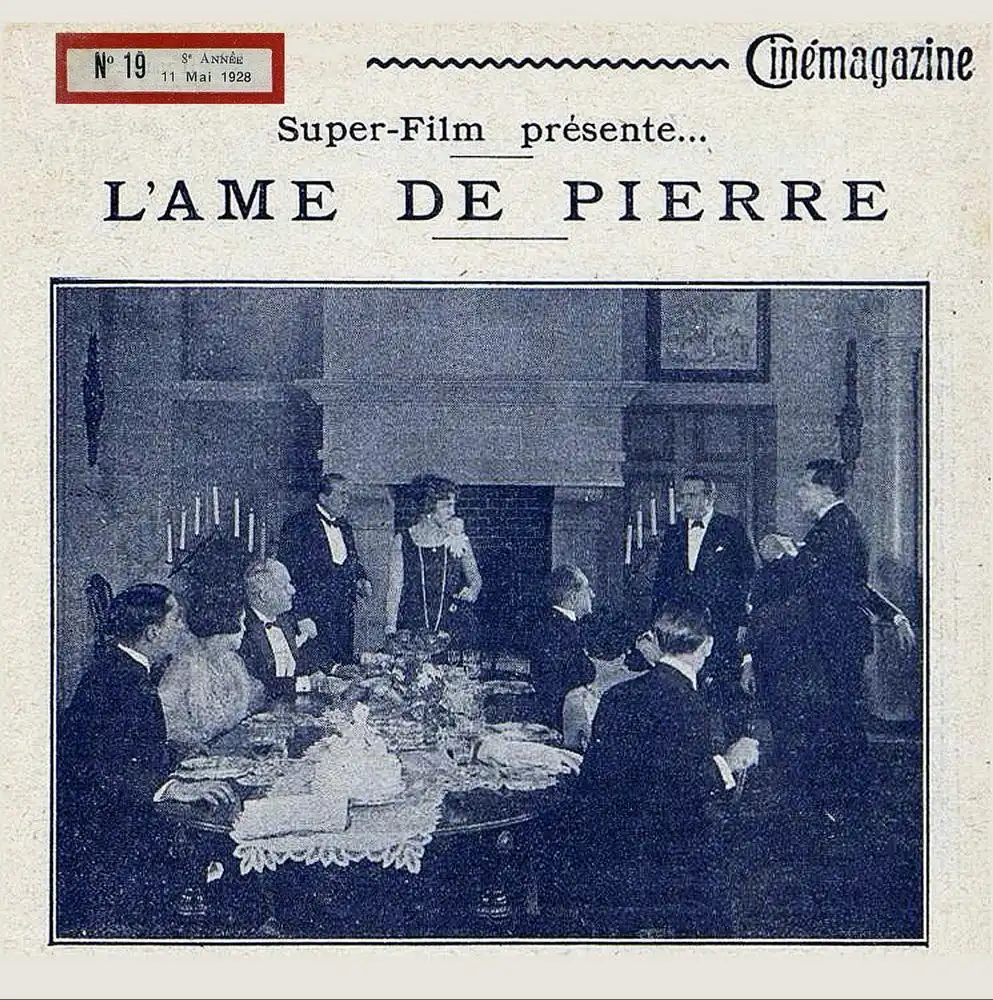
Okay, L'âme de Pierre (or "Pierre's Soul" for those of us less fluent) is one of those old melodramas. If you’re into the very specific flavor of early 20th-century French cinema, the kind that isn't afraid to get real dramatic, then yeah, give it a shot. Otherwise, honestly, it might feel a bit like homework. It's for people who appreciate the historical aspect, the stage-y acting, and plots that just go for it with big emotions. If you’re looking for modern pacing or subtle character work, you will likely find yourself quite bored, or perhaps even a little frustrated.
The setup is classic melodrama. Pierre Laurier (Léon Malavier) is in a bad way, completely under the thumb of this woman, Eliane Tayar, who plays... well, let's just call her a dangerous woman. She's got him twisted, and he’s feeling so low he’s thinking about ending it all. The idea of "bequeathing his soul" to his best friend, Gilbert Dany, is a really interesting, kinda old-fashioned, dramatic hook. You don't get that everyday.
The film makes a pretty big deal out of Pierre’s despair. Malavier has this way of looking absolutely lost, like a sad puppy caught in the rain. It’s a lot of wide-eyed staring and slumped shoulders, which, you know, worked back then. The dangerous woman, played by Eliane Tayar, she’s all sharp angles and knowing glances. She doesn't have to do much to make you believe she's bad news; it's mostly in her presence. There's a scene where she just smiles, very slowly, after Pierre tries to stand up to her. It’s chilling. You can almost feel the air get cold in the room.
Then, some "good people" (which is such a wonderfully vague term, isn't it?) step in and save Pierre. This part feels a little rushed, like the plot just needed to get him off the suicide track so it could get to the next dramatic beat. It’s not really about how they save him, but that they save him. The focus shifts fast, which is a common thing in these older films.
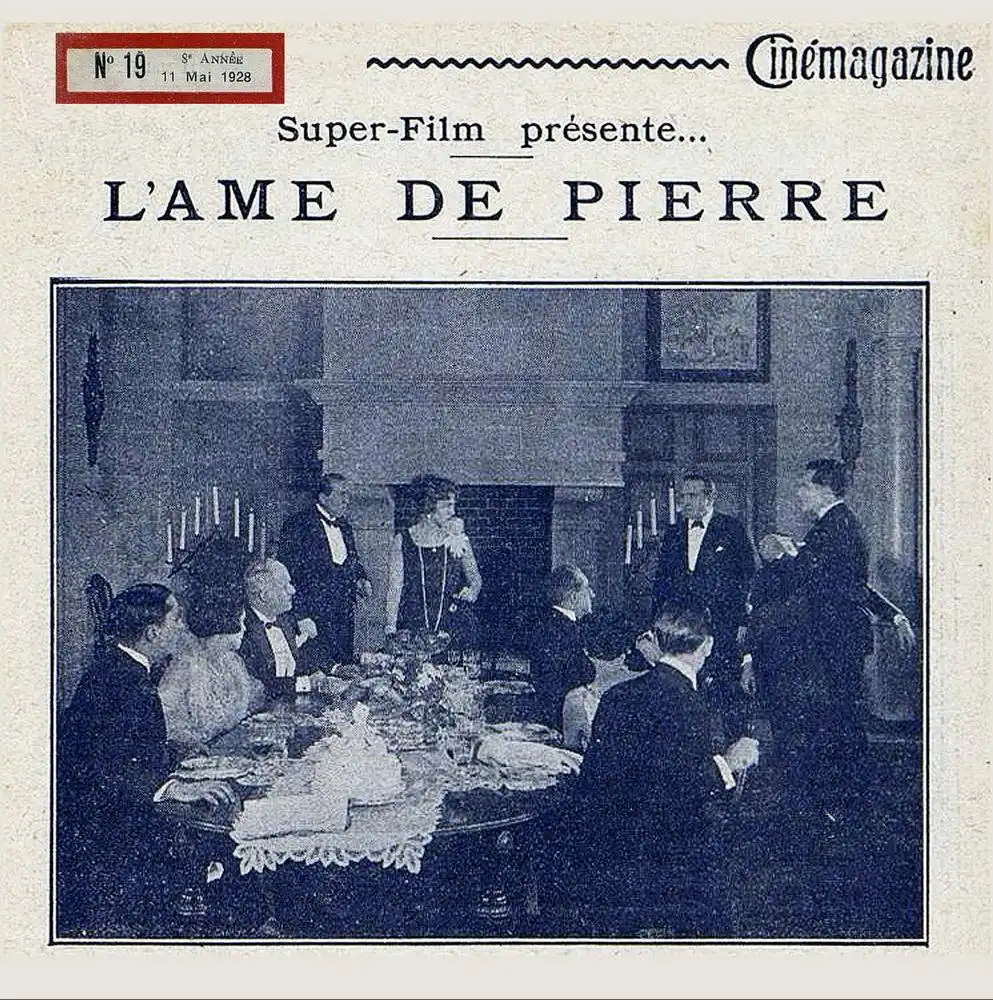
Because then, surprise! His best friend, the one he wanted to give his soul to, falls right into the bad woman’s trap. You’re like, "Dude, you just saw what she did to Pierre!" But of course, he's blinded. This sets up Pierre's redemption arc, where he has to save his friend from the same terrible influence. It’s almost a mirror image, this second act. The stakes are higher, because now it's about friendship, not just personal despair.
Watching Pierre try to extract his friend is the real core of the film. He isn’t just moping anymore; he's actively doing things. There's a particular confrontation scene where Pierre confronts Tayar's character. She's sitting very still, almost regal, and Pierre is practically shaking with anger. The way he practically spits his words, it’s a moment of real fire. You see him go from completely broken to utterly determined.
The ending, with Pierre finding serenity with a "faithful and pure young girl," feels a little… neat. Almost too clean. It ties everything up with a bow, which is, again, typical for the era. She’s portrayed as this bright, uncomplicated light, a stark contrast to the dangerous woman. It’s not a subtle message, but it does leave you feeling like, okay, Pierre finally caught a break. It's a sweet, if slightly predictable, finish.
One small thing that stuck with me was the way the shadows fell in the dangerous woman’s apartment. It always felt a little darker there, even in daytime scenes. Like the light itself knew to avoid her. And the silence in some of those scenes, it felt heavy. Not empty, but full of unspoken things.
Overall, L'âme de Pierre is a curious artifact. It’s not a film that will reinvent your idea of cinema. But it's a solid example of its genre, with some really strong, if a bit over-the-top, performances. If you like your drama thick and your emotions laid bare, you might just find something to appreciate here. Just don't expect it to sneak up on you; it announces its intentions quite loudly. 🎭

IMDb 6.3
1936
Community
Log in to comment.