DbcultAccessing Vault...
Cult Review
Senior Film Conservator
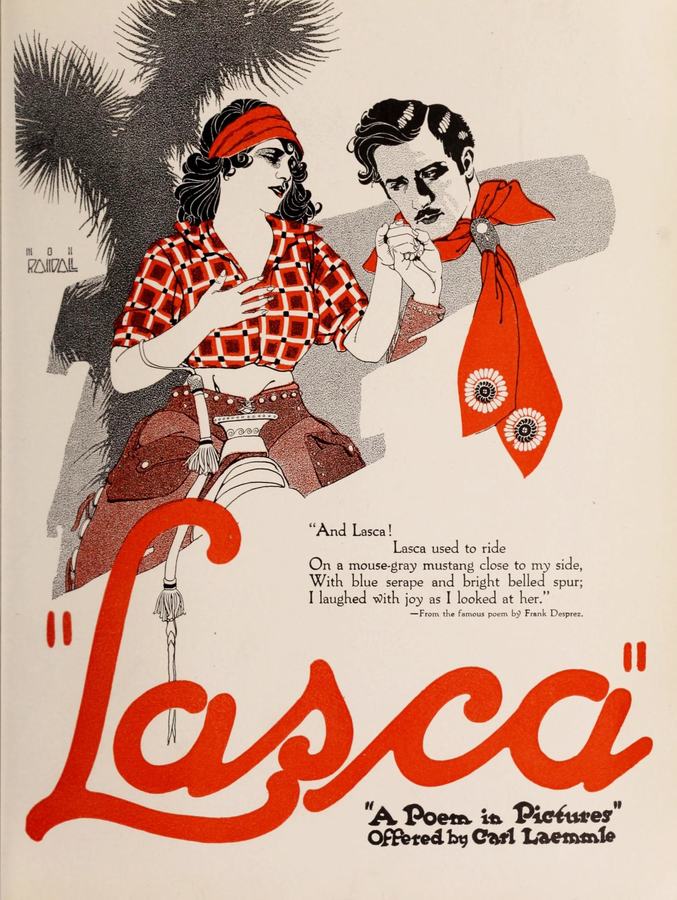
Stepping back into the sepia-toned world of early cinema, one encounters Lasca, a 1917 silent film that, despite the passage of a century, still pulsates with a raw, untamed energy. This cinematic artifact is more than just a relic; it’s a vibrant tapestry woven from the threads of fervent love, searing jealousy, and ultimate sacrifice, all set against the rugged, untamed backdrop of the American Southwest. It’s a quintessential example of how the silent era, often underestimated in its narrative sophistication, could deliver stories of profound emotional resonance without uttering a single spoken word. The film, adapted from a poem by Frank Desprez, plunges its audience into a world where emotions are writ large across the screen, where every gesture, every gaze, carries the weight of a thousand declarations. It’s a testament to the power of visual storytelling, demonstrating that the human heart’s tumultuous journey transcends the need for audible dialogue.
At the heart of this tumultuous narrative stands Lasca herself, portrayed with a captivating intensity by Veola Harty. Her character is a magnificent contradiction: a creature of impulse, yet possessing a soul of unblemished purity. Living in a small Mexican settlement near the sprawling Rio Grande, she exists in a world where primal instincts often dictate destiny. Her connection to her twin brother, Ricardo, and their aunt, forms a familial anchor, but it is her burgeoning affection for the cattle rancher Anthony Moreland that truly sets her spirit ablaze. Harty masterfully conveys Lasca’s fiery temperament through subtle yet powerful expressions, her eyes often betraying a tempest brewing beneath a veneer of youthful exuberance. She is not merely a damsel in distress; she is a force of nature, a woman whose love is as fierce and untamed as the landscape she inhabits. This portrayal distinguishes her from many of her contemporaries, presenting a heroine who actively shapes her own tragic fate, rather than merely suffering it. Her raw, unfiltered passion is a stark contrast to the more demure female archetypes prevalent in some films of the era, offering a refreshing, albeit ultimately heartbreaking, depiction of feminine agency. This complexity makes Lasca a character who resonates long after the final fade to black, a testament to Harty's nuanced performance.
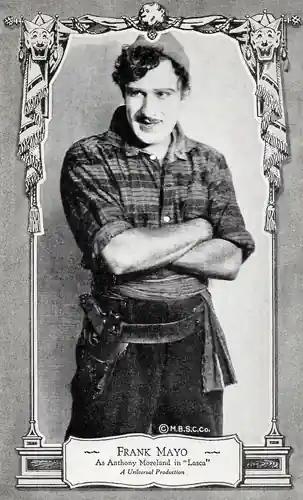
The dramatic core of Lasca lies in its intricate dance of affections and misunderstandings. Anthony Moreland, played by Frank Mayo, is a figure of quiet strength, genuinely fond of Lasca, yet tragically blind to the depth of her devotion. He perceives her as an innocent, a spirited child of the frontier, a dynamic that creates a painful chasm between his regard and her profound, womanly love. This fatal misapprehension sets the stage for the film’s escalating tragedy. The arrival of Clara Vane, a character embodying the sophisticated temptress, further complicates this delicate emotional landscape. Edith Roberts imbues Clara with a flirtatious charm that effortlessly captures Anthony's attention, igniting the fierce flames of jealousy within Lasca. This isn't a mere schoolgirl crush; it's an existential threat to Lasca’s burgeoning sense of self and belonging. The visceral reaction of Lasca, culminating in her desperate act of stabbing Anthony, is not merely a fit of rage but an outpouring of profound anguish and fear of abandonment. Her immediate remorse, her tender binding of his wound, and her fervent pleas for forgiveness underscore the purity of her love, revealing that her violence stems from a place of overwhelming, misguided passion, rather than malice. It’s a moment that could easily descend into melodrama, but Harty’s performance elevates it to a poignant expression of a heart pushed to its breaking point. This complex portrayal of love and its dark twin, jealousy, can be seen echoed in other silent era dramas like Sin, where moral ambiguity and intense emotional turmoil drive the narrative.
As if the emotional turmoil wasn't enough, the narrative introduces an external antagonist in the form of John Davis, Clara Vane’s jilted fiancé, portrayed by Lloyd Whitlock. Davis, consumed by a vindictive thirst for revenge against Anthony for encroaching upon his romantic territory, becomes the architect of a truly diabolical scheme. His manipulation of circumstances, bribing one of Anthony’s ranch hands to trigger a catastrophic cattle stampede during an impending storm, showcases a calculating malevolence that stands in stark contrast to Lasca’s impulsive, passion-driven acts. Whitlock’s portrayal of Davis is chillingly effective, embodying the insidious nature of premeditated malice. This subplot adds another layer of tension, transforming the personal drama into a broader struggle against external forces and human perfidy. The impending storm, a classic cinematic device, mirrors the brewing emotional tempests, amplifying the sense of impending doom. The film masterfully builds suspense, drawing the audience deeper into the treacherous landscape where human passions and natural forces collide with devastating consequences. The intricate plotting of revenge, where personal grudges escalate into widespread danger, is a recurring motif in cinematic history, reminiscent of the dramatic stakes found in Westerns like The Boundary Rider, where the harsh frontier often serves as a crucible for human morality.
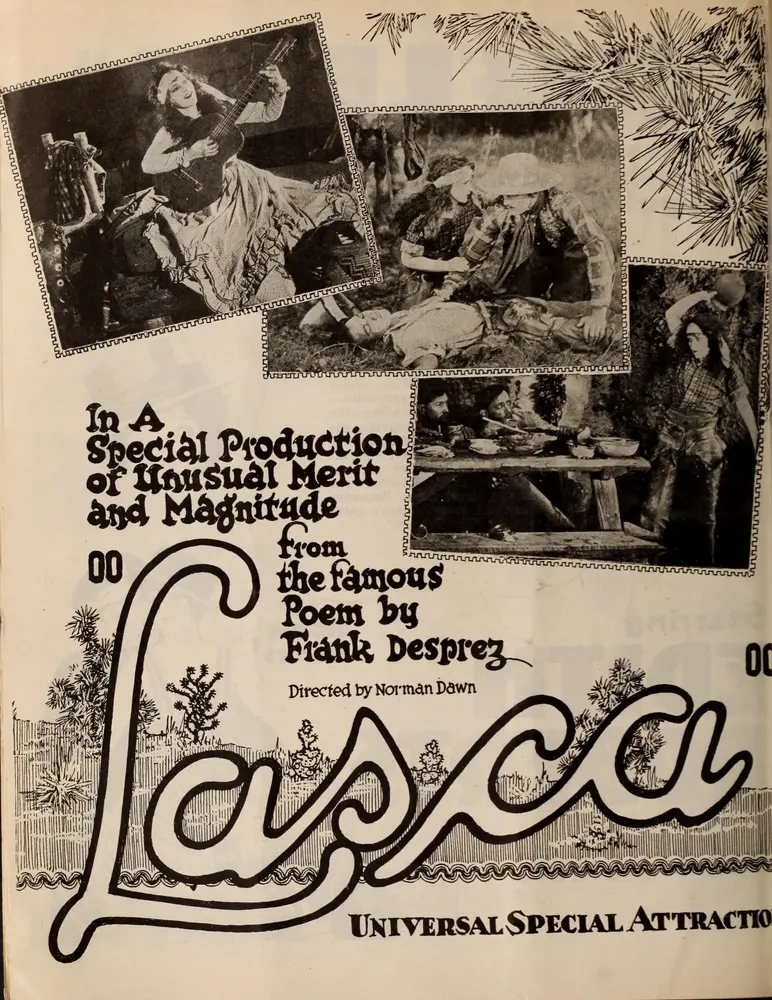
The film hurtles towards its electrifying climax with an almost breathtaking inevitability. The storm breaks, unleashing its fury upon the already volatile landscape, a perfect mirror to the chaos unleashed by Davis’s treachery. The stampede, a truly monumental undertaking for silent film production, is depicted with a visceral power that still resonates today. The sheer scale of the thundering herd, the dust-choked air, and the palpable sense of danger are conveyed with remarkable effectiveness. As Anthony is tragically thrown from his horse, landing directly in the path of the relentless, churning mass of cattle, the tension becomes almost unbearable. It is in this moment of ultimate peril that Lasca’s character truly achieves tragic transcendence. Without hesitation, without a thought for her own safety, she hurls herself over Anthony, using her own body as a shield against the crushing hooves. This act of self-annihilation is not merely heroic; it is a profound testament to the absolute, unyielding nature of her love. Harty’s silent portrayal of this sacrifice is incredibly moving, conveying a depth of devotion that transcends words. The scene is a masterclass in silent film dramatics, relying on visual spectacle and raw emotional performance to deliver an unforgettable, gut-wrenching moment. It solidifies Lasca’s place as a tragic heroine, her impulsive nature ultimately redeemed by an act of pure, selfless love. This kind of ultimate sacrifice for love, often with a tragic outcome, finds parallels in other silent dramas, where the stakes of passion were frequently life and death.
The immediate aftermath of Lasca’s sacrifice sees a swift, brutal retribution. Ricardo, her twin brother, witnesses his sister’s ultimate act of love and death. His subsequent vengeance upon John Davis is swift and unforgiving: leaving the villain to perish in the treacherous quicksand, a poetic justice delivered by the very landscape that bore witness to so much suffering. Arthur Jasmine, as Ricardo, conveys this raw, fraternal grief and the subsequent cold determination with stark realism, adding another layer to the film’s exploration of justice and consequence. This act of vengeance closes one chapter of the tragedy, but the emotional scars remain, particularly for Anthony. His reaction to Lasca’s death is a poignant exploration of belated understanding and eternal devotion. The man who once saw her as a child now recognizes the immeasurable depth of her love. His subsequent actions – burying Lasca with his own hands, constructing a shrine to her memory, and dedicating the remainder of his life to her enduring spirit – speak volumes about the transformative power of her sacrifice. Frank Mayo’s quiet, grief-stricken portrayal of Anthony in these final moments is particularly affecting, conveying a man utterly changed by profound loss and an awakened appreciation for a love he once underestimated. It’s a powerful, somber conclusion that elevates the film beyond a simple revenge plot, transforming it into a meditation on remembrance and the lasting impact of pure devotion. This theme of undying fidelity in the face of tragedy resonates deeply, much like the melancholic devotion portrayed in films such as Der Märtyrer seines Herzens, where love transcends physical presence.
The success of Lasca lies not only in its compelling narrative but also in the remarkable performances of its cast, particularly Veola Harty. Silent actors faced the unique challenge of conveying complex emotions and intricate plot points without the aid of dialogue. Harty rises to this challenge magnificently, her every gesture, every flicker of her eyes, imbued with meaning. She projects Lasca’s impulsiveness, her vulnerability, her fierce passion, and her ultimate resolve with an authenticity that transcends the technical limitations of the era. Frank Mayo, as Anthony, provides a solid, understated counterpoint to Harty's effervescence, his transformation from detached fondness to profound grief being particularly effective. Edith Roberts, as Clara Vane, skillfully embodies the allure and superficiality that fuels the central conflict, while Lloyd Whitlock's John Davis is a study in cold-blooded villainy. The direction, by Frank Mayo himself, alongside the cinematography, makes excellent use of the natural landscape. The sprawling vistas of the Rio Grande country are not merely a backdrop; they are an active participant in the drama, reflecting the wildness of Lasca’s spirit and the untamed nature of the conflicts unfolding. The cattle stampede sequence, a testament to the ingenuity of early filmmakers, remains a powerful spectacle, demonstrating how visual storytelling could achieve epic scale even in the nascent days of cinema. The interplay of light and shadow, the use of close-ups to capture emotional nuances, and the dynamic staging of action sequences all contribute to a rich cinematic experience, proving that the artistry of silent film was far from primitive.
In the grand pantheon of silent Westerns, Lasca carves out a significant, if sometimes overlooked, niche. It stands as a powerful example of the genre's capacity for profound emotional depth, moving beyond mere action and adventure to explore the complexities of the human heart. The film’s thematic richness – encompassing love, jealousy, sacrifice, and the relentless pursuit of vengeance – ensures its enduring relevance. It reminds us that stories of intense human drama, particularly those set against a backdrop of lawless frontiers, possess a timeless appeal. The tragic arc of Lasca, a heroine who dies shielding the man she loves, resonates with the archetypal tales of sacrifice found across cultures and eras. It’s a narrative that speaks to the extremes of human emotion, illustrating how love, when unbridled, can lead to both devastating acts and transcendent heroism. The film’s technical achievements, especially for its time, in orchestrating the large-scale stampede and capturing the raw beauty of its setting, further solidify its place in cinematic history. While not as widely celebrated as some of its contemporaries, Lasca offers a compelling glimpse into the narrative power and artistic sophistication of early 20th-century filmmaking. It invites modern audiences to appreciate the nuanced performances and visual storytelling that defined an era, proving that the silent screen was anything but quiet. The film's profound emotional impact and its exploration of fatal devotion position it alongside other intense romantic tragedies of the period, such as I Love You, where passionate love often leads to an inevitable, sorrowful conclusion. Its legacy is one of a passionate tale told with conviction, a silent scream of love and loss echoing through the annals of cinema.
IMDb 6.1
1935
Community
Log in to comment.