DbcultAccessing Vault...
6.1/10
Senior Film Conservator
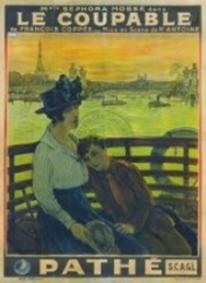
A definitive 6.1/10 rating for a film that redefined the boundaries of cult cinema. Le coupable remains a cornerstone of transgressive art.
There are films that merely tell a story, and then there are those that plunge you into the very abyss of human anguish, forcing a confrontation with the most inconvenient truths of existence. "Le coupable," an incandescent adaptation of François Coppée’s profoundly resonant work, unequivocally belongs to the latter category. It is not merely a legal drama; it is a piercing, psychologically intricate exploration of fate’s cruel machinations, the crushing weight of societal judgment, and the devastating repercussions of a past carelessly discarded. From its opening moments, the film establishes an atmosphere of disquieting tension, drawing the viewer into a courtroom where the stakes are not just a man’s life, but the very moral fabric of a family fractured by secrecy and a father’s monumental oversight.
At its core, "Le coupable" orchestrates a narrative of almost unbearable dramatic irony. We are introduced to a prosecuting attorney, a figure of formidable intellect and unwavering conviction, as he prepares to deliver his summation. His rhetoric is sharp, his arguments meticulously constructed, each word a hammer blow against the accused. The audience, however, is privy to a truth that slowly, agonizingly, reveals itself to this bastion of justice: the young man in the dock, whose pitiful circumstances led him to the ultimate crime, is his own son. This revelation transforms the sterile courtroom into a crucible of personal torment, blurring the lines between professional duty and paternal devastation. The film masterfully employs a series of flashbacks, peeling back layers of the past to expose the genesis of this tragedy, revealing a clandestine affair, a subsequent abandonment, and the arduous, solitary struggle of an unwed mother against a world determined to break her. It’s a narrative structure that doesn’t just inform; it implicates, drawing the viewer into the prosecutor’s burgeoning horror and the son’s predetermined, tragic trajectory.
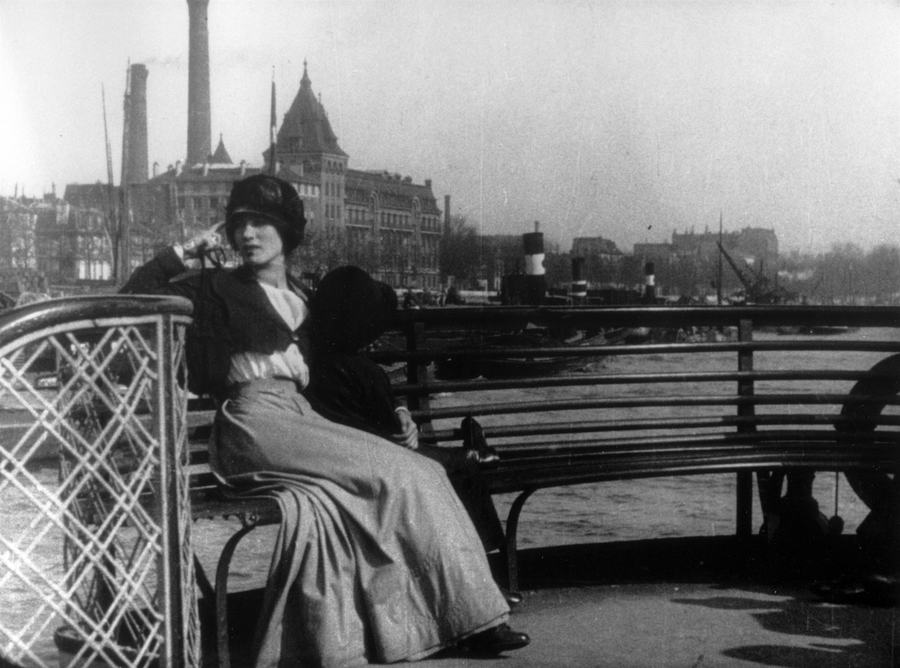
The film’s genius lies in its refusal to offer easy answers or simple villains. Instead, it meticulously dissects the societal forces that conspire to create such a predicament. The unwed mother, cast out from polite society, embodies the cruel hypocrisy of an era where moral condemnation often superseded compassion. Her fight for survival, her attempts to shield her son from the harsh realities of their existence, are portrayed with a raw, unvarnished honesty that resonates deeply. The son, born into a world that offered him no legitimate place, becomes a product of his environment, a victim of circumstances far beyond his control. His crime, while heinous, is presented not as an act of pure malice, but as the desperate culmination of a lifetime of marginalization and neglect. This nuanced portrayal elevates "Le coupable" beyond a mere crime drama, positioning it as a profound meditation on social justice, inherited sin, and the inescapable tendrils of fate.
The emotional weight of "Le coupable" rests heavily on the shoulders of its ensemble, and they deliver performances of remarkable depth and conviction. Jacques Grétillat, as the prosecuting attorney, is nothing short of mesmerizing. His transformation from an assured, formidable legal mind to a man utterly shattered by a personal apocalypse is depicted with a subtlety and intensity that is truly captivating. His internal struggle, the agonizing realization that he is dismantling his own flesh and blood, is conveyed through a masterclass in restrained anguish, making his eventual breakdown all the more devastating. It’s a performance that captures the essence of a man caught between his public persona and his private torment, a true tour de force that anchors the film’s emotional core.
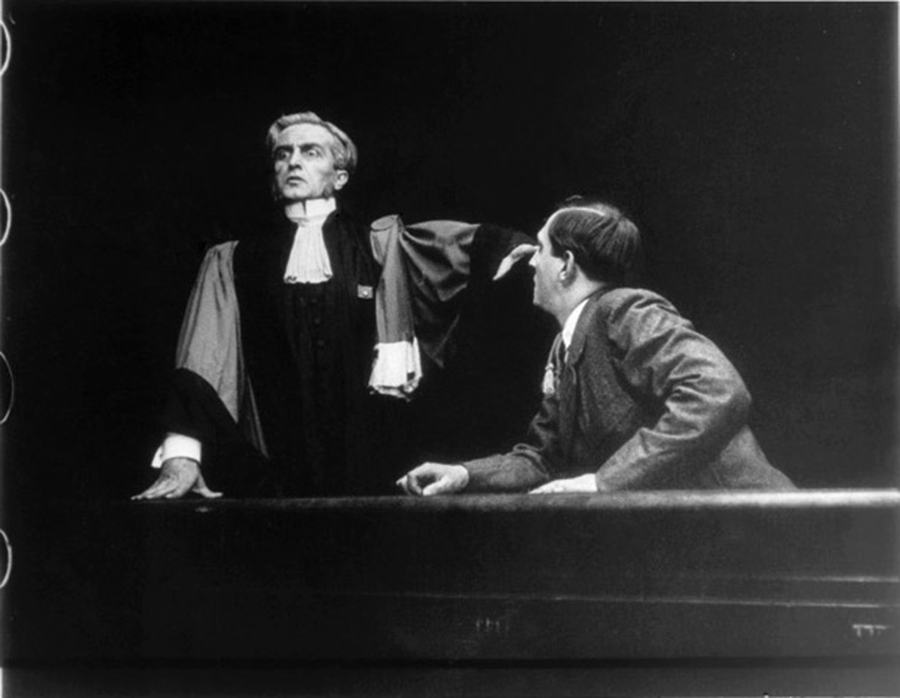
Equally compelling is the portrayal of the unwed mother, whose name remains a poignant echo in the narrative. While specific credits might vary across historical records, the actress embodying this pivotal role (likely Séphora Mossé or Sylvie, given the available cast list, though without explicit role assignment it's speculative) imbues her character with a quiet strength and an enduring resilience that defies the crushing circumstances. Her journey, marked by societal ostracism and relentless poverty, is painted with a dignity that prevents her from becoming a mere object of pity. She is a symbol of maternal sacrifice, a woman who fights tooth and nail against a world that has already judged and condemned her. The pathos she evokes is palpable, making her struggle and eventual heartbreak resonate long after the credits roll.
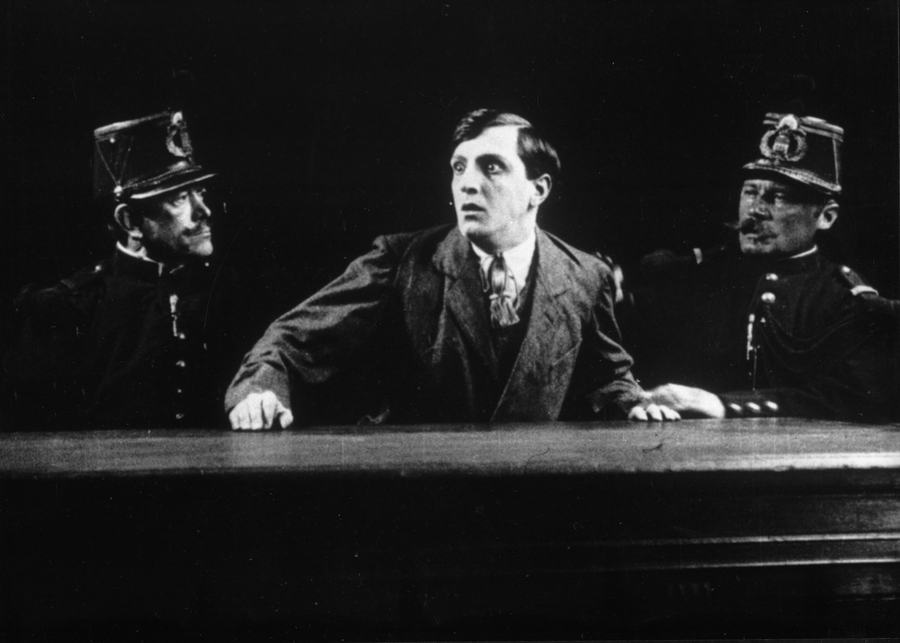
The young man at the heart of the murder trial, the son, is also portrayed with a nuanced understanding of his predicament. His actions, while criminal, are presented as the tragic consequence of a life devoid of paternal guidance and societal support. The actor (perhaps Henri Jeanson or Romuald Joubé, again, based on general cast lists and typical dramatic roles of the era) manages to convey both his desperate vulnerability and the hardened edge forged by a life of hardship. His performance elicits not sympathy for his crime, but rather a profound understanding of the chain of events that led him to such a desperate act. The supporting cast, including Léon Bernard, Mona Gondré, René Hiéronimus, and René Rocher, contribute to the rich tapestry of the film, creating a believable and often unforgiving world against which this personal drama unfolds. Their collective efforts ensure that every character, no matter how minor, feels integral to the unfolding tragedy.
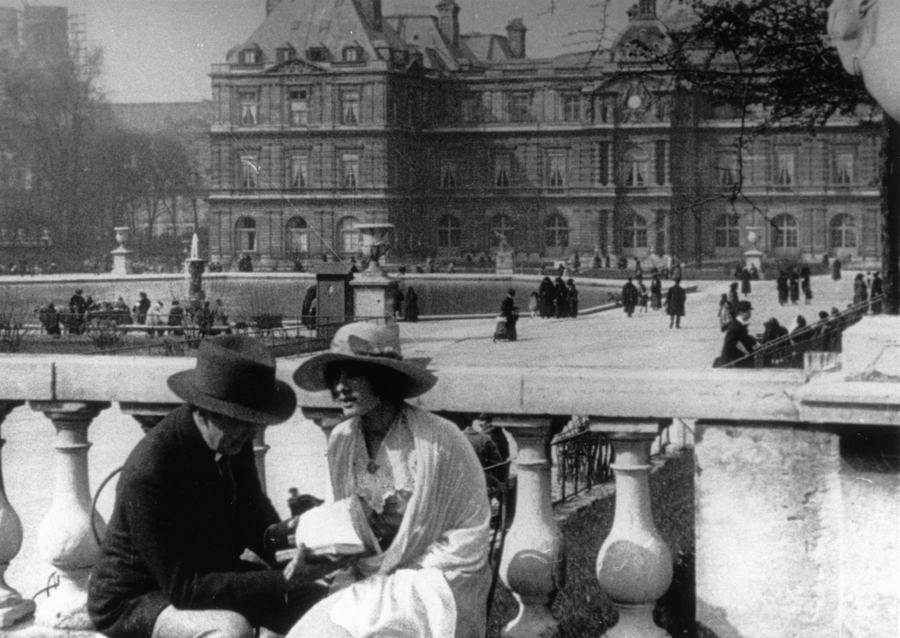
The direction of "Le coupable" is marked by an understated elegance that allows the raw emotion of the narrative to take center stage. The cinematography, while perhaps lacking the overt stylistic flourishes of later eras, is remarkably effective in building mood and conveying character interiority. The stark contrasts of the courtroom, with its imposing architecture and somber lighting, are juxtaposed against the often bleak and unforgiving landscapes of the flashbacks, highlighting the chasm between the prosecutor’s privileged present and the son’s impoverished past. Close-ups are employed judiciously, amplifying the silent torment etched on Grétillat’s face and the quiet despair of the mother. The film’s pacing is deliberate, allowing the psychological tension to simmer and build, creating a palpable sense of dread as the inevitable truth draws nearer. This careful construction ensures that the film’s emotional impact is earned, rather than manipulated.
The visual language speaks volumes, even in the absence of extensive dialogue. The way characters are framed, the use of shadow to convey moral ambiguity or impending doom, and the meticulous attention to period detail all contribute to a rich, immersive experience. It’s a testament to the filmmakers’ skill that they manage to evoke such profound empathy and understanding through visual means, a hallmark of powerful early cinema. The film avoids sensationalism, opting instead for a gritty realism that grounds the extraordinary circumstances in human experience. The choices in set design and costuming further reinforce the social stratification and the unforgiving nature of the society depicted, making the characters' struggles feel authentic and immediate.
At the heart of "Le coupable" lies the powerful source material by François Coppée. Coppée, a prominent French poet and novelist of the late 19th and early 20th centuries, was known for his poignant portrayals of ordinary life and social injustices. His original work undoubtedly provided a robust framework for the film, imbuing it with a literary depth and a keen understanding of human psychology. The adaptation successfully translates Coppée's thematic concerns—the conflict between duty and personal feeling, the harsh realities faced by the marginalized, and the long shadow of past mistakes—into a compelling cinematic experience. The narrative's unflinching look at the consequences of societal judgment and personal abandonment feels as relevant today as it must have upon its initial release. It’s a testament to the timeless quality of Coppée’s storytelling and the filmmakers' ability to capture its essence.
The film’s screenplay, while adapting a known work, manages to feel fresh and impactful, highlighting the enduring power of classic narratives when handled with care. The dialogues, though sparse in certain silent film versions or deeply impactful in others, are crafted to reveal character and advance the plot with precision, avoiding unnecessary exposition. It’s a masterclass in economical storytelling, where every scene and every interaction serves a purpose in deepening the tragic trajectory. The intricate plotting, which slowly reveals the familial connection, keeps the audience captivated, transforming what could have been a straightforward court case into a profound exploration of human frailty and the burden of conscience.
When considering "Le coupable," one cannot help but draw parallels to other cinematic works that explore similar themes of societal condemnation, familial strife, and the often-brutal hand of fate. The plight of the unwed mother, cast out and forced to navigate a hostile world, finds echoes in films like The Heart of a Painted Woman, which similarly delves into the struggles and societal judgment faced by women deemed 'fallen'. Both narratives bravely confront the hypocrisy of social norms and the devastating impact on innocent lives.
The overarching theme of justice and personal morality clashing with familial ties also brings to mind the profound dilemmas presented in The Heart of Midlothian. While different in setting and specific circumstances, both films place a central character in an agonizing position where their adherence to the law or moral principles directly conflicts with the well-being of a loved one, forcing an unbearable choice or revelation. The sense of inescapable consequences, where past actions inevitably return to haunt the present, is a powerful through-line that connects "Le coupable" to works like The Cost of Hatred, illustrating how deeply ingrained grievances or past misdeeds can ripple through generations, leading to tragic outcomes. The relentless grip of circumstances on individuals, a core tenet of naturalism, is also reminiscent of films like The Slave, where characters are often depicted as victims of larger societal and economic forces, struggling against a predetermined destiny. These thematic linkages underscore the timeless appeal and profound human relevance of "Le coupable."
"Le coupable" is more than just a historical artifact of French cinema; it is a timeless tragedy that continues to provoke thought and elicit profound emotional responses. Its exploration of moral ambiguity, the devastating consequences of social prejudice, and the eternal conflict between personal desire and societal expectation ensures its enduring relevance. The film forces us to confront uncomfortable questions about responsibility, forgiveness, and the true meaning of justice. It reminds us that sometimes, the greatest punishments are self-inflicted, born from ignorance, neglect, or the simple failure to acknowledge our shared humanity.
In an era often dominated by spectacle, "Le coupable" stands as a powerful testament to the potency of character-driven drama and the profound impact of a story well told. It’s a film that resonates not just for its dramatic twists, but for its deeply human core, leaving an indelible mark on the viewer’s consciousness. It is a cinematic experience that challenges, moves, and ultimately, profoundly affects all who bear witness to its tragic narrative. This film, with its masterful performances and compelling direction, secures its place as a significant work that transcends its historical context to speak to universal human experiences.
IMDb 6.2
1921
Community
Log in to comment.