DbcultAccessing Vault...
7.5/10
Senior Film Conservator
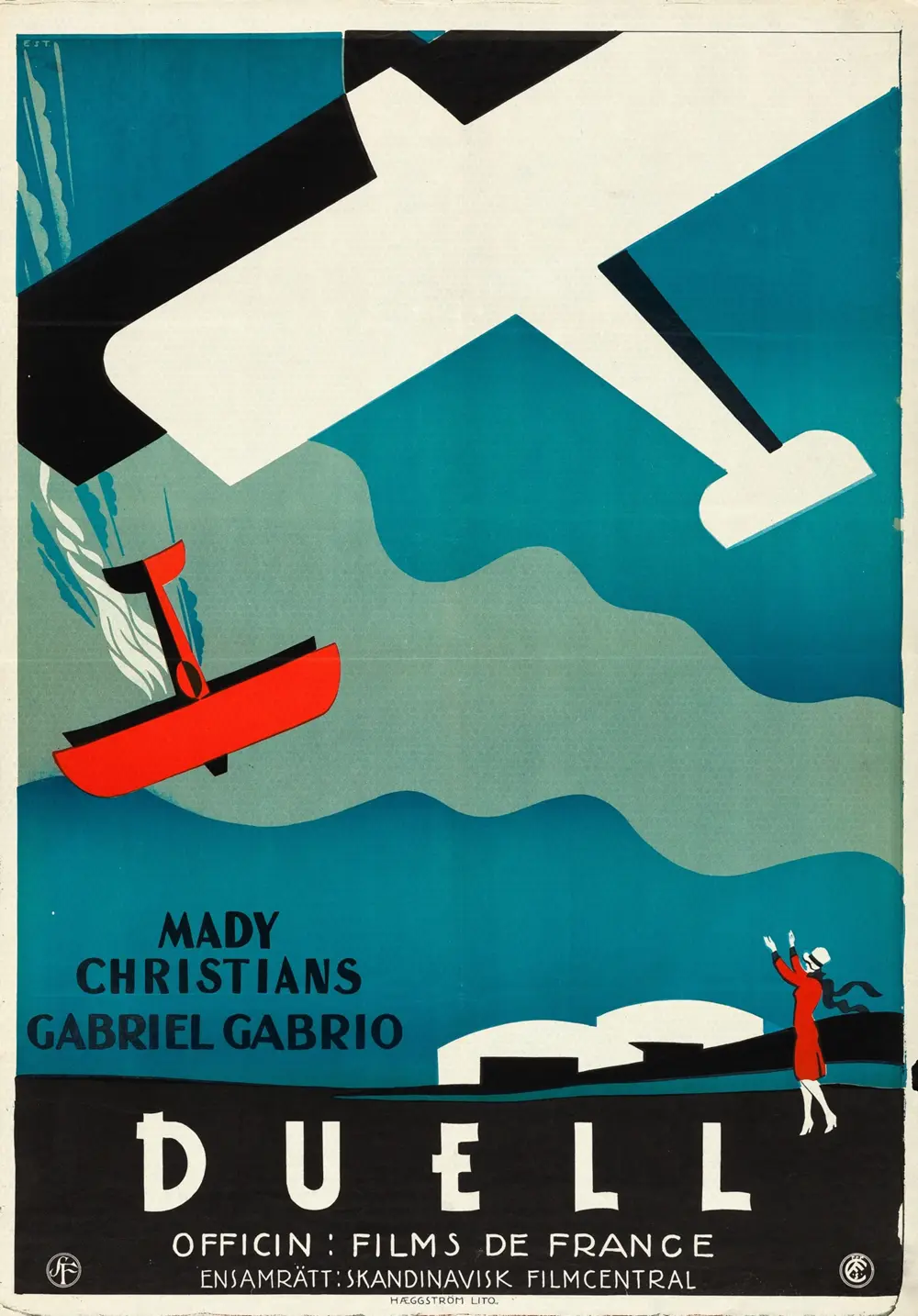
A definitive 7.5/10 rating for a film that redefined the boundaries of cult cinema. Le duel remains a cornerstone of transgressive art.
Is Jacques de Baroncelli’s “Le duel” worth watching today? Short answer: yes, but with significant caveats that demand a certain kind of viewer. This early French silent film offers a fascinating, if sometimes frustrating, glimpse into a cinematic era often overshadowed by its Hollywood contemporaries, presenting a rich tapestry of melodrama and societal critique.
This film is for viewers deeply interested in cinematic history, silent film enthusiasts, and those who appreciate the grand gestures and nuanced non-verbal storytelling inherent to the period. It is emphatically NOT for audiences seeking fast-paced action, modern narrative sensibilities, or crystal-clear, unambiguous thematic resolutions. If you demand immediate gratification or find the deliberate pace of early cinema trying, you’ll struggle.
Let's be clear about what works and what doesn't here.
“Le duel,” penned by Jacques de Baroncelli and René Jeanne, is a masterclass in silent era melodrama, a narrative vehicle designed to explore the profound impact of social codes on individual lives. The plot, while seemingly straightforward, unravels with a deliberate, almost theatrical precision that was characteristic of films of this period. At its heart lies a classic love triangle, but one imbued with a distinctly French sensibility concerning honor and reputation.
The film introduces us to Élise (Lucienne Parizet), a woman of grace and inner strength, whose affections are tragically divided. Her heart yearns for Captain André (Jean Murat), a man whose integrity and military bearing are his most prized possessions, yet whose modest means make him vulnerable in the unforgiving social hierarchy. Countering André is Baron Armand (Gabriel Gabrio), a figure of immense wealth and influence, whose charm masks a calculating and predatory nature. Armand sees Élise not as a partner, but as a prize, a symbol of his status.
The conflict escalates with a brilliantly conceived scene at a glittering Parisian soirée. Armand, with a casual yet devastatingly deliberate gesture, publicly humiliates André. Perhaps he spills wine on his uniform, or more subtly, makes a cutting remark about André's financial prospects that undermines his standing. This single act, seemingly trivial, is a direct challenge to André’s honor, a calculated move designed to force his hand in a society where a man's reputation was everything. The swift, almost inevitable, issuance of a challenge to a duel underscores the rigid social contract of the era.
Thematically, “Le duel” is a rich text. It dissects the destructive power of societal expectations and the often-futile pursuit of honor through violence. It questions whether true love can ever flourish under the shadow of such rigid codes. The film subtly argues that while honor is presented as a virtue, its defense can lead to profound tragedy, sacrificing genuine affection and happiness on the altar of public perception. This is where Baroncelli’s vision truly shines: he doesn’t just present a story, he interrogates the very values driving his characters.
The film also explores the limited agency of women in this patriarchal structure. Élise, despite her emotional depth and intelligence, is largely a pawn in a game played by men, her fate dictated by their choices and their adherence to a code she herself cannot directly participate in. Her internal struggle, depicted through subtle facial expressions and body language, becomes a powerful commentary on the constraints placed upon women in the early 20th century. It’s a surprisingly modern undertone for a film of its vintage.
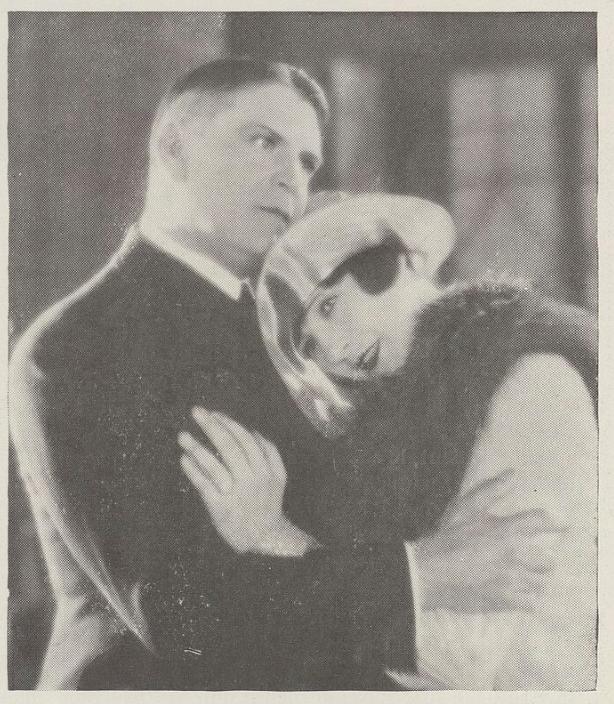
The success of any silent film hinges entirely on the expressive capabilities of its cast, and “Le duel” largely delivers. Lucienne Parizet, as Élise, is the undisputed heart of the film. Her performance is a masterclass in conveying complex emotions without uttering a single word. Her eyes, often downcast in sorrow or wide with despair, communicate volumes. There’s a particular scene where Élise pleads with André not to fight, her hands clasped, her body language a desperate appeal, that is genuinely heartbreaking. Parizet avoids the theatrical overacting common in some silent features, opting instead for a refined, almost understated intensity that resonates deeply.
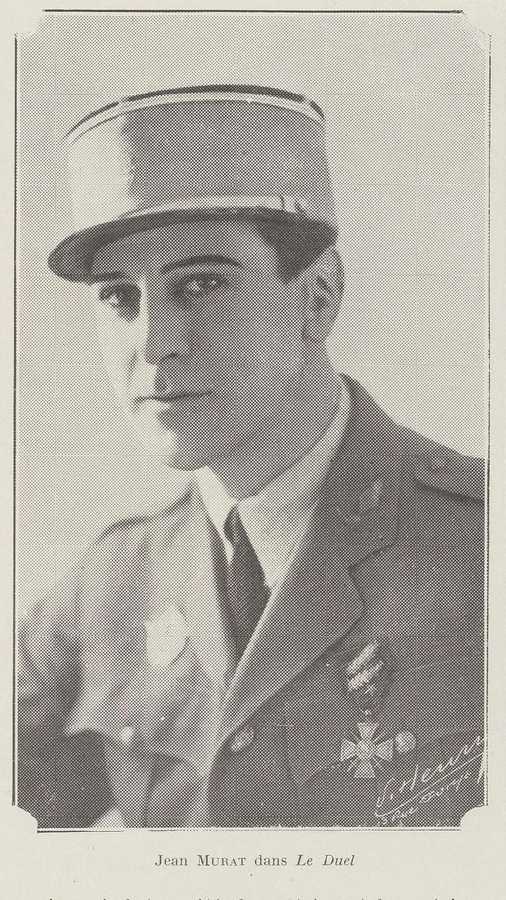
Jean Murat brings a stoic gravitas to Captain André. He embodies the ideal of the honorable soldier, his posture rigid, his gaze unwavering. His internal conflict between love and duty is conveyed through subtle shifts in his expression, particularly in moments of quiet contemplation. While perhaps less overtly emotive than Parizet, Murat’s controlled performance perfectly grounds the character’s adherence to a strict moral code. His scenes of preparation for the duel, where he meticulously checks his pistol, convey a chilling sense of inevitability and resolve.
On the other side of the spectrum, Gabriel Gabrio’s Baron Armand is a deliciously villainous turn. Gabrio revels in Armand’s arrogance and cruelty, his smirk often conveying more menace than any spoken threat could. He uses his imposing physical presence to dominate scenes, making Armand a truly formidable antagonist. The way he casually dismisses Élise's distress, or his smug confidence before the duel, paints a vivid picture of a man utterly convinced of his own superiority. It’s a performance that might feel broad to modern eyes, but it’s entirely effective within the silent film lexicon.
The supporting cast, including Sarah Clèves as Élise's concerned friend Marguerite and Marcel Doret as André's loyal Lieutenant Dubois, provide crucial emotional anchors and exposition. Clèves, in particular, offers a contrasting female perspective, her character often mirroring the audience's own anxieties and disapproval of Armand's actions. Their presence adds texture and depth, ensuring the central conflict feels rooted in a broader social fabric.
Jacques de Baroncelli’s direction in “Le duel” is a fascinating study in early cinematic storytelling. His pacing is deliberate, almost languid, a characteristic that will undoubtedly test the patience of many contemporary viewers. This isn't a criticism of its quality, but an observation of its historical context. Baroncelli allows scenes to breathe, lingering on facial expressions and grand gestures, building tension through slow-burn anticipation rather than rapid-fire cuts.
The tone is undeniably melodramatic, as expected for the era. Emotions are writ large, conflicts are heightened, and resolutions are often bittersweet or tragic. Yet, Baroncelli manages to inject moments of genuine psychological insight, particularly in Élise’s internal struggles. He uses intertitles not just for dialogue, but for poetic reflections on fate and honor, deepening the film’s philosophical underpinnings. This elevates it beyond mere spectacle.
One particularly effective directorial choice is the extended sequence leading up to the duel. Baroncelli doesn’t rush it. We see the seconds making their preparations, the dawn mist settling over the chosen field, the protagonists’ final moments of reflection. This drawn-out anticipation creates an almost unbearable tension, making the eventual firing of the pistols feel like an explosion after a long, quiet fuse. It’s a bold choice that pays off, immersing the viewer in the gravity of the situation.
The cinematography in “Le duel” is competent, if not groundbreaking, for its time. There’s a clear understanding of how to use light and shadow to enhance mood and drama. Interior scenes often utilize stark contrasts, with pools of light illuminating faces against dark backgrounds, emphasizing the isolation or intensity of a character’s emotions. This is particularly effective in the scenes where Élise grapples with her impossible choices, the play of light across her face highlighting her anguish.
Exterior shots, especially those set during the dawn duel, are atmospheric. The use of natural light and perhaps some early diffusion techniques creates a sense of foreboding and solemnity. While the film doesn't boast the elaborate tracking shots or dynamic camera movements of later silent epics, its reliance on well-composed static shots and effective close-ups ensures that the emotional core of the story is always front and center. The frame is consistently used to isolate characters, emphasizing their internal struggles or their power dynamics.
One unconventional observation: the use of deep focus in some background elements, even when the foreground action is paramount, occasionally distracts. It’s a minor point, but it means that the eye sometimes wanders to less important details, breaking the spell of the immediate drama. This could be a technical limitation or an artistic choice, but it’s noticeable. Nonetheless, the overall visual language serves the narrative well, grounding the melodrama in a believable, if heightened, reality.
As a silent film, “Le duel” was originally intended to be accompanied by live music, often improvised or based on cue sheets. Viewing it today, the experience is profoundly shaped by whether it’s presented with a newly commissioned score, a period-appropriate orchestral accompaniment, or simply in silence. A well-crafted modern score can elevate the film immensely, guiding the audience's emotional response and enhancing the dramatic impact of key scenes.
Without an original score readily available, much of the film’s emotional weight falls squarely on the visual performances and the intertitles. This can be both a strength and a weakness. It forces a deeper engagement with the actors' craft, but also leaves a void that a powerful musical accompaniment could fill. Imagine a soaring, tragic violin solo during Élise’s most desperate moments, or a tense, percussive build-up to the duel – these are elements that, when absent, highlight the film’s inherent incompleteness without its intended sonic landscape.
My strong, debatable opinion here is that viewing “Le duel” without a carefully composed, period-sensitive score is akin to reading a play without hearing its dialogue. It’s an incomplete experience. While the visual storytelling is robust, the emotional resonance is undoubtedly amplified by the right musical interpretation, transforming it from a historical curiosity into a more fully realized work of art. The film, in its pure silent form, feels raw. But it’s a rawness that beckons for a melodic embrace.
Yes. But it’s flawed. “Le duel” is absolutely worth watching for specific audiences. If you are a student of film history, particularly French cinema, or a dedicated silent film enthusiast, this is an essential viewing. It offers a window into the narrative conventions, acting styles, and thematic concerns of its era. It’s a challenging watch for casual viewers, but a rewarding one for those willing to meet it on its own terms.
The film’s greatest strengths lie in its powerful central performances and its thoughtful examination of societal honor. Its deliberate pacing and melodramatic flourishes, while authentic to its time, may alienate those accustomed to modern narrative speeds. However, for those who appreciate the artistry of non-verbal storytelling and the historical significance of early cinema, “Le duel” remains a compelling and often moving experience.
“Le duel” is a cinematic relic that, despite its age and some inherent challenges for modern audiences, retains a potent emotional core. It’s a film that demands patience and an appreciation for the art of silent storytelling. For those willing to invest, it offers a rich, if somber, journey into a bygone era of honor, passion, and tragic choices. It’s not a film for everyone, but for the right viewer, it’s an invaluable piece of cinematic history, demonstrating the enduring power of human drama even without spoken words. While it may not leave you breathless in the way a modern thriller might, it will certainly leave you contemplative, pondering the weight of reputation and the fragility of love. It’s a testament to the fact that compelling stories transcend eras, even if the methods of telling them evolve dramatically.
For more forgotten gems of the silent era, consider exploring The Show or the intriguing Finances of the Grand Duke, both of which offer different facets of early cinematic artistry. Each provides a unique lens through which to appreciate the foundational years of film.

IMDb —
1919
Community
Log in to comment.