DbcultAccessing Vault...
4.5/10
Senior Film Conservator
A definitive 4.5/10 rating for a film that redefined the boundaries of cult cinema. The Black Night remains a cornerstone of transgressive art.
There are certain cinematic works that, despite their age, possess an uncanny ability to burrow into the recesses of the viewer's mind, leaving an indelible mark. 'The Black Night', a film that masterfully navigates the treacherous waters of identity, class, and moral compromise, unequivocally belongs to this rare category. It's not merely a historical artifact; it's a vibrant, pulsating narrative that challenges the very foundations of societal decorum and personal ethics. From its initial frames, the film establishes a pervasive atmosphere of impending doom, drawing the audience into a labyrinthine plot where every decision carries the weight of irreversible consequence. This isn't just a story about a lord; it's a profound examination of the human condition under duress, a testament to the lengths one might go when pushed to the precipice of ruin. The film, penned by the astute Louis N. Parker, transcends its era, speaking to universal anxieties about reputation, sacrifice, and the seductive allure of the forbidden.
At its heart, 'The Black Night' unfurls a narrative as intricate as it is audacious. We are introduced to a nobleman, ostensibly a pillar of society, whose tranquil existence is violently ruptured by the discovery of his wife's compromising letters in the hands of a ruthless blackmailer. This isn't a simple case of misplaced affection; it's a threat to the very fabric of his aristocratic life, a scandal that could obliterate not only his wife's standing but also his own carefully constructed world. The brilliance of Louis N. Parker's script lies in its refusal to offer easy solutions. Instead, it plunges our protagonist into a moral quagmire, forcing him to confront the dark underbelly of his own principles. His desperate remedy? To assume the identity of a recently deceased jewel thief. This isn't merely a disguise; it's a complete transmogrification, a shedding of his noble skin for the grime and danger of the criminal underworld. The tension inherent in this premise is palpable, a tightrope walk between discovery and salvation. The film masterfully explores the psychological toll of such a deception, painting a vivid portrait of a man torn between his inherent morality and the extreme measures he deems necessary for familial preservation. It’s a thematic exploration reminiscent of the intricate societal critiques found in films like Who's Who in Society, but with a far darker, more desperate edge, where the stakes are not merely social standing, but the very soul of the protagonist.
The narrative's meticulous construction ensures that every turn of the plot feels organic, yet utterly shocking. The nobleman's immersion into the life of the jewel thief isn't a superficial masquerade; it's a deep dive into an alien world, forcing him to adopt the mannerisms, language, and very mindset of a man he is impersonating. This transformation is not without its perils, as he navigates the treacherous landscape of criminal allegiances and rivalries, always on the verge of exposure. Parker's writing elevates what could have been a simple caper into a profound character study, exploring themes of identity, sacrifice, and the corrupting influence of secrets. The film challenges the audience to ponder the true cost of honor and the blurred lines between legality and justice when personal stakes are impossibly high. It's a testament to the enduring power of a well-crafted story that can captivate and provoke thought in equal measure.
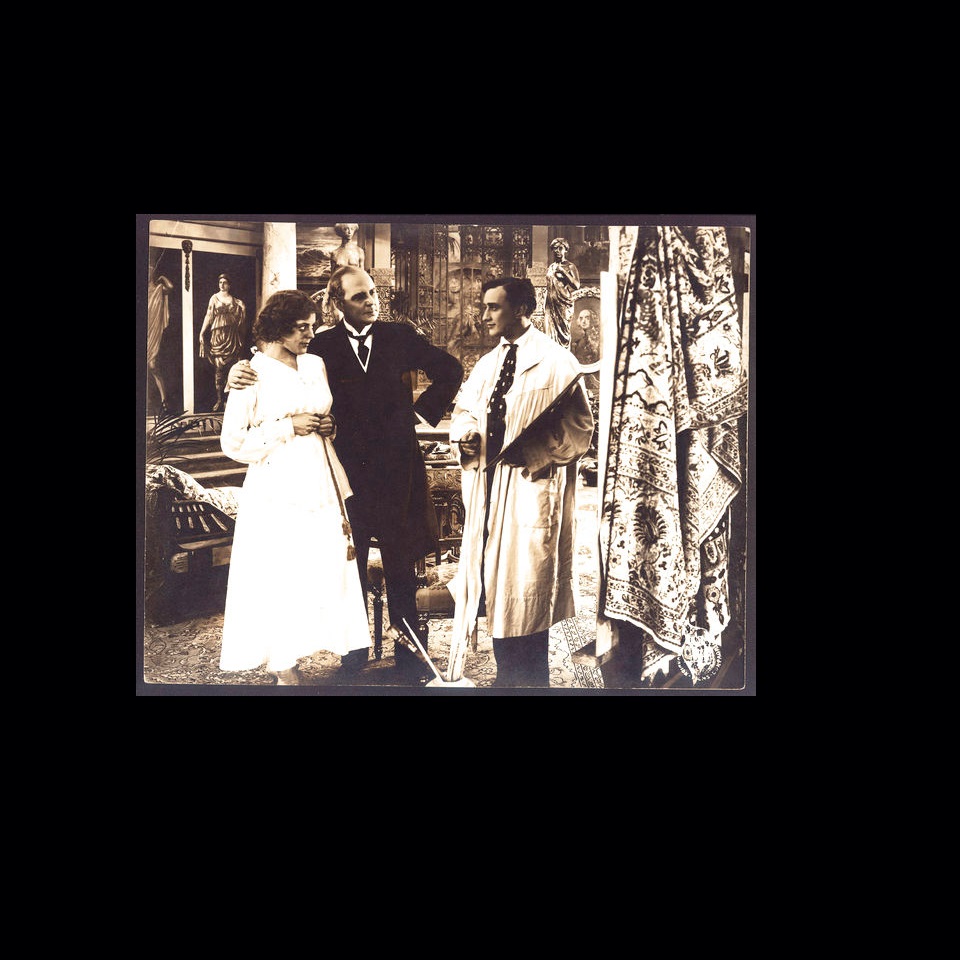
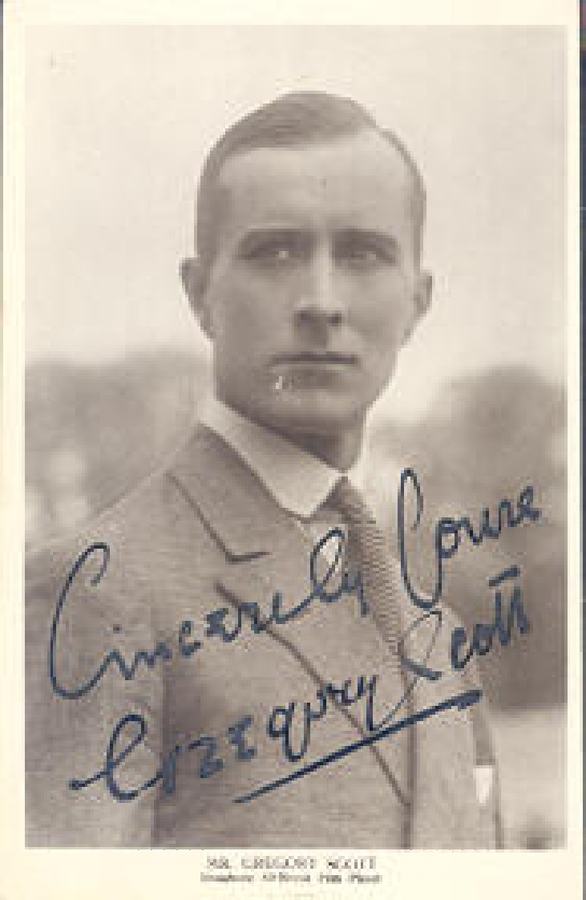
The success of 'The Black Night' hinges significantly on the compelling performances of its lead actors, Joseph R. Tozer and Gregory Scott. Tozer, in particular, delivers a masterclass in nuanced portrayal, embodying the tormented nobleman with a gravitas that is both commanding and deeply vulnerable. His transformation from a man of privilege to a desperate imposter is not merely physical; it's a profound psychological shift that he conveys with remarkable subtlety. The audience witnesses the internal struggle etched onto his face—the fear, the resolve, the moral quandaries—all without the aid of extensive dialogue, relying instead on his expressive eyes and measured movements. This kind of performance, where internal turmoil is externalized with such precision, is a hallmark of truly great acting, drawing parallels to the understated intensity seen in more character-driven dramas of the era.
Gregory Scott, though perhaps in a role of lesser screen time, provides a crucial counterpoint, his presence anchoring the criminal underworld with a tangible sense of menace and authenticity. The dynamic between Tozer's disguised nobleman and the various figures of the underworld, often personified by Scott's chilling portrayal, creates a palpable tension that permeates every scene. It's the contrast between their worlds, brought to life by their distinct acting styles, that truly elevates the film. The subtle interplay of power, fear, and deception is exquisitely rendered, making every encounter a high-wire act. The cast, under Louis N. Parker's guiding hand, manages to convey the narrative's complexities with a raw, visceral energy that few films of its time achieved, creating a truly immersive experience that resonates long after the credits roll.
Louis N. Parker's contribution as the writer cannot be overstated. His script for 'The Black Night' is a masterclass in building suspense and developing character through action rather than exposition. The plot is meticulously constructed, each twist and turn serving to heighten the stakes and deepen our understanding of the protagonist's desperate plight. Parker avoids the pitfalls of melodrama, opting instead for a gritty realism that grounds the extraordinary premise in believable human emotion. The dialogue, sparse but impactful, reveals character and advances the plot with remarkable efficiency, a stark contrast to some of the more verbose productions of the period. This economy of storytelling is one of the film's greatest strengths, allowing the visual narrative and the actors' performances to carry much of the emotional weight.
Parker's genius lies in his ability to weave a tale that is both thrillingly intricate and deeply resonant. He explores the societal pressures that drive individuals to desperate acts, the hypocrisy inherent in class structures, and the universal human desire to protect one's loved ones, even at great personal cost. The narrative arc, from initial shock to audacious deception and eventual confrontation, is expertly paced, maintaining a relentless grip on the audience's attention. It's a testament to his skill that the film feels remarkably modern in its psychological depth and narrative sophistication, standing shoulder to shoulder with complex thrillers from later eras. One might even draw a thematic parallel to the intricate web of deceit and honor explored in The Game of Three, albeit with a more singular focus on personal sacrifice.
To truly appreciate the brilliance of 'The Black Night', it's beneficial to place it within the broader tapestry of cinematic history. While its specific premise is unique, its thematic explorations resonate with other notable works of its time and beyond. The stark portrayal of the criminal underworld, for instance, finds a grim echo in the shadowy alleys and dangerous characters depicted in In the Clutches of the Paris Apaches, though 'The Black Night' injects a more personal, high-stakes motivation into its protagonist's foray into danger. Both films delve into the underbelly of urban life, but 'The Black Night' distinguishes itself by having a 'respectable' figure deliberately cross that threshold.
The theme of identity manipulation and desperate measures to protect one's name also brings to mind films like The Man Trail, where characters often find themselves in situations requiring cunning and disguise. However, 'The Black Night' elevates this theme by juxtaposing it against an aristocratic backdrop, making the fall from grace all the more precipitous and psychologically taxing. The internal conflict of the nobleman, forced to become something he despises, is a profound study in moral elasticity.
The film's exploration of societal expectations and the hidden lives people lead behind their public facades is particularly poignant. The nobleman's desperate act is a direct consequence of a society that values appearances above all else. This resonates with the implicit critiques of class and reputation found in films like The House of Temperley, where familial honor and societal standing are paramount, often leading to personal sacrifices. Yet, 'The Black Night' pushes this further, suggesting that the lengths to which one must go to maintain these facades can be truly destructive, forcing individuals into morally compromising situations that challenge their very essence.
Furthermore, the film's intense focus on a single, all-consuming objective—retrieving the letters—gives it a relentless drive that can be seen in other focused narratives of the era. While films like Jane might explore romantic entanglements with a lighter touch, 'The Black Night' is a stark, almost brutal examination of a singular, desperate quest. Even the grand narratives of historical epics like The Triumph of an Emperor, which deal with external victories, stand in thematic contrast to the internal, moral battle waged by our protagonist. His triumph, if it comes, will be a deeply personal and perhaps morally ambiguous one, not a public spectacle.
The exploration of female vulnerability and the societal pressures placed upon women, even if secondary to the main plot, also merits consideration. The wife's letters are the catalyst for the entire dramatic arc, highlighting how a woman's reputation could be devastatingly weaponized. This theme, of women caught in the crosshairs of societal judgment, is subtly present, much like the undercurrents of romantic and social predicaments faced by characters in films such as The Pretty Sister of Jose or even the dramatic challenges faced by the titular character in Lydia Gilmore, though 'The Black Night' approaches it with a darker, more cynical lens.
The film also subtly touches upon the vast disparities between wealth and poverty, the chasm separating the opulent lives of the aristocracy from the desperate existence of the criminal class. This social commentary, though not overtly didactic, forms the essential backdrop against which the nobleman's transformation plays out. In this regard, it offers a stark contrast to films like Le nabab, which might focus on the acquisition or loss of wealth, whereas 'The Black Night' explores the moral cost of attempting to bridge these social divides, even temporarily and for noble intentions. It demonstrates that the 'black night' is not just a metaphor for the protagonist's journey, but also for the moral obscurity that can envelop any segment of society, regardless of status. Even seemingly disparate narratives like The Romance of the Utah Pioneers, with its focus on community building, or Birth of Democracy, exploring grand political shifts, highlight the film's unique strength in zooming in on the intensely personal, almost claustrophobic struggle of one individual against overwhelming odds, a micro-drama against a macro-world.
Ultimately, 'The Black Night' stands as a compelling testament to the power of early cinema to craft narratives of profound psychological depth and thrilling suspense. It is a film that defies easy categorization, blending elements of crime drama, social commentary, and character study into a seamless whole. The performances of Joseph R. Tozer and Gregory Scott, guided by Louis N. Parker's taut script, remain captivating, drawing viewers into a world where honor is a fragile commodity and identity a fluid concept. The film's enduring appeal lies not just in its intricate plot, but in its unflinching examination of human nature when confronted with impossible choices. It forces us to ask what we ourselves would sacrifice, what lines we would cross, to protect those we hold dear and the life we have built. It's a dark, brooding masterpiece that casts a long shadow, reminding us that the human heart, even when cloaked in nobility, is capable of both immense sacrifice and terrifying desperation.
While it might not possess the fantastical elements of The Fairy and the Waif or the overt dramatic flair of Vampyrdanserinden, its strength lies in its grounded, yet utterly extraordinary, portrayal of a man pushed to his limits. It’s a film that demands reflection, a narrative that lingers, prompting contemplation on the nature of morality and the societal pressures that can contort it. For anyone seeking a classic film that transcends mere entertainment to offer a potent commentary on the human condition, 'The Black Night' is an absolute must-see, a rare gem that continues to illuminate the darker corners of the human psyche with chilling precision.
IMDb 6.5
1934
Community
Log in to comment.