DbcultAccessing Vault...
6.3/10
Senior Film Conservator
A definitive 6.3/10 rating for a film that redefined the boundaries of cult cinema. Le mariage de Mademoiselle Beulemans remains a cornerstone of transgressive art.
Is Le mariage de Mademoiselle Beulemans worth watching today? The short answer is a qualified yes, particularly for those with a strong appreciation for early sound cinema and a genuine curiosity for cultural comedies of the past.
This film is an absolute treat for cinephiles interested in the evolution of French-language cinema, the dawn of romantic comedies, and charmingly preserved period pieces. However, it will likely feel slow and perhaps even bewilderingly quaint for viewers accustomed to contemporary pacing, rapid-fire dialogue, and modern comedic sensibilities. If you demand immediate gratification or slick, modern production values, this is decidedly not for you.
This film works because of its undeniable charm, the vibrant, committed performances that anchor its comedic heart, and its fascinating snapshot of early 20th-century Brussels culture. It captures a specific time and place with an earnestness that feels both nostalgic and, at times, surprisingly relatable.
This film fails because its pacing is distinctly of its era, which can test the patience of modern audiences, and some of its humor relies on cultural stereotypes that might not universally translate or resonate with contemporary viewers. The technical limitations of early sound recording are also evident, occasionally impacting clarity.
You should watch it if you appreciate historical cinema, enjoy character-driven comedies that lean into cultural clashes, or have an interest in the formative early works of a director like Julien Duvivier.
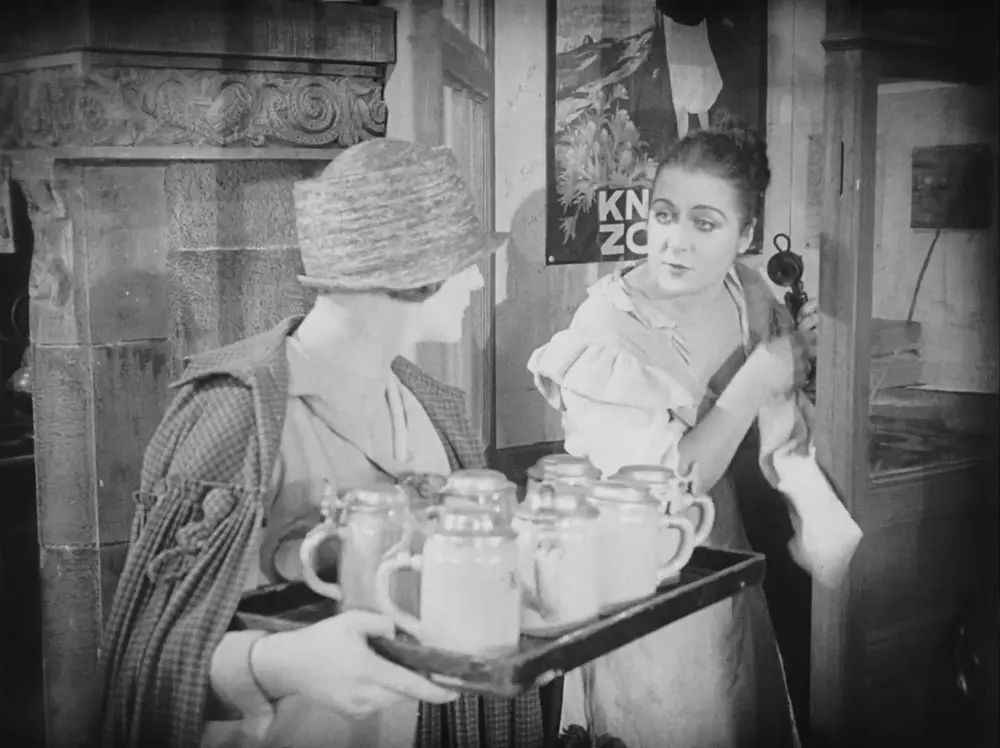
Le mariage de Mademoiselle Beulemans, a delightful adaptation of a popular Belgian play, plunges us headfirst into the boisterous world of the Beulemans family, proprietors of a celebrated Brussels restaurant. At the heart of this domestic comedy is Suzanne Beulemans (Suzanne Christy), a young woman of independent spirit who finds herself at a pivotal moment in her life. Her father, Monsieur Beulemans (Gustave Libeau), is a man of immense pride, deeply rooted in Brussels traditions, and possessing a booming personality to match his considerable girth.
Monsieur Beulemans has a clear vision for his daughter's future: she is to marry a local boy, someone who understands and respects the customs, the language, and the very soul of Brussels. This union would not only ensure the continuation of his family's legacy but also reinforce the tightly knit community fabric he holds so dear. The stage is set for a predictable, albeit comfortable, match.
However, Suzanne’s heart, much to her father's dismay and the local suitors' chagrin, has been captured by Albert Delpierre (René Lefèvre), a dashing and sophisticated young man from Paris. This Parisian interloper represents everything Monsieur Beulemans instinctively distrusts: an outsider, a representative of a culture he views with both suspicion and a touch of envy.
The film thus becomes a charming, often uproarious, exploration of this cultural clash. It’s a battle of wits, wills, and regional pride, as Suzanne navigates the formidable expectations of her family and community while trying to assert her own desires. The restaurant itself, a hub of activity and local gossip, serves as the perfect microcosm for this broader societal conflict, with every meal, every conversation, and every flirtation contributing to the unfolding drama.
The narrative, while simple, is robust enough to carry the film's comedic weight. It thrives on the authentic depiction of its characters and their deeply ingrained cultural biases. We see the humor in Monsieur Beulemans's stubbornness, the charm in Suzanne's quiet rebellion, and the almost alien quality of Albert's Parisian elegance amidst the hearty Brussels milieu. It’s a premise that has been revisited countless times in cinema, but here, it possesses a unique, early-20th-century flavor.
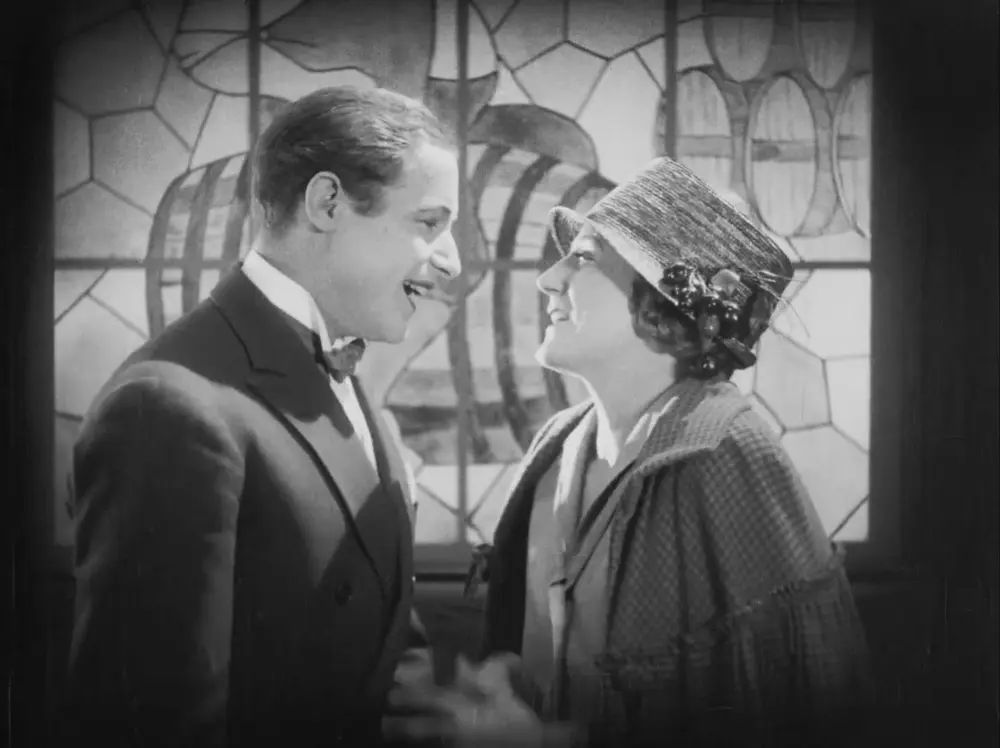
The true strength of Le mariage de Mademoiselle Beulemans lies squarely in the shoulders of its cast, particularly Gustave Libeau as Monsieur Beulemans. Libeau embodies the character with such gusto and authenticity that he practically leaps off the screen. His performance is a masterclass in theatrical bluster, a man whose pride in his Brussels heritage is as expansive as his waistline. Every gesture, every booming declaration, every exasperated sigh contributes to a character who is both overbearing and utterly endearing. One particular scene where he attempts to intimidate Albert with a list of local virtues versus Parisian vices is a comedic highlight, showcasing Libeau's ability to command attention with sheer force of personality.
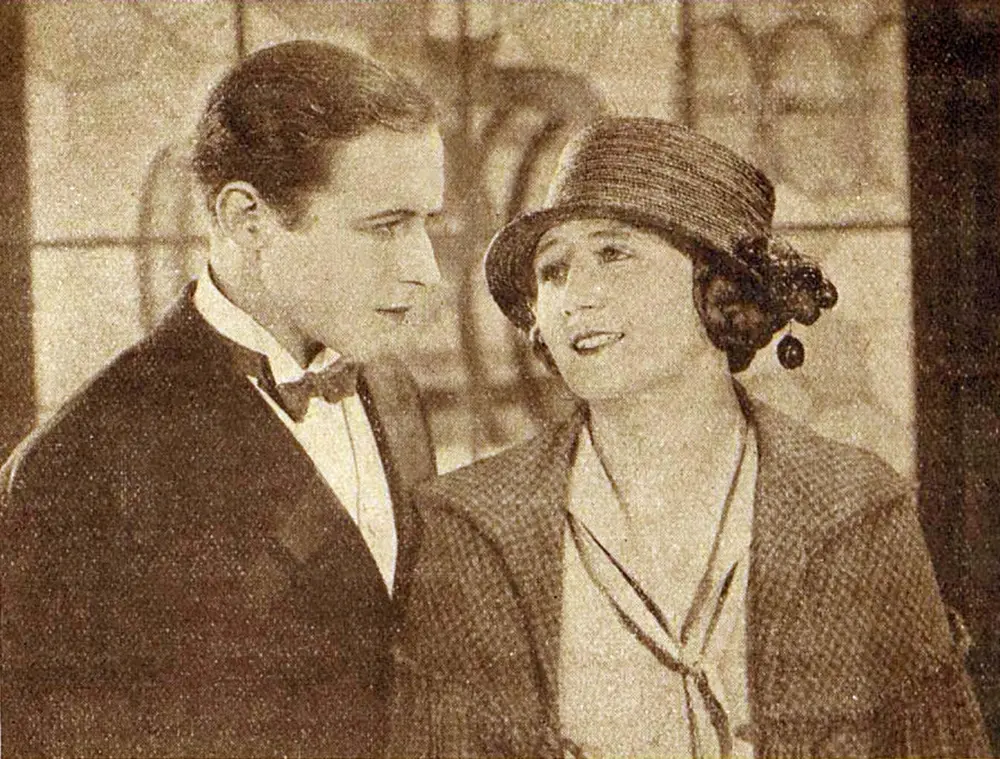
Suzanne Christy, as the titular Mademoiselle Beulemans, provides a wonderfully understated counterpoint to Libeau’s bombast. Her Suzanne is not a rebellious firebrand, but a young woman of quiet determination and inner strength. She navigates her father’s demands with a delicate balance of respect and subtle defiance. Christy’s portrayal ensures that Suzanne is not merely a prize to be won but an active participant in her own destiny, her eyes often conveying more than words. Her scenes with René Lefèvre, as the Parisian suitor Albert Delpierre, spark with a gentle, believable chemistry.
René Lefèvre, a familiar face in French cinema of the era, brings a sophisticated charm to Albert. He is the quintessential Parisian gentleman, suave and witty, yet never condescending. His interactions with the Beulemans family are a constant source of humor, as he deftly deflects Monsieur Beulemans’s jabs and wins over Suzanne with his easygoing demeanor. Lefèvre’s performance is crucial in making Albert a sympathetic, rather than arrogant, figure, ensuring the audience roots for the outsider.
The supporting cast, including Jane Pierson as Madame Beulemans, provides a rich tapestry of local characters. Pierson’s Madame Beulemans is the long-suffering, pragmatic wife, often caught in the crossfire of her husband’s theatrics. Her quiet exasperation and occasional bursts of common sense add another layer of authenticity to the family dynamic. The ensemble works cohesively, each member understanding their role in the larger comedic framework, which is a testament to the direction and the strength of the original stage material.
The performances in this film elevate what could have been a simple, stage-bound comedy into a genuinely engaging experience. The actors, particularly Libeau, bring an infectious energy that is truly timeless.
Julien Duvivier, even in this relatively early stage of his prolific career, demonstrates a clear command of storytelling, albeit within the technical constraints of the nascent sound era. Having already directed films like Les cinq gentlemen maudits, Duvivier was no stranger to adapting literary works, and here, he brings a theatrical sensibility to the screen that is both a strength and, at times, a limitation.
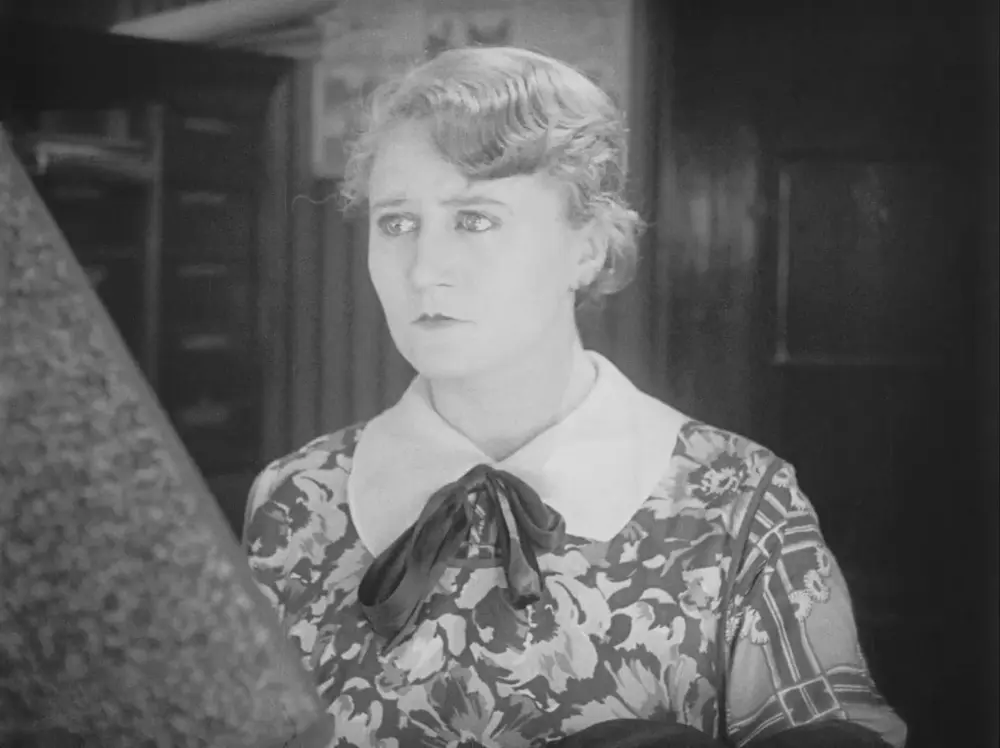
The film’s stage origins are evident in its static camera work and reliance on dialogue, a common characteristic of early talkies. Duvivier largely adheres to the proscenium arch presentation, often framing scenes as if viewed from a theater seat. However, within these limitations, he manages to inject vitality. He uses close-ups strategically to emphasize character reactions, particularly Monsieur Beulemans's indignant expressions or Suzanne's wistful glances.
Duvivier's direction excels in capturing the bustling atmosphere of the Beulemans restaurant. The kitchen scenes, though simple, feel alive with activity, suggesting a vibrant world beyond the immediate dialogue. He allows the actors ample space to perform, understanding that the comedic power lies in their interactions and exaggerated mannerisms. This hands-off approach, letting the strong source material and performances shine, works remarkably well for the film’s genre.
While not as visually innovative as some of his later works, Duvivier's hand is noticeable in the film's consistent tone and the clear delineation of its cultural conflict. He doesn't shy away from the broad strokes of the comedy, but he also ensures that the heart of the story – Suzanne’s predicament – remains central. The director’s ability to manage a large ensemble and maintain a coherent narrative flow, despite the technical hurdles of the time, speaks to his burgeoning talent.
The pacing of Le mariage de Mademoiselle Beulemans is, without a doubt, a product of its time. It unfolds at a leisurely, deliberate rhythm that might initially test the patience of contemporary viewers. There are no quick cuts, no rapid-fire scene changes; instead, Duvivier allows scenes to breathe, letting conversations play out in full, and giving the audience ample time to absorb the cultural nuances and character interactions. This isn't a flaw, but a characteristic that requires a shift in viewing expectations. It’s a film that asks you to slow down and immerse yourself in its world.
The tone is consistently light-hearted and comedic, leaning heavily on situational humor and the clash of personalities. The humor is gentle, often deriving from misunderstanding, cultural pride, and the endearing stubbornness of Monsieur Beulemans. It's a comedy of manners, albeit one played with a distinctly Belgian flavor, rather than a farce or a slapstick spectacle. There’s a warmth to the humor that prevents it from ever feeling mean-spirited, even when characters are at odds.
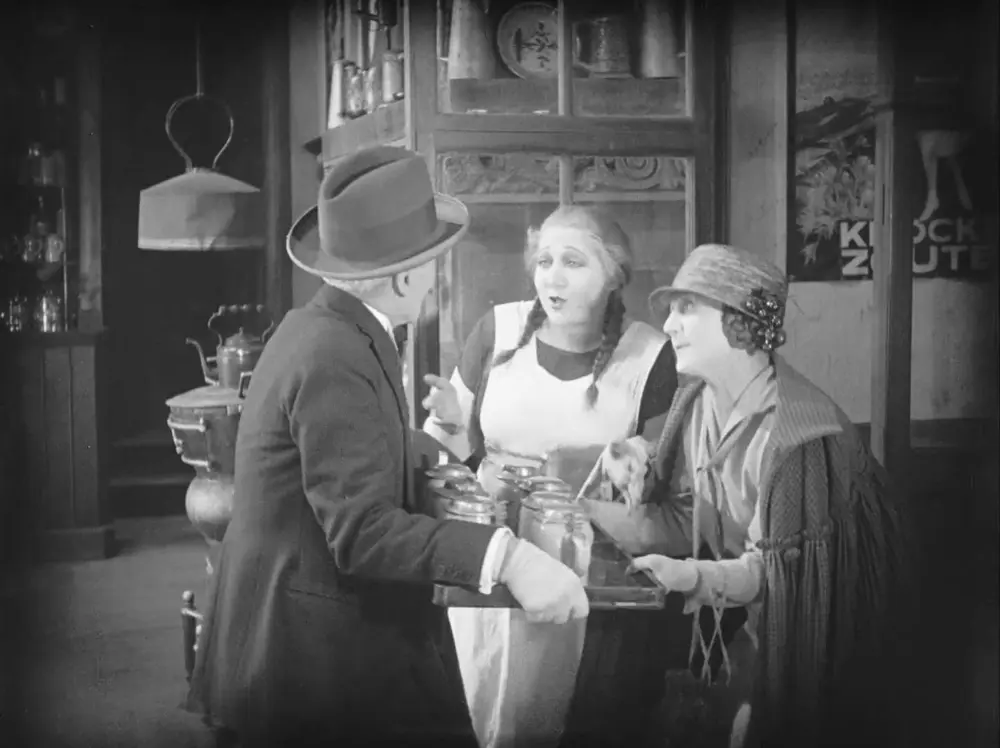
The film maintains this consistent tone throughout, creating a comfortable and predictable viewing experience. This predictability is not a weakness; rather, it’s part of the film's charm. You know, broadly, where the story is heading, but the joy comes from witnessing the journey, the specific comedic beats, and the delightful performances that bring it to life. It’s a film designed to entertain and amuse, rather than challenge or provoke, and in that regard, it absolutely succeeds.
Given that Le mariage de Mademoiselle Beulemans hails from the early sound era, its cinematography is understandably constrained by the technology of the time. Cameras were bulky and often locked down in soundproof booths, leading to a generally static visual style. However, within these limitations, the film manages to create a vivid sense of place, primarily through its effective production design and careful framing.
The Beulemans restaurant set is the star of the production design. It feels lived-in and authentic, complete with bustling kitchen, a lively dining room, and the proprietor's office. Details like the framed awards, the overflowing wine bottles, and the specific table settings contribute significantly to the film’s immersive quality. It’s clear that considerable effort went into creating a believable environment that reflects the Beulemans’ social standing and their dedication to their craft. This detailed setting helps to ground the comedic situations in a tangible reality.
While dynamic camera movements are rare, Duvivier and his cinematographer make good use of depth within the frame. We often see characters in the foreground engaged in dialogue, while background activity in the restaurant or kitchen adds a layer of visual interest and reinforces the film’s bustling atmosphere. This simple technique prevents the film from feeling entirely flat, despite its technical limitations. The lighting is functional, designed to illuminate the actors and sets clearly, rather than to create dramatic effect, which is typical for films of this period.
The visual aesthetic, while not groundbreaking, is effective in transporting the viewer to early 20th-century Brussels. It's a testament to how even with rudimentary tools, filmmakers could evoke a strong sense of time and place through thoughtful set dressing and careful composition. The film doesn't aim for visual spectacle but for an honest, theatrical representation of its world.
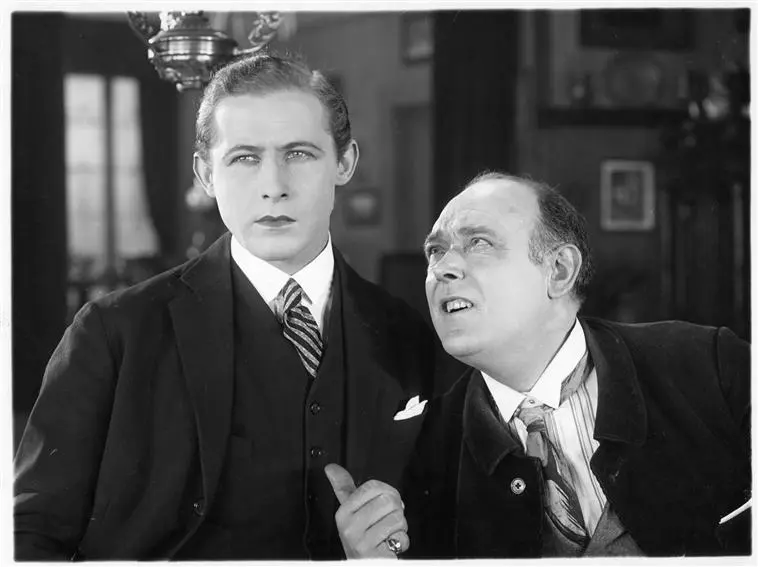
Beyond its comedic elements, Le mariage de Mademoiselle Beulemans functions as a fascinating cultural time capsule. It offers a window into the regional pride and subtle rivalries that existed between Brussels and Paris in the early 20th century. Monsieur Beulemans's staunch defense of all things Belgian against the perceived frivolity or arrogance of Parisian culture is a recurring comedic motif, but it also reflects genuine sentiments of the era. The film playfully exaggerates these differences, but the underlying cultural identity is palpable.
The film also provides insights into the social conventions of the time, particularly surrounding marriage, family expectations, and the role of women. Suzanne’s desire to choose her own partner, even if that partner is an outsider, represents a quiet challenge to patriarchal traditions. While not a feminist manifesto, her journey hints at the evolving social landscape, where individual desires were beginning to contend with established norms.
The depiction of the restaurant as a social hub is also noteworthy. It's not just a place for dining but a site for business dealings, gossip, and community gatherings. This highlights the central role such establishments played in urban life before mass media and other forms of entertainment became prevalent. The film captures the charm of a bygone era where local establishments were truly the heart of the community, fostering both camaraderie and petty rivalries.
Does Le mariage de Mademoiselle Beulemans still hold up for a modern audience? It works. But it’s flawed. Its charm is undeniable, particularly if one approaches it with an appreciation for historical cinema. The humor, though dated in its delivery, still lands because it's rooted in universal human traits: pride, love, stubbornness, and the perennial clash between tradition and modernity. The performances, especially Libeau's, are so robust that they transcend the years.
The biggest hurdle for modern viewers isn't the plot, which is simple and engaging, but the sheer, unyielding pace. This is a film that takes its time, allowing scenes to unfold slowly, which can feel alienating in an age of instant gratification. However, for those willing to adjust their expectations, there’s a genuine delight to be found. It offers a refreshing change from the frenetic energy of contemporary comedies, inviting a more contemplative, appreciative viewing experience. It's not a forgotten gem in the sense of being a groundbreaking technical achievement, but it is a delightful curiosity, a charming artifact that still has something to say about human nature and cultural identity.
Le mariage de Mademoiselle Beulemans is not a film that will redefine your cinematic landscape, nor is it a forgotten masterpiece waiting to be rediscovered by the masses. Instead, it is a charming, often delightful, and historically significant piece of early French-language cinema. It offers a warm, inviting glimpse into a specific time and place, brought to life by genuinely engaging performances that transcend the film's technical limitations.
For those with the patience and inclination to step back in time, this film provides a rewarding experience. It's a testament to the enduring appeal of character-driven comedy and the timeless struggle between tradition and personal desire. While it won't appeal to everyone, its unique blend of cultural commentary, gentle humor, and historical context makes it a valuable watch for the discerning cinephile. Give it a chance, and you might just find yourself charmed by the Beulemans family and their bustling Brussels world.
IMDb 5.3
1931
Community
Log in to comment.