DbcultAccessing Vault...
6.5/10
Senior Film Conservator
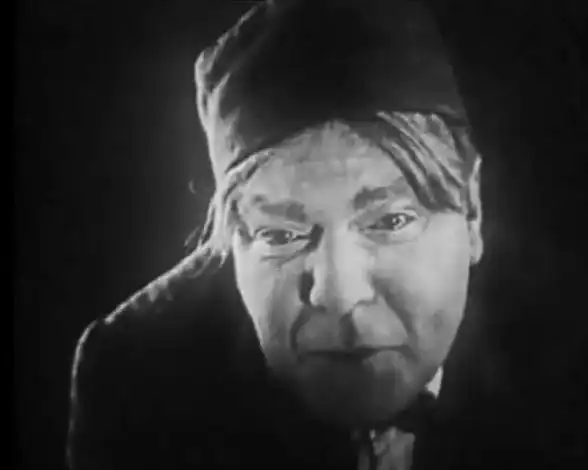
A definitive 6.5/10 rating for a film that redefined the boundaries of cult cinema. Le tourbillon de Paris remains a cornerstone of transgressive art.
If you have a soft spot for silent-era melodrama where people look intensely at letters for three minutes straight, you’ll probably find something to like in Le tourbillon de Paris. It’s for the kind of person who enjoys watching Lil Dagover be miserable in expensive furs. If you want a fast-paced thriller, stay away. This movie takes its time getting out of the house, but once it hits Paris, it finally finds its pulse.
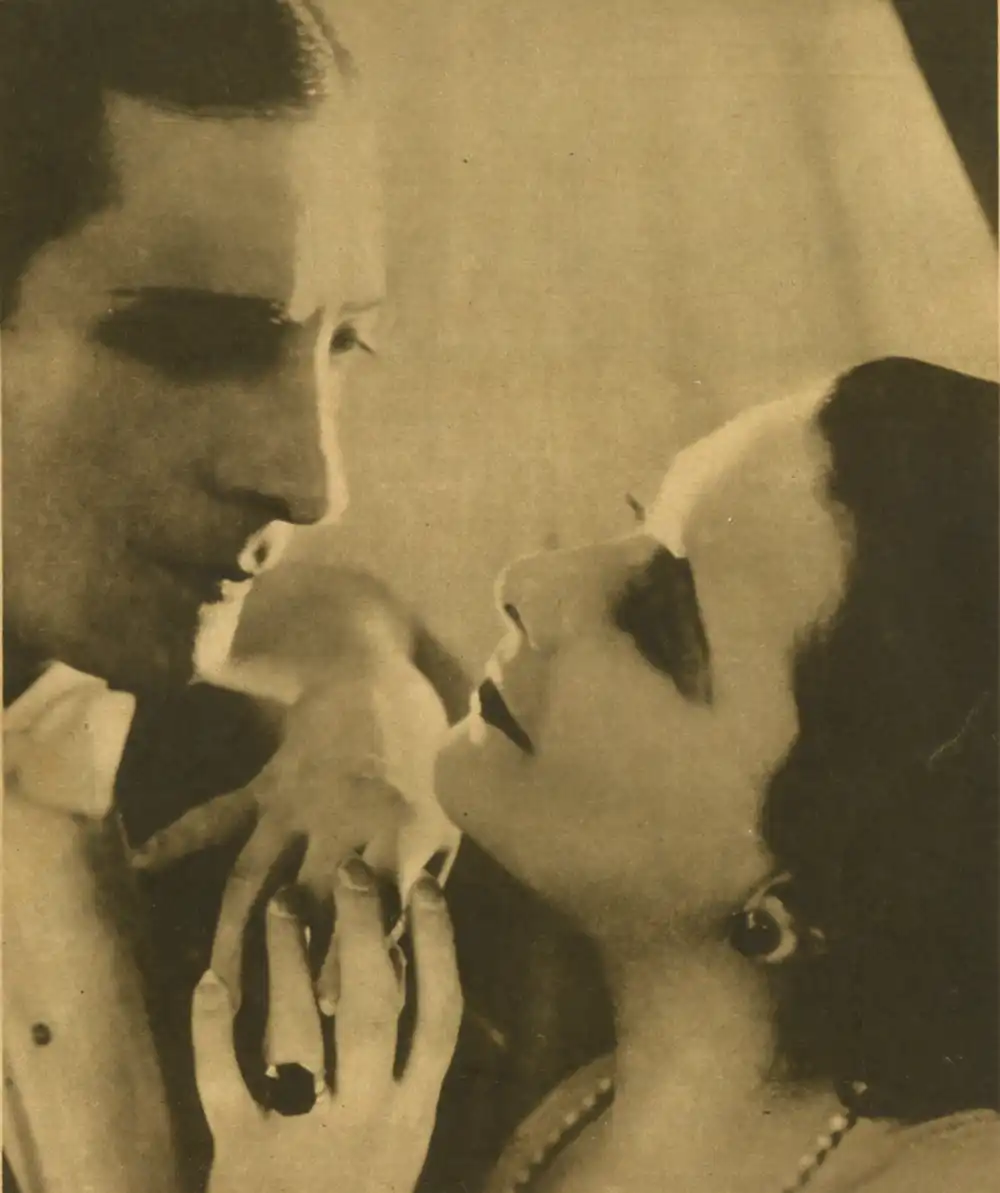
The whole thing starts in Scotland, or at least the movie's version of Scotland, which mostly consists of thick mist and people wearing too much wool. Lil Dagover plays an opera singer who married a Scottish Lord, and you can tell within the first five minutes that she regrets every second of it. The way she looks at her husband—this elderly guy who seems mostly interested in sitting very still—is hilarious. She doesn’t just look bored; she looks like she’s calculating the exact weight of the fireplace poker.
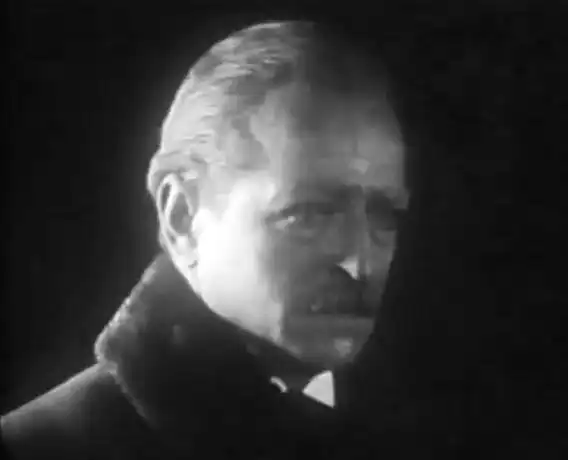
There is this one shot early on where she’s staring out a window at the fog. It lingers for so long that I started checking my own reflection in the screen. It’s supposed to be atmospheric, but it just feels like the director, Julien Duvivier, was waiting for the lighting to change and forgot to tell the actors to move. It’s awkward, but in that specific silent-film way that makes you feel the isolation of the character.
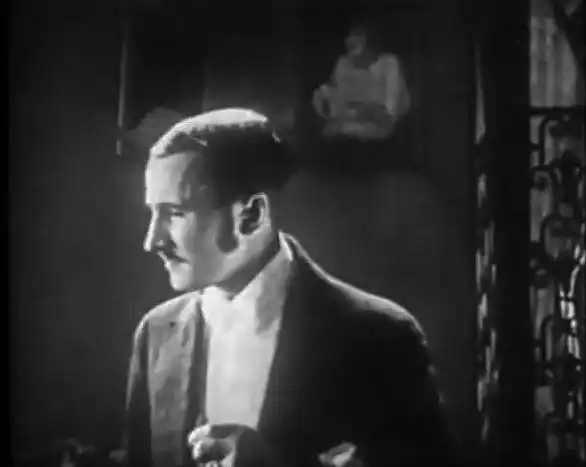
The movie gets significantly better once she decides she’s had enough and bolts for Paris. The title translates to 'The Whirlwind of Paris,' and Duvivier actually tries to make the camera feel like a whirlwind. Compared to the stiff, static shots in the Scottish castle, the Paris scenes are a mess of double exposures, quick cuts, and shaky handheld-style movements. It’s a bit jarring. One second you're watching a slow-paced domestic drama, and the next, it feels like the editor had four espressos and started hacking at the film strips.
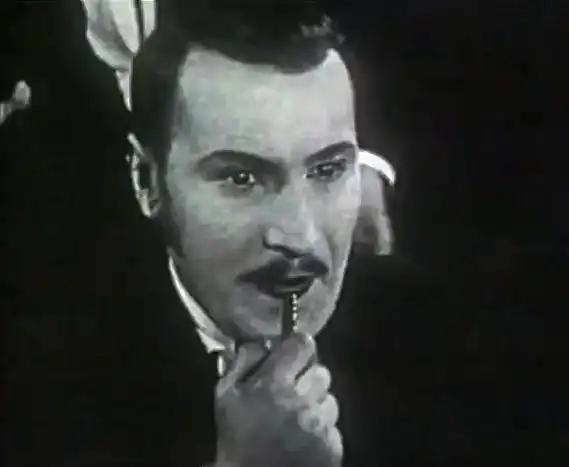
I noticed a weird detail during the first big stage performance scene. There’s a background extra, a guy playing a stagehand, who is clearly looking directly at the camera with a 'what am I doing here?' expression. It’s the kind of thing you only catch if you aren’t swept up in the 'grandeur' of the opera, but it made me like the movie more. It felt human. The costumes in these scenes are also wild—Dagover wears this one headpiece that looks like a metallic bird nested in her hair. I spent ten minutes wondering how she kept her neck straight.
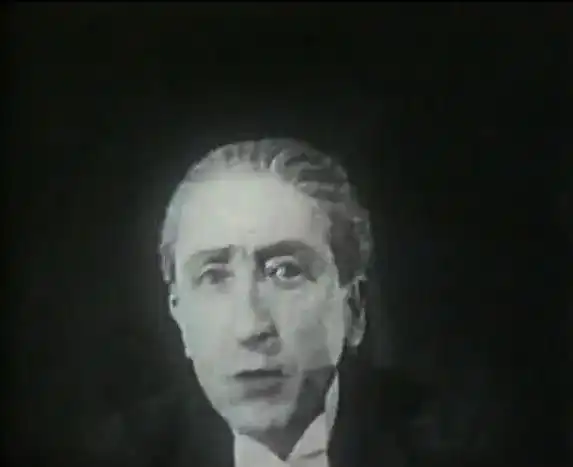
The chemistry between Dagover and her husband is non-existent, which I guess is the point, but it makes the 'conflict' feel a bit lopsided. You never for a second believe she’d stay. It’s not like Outcast where there’s a genuine pull between different lives; here, Scotland is just a gray box she’s trying to escape. Even the Lord’s attempts at being 'kind' just come across as him being incredibly dull.
There’s a scene in a dressing room where she’s surrounded by flowers from admirers. The lighting is strangely harsh, hitting the petals so hard they look like they’re made of white plastic. It’s a messy shot, but it captures that suffocating feeling of being 'adored' but not really seen. Duvivier has a knack for these small, cluttered frames that feel like they’re closing in on the actors.
The pacing is a bit of a disaster, honestly. The middle section where they argue about her career goes on for about three title cards too many. We get it: he wants a housewife, she wants the applause. It reminded me of the social friction in The Talk of the Town, but without the witty back-and-forth to keep the engine running. In 1928, you just had to rely on Dagover’s eyes, which, to be fair, are doing about 70% of the heavy lifting in this film.
I also couldn’t stop looking at the makeup. In some of the close-ups, the greasepaint is so thick it looks like a mask. It gives the whole 'Paris' section this slightly ghostly, unreal quality. It works for the theme of her returning to a 'fake' world, but I suspect it was just the standard lighting setup of the time being a bit unforgiving.
Is it a masterpiece? No. But the visual shift from the stagnant Scottish scenes to the frantic energy of the theater is a cool trick. It’s a very specific kind of film—one that feels like it’s trying to break out of the stage-play style that was still hanging around in the late 20s. It’s much more experimental than something like Beverly of Graustark, which feels like a polished product by comparison. This feels like a director playing with his toys and occasionally forgetting to check if the plot makes sense.
The ending is abrupt. Like, really abrupt. It just sort of stops after a big emotional beat, leaving you wondering if a reel got lost or if Duvivier just figured we’d seen enough. It’s unsatisfying, but in a way that fits the 'whirlwind' theme. You’re in, you’re dizzy, and then it’s over.
IMDb 5.6
1932
Community
Log in to comment.