Is Kvick som Blixten worth watching today? Short answer: yes, but with significant caveats that demand a specific palate. This film is a delightful, nostalgic trip for those who appreciate the gentle rhythms of early 20th-century Swedish cinema and the unique charm of its stars, particularly Edvard Persson, but it will undoubtedly test the patience of modern viewers accustomed to faster pacing and more complex narratives.
It's a film designed for a bygone era, a cinematic comfort food for its original audience, and it retains a certain quaint appeal for contemporary cinephiles with a deep appreciation for historical context. However, it is decidedly not for those seeking high-octane entertainment, intricate plot twists, or even a consistently laugh-out-loud comedic experience. Its humor is subtle, its pace deliberate, and its stakes are, for the most part, refreshingly low.
This film works because of its undeniable character chemistry, the genuine warmth of its performances, and its ability to transport the viewer to a simpler, more innocent time.
This film fails because its plot is almost aggressively episodic, lacking a strong central conflict or narrative drive that would resonate with contemporary storytelling expectations.
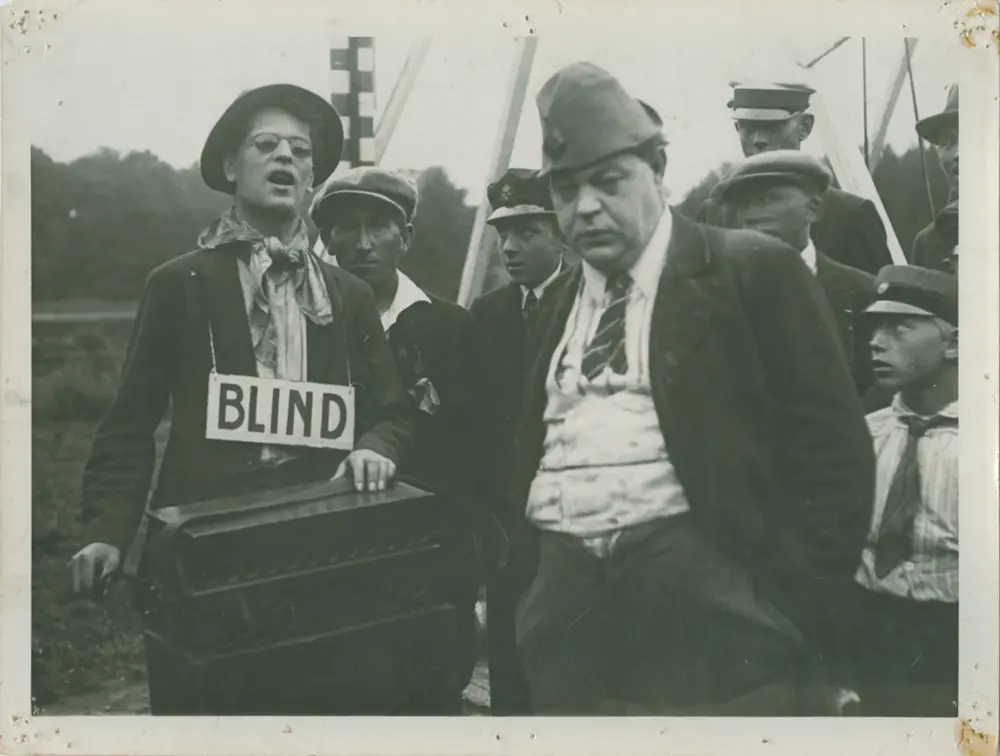
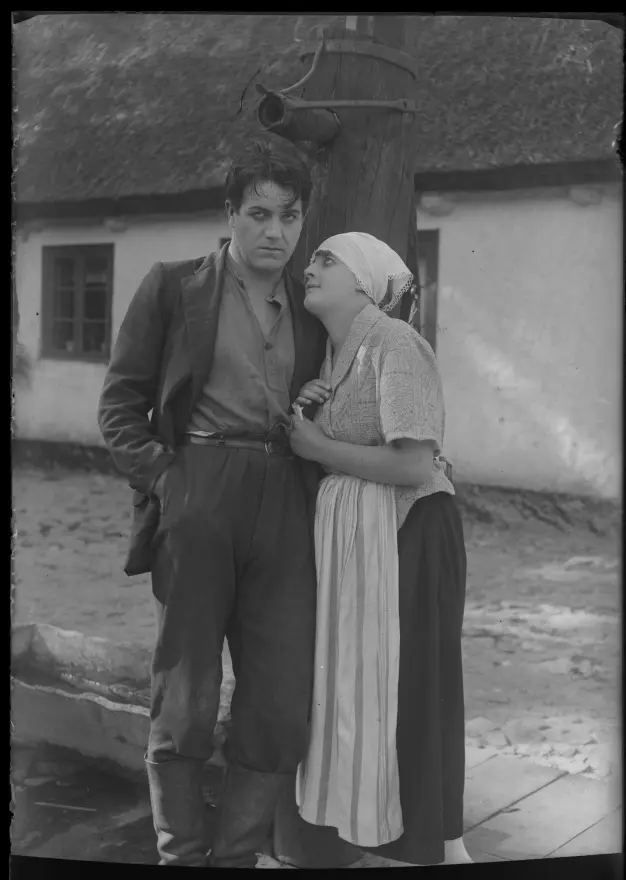
Scene from Kvick som Blixten
Cinematic perspective: Exploring the visual vocabulary of Kvick som Blixten (1927) through its definitive frames.
You should watch it if you are a dedicated fan of classic Swedish cinema, an admirer of Edvard Persson’s unique screen persona, or someone seeking a gentle, undemanding period piece that prioritizes charm over complexity.
The Enduring Charm of Episodic Adventures
“Kvick som Blixten” isn't a film that hinges on a grand narrative or a pivotal, world-altering event. Instead, it revels in the small, the ordinary, and the often humorous incidents that pepper the lives of its two titular friends. The plot, if one can call it that, is a series of vignettes – some more developed than others – showcasing Kvick and Blixten's interactions with their community and each other.
This episodic structure, while a common trait of films from its era, can feel jarring to a modern audience. There's no escalating tension, no overarching mystery to solve, nor a clear antagonist to overcome. Instead, the 'adventures' are often resolved as quickly as they arise, leaving little lasting impact beyond a chuckle or a moment of shared camaraderie between the protagonists. Consider a scene where Kvick and Blixten attempt to outsmart a particularly stubborn goat: the humor is derived purely from their bumbling efforts and exasperated expressions, rather than any significant consequence of their failure or success.
The film's tone is consistently light-hearted, almost whimsical. It never delves into deep emotional territories or dark themes, preferring to maintain a sunny disposition even when its characters face minor setbacks. This unwavering optimism is a double-edged sword; it makes for a pleasant, undemanding watch, but it also means the film rarely achieves any profound emotional resonance. It’s a pleasant afternoon stroll, not a gripping journey.
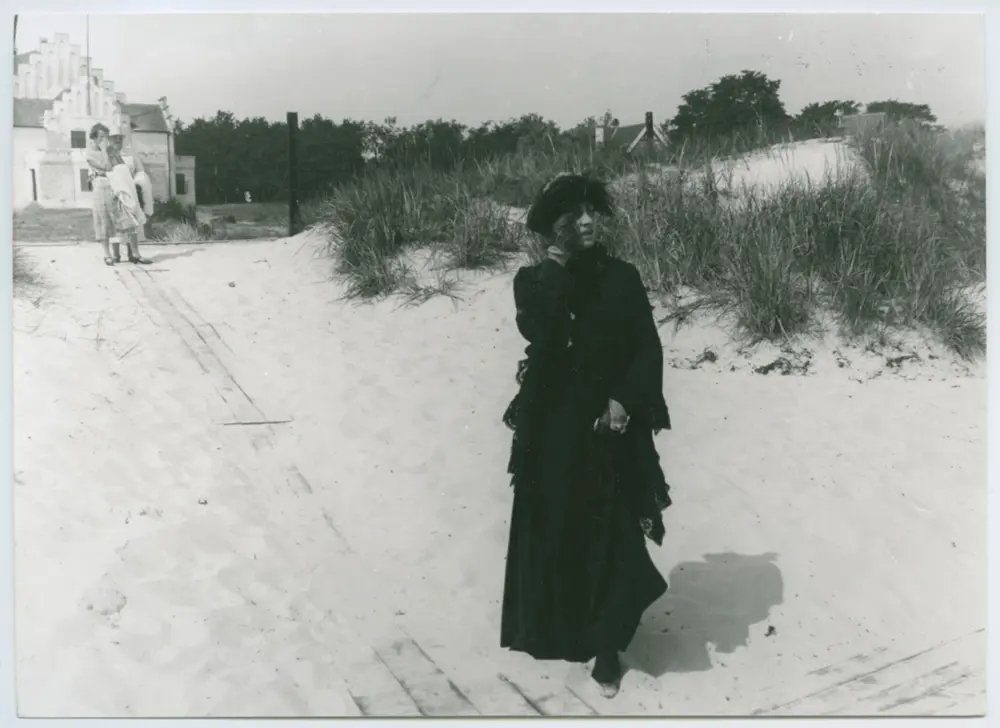
Scene from Kvick som Blixten
Cinematic perspective: Exploring the visual vocabulary of Kvick som Blixten (1927) through its definitive frames.
In an era where films like Söhne der Nacht, 1. Teil: Die Verbrecher-GmbH were exploring more complex criminal underworlds, “Kvick som Blixten” offers a stark contrast, choosing to focus on the idyllic, almost pastoral, side of life. This makes it a fascinating historical artifact, reflecting a particular cultural desire for escapism into simpler narratives during its release.
A Cast of Characters: Performance Analysis
The true strength of “Kvick som Blixten” lies squarely on the shoulders of its lead performers, Edvard Persson and Astrid Marmstedt. Persson, a titan of Swedish cinema, brings his signature blend of folksy wisdom, good-natured humor, and understated charm to Kvick. His presence alone is often enough to elevate even the most mundane scenes. He doesn't just act the part; he embodies the very spirit of the everyman, a figure of comfort and familiarity for Swedish audiences.
For example, in a scene where Kvick is tasked with mending a broken fence, Persson’s physical comedy – his exaggerated sighs, the way he fumbles with tools, and his eventual triumph (or comical failure) – speaks volumes without needing extensive dialogue. It’s this authenticity, this grounded, relatable portrayal, that makes Kvick such an enduring character.
Astrid Marmstedt, as Blixten, provides an excellent foil to Persson's Kvick. Her performance is lively and spirited, injecting a youthful energy that balances Kvick's more measured demeanor. The chemistry between the two is palpable and feels genuinely organic, making their friendship the most compelling aspect of the entire film. Their banter, often subtle and observational, is the engine that drives much of the film's charm.
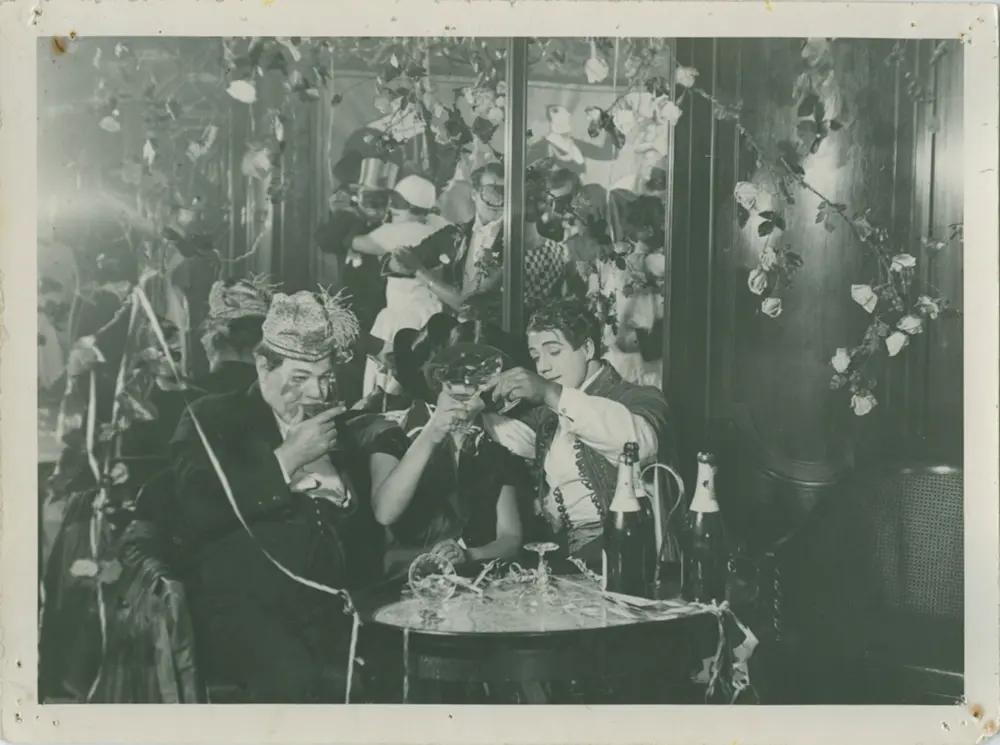
Scene from Kvick som Blixten
Cinematic perspective: Exploring the visual vocabulary of Kvick som Blixten (1927) through its definitive frames.
Adolf Jahr, who also co-wrote the screenplay, appears in a supporting role, adding another layer of familiar talent to the ensemble. While his screen time might be less extensive than Persson's, his contributions are noticeable, often providing the catalyst for one of Kvick and Blixten's minor predicaments or offering a moment of dry wit. The supporting cast, including Torborg Stjerner and Ernst Körner, fill out the world with believable, if sometimes stereotypical, characters, grounding the film in a sense of community.
One unconventional observation: the film’s reliance on its leads’ established personas feels less like a narrative shortcut and more like a comfortable embrace of what the audience came to see. It’s a testament to their star power that the film can sustain itself on their presence alone, even when the plot occasionally falters.
Behind the Camera: Direction and Cinematography
Directed by Adolf Jahr, “Kvick som Blixten” showcases a directorial approach typical of its era – functional, direct, and largely focused on capturing the performances rather than employing elaborate cinematic techniques. The camera work is often static, relying on well-composed medium shots and wider frames to establish the scene. There are few, if any, dynamic tracking shots or complex camera movements that would challenge the audience's perception.
The cinematography, while not groundbreaking, effectively conveys the rustic charm of the Swedish countryside and the quaintness of its small-town settings. Lighting is generally naturalistic, avoiding overt stylization, which contributes to the film's grounded, unpretentious feel. A sequence set by a tranquil lake, for instance, perfectly captures the serene beauty of the landscape, allowing the natural environment to serve as a gentle backdrop to the characters' interactions.
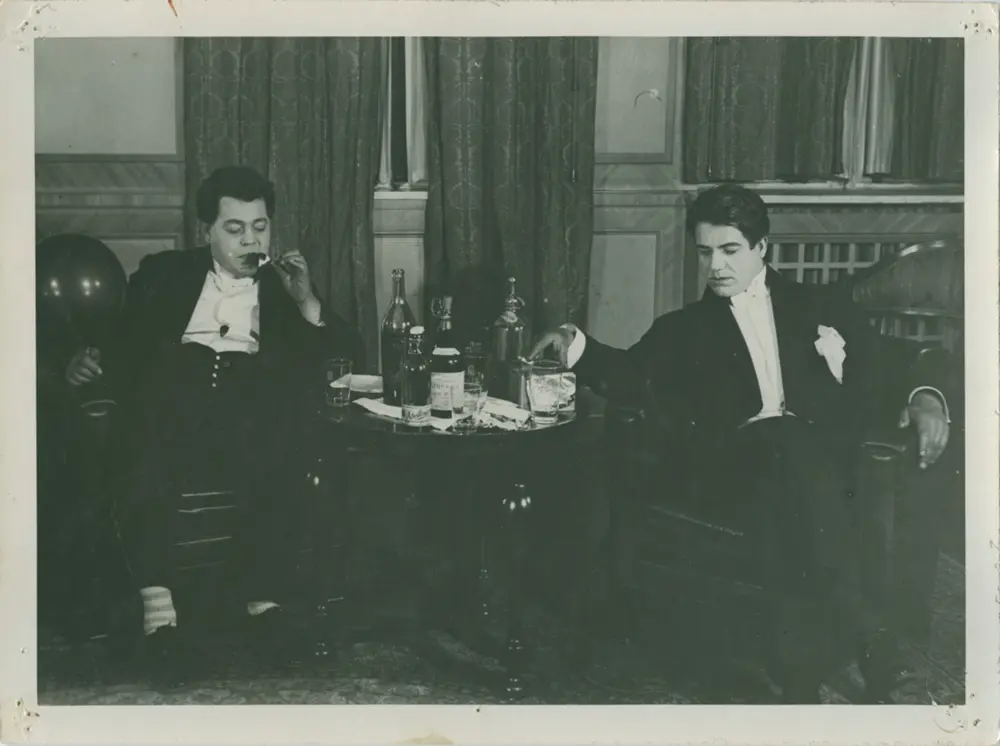
Scene from Kvick som Blixten
Cinematic perspective: Exploring the visual vocabulary of Kvick som Blixten (1927) through its definitive frames.
Adolf Jahr's writing, alongside his directorial duties, prioritizes character and dialogue over intricate plotting. The screenplay allows for moments of quiet reflection and humorous exchanges that feel authentic to the characters, even if they don't always advance a grand narrative. It works. But it’s flawed. The simplicity of the script means that some 'adventures' feel underdeveloped, almost like sketches strung together.
Pacing is, perhaps, the most significant hurdle for a modern viewer. The film takes its time, allowing scenes to unfold at a leisurely pace, which can feel slow by today's standards. There’s a deliberate rhythm that mirrors the unhurried life it portrays. This isn't a criticism of its quality, but an acknowledgment of its historical context. Compared to the often frantic pace of modern comedies, Kvick som Blixten is a gentle stream, not a raging river. One could compare its measured approach to other period pieces like The Return of Mary, which similarly relied on character-driven moments rather than plot propulsion.
Is Kvick som Blixten Worth Watching Today?
Yes, for a very specific audience, this film is absolutely worth watching today.
It serves as an invaluable historical document of Swedish popular cinema.
Scene from Kvick som Blixten
Cinematic perspective: Exploring the visual vocabulary of Kvick som Blixten (1927) through its definitive frames.
Fans of Edvard Persson will find his performance as charming as ever.
Those seeking a quiet, character-focused film will appreciate its gentle humor.
However, if you demand fast pacing, complex plots, or modern comedic sensibilities, you will likely struggle.
Patience is key to appreciating its unique charms.
Pros and Cons
To truly dissect Kvick som Blixten, one must weigh its considerable strengths against its inherent limitations, many of which are a product of its time but still impact its modern viewing experience.
Pros:
Exceptional Lead Performances: Edvard Persson and Astrid Marmstedt deliver genuinely endearing and charismatic performances. Their chemistry is the heart and soul of the film, making every interaction a pleasure to watch. Persson's ability to convey warmth and humor with minimal effort is a masterclass in screen presence.
Charming & Gentle Humor: The film’s humor is never mean-spirited or overly aggressive. It relies on situational comedy, character quirks, and the relatable predicaments of everyday life. This makes for a pleasant, feel-good viewing experience that leaves a lasting sense of warmth.
Historical & Cultural Insight: As a product of its time, the film offers a fascinating glimpse into Swedish rural life, societal values, and popular entertainment of the era. It’s a cultural artifact that provides context for the development of Swedish cinema.
Authentic Sense of Place: The cinematography, while simple, effectively captures the rustic beauty of the settings, creating a believable and inviting world for Kvick and Blixten’s adventures. This contributes significantly to the film’s overall charm and nostalgic appeal, much like the pastoral scenes in Midst Peaceful Scenes.
Undemanding Viewing: Sometimes, a film that doesn't demand intense intellectual engagement or emotional turmoil is precisely what's needed. Kvick som Blixten offers a relaxing, low-stakes escape, a cinematic equivalent of a comfortable armchair.
Cons:
Extremely Episodic Plot: The lack of a strong, overarching narrative is the film's most significant weakness. The 'adventures' feel disconnected, often concluding without significant impact, which can make the film feel disjointed and meandering. It’s a series of sketches, not a cohesive story.
Slow Pacing: The deliberate, unhurried pace will be a major barrier for many modern viewers. Scenes are allowed to unfold at length, which, while contributing to the film’s relaxed tone, can also lead to moments of boredom for those accustomed to faster cuts and quicker narrative progression.
Low Stakes & Predictability: The conflicts faced by Kvick and Blixten are invariably minor, and their resolutions are often straightforward. This means there's little genuine suspense or dramatic tension, making the film highly predictable and lacking in narrative surprise.
Dated Sensibilities: While part of its charm, some of the humor and social dynamics might feel dated or even quaint to contemporary audiences. The film doesn't challenge norms; it affirms them, which can feel unengaging to a modern critical eye.
Limited Cinematic Innovation: The direction and cinematography are competent but rarely innovative. The film adheres to conventional techniques of its time, which means it lacks the visual flair or experimental storytelling that might draw in viewers accustomed to more dynamic filmmaking, unlike some of the more ambitious visual storytelling seen in films such as Bismarck from a similar era.
Key Takeaways
Best for: Fans of classic Swedish cinema, Edvard Persson enthusiasts, and those seeking gentle, character-driven period pieces with a strong sense of nostalgia.
Not for: Viewers seeking fast-paced plots, high-stakes drama, modern comedic sensibilities, or complex narrative structures.
Standout element: The undeniable chemistry and charming, authentic performances of Edvard Persson and Astrid Marmstedt, which effortlessly carry the film.
Biggest flaw: An almost aggressively episodic structure that often feels like a series of sketches rather than a cohesive, developing narrative.
Verdict
Kvick som Blixten is a film that operates on its own terms, firmly rooted in the cinematic traditions and cultural landscape of its time. It’s a testament to the enduring appeal of simple stories well told, even if those stories are more a collection of moments than a sweeping saga. For those willing to adjust their expectations and embrace its gentle pace, there's a quiet joy to be found in the companionship of Kvick and Blixten.
It’s not a film that will redefine your understanding of cinema, nor will it leave you on the edge of your seat. But it offers something arguably more valuable for a certain audience: a warm, unpretentious escape into a bygone era, powered by the genuine charisma of its stars. It's a slice of cinematic history that, while certainly showing its age, still possesses a quaint, undeniable charm. Give it a chance, but bring your patience and your appreciation for the understated.