DbcultAccessing Vault...
6.1/10
Senior Film Conservator
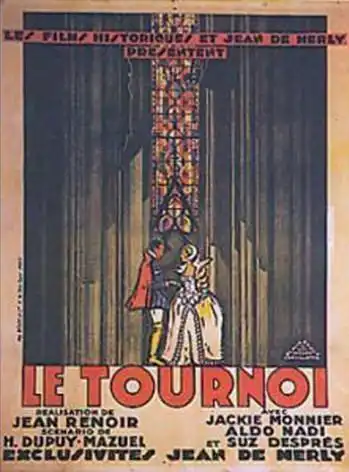
A definitive 6.1/10 rating for a film that redefined the boundaries of cult cinema. Le tournoi remains a cornerstone of transgressive art.
If you have a thing for medieval history—the kind where people actually look like they’re wearing heavy, uncomfortable wool and the stone walls look damp—you should probably watch Le tournoi. It’s one of Jean Renoir’s last silent films, and while it doesn't have the sophisticated social commentary of his later 1930s stuff, it has a physical weight that most historical movies lack. If you’re looking for a fast-paced action movie, you’ll probably hate this. It lingers. It breathes. It spends a lot of time looking at horses.
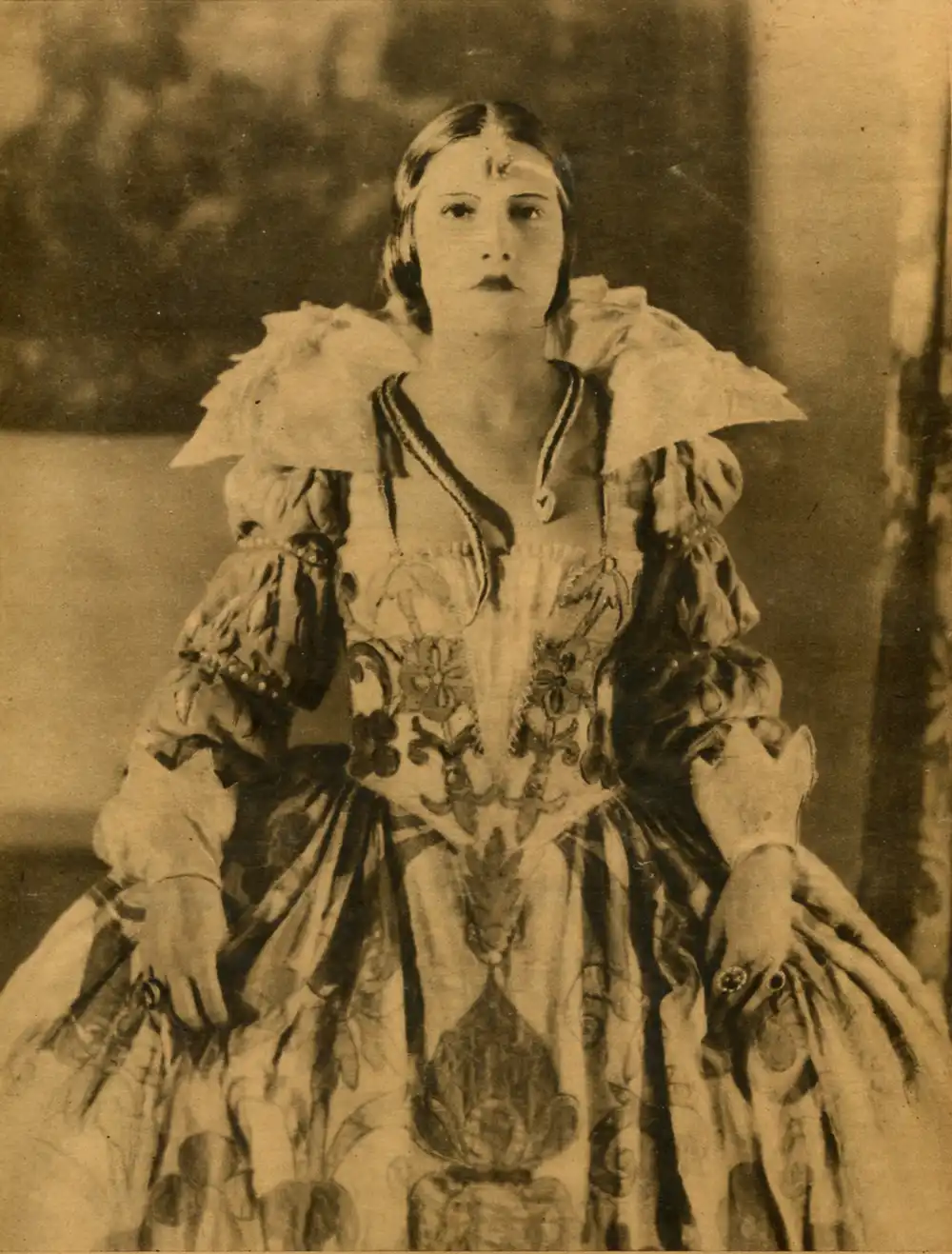
The first thing that hits you is the location. They filmed this in Carcassonne, the actual medieval fortified city in southern France. Because of that, the scale of the movie feels legitimate. When the characters walk across a courtyard, they aren't on a backlot in California; they are walking on stones that have been there for five hundred years. You can see the wind whipping around the battlements, messing up the actors' hair in a way that feels unscripted. It gives the whole thing a grounded, slightly gritty texture that offsets some of the more theatrical acting choices.
Speaking of the acting, Manuel Raaby as the villain, François de Baynes, is doing a lot. He’s the Protestant leader who decides he wants Isabelle just because he can have her. He has this way of staring at people where his eyes bulge out slightly, and he tilts his head like a bird of prey. It’s not subtle. In fact, it borders on the kind of vampish intensity you see in A Fool There Was, but somehow it fits the brutal vibe of the story. He looks like a man who hasn't slept in three days and is about to start a war just to blow off steam.
There is a scene early on where Isabelle and her fiancé are together, and the chemistry is... fine. It’s the typical silent movie romance where they mostly just stand near each other and look wistful. But the movie gets much more interesting whenever the religious tension ramps up. You don't need a history degree to get what's happening; you can see it in the way the different factions eye each other across the dinner table. There’s a banquet scene that goes on for a long time—maybe a few minutes too long—but I liked watching the background extras. They’re all eating with their hands, tearing at bread, and looking generally disinterested in the main plot. It feels like a real party where half the guests are bored.
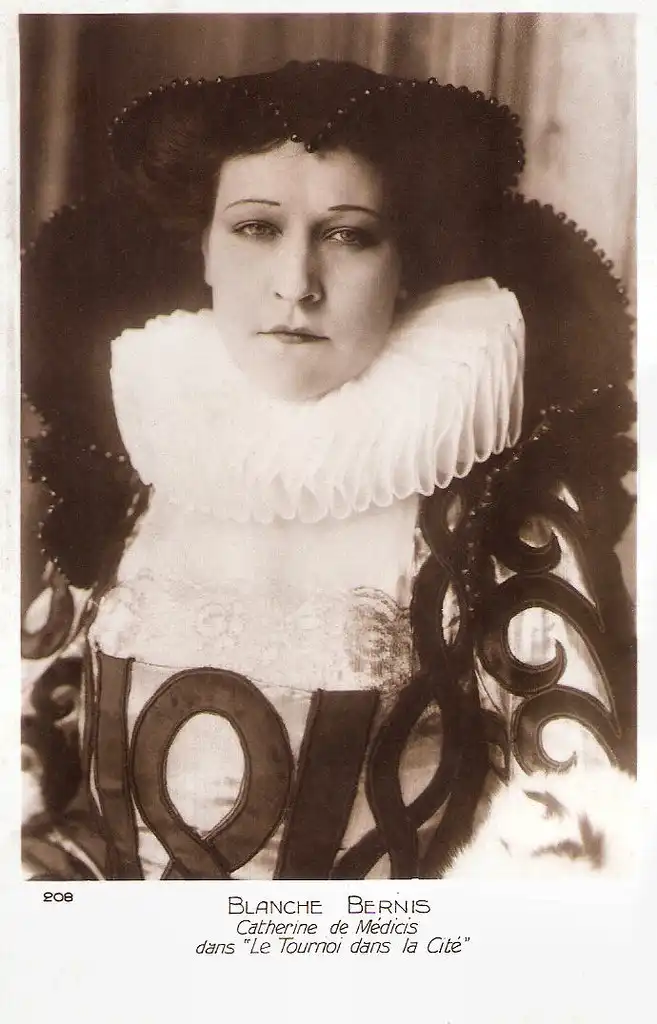
The tournament itself is the reason to stay tuned. Usually, in these old movies, jousting looks like a choreographed dance. Here, it looks like a car crash. The horses are moving fast, and when the lances hit the shields, there’s a genuine impact that makes you worry for the stuntmen (or the actors, if they were crazy enough to do it themselves). There is one shot where a horse stumbles slightly coming out of a turn, and the rider has to jerk the reins to keep it upright. They kept that in. It’s those little imperfections that make the movie feel alive.
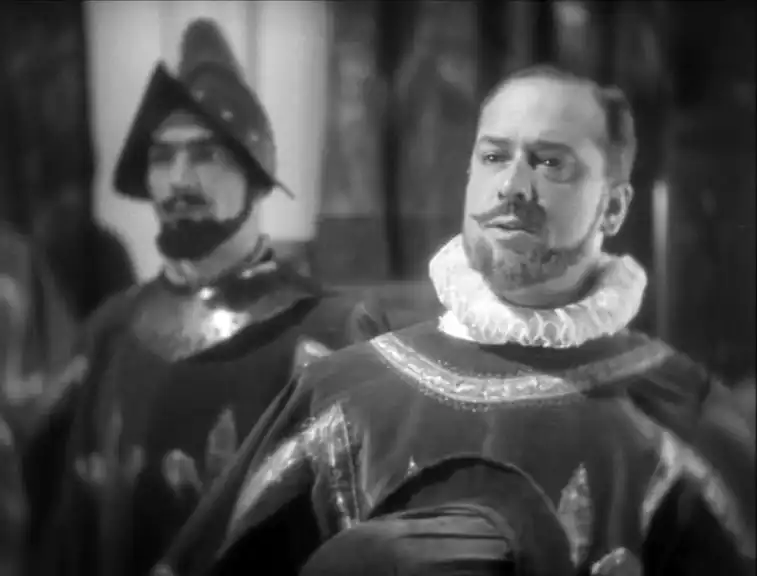
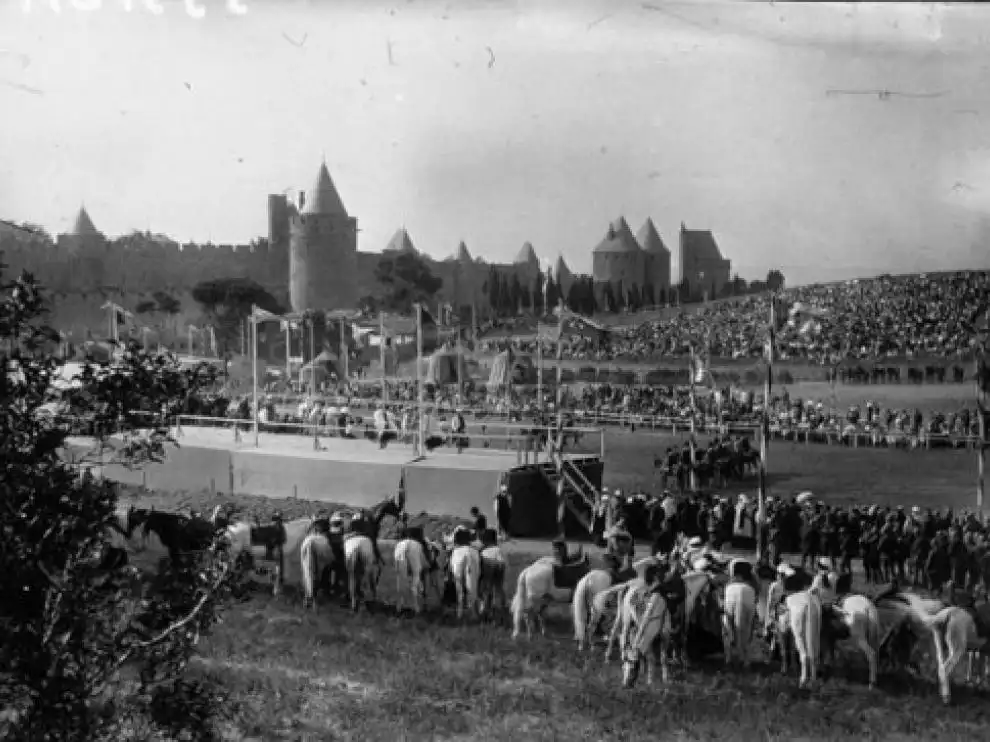
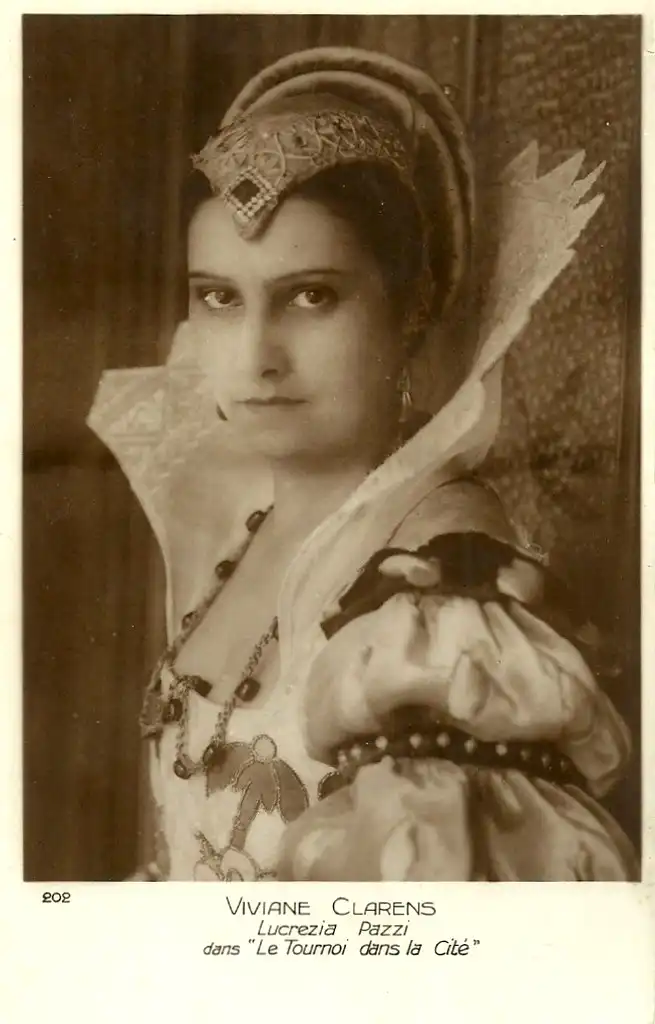
I did find the editing a bit jarring in the middle section. There are these quick cuts during the tense confrontations that feel like the editor was trying to create excitement where the footage wasn't quite providing it. It creates this weird, jerky rhythm that takes you out of the medieval atmosphere for a second. And the costumes—Isabelle has these headpieces that look like they weigh ten pounds. In one scene, she’s trying to be emotional and distressed, but you’re mostly just wondering how she’s keeping her neck straight under all that velvet and wire.
The Protestant vs. Catholic stuff is mostly just a backdrop for the melodrama, but there’s a scene where a messenger is sent through the dark streets of the city that is shot beautifully. The shadows are long and sharp, and the way the light hits the cobblestones reminded me a bit of the German Expressionist stuff happening around the same time. It’s much more moody than I expected from a French adventure film.
There is a strange tonal shift toward the end where it tries to become a grand tragedy, but the villain is so over-the-top that it’s hard to feel the weight of it. You’re kind of just waiting for the next horse charge. The movie is definitely at its best when it’s being physical—men in armor, horses in the mud, the sun hitting the old stone walls. When it tries to be a deep character study, it falters because the characters are mostly just archetypes. Isabelle is the prize, the fiancé is the hero, and de Baynes is the monster.
One detail I loved: there’s a moment during the joust where the crowd is cheering, and the camera pans across the faces. Most of them look like local people they just pulled off the street in Carcassonne and threw into tunics. They have these weathered, interesting faces that look like they belong in the 16th century more than the actual lead actors do. I spent more time looking at them than the main characters for a while.
Is it a masterpiece? Probably not. It’s a bit messy, the pacing drags in the second act, and the ending feels a little rushed, like they realized they were running out of film. But as a piece of visual history—both as a late silent film and as a recreation of the past—it’s fascinating. It’s much more visceral than The Woman and the Puppet or other stylized dramas of the era. It feels like Renoir was experimenting with how much reality he could shove into a costume drama, and the result is this sweaty, clanking, beautiful relic.
If you watch it, pay attention to the sound of the silence. I know that sounds pretentious, but in the big wide shots of the fortress, you can almost hear how quiet that location must have been during filming. It adds a layer of isolation to the characters that a studio set never could. Even when the plot gets silly, the walls keep it serious.
IMDb —
1931
Community
Log in to comment.