DbcultAccessing Vault...
6.1/10
Senior Film Conservator
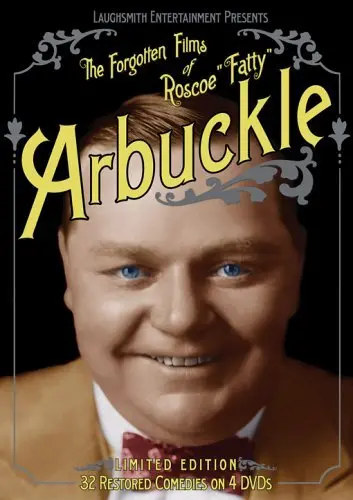
A definitive 6.1/10 rating for a film that redefined the boundaries of cult cinema. Leap Year remains a cornerstone of transgressive art.
The film Leap Year is a captivating exploration of the human experience, delving into the intricacies of love, relationships, and social class, all set against the backdrop of a bygone era, where the rules of courtship were stringent and the expectations of marriage were lofty. With its unique blend of humor and wit, this 1921 silent romantic comedy, starring the inimitable Roscoe 'Fatty' Arbuckle, is a cinematic treasure that continues to enchant audiences with its timeless charm.
At the heart of the film is the story of a young man, played by Arbuckle, who finds himself at the center of a maelstrom of romantic entanglements, as he navigates the complexities of his own feelings for a charming nurse, while also dispensing marriage advice to his girlfriends, with often hilarious and unexpected consequences. This tangled web of relationships serves as a clever commentary on the social mores of the time, where the institution of marriage was viewed as a sacred bond between two people, and the rules of courtship were governed by a strict set of etiquette and protocol.
One of the standout aspects of Leap Year is its thoughtful exploration of the human condition, as the film's characters grapple with the challenges of love, relationships, and identity. Through the lens of Arbuckle's character, we see a young man struggling to come to terms with his own desires and aspirations, all while navigating the complexities of his relationships with the women in his life. This nuanced portrayal of human emotion is a hallmark of the film, and serves as a powerful reminder of the enduring power of cinema to capture the essence of the human experience.
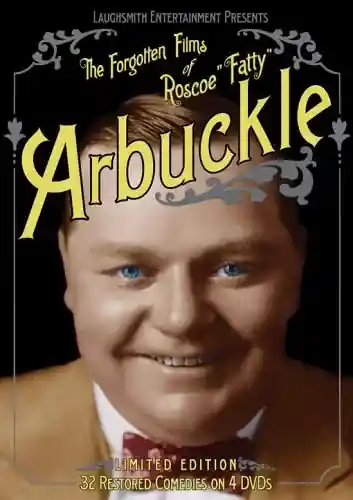
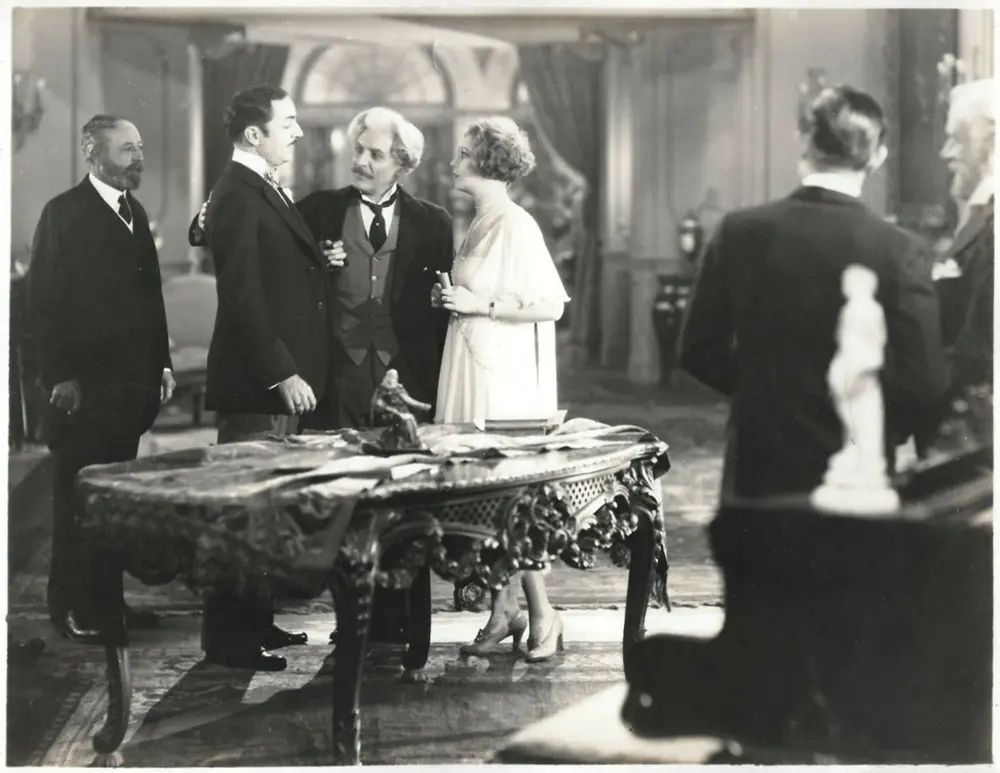
The film's cast, which includes Mary Thurman, Lucien Littlefield, and John McKinnon, delivers a series of impressive performances, bringing depth and nuance to their respective characters. The chemistry between the leads is palpable, and their interactions are infused with a sense of warmth and authenticity that adds to the film's overall charm. Meanwhile, the cinematography is equally impressive, with a series of beautifully composed shots that capture the elegance and sophistication of the era.
In comparison to other films of the era, such as Drama na okhote and The Indian Wars, Leap Year stands out for its unique blend of humor and wit, as well as its thoughtful exploration of the human condition. While films like Piccadilly Jim and Love's Redemption may have similar themes and motifs, Leap Year is distinguished by its clever script and impressive performances, which elevate the film to a level of timeless classic.
Furthermore, the film's themes of love, relationships, and social class are timeless and universal, making it a work that continues to resonate with audiences today. In an era where the rules of courtship are more relaxed, and the expectations of marriage are more nuanced, Leap Year serves as a powerful reminder of the enduring power of love and relationships to shape our lives and define our sense of identity. As such, it is a film that deserves to be seen and appreciated, not only for its historical significance, but also for its continued relevance and appeal in the modern era.
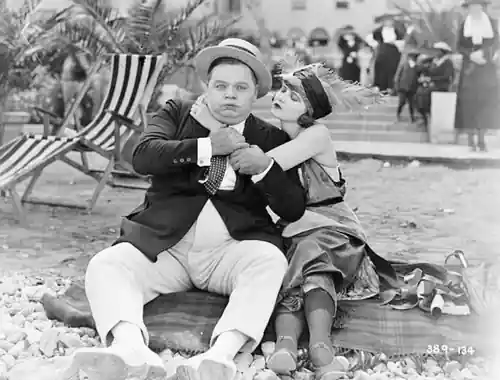
In terms of its place within the broader cinematic canon, Leap Year is a film that warrants comparison to other classic romantic comedies, such as The Primrose Ring and Hoppla, Herr Lehrer. While these films may have similar themes and motifs, Leap Year is distinguished by its unique blend of humor and wit, as well as its thoughtful exploration of the human condition. As such, it is a film that deserves to be recognized as a timeless classic, one that continues to enchant audiences with its charm, wit, and sophistication.
The cinematography in Leap Year is equally impressive, with a series of beautifully composed shots that capture the elegance and sophistication of the era. The use of warm tones and soft lighting adds to the film's overall charm, creating a sense of intimacy and warmth that draws the viewer into the world of the film. Meanwhile, the costumes and production design are meticulously detailed, with a keen attention to period accuracy that adds to the film's overall sense of authenticity.
In conclusion, Leap Year is a film that is not to be missed, a cinematic treasure that continues to enchant audiences with its timeless charm and sophistication. With its unique blend of humor and wit, thoughtful exploration of the human condition, and impressive performances, it is a work that deserves to be recognized as a classic of the silent era, one that continues to resonate with audiences today. As such, it is a film that warrants multiple viewings, each of which reveals new insights and nuances that add to its overall appeal and charm.
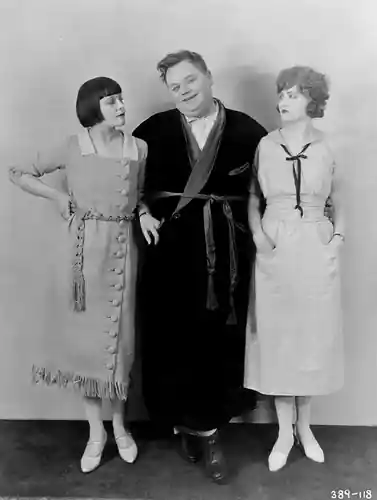
Other notable films that explore similar themes and motifs include Colombine, Forbandelsen, and Almost Heroes, each of which offers a unique perspective on the human experience, and the complexities of love and relationships. Meanwhile, films like Die Teufelskirche and El último malón offer a glimpse into the social and cultural context of the era, and the ways in which these factors shape our understanding of the world around us.
Ultimately, Leap Year is a film that will continue to enchant audiences for generations to come, a timeless classic that offers a unique perspective on the human experience, and the complexities of love and relationships. With its impressive performances, thoughtful script, and meticulous attention to period detail, it is a work that deserves to be recognized as one of the greatest films of the silent era, a true masterpiece of cinematic art that continues to captivate and inspire audiences today.
In the final analysis, Leap Year is a film that is not to be missed, a cinematic treasure that continues to enchant audiences with its timeless charm and sophistication. Whether you are a fan of classic romantic comedies, or simply looking for a film that offers a unique perspective on the human experience, Leap Year is a must-see, a work that will continue to resonate with audiences for generations to come. As such, it is a film that deserves to be seen and appreciated, not only for its historical significance, but also for its continued relevance and appeal in the modern era.
IMDb 2.8
1927
Community
Log in to comment.