DbcultAccessing Vault...
Cult Review
Senior Film Conservator
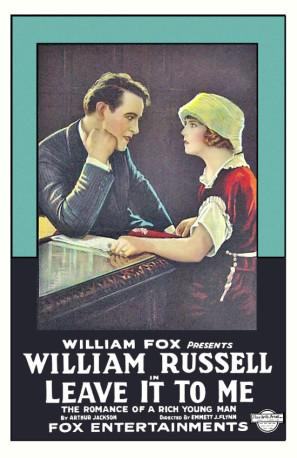
Leave It to Me never walks when it can Charleston. From the first iris-in on Dickey’s penthouse—where a butler irons the morning newspaper—the film announces itself as a breezy indictment of idle capital. Arthur Jackson and Jules Furthman’s screenplay is essentially a prank war waged between the sexes: Madge’s moral outrage versus Dickey’s performative enterprise. The gag is that real labor remains spectral; even the thugs-for-hire subcontract their brutality, speaking to a metropolis where everything, even crime, is brokered from a leather armchair.
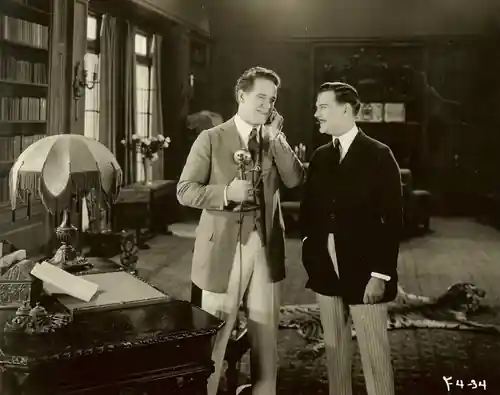
The detective-agency ruse operates as a hall of mirrors: empty briefcases, a secretary who files her nails into stilettos, and a frosted-glass door promising “We Never Sleep” though everyone clearly does. Once Dickey’s manufactured crime wave crests—stick-up men in opera masks pilfering wedding silver—the film pivots from drawing-room farce to urban swashbuckler, anticipating the screwball cycle that Paramount would mint a decade later.
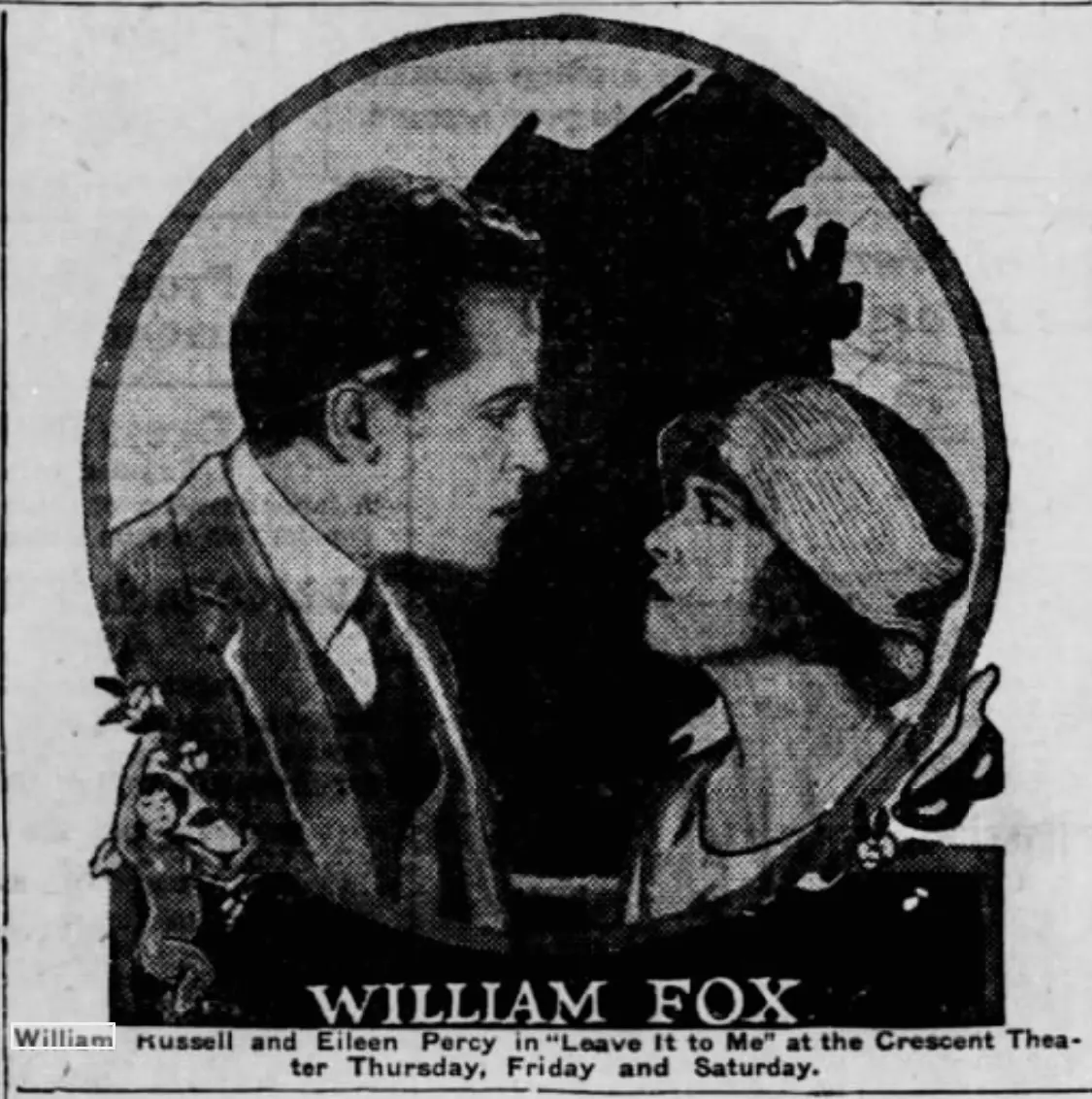
Hallam Cooley’s Dickey is all raised-eyebrow insouciance, a man who enters rooms as if he’s sliding down a bannister made of privilege. Watch the micro-shrug when Madge calls him “a parasitic orchid”: it’s silent-era shade at its finest. Lucille Cavanaugh’s Madge is no wilting muse; her sideway glances could slice Camembert, and when she uncovers Dickey’s charlatanism the camera dollies until her smirk fills the frame—an early instance of the cinematic mic-drop.
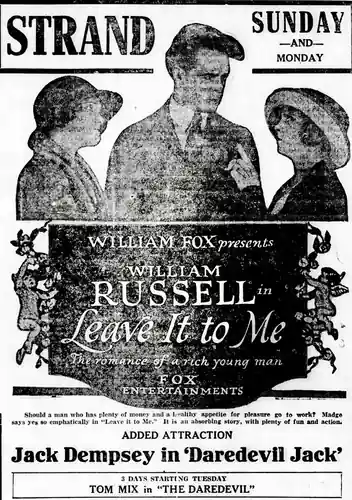
William Russell’s Tom Burroughs supplies the film’s emotional ballast, a thankless task in slapstick, yet Russell underplays panic with a tremulous half-smile that makes the kidnapping feel less like plot mechanism and more like moral reckoning. Meanwhile, Marcella Daly’s Viola Devore arrives in ostrich feathers and danger, a vamp who could teach Theda Bara a masterclass in predatory languor—her cigarette holder doubles as conductor’s baton for the chaos she orchestrates.
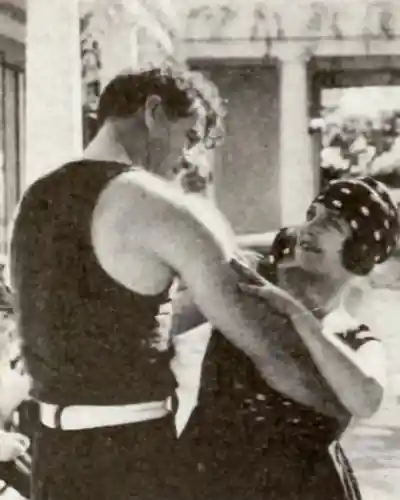
Director William C. Dowlan, saddled with minimal sets, turns economy into artistry. A sequence where Dickey shadows his own henchmen through a department store unfolds in a single extended take, the camera gliding past mannequins that seem to eavesdrop. Intertitles—usually the blunt instruments of silent storytelling—here crackle with Wildean snap: “A man who buys a detective agency for vanity is only one step above a man who buys a poet for his wedding toast.”
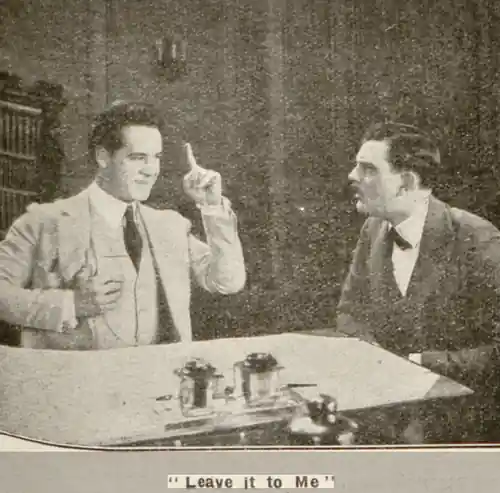
Lighting contrasts signal class warfare: the rich bask in klieg-key brilliance while the crooks lurk in pools of Stygian gloom. When Dickey finally descends into Viola’s lair—a waterfront dive lit by a single swinging lamp—the image toggles between sea-blue gels and umber shadows, predicting the chiaroscuro noir that wouldn’t fully bloom until the 1940s.
Under the fizz, the film ponders a question that still ricochets through TikTok economics: can the idle rich simulate virtue, or does their very touch commodify altruism? Dickey’s arc answers with ambivalence. His heroism is accidental, a by-product of narcissism; yet the community—maids, bootblacks, even the beat cops—benefits from the collateral restitution. Leave It to Me thus prefigures the ambivalent capitalism of The Might of Gold and the social shell-games of Checkers, but wraps the critique in meringue so the audience laughs too hard to notice the sting.
Viewers smitten by this confection might chase the darker flirtations of The Case of Lady Camber, where aristocratic boredom also breeds crime, though with bloodier dividends. Conversely, those craving more gender-sparring should sample In Walked Mary, whose newspaperroom repartee feels like a pre-code sibling to Dickey and Madge’s duel.
Surviving prints, unearthed in a 2018 Pordenone archive sweep, retain a ghostly warp—nitrate shrinkage lends night scenes a tremulous heartbeat. The estimable Mattieu Lipes quartet composed a new score that interpolates Charleston rhythms with minor-key foreboding; the clarinet becomes Dickey’s flippant id, while a brooding cello underpins Madge’s skepticism. Criterion’s 2K release tints party scenes with amber (#EAB308) and peril sequences with viridian (#0E7490), amplifying the film’s emotional color-wheel without smothering its grayscale soul.
Leave It to Me is a soufflé laced with shrapnel: a romp that questions whether redemption earned through artifice still counts. A century on, its epilogue feels prophetic—Dickey in white spats, now sincerely exhausted, volunteering at a settlement house while Madge, ever sardonic, counts the receipts. They have stepped into the machinery of usefulness, but the camera lingers on their footprints, suggesting the imprint may fade. For modern audiences drowning in hustle-culture sermons, the film whispers that perhaps the real crime is measuring human worth solely by productivity, and the real comedy is watching the wealthy gambol through that epiphany with pockets full of other people’s diamonds.
Yet the aftertaste is sweet: if a frivolous millionaire can stumble into civic value, maybe there’s hope for the rest of us loafers, clutching our streaming remotes instead of platinum cigarette cases. The film winks, bows, and curtain-falls on a title card that could serve as epitaph for the Roaring Twenties themselves: “Those who dance for applause may yet find their rhythm saves the band.”
IMDb 6.2
1927
Community
Log in to comment.