DbcultAccessing Vault...
6.6/10
Senior Film Conservator
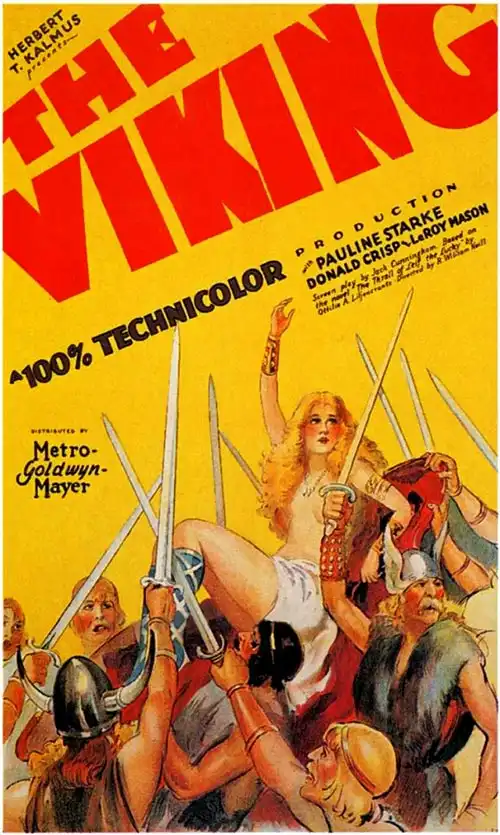
A definitive 6.6/10 rating for a film that redefined the boundaries of cult cinema. The Viking remains a cornerstone of transgressive art.
For a modern audience, "The Viking" is a fascinating, if sometimes challenging, experience. Released in 1928, it stands as a significant artifact of the late silent era, primarily notable for its extensive use of two-strip Technicolor. If you’re a dedicated film historian, a silent cinema enthusiast, or someone curious about early color processes and grand-scale historical epics before sound took over, then yes, it's absolutely worth seeing. However, if you typically find silent film pacing a struggle, or if you expect sophisticated character development and dialogue, you’ll likely find its nearly two-hour runtime a test of patience. This is a film for those who appreciate cinema as an evolving art form, willing to engage with its historical context and technical innovations, rather than a casual Saturday night viewing.
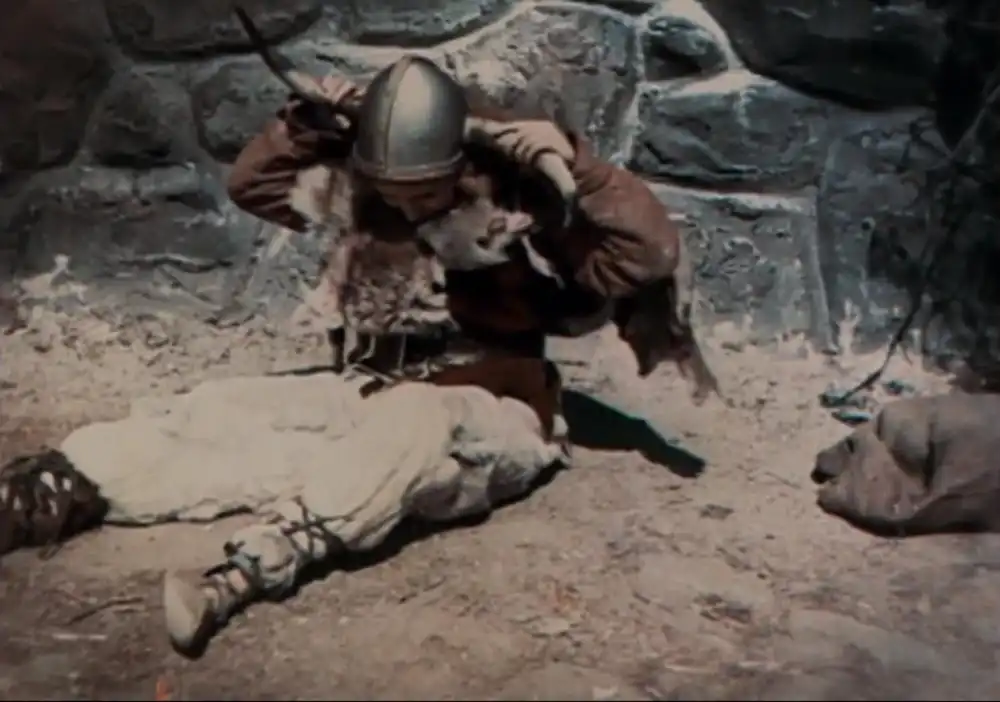
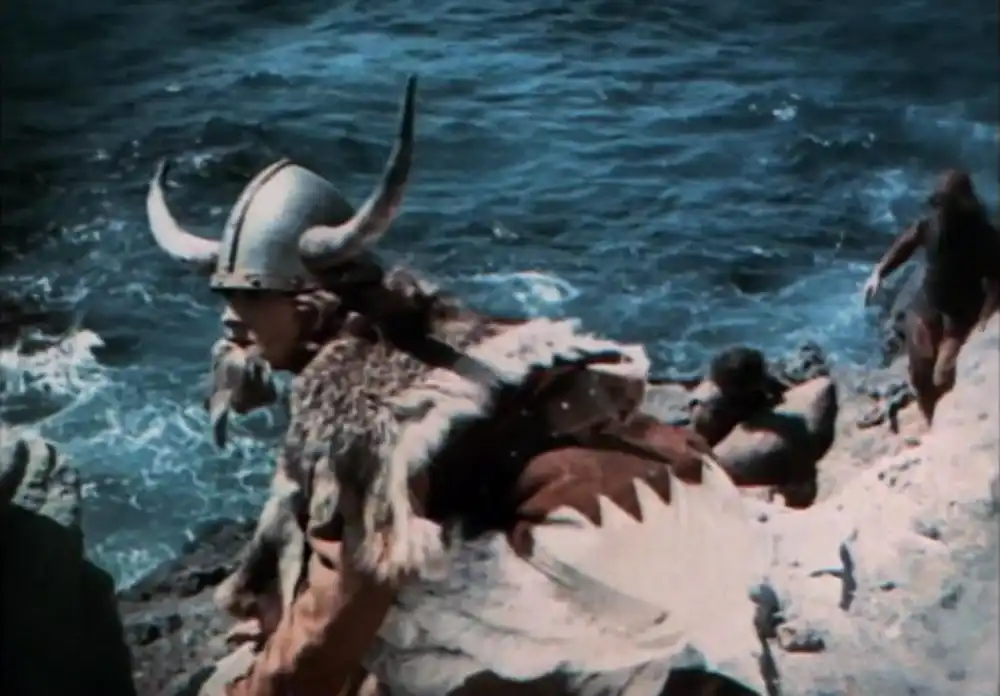
The most striking aspect of "The Viking" is undoubtedly its visual ambition. This isn't just a silent film; it's a silent film largely shot in two-strip Technicolor, a process that, even with its limitations, delivers a unique aesthetic. The blues of the ocean, the reds of battle standards, and the earth tones of the Viking costumes pop with a vibrancy that must have been breathtaking in 1928. Today, the effect is less about realism and more about a painterly quality, almost like a moving tapestry. There's a particular sequence where the longboats are sailing across what appears to be a genuinely vast body of water, and the deep azure of the sea, contrasted with the browns and golds of the ships, creates a genuinely epic sense of scale. It's not a perfect color process; skin tones often veer towards an almost jaundiced yellow, and the overall palette is somewhat restricted, but its sheer commitment to color in an era dominated by monochrome is commendable.
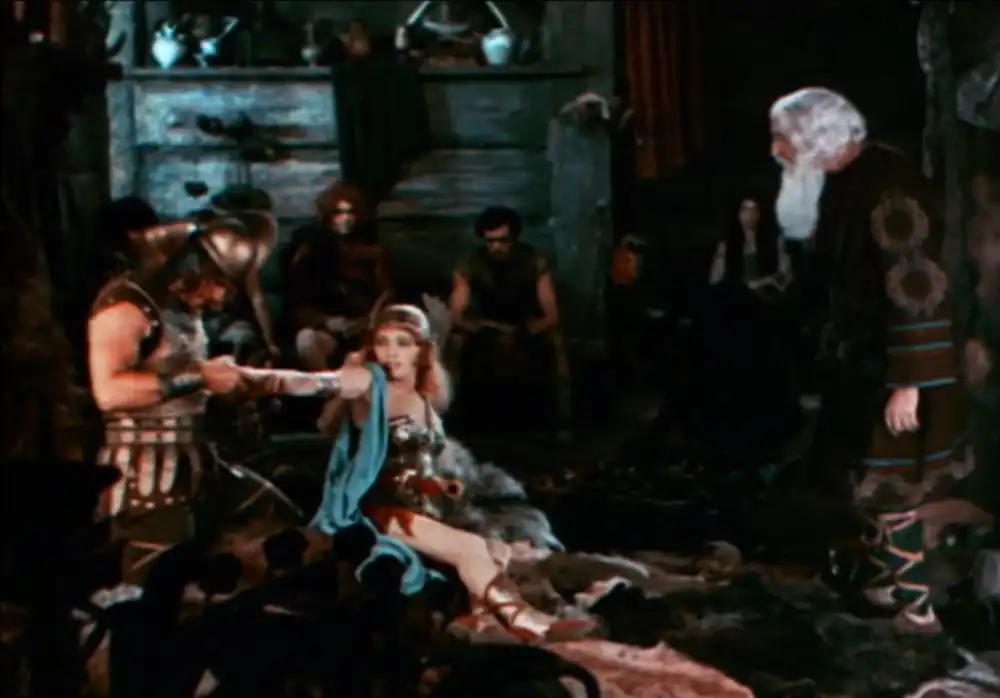
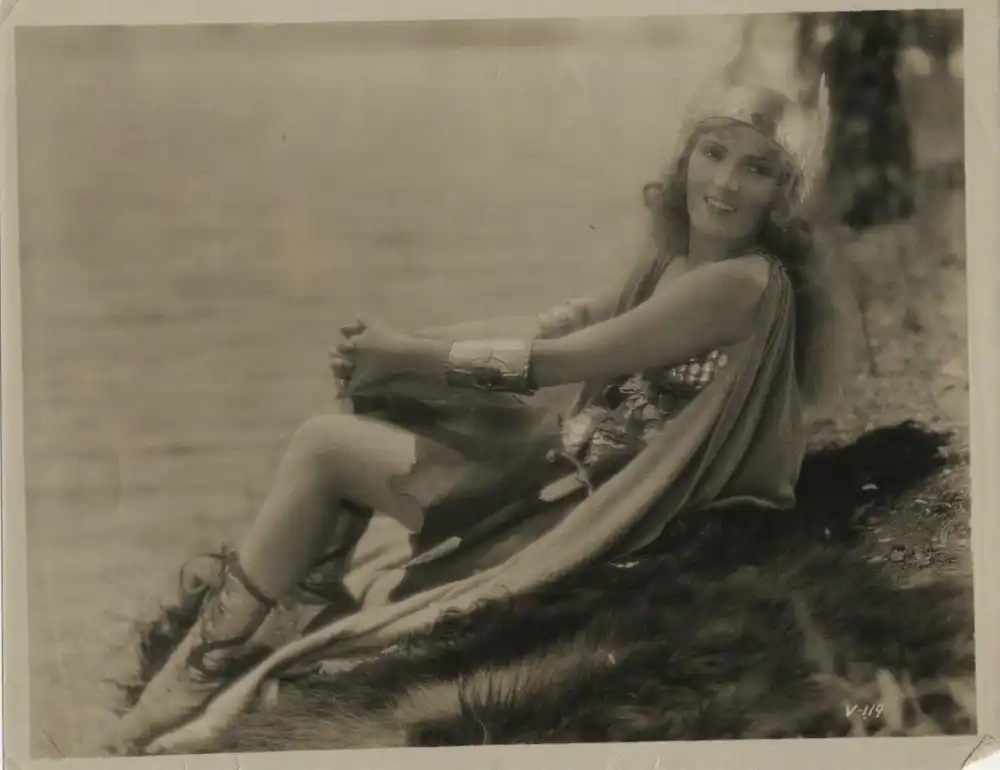
The acting in "The Viking" is very much of its time, leaning heavily on broad gestures and exaggerated facial expressions to convey emotion without dialogue. Pauline Starke, as Lady Helga, carries much of the film's emotional weight. She embodies the archetype of the strong-willed, beautiful woman caught between two powerful men. While her performance occasionally borders on the melodramatic, there are moments of genuine vulnerability, particularly in her scenes of internal conflict. Her initial resistance to Lord Alwin (Donald Crisp, in a role that feels somewhat underwritten despite its importance) and her growing affection for Leif Ericson (LeRoy Mason) are communicated through a series of intense stares and subtle shifts in posture. Mason, as Ericson, projects a convincing sense of heroic determination, though his character is painted in somewhat simplistic strokes of noble ambition. Perhaps the most memorable performance, albeit brief, comes from Angelo Rossitto as the dwarf, who adds a touch of genuine pathos and menace in his limited screen time, his presence often providing a stark visual contrast to the towering figures around him.
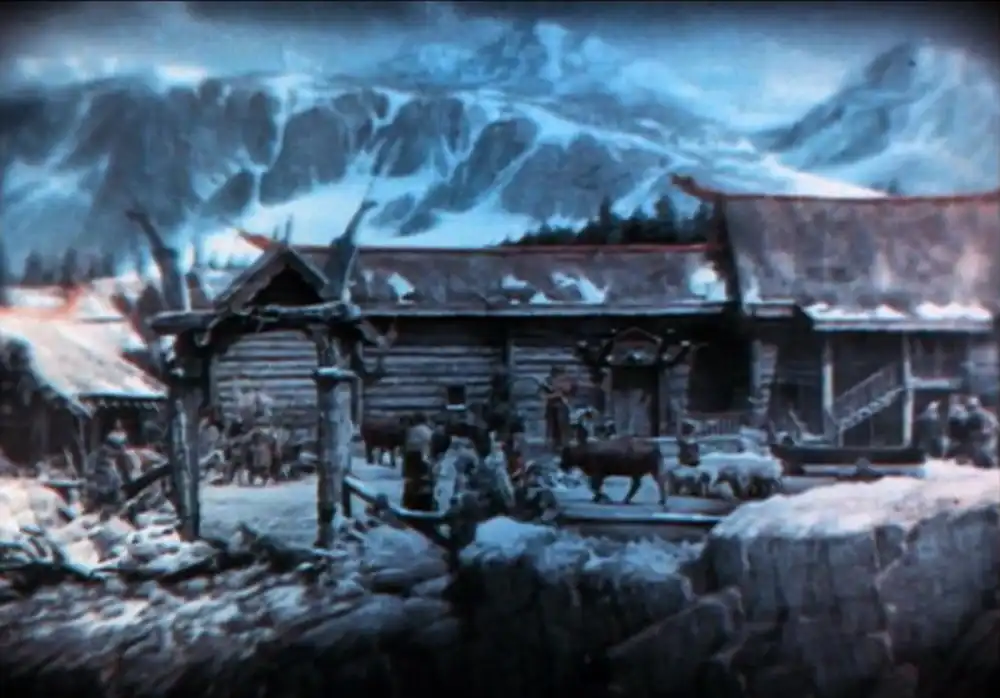
The film's scale is impressive, particularly in its depictions of Viking life. The longships, while perhaps not entirely historically accurate, feel substantial and imposing. The crowd scenes, especially during the feasts and departure sequences, are well-orchestrated, giving a real sense of a bustling community. One detail that stood out was the sheer number of extras involved in the initial raid on the English coast; the chaos and movement felt organic, not merely staged.
As with many silent epics, "The Viking" struggles with pacing. The first act, establishing the rivalry between Alwin and Ericson and their shared desire for Helga, takes its time. There are numerous reaction shots and extended sequences of characters simply staring meaningfully into the middle distance, which can feel protracted to a contemporary viewer. The narrative, penned by Ottilie A. Liljencrantz, Jack Cunningham, and Randolph Bartlett, attempts to weave together a grand historical adventure with a personal love triangle, but the transitions between these threads aren't always smooth. The intertitles, while generally clear, sometimes feel like a heavy hand explaining what the visuals should convey more subtly. Moments of genuine excitement, like the storm at sea or the climactic battle, are well-executed, but they are interspersed with longer, more deliberate scenes that demand a certain patience.
One particular moment that exemplifies the film's occasional awkwardness occurs during a council meeting where a particularly earnest Viking chieftain delivers a passionate speech, gesturing wildly, only for the camera to cut to a wide shot of a few background extras who seem entirely disengaged, almost bored. It’s a minor detail, but it breaks the illusion of immediate, urgent stakes that the scene is trying to build. This kind of tonal inconsistency, where grand drama is undercut by small, almost mundane details, pops up a few times.
Strengths:
Weaknesses:
"The Viking" is not a film for everyone, nor does it pretend to be. It’s a relic, yes, but a beautiful one, illuminated by the nascent glow of early color technology. While it doesn't possess the psychological depth of a The Right to Love or the intricate character work of some of its more celebrated silent peers, its ambition is undeniable. It's a testament to a period when filmmakers were pushing the boundaries of what cinema could be, experimenting with scale and visual spectacle even as the medium itself was on the cusp of its greatest transformation. For those willing to engage with its historical context and embrace its particular brand of silent grandiosity, "The Viking" offers a rewarding glimpse into a pivotal moment in film history. It's a film to be studied and appreciated, rather than merely consumed.
IMDb 6.5
1933
Community
Log in to comment.