
Russian Federation
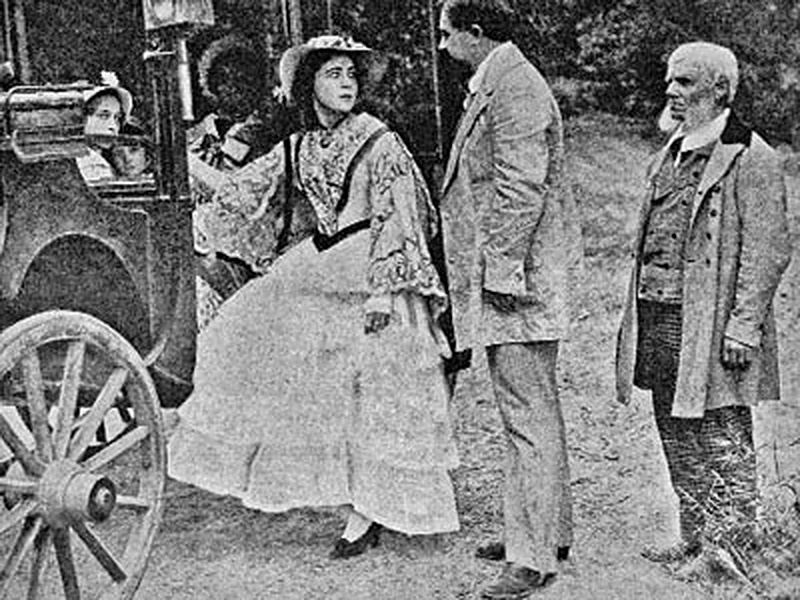
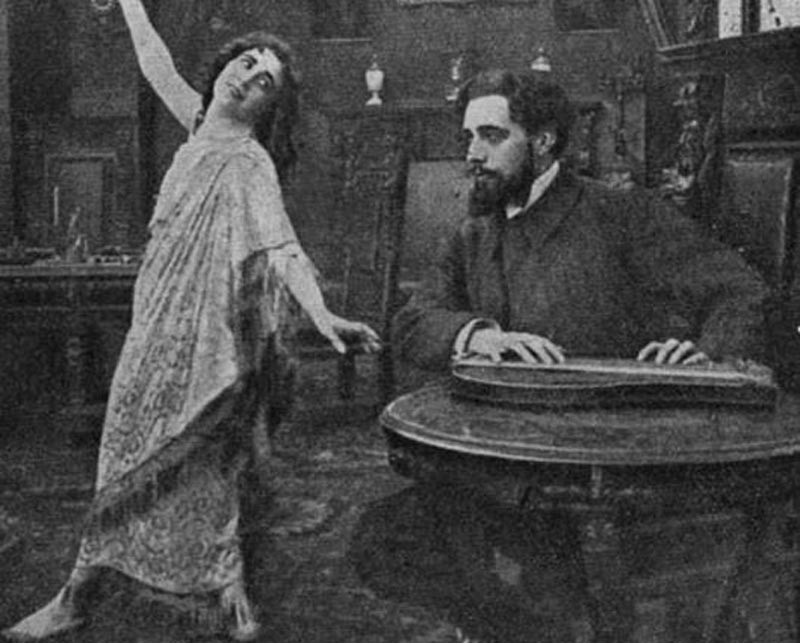
Something icy this way hums. Silent-era Russia has always felt like a snow-globe shaken by an unseen hand, but The Keys to Happiness—released in late 1913 yet somehow smelling of 1917’s gunpowder—lets the white flakes settle on your skin instead of the glass. What survives is an incomplete print, 42 brittle minutes ...
Comparing the cinematic DNA and archive impact of two defining moments in cult history.
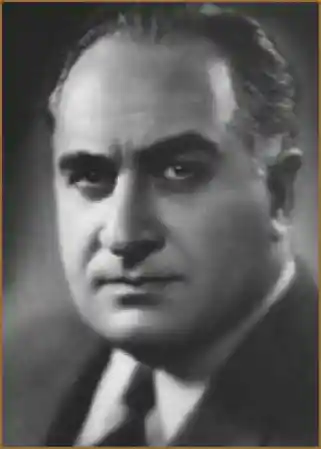
Vladimir Gardin
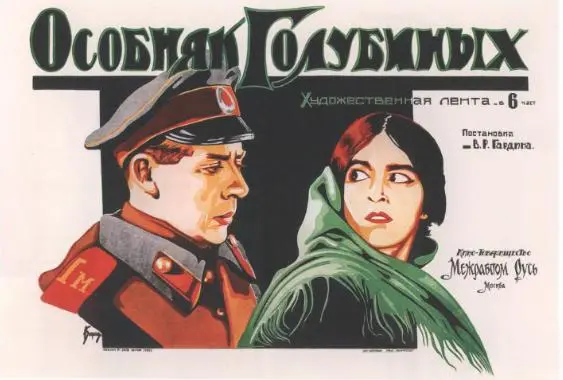
Vladimir Gardin
Community
Log in to comment.
" Something icy this way hums. Silent-era Russia has always felt like a snow-globe shaken by an unseen hand, but The Keys to Happiness—released in late 1913 yet somehow smelling of 1917’s gunpowder—lets the white flakes settle on your skin instead of the glass. What survives is an incomplete print, 42 brittle minutes rescued from a defunct bathhouse projection booth outside Kyiv; even so, the fragments ache with a completeness many contemporary features would kill for. Vladimir Gardin, later m..."
Deep dive into the cult classic
Discover similar cinematic experiences
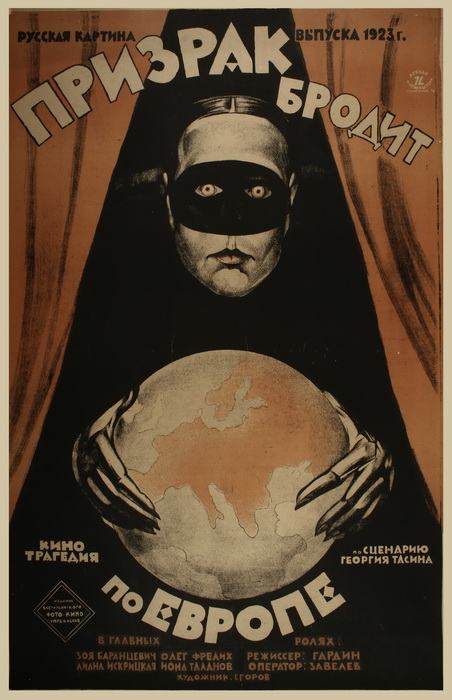
A Directorial Spotlight on Vladimir Gardin