DbcultAccessing Vault...
7.4/10
Senior Film Conservator
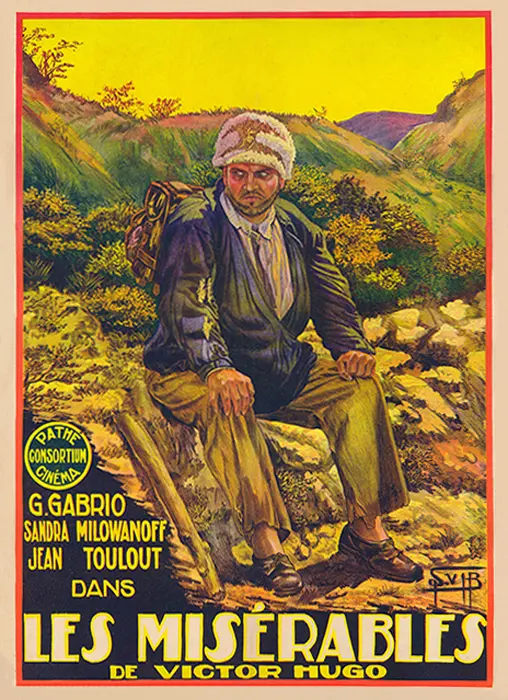
A definitive 7.4/10 rating for a film that redefined the boundaries of cult cinema. Les misérables remains a cornerstone of transgressive art.
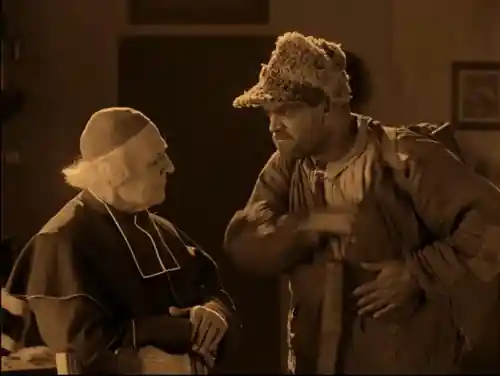
In the pantheon of cinematic adaptations of Victor Hugo's timeless classic, the 1925 rendition of Les Misérables stands as a testament to the enduring power of the human spirit. Directed by Henri Fescourt, this film brings to life the tale of Jean Valjean, a man whose fate is inextricably linked with that of the June Rebellion and the unyielding pursuit of justice by the formidable Javert.
Gabriel Gabrio's portrayal of Jean Valjean is a nuanced exploration of a man grappling with his past, seeking redemption in a society that seems determined to crush him. Valjean's journey from prisoner to philanthropist, and ultimately, to a symbol of hope for those oppressed, is a powerful exploration of the human condition. His performance is complemented by Jean Toulout's chilling depiction of Javert, a man consumed by his duty to uphold the law, no matter the cost.

The film's use of mise-en-scène and cinematography adds depth to the narrative, transporting viewers to the tumultuous streets of 19th-century France. The cinematographic techniques employed by Fescourt create a visceral experience, drawing the audience into the heart of the June Rebellion and the desperate struggles of the French people.
One of the most striking aspects of this adaptation is its thematic resonance with other films of the era. For instance, The Lottery Man shares a similar concern with the struggle for justice, albeit in a different context. Similarly, A Fight for Millions explores the tensions between the haves and have-nots, a theme that is also present in Les Misérables.
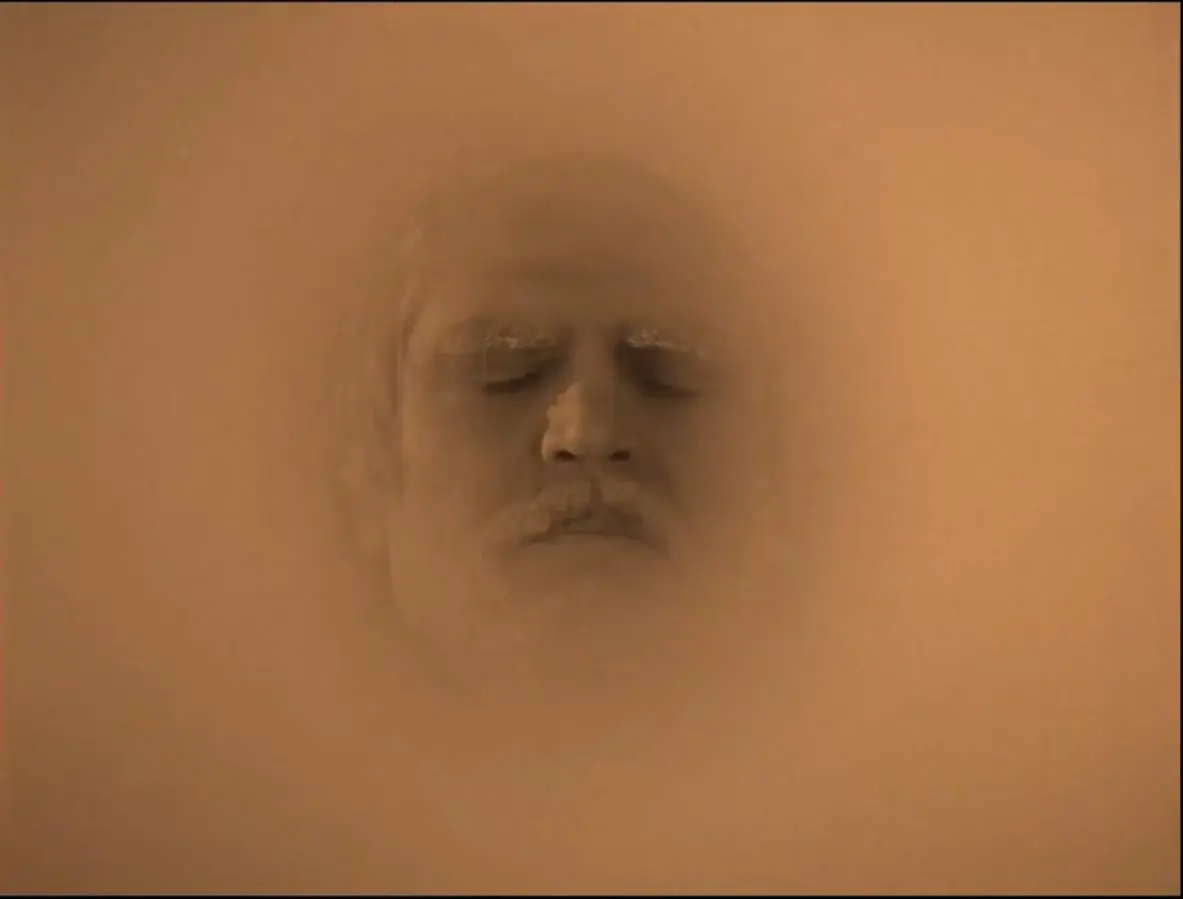
The performances of the supporting cast, including François Rozet and Luc Dartagnan, add richness to the narrative, imbuing the film with a sense of authenticity. The characterizations are multidimensional, allowing the audience to become invested in the fates of the characters. This is particularly evident in the portrayal of the protagonist's relationships with those around him, which serve as a microcosm for the broader societal issues of the time.
Upon closer inspection, it becomes apparent that Les Misérables (1925) shares thematic similarities with The Eagle (1925), particularly in its exploration of the struggle for power and the corrupting influence it can have. Furthermore, the film's focus on the human condition, and the quest for redemption, echoes the sentiments expressed in The Self-Made Wife.
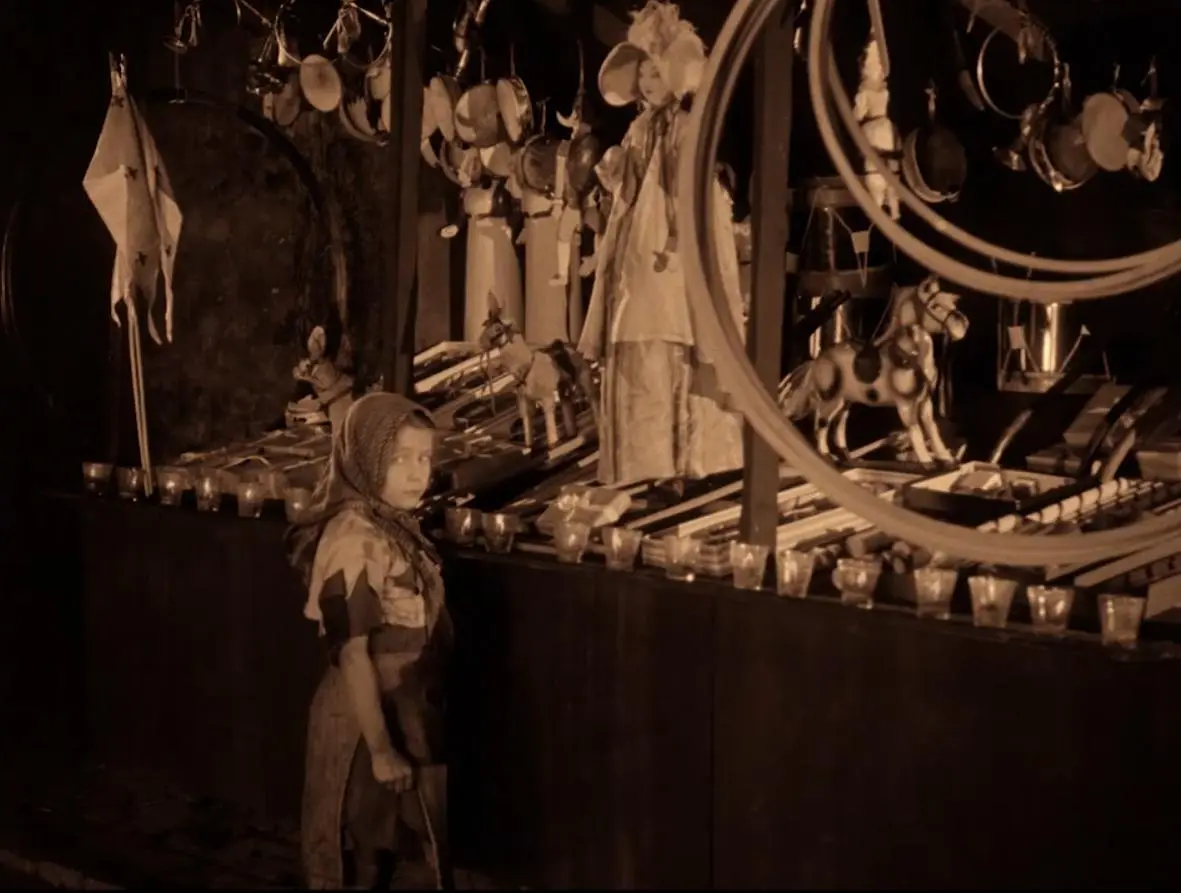
The symbolism woven throughout the film adds another layer of depth to the narrative. The character of Fantine, and her tragic descent into poverty and despair, serves as a powerful indictment of the societal structures that allow such injustices to occur. This theme is also present in The Face at the Window, which explores the consequences of desperation and the blurring of moral boundaries.
In terms of historical context, Les Misérables (1925) provides a fascinating glimpse into post-World War I France, a society grappling with the consequences of revolution and the plight of the underprivileged. This is also explored in Hans Faders Ære, which examines the tensions between tradition and progress.
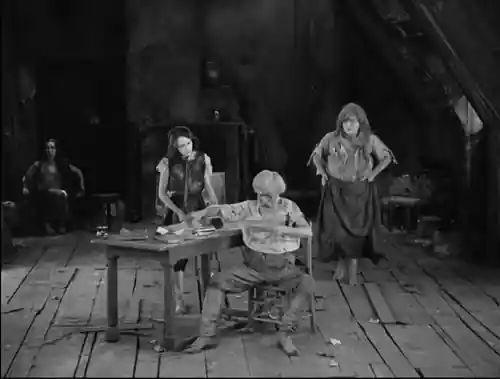
The film's score, while not as prominent as in modern adaptations, adds to the overall atmosphere, underscoring key moments in the narrative. The orchestral arrangements create a sense of tension and foreboding, drawing the audience into the world of the film.
As a work of cinematic art, Les Misérables (1925) demonstrates a keen understanding of the medium's potential. Fescourt's direction weaves together a complex narrative, balancing action, drama, and social commentary. The film's pacing is deliberate, allowing the audience to absorb the nuances of the story.
In comparison to other films of the era, such as Held Up for the Makin's and Leap Year, Les Misérables stands out for its thematic ambition and its willingness to tackle complex social issues. The film's exploration of justice, morality, and redemption continues to resonate with audiences today.
The influence of Les Misérables (1925) can be seen in later adaptations, such as Desire and Blood Test, which also explore themes of morality and the human condition. This is a testament to the enduring power of Hugo's work and the 1925 film's ability to capture the essence of the novel.
In conclusion, Les Misérables (1925) is a masterpiece of cinematic storytelling, offering a powerful exploration of the human condition. With its nuanced performances, rich symbolism, and thematic resonance, this film continues to captivate audiences. For those interested in exploring the evolution of cinematic adaptations of Hugo's work, The Fourflusher, The Millionaire, and Othello provide interesting points of comparison.
The film's legacy extends beyond its immediate themes, speaking to broader societal issues that remain relevant today. As a work of art, Les Misérables (1925) continues to inspire and challenge audiences, offering a powerful exploration of the human condition.
Ultimately, Les Misérables (1925) is a testament to the power of cinema to capture the complexity and nuance of the human experience. With its rich themes, nuanced performances, and historical significance, this film remains a must-see for audiences interested in exploring the evolution of cinematic storytelling.

IMDb —
1930
Community
Log in to comment.