DbcultAccessing Vault...
4.2/10
Senior Film Conservator
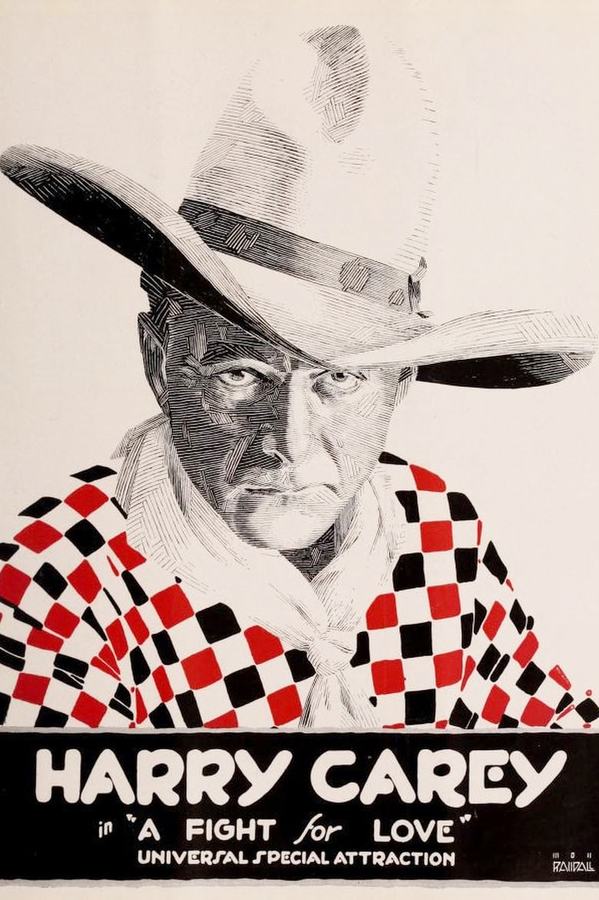
A definitive 4.2/10 rating for a film that redefined the boundaries of cult cinema. A Fight for Love remains a cornerstone of transgressive art.
The early 20th century, particularly the nascent years of cinema, was a fertile ground for narratives that explored the rugged individualism and moral complexities of the American West. Amidst a burgeoning landscape of cowboys, outlaws, and lawmen, A Fight for Love emerges as a compelling, if often overlooked, artifact from this golden age of silent filmmaking. Directed by the prolific Eugene B. Lewis, this cinematic endeavor transcends mere genre conventions, delving into a profound moral quagmire that pits human law against divine sacrament, all set against the unforgiving backdrop of the Northwest frontier. It’s a film that demands attention, not just for its historical significance, but for its audacious exploration of themes that continue to resonate.
At its core, A Fight for Love unravels a narrative steeped in tragic irony and a relentless pursuit of justice, albeit one fraught with insurmountable obstacles. The story centers on Cheyenne Harry, portrayed with a compelling blend of ruggedness and vulnerability by the legendary Harry Carey. Harry finds himself unjustly targeted by the resolute Northwest Mounties, who are convinced of his culpability in the brutal murder of an Indian boy. This accusation, a dark cloud hanging over his very existence, propels the plot forward with an almost tragic inevitability. Yet, the true complexity of the situation lies not in the evidence, which is largely circumstantial against Harry, but in the possession of an unassailable truth by an an unlikely figure: a humble priest.
This man of God, a silent sentinel of divine confidence, becomes the unwitting keeper of a devastating secret. The real perpetrator, a villainous figure known as Black Michael, has sought solace and absolution within the sacred confines of the confessional, confessing his heinous crime. The priest, bound by the inviolable sanctity of his vows and the sacrament of penance, finds himself in an agonizing predicament. His spiritual duty to uphold the seal of confession directly clashes with his moral imperative to see justice served and an innocent man spared. This profound ethical dilemma forms the pulsating heart of the narrative, creating an almost unbearable tension that permeates every frame. The film, through its masterful use of visual storytelling characteristic of the silent era, articulates this internal struggle with remarkable clarity, inviting the audience to ponder the very nature of truth and the heavy burden of conscience. It’s a compelling setup, echoing the moral weight often found in narratives like Les Misérables, where personal integrity and societal justice are in constant, agonizing conflict.
Harry Carey, a titan of early cinema and a defining face of the Western genre, brings Cheyenne Harry to life with a nuanced performance that transcends the limitations of silent film. Carey's ability to convey profound emotion through subtle gestures, piercing gazes, and a distinctive physicality was unparalleled. He doesn't merely play a character; he inhabits the archetype of the falsely accused, the solitary wanderer caught in the unforgiving machinery of circumstance. His Harry is not a caricature of innocence but a man whose stoicism barely conceals a deep-seated struggle for vindication. The audience feels his desperation, his quiet defiance, and the weight of the injustice pressing down upon him, all communicated without a single uttered word. This mastery of non-verbal communication is what made Carey such a formidable presence and why his performances, even a century later, retain their power.
Carey’s portrayal of Harry is a masterclass in silent acting, relying on expressive eyes and body language to convey a spectrum of emotions from quiet despair to fierce determination. He represents the frontier spirit: resilient, self-reliant, and fiercely independent, yet vulnerable to the whims of fate and the failings of justice. His screen presence, characterized by a weathered face and a gaze that could be both weary and resolute, made him an ideal protagonist for stories of hardship and moral struggle. This is a man who, despite being hunted, retains a dignity that makes his plight all the more poignant. His 'fight for love' can be interpreted as a fight for the love of life, the love of freedom, and the love of truth itself, a battle for his very existence against overwhelming odds. The physical demands of the role, often involving chases and skirmishes typical of the era, are handled with a conviction that roots the character firmly in the rugged landscape of the Northwest. Comparisons to other portrayals of the wronged man, such as those found in films like Broken Ties or The Wasted Years, highlight Carey’s unique ability to infuse his characters with an understated heroism that resonates deeply with audiences.
The dilemma faced by the priest is arguably the most potent and thought-provoking element of A Fight for Love. He is not merely a background character but the central ethical pivot around which the entire drama revolves. His silence, born of a sacred vow, becomes a profound act of moral fortitude, yet simultaneously a source of immense personal anguish. The film masterfully portrays the internal torment of a man torn between his spiritual duty and his human empathy for an innocent man. J. Farrell MacDonald, though perhaps less prominently featured than Carey, delivers a powerful performance, conveying the priest’s struggle through subtle facial expressions and a palpable sense of internal conflict. His character embodies the ultimate test of faith: upholding a divine law even when it causes earthly suffering.
Black Michael, the true antagonist, serves as a stark contrast to both Harry and the priest. His confession, while providing a temporary sense of relief for his soul, places an unbearable burden on another. The film, without the benefit of spoken dialogue, uses visual cues and the dramatic tension of the situation to paint Michael as a menacing figure, whose actions set in motion a chain of events that threaten to destroy an innocent life. The interplay between these three characters—the accused, the confessor, and the true culprit—creates a taut psychological drama that is surprisingly sophisticated for its era. The film doesn't shy away from the harsh realities of frontier justice, where circumstantial evidence could easily condemn a man, and where the lines between right and wrong often blurred. The priest’s unwavering commitment to his vows, despite the dire consequences for Harry, forces viewers to grapple with complex questions about the nature of justice, the role of faith, and the limits of moral obligation. This intricate web of ethical considerations positions A Fight for Love as more than just a Western; it's a profound moral parable. The tension of this moral bind can be compared to the difficult choices faced by characters in films like Tyrannenherrschaft, where individuals are trapped by larger systems or codes.
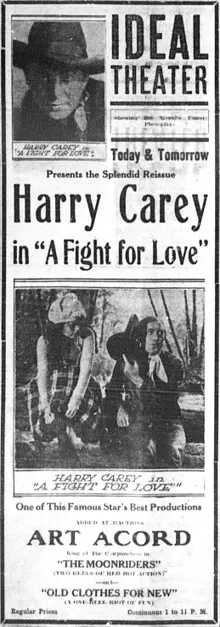
The thematic richness of A Fight for Love extends far beyond its immediate plot. It is a profound meditation on the nature of justice, exploring the delicate balance between legal frameworks and moral imperatives. The film asks: what happens when the pursuit of justice is blinded by circumstance, and the truth is locked away by an unbreakable oath? This query resonates deeply, inviting introspection into the fallibility of human systems and the unwavering power of spiritual commitments. The sacrifice inherent in the priest's silence, and Harry's struggle for vindication, underscore a universal human yearning for truth and fairness.
Furthermore, the film delves into the raw, untamed spirit of the frontier. It portrays a world where law is often distant, and personal courage or moral conviction becomes the ultimate arbiter. The portrayal of the Northwest Mounties, relentless in their duty, yet potentially misguided, adds another layer to this exploration of justice. They represent the nascent forces of organized law attempting to tame a wild land, often clashing with the more individualistic codes of conduct prevalent among its inhabitants. The film subtly critiques the limitations of a purely legalistic approach when confronted with the complex realities of human morality and faith. This struggle for individual justice against institutional power is a common thread in many Westerns, often seen in films like Bull Arizona or The Squatter's Daughter, where the protagonist often stands alone against a flawed system.
The 'love' in the title, as previously noted, is not necessarily a romantic entanglement, though silent films often implied such connections to broaden appeal. Here, it is a profound love for truth, for freedom, for one's good name, and for the very right to exist without false accusation. It is the existential fight for personal integrity and the pursuit of a life unburdened by undeserved guilt. This abstract yet powerful interpretation elevates the film beyond a simple chase narrative, transforming it into a poignant exploration of the human spirit's enduring quest for self-preservation and vindication. The film, through its compelling performances and Eugene B. Lewis's direction, manages to convey these intricate themes with remarkable clarity, even in the absence of spoken dialogue. It's a testament to the power of visual storytelling and the universal resonance of its core messages.
Eugene B. Lewis, as both writer and director, crafts a narrative that is both taut and emotionally resonant. Directing a silent film demanded a unique skill set: the ability to communicate complex plot points and emotional states through visual cues, pacing, and the judicious use of intertitles. Lewis demonstrates a keen understanding of these techniques, employing dynamic camera work (for its era), impactful close-ups to highlight character reactions, and a rhythm that maintains suspense. The stark beauty of the frontier landscape, though likely conveyed through painted backdrops and limited location shooting, contributes significantly to the film's atmosphere, emphasizing the isolation and unforgiving nature of the world in which these characters operate.
The editing, crucial in silent cinema for establishing narrative flow and emotional beats, is handled with precision, ensuring that the audience remains fully immersed in the unfolding drama. Each scene builds upon the last, escalating the tension as Harry's predicament grows more dire and the priest's internal conflict intensifies. The choice to focus on the moral dilemma of the priest, rather than solely on the chase, elevates the film beyond typical adventure fare. Lewis, through his direction, ensures that the audience understands the gravity of the priest's oath and the immense pressure he endures. The performances he elicits from his cast, particularly Harry Carey and J. Farrell MacDonald, are testaments to his directorial prowess in a medium where every gesture and expression carried immense weight. The subtle nuances in Neva Gerber's performance, as well as the impactful presence of actors like Dark Cloud and Chief John Big Tree, add layers of authenticity to the frontier setting and its diverse inhabitants. This meticulous attention to visual detail and character depth is reminiscent of the narrative precision seen in films like A Game of Wits, where clever staging and visual storytelling are paramount.
While perhaps not as widely celebrated as some of its contemporaries, A Fight for Love holds a significant place in the annals of early Western cinema. It represents a period where filmmakers were actively experimenting with narrative structure, character depth, and thematic complexity within the constraints of a nascent art form. The film's bold exploration of the conflict between spiritual confession and secular justice provides a timeless framework for understanding ethical dilemmas that transcend any specific era or genre. Its enduring appeal lies in its ability to tap into universal human experiences: the fear of false accusation, the burden of truth, and the relentless pursuit of vindication.
The performances, particularly Harry Carey's, remain compelling, offering a window into the acting styles and emotional communication prevalent in the silent era. The film serves as a valuable historical document, showcasing not only the evolution of cinematic techniques but also the societal values and moral questions that captivated audiences of the time. It reminds us that even without spoken dialogue, cinema possessed an incredible capacity to tell powerful stories that resonated deeply. Its narrative ingenuity, forcing a priest to grapple with such a profound moral conflict, sets it apart from many of its more straightforward action-oriented Western counterparts. This unique blend of action, drama, and ethical philosophy ensures that A Fight for Love remains a compelling watch for enthusiasts of film history and anyone interested in the enduring power of a well-told story. Its themes of justice and personal struggle find echoes in narratives like The End of the Road, where characters face profound life-altering decisions. The subtle strength and resilience depicted in the film also connect to the spirit of characters in Ace High, where individuals navigate treacherous circumstances with courage.
Ultimately, A Fight for Love stands as a testament to the sophistication achievable within silent cinema. It's a film that asks difficult questions and offers no easy answers, instead immersing its audience in a world where moral certainties are constantly challenged. The tension between the Mounties' pursuit, Harry's desperate flight, and the priest's unyielding silence creates a narrative tapestry rich with human drama and ethical weight. It is a powerful reminder of the enduring human struggle for justice and the complex interplay between faith, law, and individual conscience, proving that some stories, even when told without a single spoken word, can resonate across generations with profound emotional and intellectual force.
IMDb —
1933
Community
Log in to comment.