DbcultAccessing Vault...
Cult Review
Senior Film Conservator
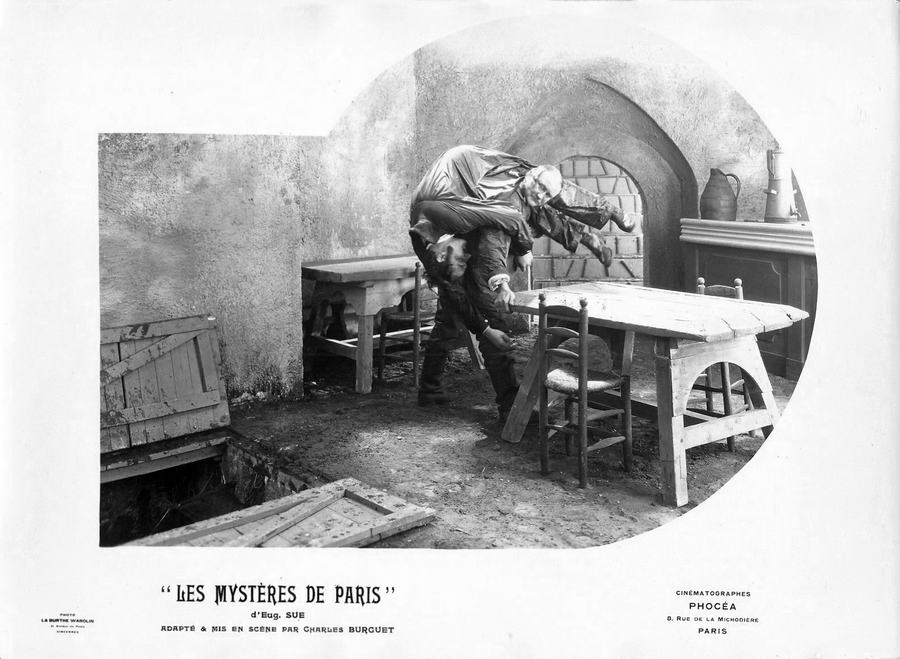
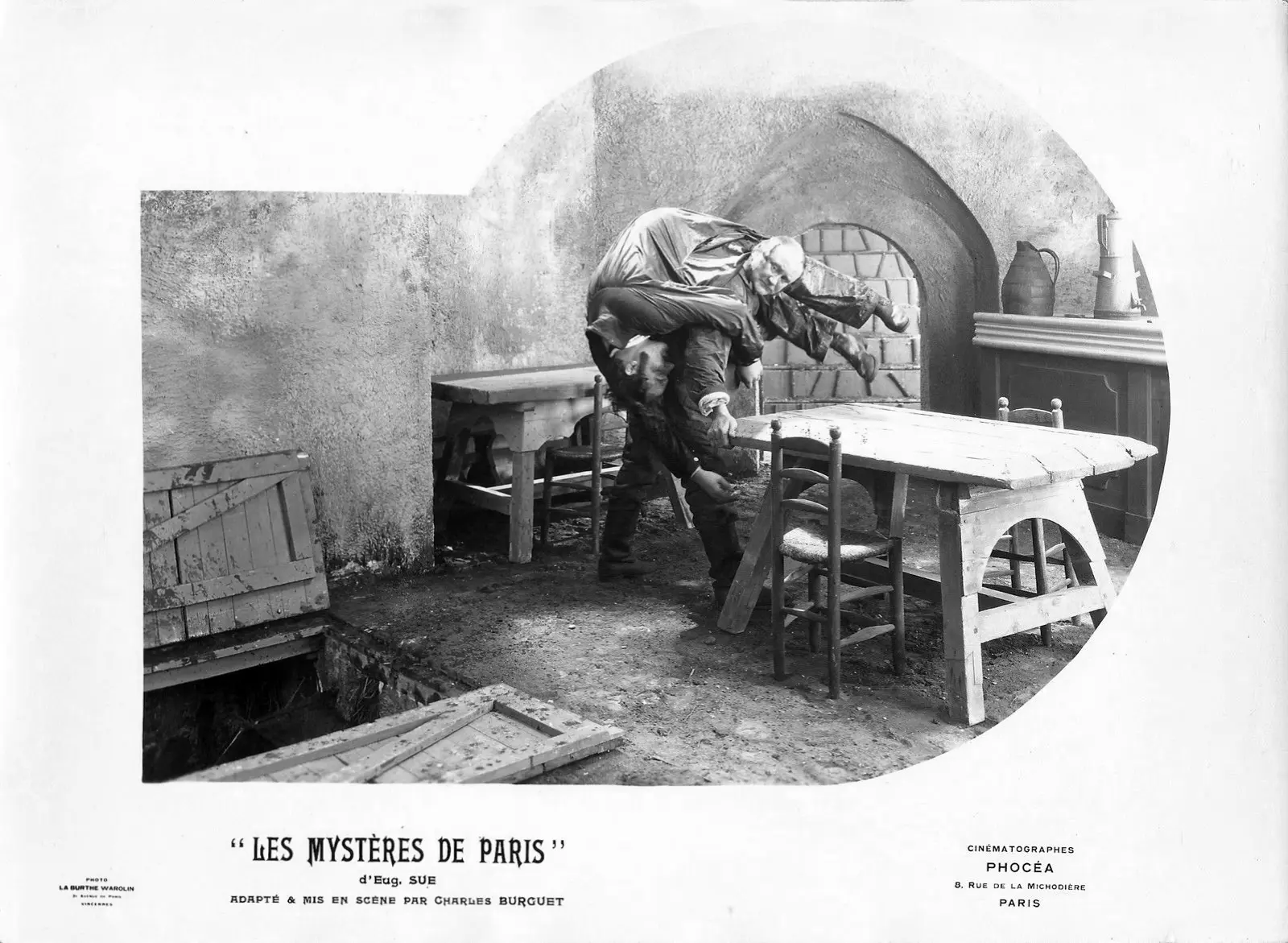
Imagine a Paris where streetlamps flicker Morse code to the damned; that is the celluloid kingdom Charles Burguet serves in twelve relentless acts. The 1922 serial, long eclipsed by German expressionist juggernauts, erupts from Kino’s new 4K like a freshly exhumed corpse—still moist, still muttering secrets.
Each tableau carries its own chromatic nervous system. Interiors of “Le Tapis franc” swim in umber nicotine, faces daubed with saffron light that suggests Rembrandt painted while drunk on rum. Shift to “La Ferme de Bouqueval” and the stock suddenly blooms into silvery pastoralism—think Millet silver-plated—only to be ruptured by charcoal storm clouds that foretell the heroine’s return to urban Hades. The tinting strategy weaponizes color emotionally: sea-blue (#0E7490) seeps into scenes of legal chicanery, as though justice itself were drowning. Meanwhile, night exteriors are bathed in toxic citron, a pre-code warning that daylight will not save anyone.
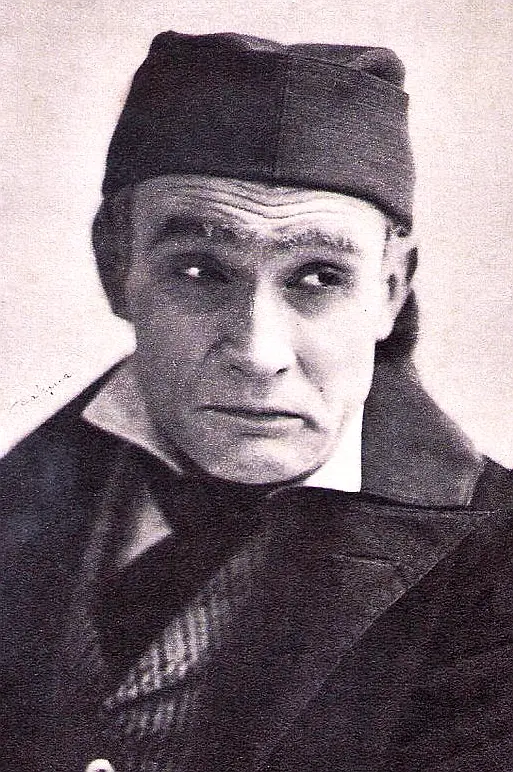
Jeanne Bérangère’s Fleur-de-Marie does not merely act; she erodes. Watch her pupils in the convent sequence: wide as communion wafers, reflecting a stained-glass Jesus that seems to be screaming. The performance anticipates Falconetti’s Joan by four years, yet where Joan clings to faith, Fleur clings to the memory of faith—far more devastating. Opposite her, Ernest Maupain’s Rodolphe glides through incognito like a renaissance prince moonlighting as Sweeney Todd. The slightest tightening of his cravat telegraphs imminent retribution; no need for intertitles screaming “vengeance.”
While Eisenstein was still doodling battleships, Burguet slices together the embassy ball massacre with whip-pan ferocity: chandeliers → gloved hand → blood on parquet → violinist continuing to play, oblivious. Rhythmic discontinuity births a vertigo that would make even Hitchcock reach for a Dramamine. The editing grammar here later resurfaces in Fritz Lang’s Der Einbruch, yet Burguet’s cuts feel more carnal, less geometric.

Most silents use cards as narrative duct tape; this film wields them like switchblades. When the Chouette hisses “On naît fille, on meurt putain,” the card lingers four full seconds—white on black like a rebuke from Nietzsche. The French language, already a lace of nuance, is here compressed into aphoristic C-4. English viewers may rely on subtitles, yet the original verb tenses detonate regardless: passé simple for sins, imparfait for regrets.
Sue’s source novel was Marx before Marx became syllabus fodder. The film distills that rage into visual shorthand: a duchess’s fan made of peacock feathers cuts to a laundress’s cracked hands plunged into ice water. No need for speechifying; juxtaposition is indictment enough. Contrast this with the moral absolutism of The Dishonored Medal or the folksy redemption in Fairy of Solbakken; Paris offers no medals, no fairies—only the recoil of loaded muskets.
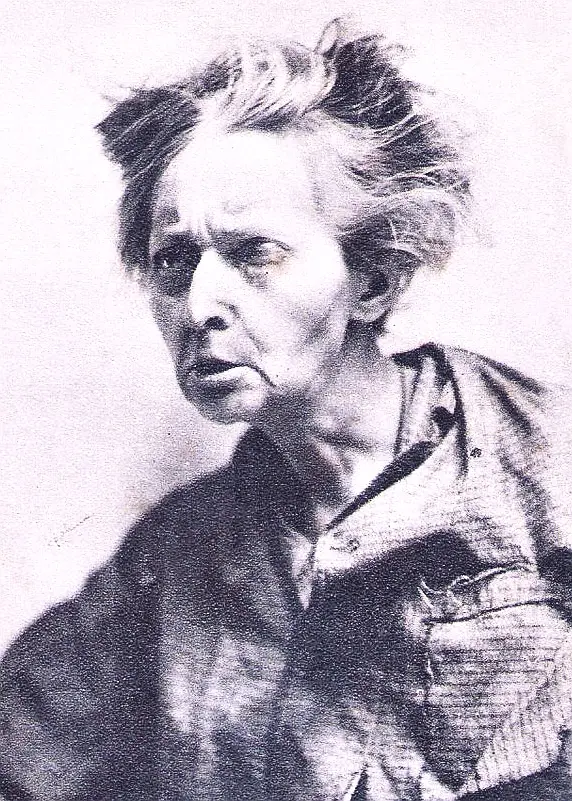
Women here are cartographies of pain. Madame Pipelet’s marital screeches echo like kettle whistles, suggesting domesticity itself is a prison with doilies. Yet the film refuses to victimize outright; even the streetwalker la Chouette radiates predatory agency. The most revolutionary arc belongs to Sarah Duhamel’s courtesan-turned-avenger in episode eleven, whose silhouette against the Seine looks less like a woman, more like a guillotine in heels. Compare her trajectory to the relatively sanitized penitence in Humility, and you realize how radically Paris 1922 stares down the patriarchy without blinking.
Churches appear either as condemned buildings or as moonlit courtrooms where vigilante morality replaces canon law. A priest is glimpsed once—back turned, ringing a funeral bell—his face never shown, implying divine withdrawal. Spirituality survives only in Fleur-de-Marie’s tremulous close-ups, her visage a stained-glass window hurled into the gutter and reassembled by moonlight.
The 4K scan exposes the fabric of 1920s film stock: swirling halation around lanterns, emulsion cracks resembling lightning. Far from distracting, these scars testify to survival. When digital snow disappears from a scene where children sleep under burlap, the sudden clarity feels obscene—poverty should not be that sharp. Yet the restoration team resisted smoothing faces into Botox mannequins; pores remain, as do the actors’ stress lines, aligning the film with the raw textures found in Drei Nächte.
Critics often warehouse early French serials next to Feuillade’s Fantômas, yet melodrama here curdles into something closer to Dreyer’s Leaves from Satan’s Book. The thematic DNA also splices into Mysteries of India, Part I: Truth, though India exoticizes karma while Paris localizes it to a single arrondissement. If you crave American swagger, Always Audacious offers jazz-age pep; if you want Soviet montage, stick with Eisenstein. But for proto-noir fatalism marinated in soot and sacrament, this is ground zero.

Modern bingers may balk at episode two’s five-minute lamb-feeding sequence. Let them. That pastoral lull operates as narrative morphine: the slower the idyll, the crueller the inevitable snapback. When the farm’s gate clangs shut behind Fleur, the sound (imagined but deafening) lands like a rifle report. Such elasticity—languid bucolicism slammed against urban whipcrack—would later echo in Little Red Decides, though that film lacks the stomach to sustain the ache.
Characters speak of “destiny” yet keep forming impromptu communes: thieves adopt orphans, courtesans nurse consumptives. The contradiction feels quintessentially French—Sartre versus saintliness. The film refuses to resolve it; instead it suspends the paradox like a held chord. Viewers exit hearing both the dirge of fatalism and the hymn of mutual aid, a duality seldom attempted in the moral absolutism of The Recoil.
Without these twelve episodes, Carax’s Les Amants du Pont-Neuf loses an ancestor; without its sewer-tracking shots, Jeunet’s Amélie would lack a subconscious. Even Bong Joon-ho’s class geometry in Parasite owes a debt to the upstairs-downstairs dialectic forged here. Yet unlike many successors, Burguet refuses to aestheticize squalor into postcard kitsch; misery remains unpalatable, redemption partial, beauty a cut-throat rose.
Verdict: A cathedral of shadows erected on the bones of the dispossessed, still humming with unexpiated guilt. Enter, but genuflect at your own risk.
IMDb 5.4
1916
Community
Log in to comment.