DbcultAccessing Vault...
Cult Review
Senior Film Conservator
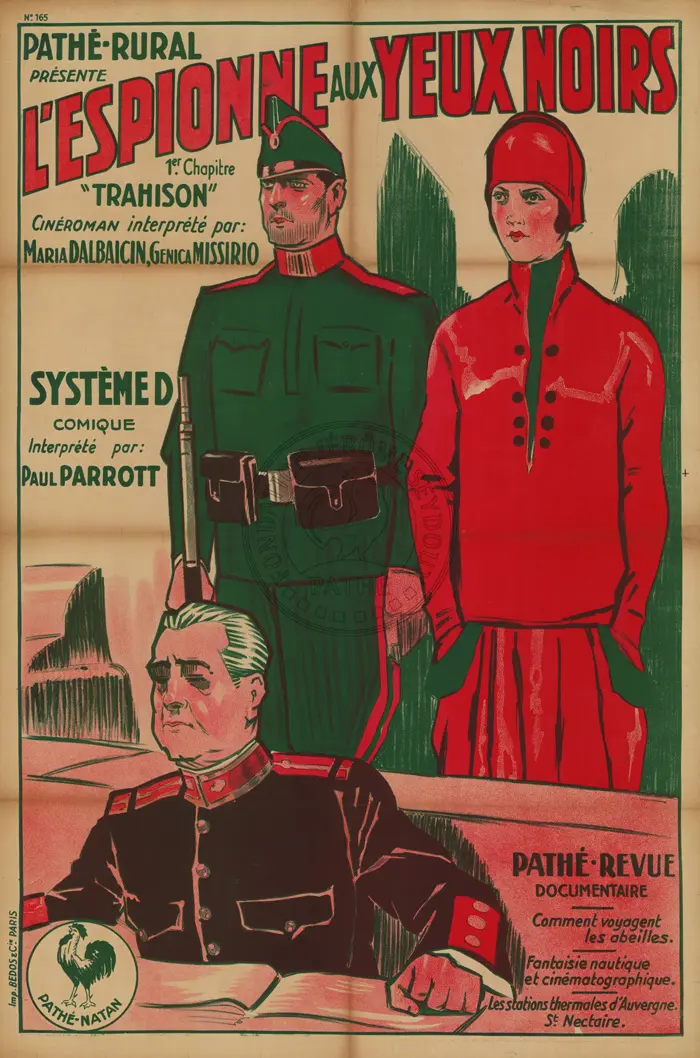
Short answer: Yes, but the experience is enhanced by a deep appreciation for the film's historical context and its nuanced portrayal of a woman in a male-dominated field. This film is a must-watch for fans of period dramas and those interested in the origins of the spy genre.
This film is not for casual viewers looking for mindless entertainment or modern blockbuster thrills. It requires patience and a willingness to engage with a more restrained, subtle narrative structure. However, for those who appreciate the artistry of early cinema and the complexity of female characters in spy stories, L'espionne aux yeux noirs is a gem.
This film works because of its masterful direction by the prolific Paul Dambry. His ability to create a sense of tension and suspense through subtle visual cues and dialogue is exceptional. The chemistry between Roger Karl and Fernand Herrmann is palpable, making their on-screen interactions both believable and captivating. The film's pacing is deliberate, allowing the audience to fully immerse themselves in the story and characters.
This film fails because it can be overly slow at times, particularly in the middle sections. The plot, while intriguing, is occasionally bogged down by overly detailed exposition, which can be tedious for modern viewers. Additionally, the supporting characters, while well-cast, do not always contribute significantly to the narrative, making their presence feel somewhat superfluous.
You should watch it if you are a fan of classic cinema, particularly French films from the 1930s. It's also worth seeing if you are interested in the evolution of the spy genre or want to explore the portrayal of complex female characters in early Hollywood.
The performances in L'espionne aux yeux noirs are a highlight of the film. Roger Karl delivers a nuanced and compelling portrayal of the male lead, while Fernand Herrmann brings a magnetic presence to his role. The chemistry between the two is electric, and their on-screen interactions are a joy to watch. The supporting cast, though not as pivotal, is equally strong, with standout performances from Genica Missirio and María Dalbaicín.
Paul Dambry's direction is meticulous and effective. He uses the limited resources of the time to create a rich and atmospheric setting. The use of shadows and close-ups to convey the characters' emotions and thoughts is particularly noteworthy. Dambry's pacing is deliberate, building tension slowly but steadily, which is both a strength and a weakness of the film.
The cinematography in L'espionne aux yeux noirs is striking. The use of lighting and shadow to convey the characters' emotional states is particularly effective. The film's black-and-white aesthetic adds to its timeless appeal, with a lush, moody quality that enhances the mysterious and suspenseful atmosphere. However, the film could benefit from more dynamic camera movements to keep the viewer engaged.
The pacing of the film is one of its strongest aspects. The deliberate rhythm allows the audience to fully immerse themselves in the story and the characters' lives. However, the film can be slow at times, particularly in the middle sections, where the plot thickens and the exposition becomes more detailed. This can make the film feel draggy for some viewers, but it also allows for a more nuanced exploration of the characters' motivations and relationships.
The tone of L'espionne aux yeux noirs is a mix of romance and suspense. The film's atmosphere is tense and mysterious, with a sense of danger lurking around every corner. The romantic elements are woven seamlessly into the narrative, adding depth to the characters' motivations and interactions. However, the film can sometimes veer into melodrama, particularly in the more emotional scenes, which can be a bit overwrought for some viewers.
While L'espionne aux yeux noirs may not be the most thrilling or action-packed film, it is a deeply engaging and well-crafted piece of early cinema. For those who appreciate the artistry of classic films and are interested in the origins of the spy genre, this film is a must-watch. It offers a fascinating glimpse into a time when the spy story was still in its infancy and the portrayal of complex female characters was still evolving.
It works. But it’s flawed. L'espionne aux yeux noirs is a testament to the artistry of early cinema, offering a nuanced and engaging portrayal of a complex female character in a male-dominated world. While it may not be the most thrilling or action-packed film, it is a deeply engaging and well-crafted piece of early cinema that is worth watching for fans of classic films and the origins of the spy genre.
IMDb —
1920
Community
Log in to comment.